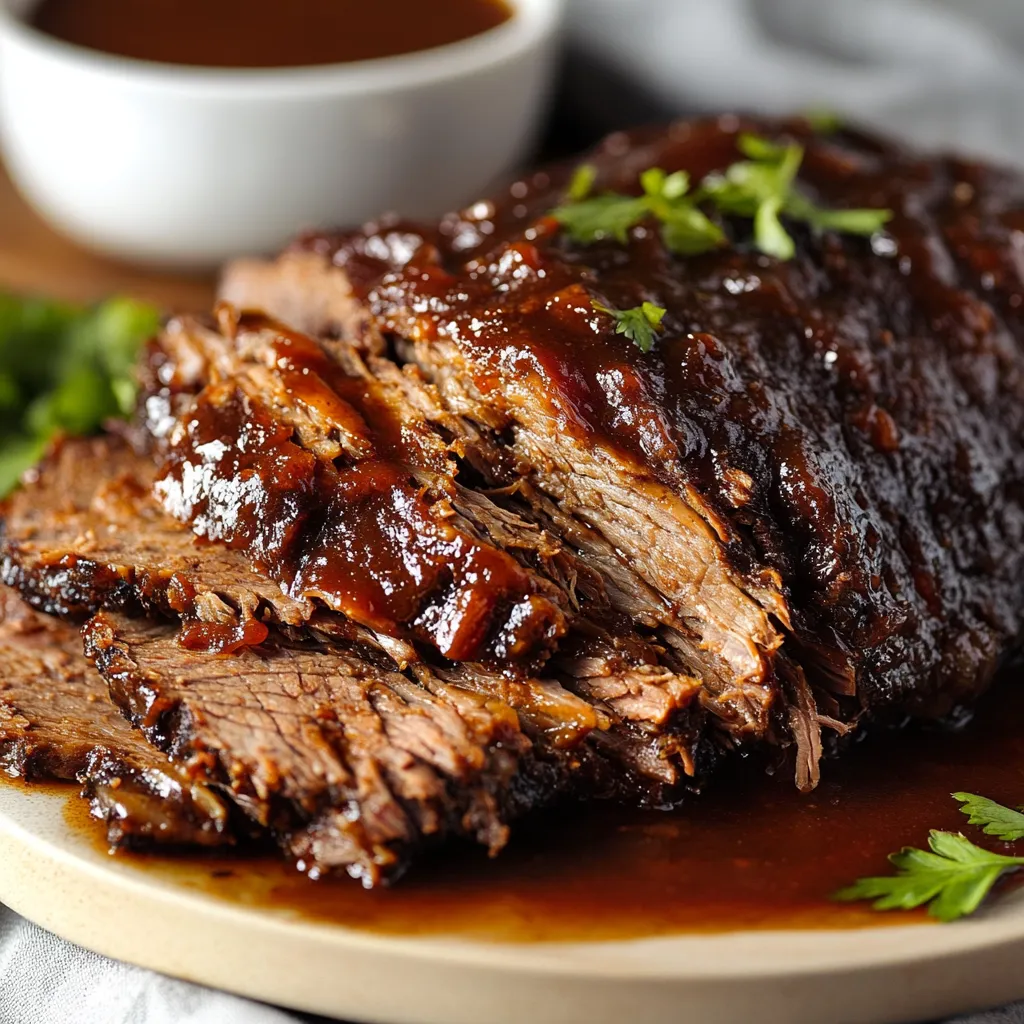
The smell of slow-cooked beef brisket filling your kitchen is one of those things that makes a house feel like home. This high protein slow cooked beef brisket transforms a tough cut of meat into something incredibly tender and flavorful with minimal hands-on effort. Just fifteen minutes of prep in the morning, and dinner practically cooks itself while you go about your day.
What makes this recipe particularly smart is how it maximizes both protein and flavor. Brisket is naturally high in protein and becomes even more concentrated as it slow cooks, while the dry rub and tangy sauce add layers of complexity without any fuss. The low-and-slow method breaks down all that connective tissue, turning an economical cut into fork-tender perfection that rivals any barbecue joint.
This is the kind of dinner that works for so many occasions. Feed a crowd at a weekend gathering, meal prep protein for the entire week, or simply enjoy the luxury of coming home to a ready-made dinner that tastes like you spent all day in the kitchen. The leftovers might actually be better than the first serving, making this one of the most practical high-protein dinners you can make.
Why You’ll Love This High Protein Slow Cooked Beef Brisket
The hands-off cooking method is what draws most people to this recipe initially. You season the meat, layer everything in the slow cooker, and walk away for eight hours. No monitoring, no adjusting, no babysitting. The slow cooker does all the heavy lifting while you’re at work, running errands, or simply relaxing.
The protein content is exceptional. A single serving delivers substantial grams of complete protein, making this ideal for anyone focused on muscle recovery, weight management, or simply getting adequate nutrition. Unlike leaner cuts, brisket has enough marbling to stay moist during the long cook time, so you get both protein and incredible flavor.
Flavor-wise, the combination of smoky paprika, tangy vinegar, and sweet BBQ sauce creates a balanced profile that’s simultaneously bold and comforting. The dry rub forms a flavorful crust while the braising liquid keeps everything moist and adds depth. The onions and garlic melt into the sauce, contributing sweetness and savory notes.
The versatility of the finished brisket is another major advantage. Slice it for traditional plated dinners, shred it for sandwiches, chop it for tacos, or dice it for hash. The leftovers transform into completely different meals throughout the week, preventing any sense of monotony despite cooking once and eating multiple times.
Ingredients for High Protein Slow Cooked Beef Brisket
I always look for a brisket with a decent fat cap when shopping. That layer of fat bastes the meat as it cooks and contributes to the final tenderness. You can trim it down after cooking if you prefer leaner servings, but having it there during the cook is important.
The Meat:
- 3 to 4 lbs beef brisket (flat or point cut)
The Dry Rub:
- 2 tablespoons brown sugar
- 1 tablespoon smoked paprika
- 1 tablespoon garlic powder
- 1 tablespoon onion powder
- 1 teaspoon cumin
- 1 teaspoon salt
- 1 teaspoon black pepper
- 1/2 teaspoon cayenne pepper (optional)
The Liquid Base:
- 1 cup BBQ sauce (your favorite brand)
- 1/2 cup beef broth
- 1/4 cup apple cider vinegar
- 2 tablespoons Worcestershire sauce
- 1 medium yellow onion, sliced
- 3 cloves garlic, minced
The flat cut versus point cut decision comes down to personal preference. Flat cut is leaner and slices more uniformly, which works well for plated dinners. Point cut has more marbling and fat, making it juicier and better for shredding. Either works beautifully in this recipe.
For the BBQ sauce, choose whatever style you enjoy most. A tangy, vinegar-based sauce adds brightness, while a sweeter, molasses-heavy sauce gives deeper caramelization. I prefer something in the middle that balances sweet and tangy. Check the label if you’re watching sugar intake, as some brands pack significantly more sugar than others.
The apple cider vinegar is key for cutting through the richness and tenderizing the meat. Don’t skip it or substitute regular vinegar. The slight sweetness and fruity notes from apple cider vinegar complement the BBQ flavors perfectly and help break down those tough muscle fibers over the long cook time.
How to Make High Protein Slow Cooked Beef Brisket
The beauty of slow cooker recipes is in the simplicity. I find that taking a few extra minutes to properly season the meat makes a noticeable difference in the depth of flavor you get at the end.
Prepare the Rub: Combine the brown sugar, smoked paprika, garlic powder, onion powder, cumin, salt, black pepper, and cayenne in a small bowl. Whisk everything together until evenly mixed with no clumps of brown sugar remaining.
Season the Brisket: Remove the brisket from its packaging and pat it completely dry with paper towels. Moisture on the surface prevents the rub from adhering properly. Sprinkle the spice mixture generously over all sides of the meat, using your hands to massage it into the surface. Don’t be shy here. Press it in so it forms a crust rather than just sitting on top.
Layer the Slow Cooker: Scatter the sliced onions and minced garlic across the bottom of your slow cooker. This creates a flavorful bed for the brisket to rest on and prevents the bottom from scorching during the long cook time. The onions will essentially melt into the sauce, adding sweetness and body.
Make the Braising Liquid: In a medium bowl, whisk together the BBQ sauce, beef broth, apple cider vinegar, and Worcestershire sauce until smooth. Pour half of this mixture over the onions in the slow cooker, creating a flavorful base layer.
Add the Brisket: Place the seasoned brisket on top of the onion layer, fat side up if there’s a fat cap. Pour the remaining sauce mixture over the top of the meat, making sure to coat it well. The liquid won’t completely cover the brisket, and that’s fine. As it cooks, the meat will release its own juices and the liquid will increase.
Cook Low and Slow: Cover the slow cooker with its lid and set it to Low. Cook for 8 to 10 hours without opening the lid. The longer cook time on the lower setting produces the most tender results. If you’re short on time, you can cook on High for 5 to 6 hours, but the texture won’t be quite as fall-apart tender.
Rest and Slice: When the brisket is fork-tender and pulls apart easily, carefully transfer it to a cutting board. Let it rest for 15 minutes to allow the juices to redistribute. For traditional slices, cut against the grain into 1/4-inch thick pieces. Look at the direction of the muscle fibers and slice perpendicular to them. For pulled beef, use two forks to shred the meat into bite-sized pieces.
Finish the Sauce: The liquid left in the slow cooker is now a rich, flavorful gravy. Skim off any excess fat from the surface using a spoon or fat separator. If you want a thicker consistency, pour the liquid into a saucepan and simmer on the stovetop for 5 to 10 minutes to reduce it. Pour this sauce back over the sliced or shredded brisket before serving.
The most common mistake is opening the slow cooker to check on the meat. Every time you lift the lid, you release heat and add 15 to 20 minutes to the cooking time. Trust the process and keep it covered.
What to Serve with High Protein Slow Cooked Beef Brisket
Building a complete meal around this brisket is easy because the rich, smoky meat pairs well with so many sides.
Mac and Cheese: Creamy, indulgent mac and cheese is the classic pairing for BBQ brisket. The smooth, mild cheese sauce balances the bold, tangy meat beautifully. Make it from scratch or use a quality boxed version to save time.
Coleslaw: A vinegar-based slaw adds essential crunch and acidity to cut through the richness. The cool, crisp vegetables refresh your palate between bites of tender, saucy meat. Skip the mayo-heavy versions and go for a tangy, dressed slaw with apple cider vinegar.
Baked Beans: Sweet and savory baked beans complement the BBQ flavors perfectly and add extra protein and fiber to the meal. The molasses notes in the beans echo the brown sugar in the rub.
Cornbread: Slightly sweet cornbread soaks up the brisket juices and provides a satisfying textural contrast. Serve it warm with butter for maximum comfort food appeal.
Roasted Brussels Sprouts: For a lighter option that still packs flavor, roasted Brussels sprouts with a touch of balsamic glaze add nutrients and a pleasant bitterness that contrasts with the sweet BBQ sauce.
Mashed Sweet Potatoes: Creamy mashed sweet potatoes bring natural sweetness and a smooth texture that works beautifully alongside the robust brisket. They’re also packed with vitamins and fiber.
Pickles and Pickled Vegetables: Tangy pickles, pickled jalapeños, or pickled red onions add brightness and acidity. They’re especially good when serving the brisket on sandwiches.
Pro Tips & Variations
For deeper flavor, season the brisket with the dry rub the night before and refrigerate it uncovered. This dry-brining method allows the salt to penetrate the meat more thoroughly and the surface to dry out slightly, which leads to better browning and more concentrated flavor.
If you want a true bark similar to smoked brisket, sear the rubbed meat in a hot skillet with a tablespoon of oil before adding it to the slow cooker. This creates a caramelized crust that adds both flavor and texture. It’s an extra step but worthwhile if presentation matters.
The liquid can be customized based on what you have available. Substitute the beef broth with coffee for a deeper, more complex flavor, or use beer for a malty richness. Both work exceptionally well with the BBQ sauce and spices.
For a lower-sugar version, use a sugar-free BBQ sauce and replace the brown sugar in the rub with a granulated sweetener alternative. The flavor remains excellent while cutting the carbohydrate content significantly.
Chicken or pork can replace the beef if needed. Pork shoulder works particularly well with the same cooking method and yields similarly tender, shreddable results. Chicken thighs would need a shorter cook time, around 4 to 5 hours on Low.
To make this in a Dutch oven instead of a slow cooker, preheat your oven to 300°F. Follow the same layering and seasoning steps in the Dutch oven, cover tightly with a lid, and braise for 4 to 5 hours until fork-tender. Check occasionally and add more liquid if it’s getting dry.
For a spicier version, increase the cayenne pepper to a full teaspoon or add chipotle powder to the rub. You can also stir in some hot sauce with the BBQ sauce for extra heat.
Storage & Reheating Tips
Store leftover brisket in an airtight container with some of the cooking liquid poured over it. This prevents the meat from drying out and keeps it moist and flavorful. It will keep in the refrigerator for up to 4 days.
The texture and flavor actually improve after a day in the fridge as the meat continues to absorb the sauce. I often make this on Sunday specifically to have better-tasting leftovers for quick dinners throughout the week.
For freezing, portion the sliced or shredded brisket into freezer-safe containers or bags with enough sauce to keep it moist. Remove as much air as possible before sealing. It freezes beautifully for up to 3 months. Label containers with the date and contents for easy identification.
To reheat, thaw frozen brisket overnight in the refrigerator if possible. For stovetop reheating, place the meat and sauce in a covered pan over medium-low heat, stirring occasionally until heated through. Add a splash of beef broth if it seems dry. For microwave reheating, use 50% power and heat in short intervals to prevent overcooking, which can make the meat tough.
Leftover brisket transforms into completely different meals. Chop it for breakfast hash with potatoes and eggs, pile it onto nachos with cheese and jalapeños, stuff it into quesadillas, or add it to fried rice. The possibilities make meal planning effortless.
Common Questions
What’s the difference between flat cut and point cut brisket? Flat cut is leaner, more uniform in thickness, and easier to slice neatly for presentation. Point cut has more marbling and fat throughout, making it juicier and better suited for shredding. Both work equally well in the slow cooker, so choose based on how you plan to serve the final dish.
Can I cook this faster on the High setting? You can cook on High for 5 to 6 hours and the brisket will be tender, but the Low setting for 8 to 10 hours produces noticeably better texture. The longer, gentler heat breaks down the connective tissue more thoroughly, resulting in that melt-in-your-mouth quality that makes slow-cooked brisket special.
How do I know when the brisket is done? The brisket is ready when a fork slides in and out with almost no resistance and the meat pulls apart easily. Internal temperature should reach at least 195°F to 205°F, which is much higher than typical beef because you need that heat to break down all the collagen into gelatin.
Why is it important to slice against the grain? Brisket has very long muscle fibers running in one direction. Slicing against the grain means cutting perpendicular to those fibers, which shortens them and makes each bite tender. Slicing with the grain leaves long, chewy fibers that are difficult to eat no matter how long you cooked the meat.
Can I make this without a slow cooker? Absolutely. Use a heavy Dutch oven with a tight-fitting lid and braise in a 300°F oven for 4 to 5 hours. The results are nearly identical to the slow cooker method. You can also use an Instant Pot on the slow cook function or use the pressure cook function for about 90 minutes followed by natural release.
This high protein slow cooked beef brisket proves that getting a substantial amount of quality protein doesn’t require complicated cooking techniques or constant attention. The slow cooker does the work while you handle everything else on your to-do list, and the result is tender, flavorful meat that feeds a crowd or stocks your fridge with ready-to-eat protein for days. Whether you’re serving it traditionally sliced with classic sides or repurposing the leftovers into sandwiches and bowls, this recipe delivers consistent results with minimal effort.
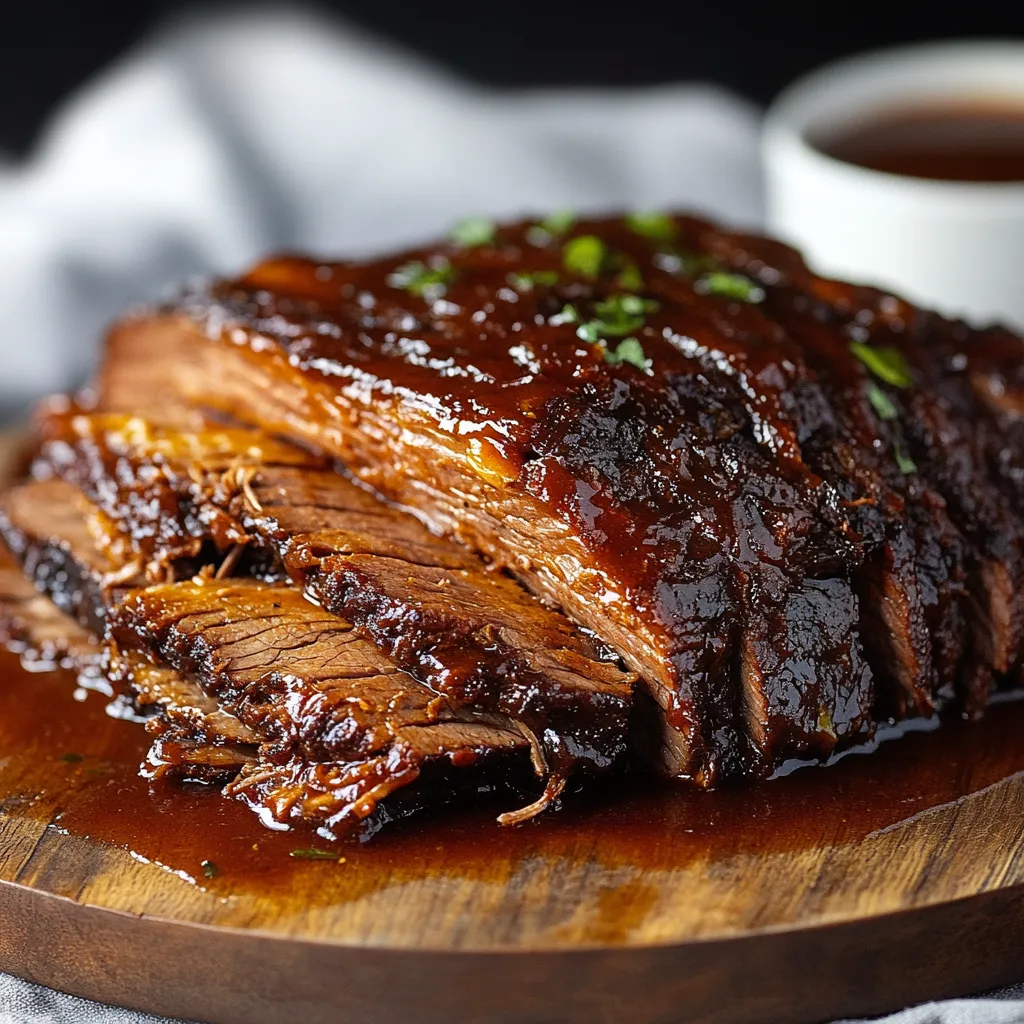
High Protein Slow Cooked Beef Brisket
Ingredients
Equipment
Method
- In a small bowl, whisk together the brown sugar, smoked paprika, garlic powder, onion powder, cumin, salt, black pepper, and cayenne until evenly combined.
- Pat the brisket completely dry with paper towels. Rub the spice mixture generously over all sides of the meat, massaging it into the surface to form a crust.
- Place the sliced onions and minced garlic in the bottom of a 6-quart slow cooker.
- In a medium bowl, whisk together the BBQ sauce, beef broth, apple cider vinegar, and Worcestershire sauce. Pour half of this mixture over the onions in the slow cooker.
- Place the seasoned brisket on top of the onions, fat side up if there is a fat cap. Pour the remaining sauce mixture over the top of the meat.
- Cover and cook on Low for 8 to 10 hours (recommended for maximum tenderness) or on High for 5 to 6 hours, until the brisket is fork-tender and pulls apart easily.
- Carefully transfer the cooked brisket to a cutting board and let it rest for 15 minutes. Slice against the grain into 1/4-inch thick pieces for traditional servings, or shred with two forks for pulled beef.
- Skim the fat from the cooking liquid remaining in the slow cooker. For a thicker sauce, pour the liquid into a saucepan and simmer on the stovetop for 5 to 10 minutes to reduce. Pour the sauce over the sliced or shredded brisket before serving.