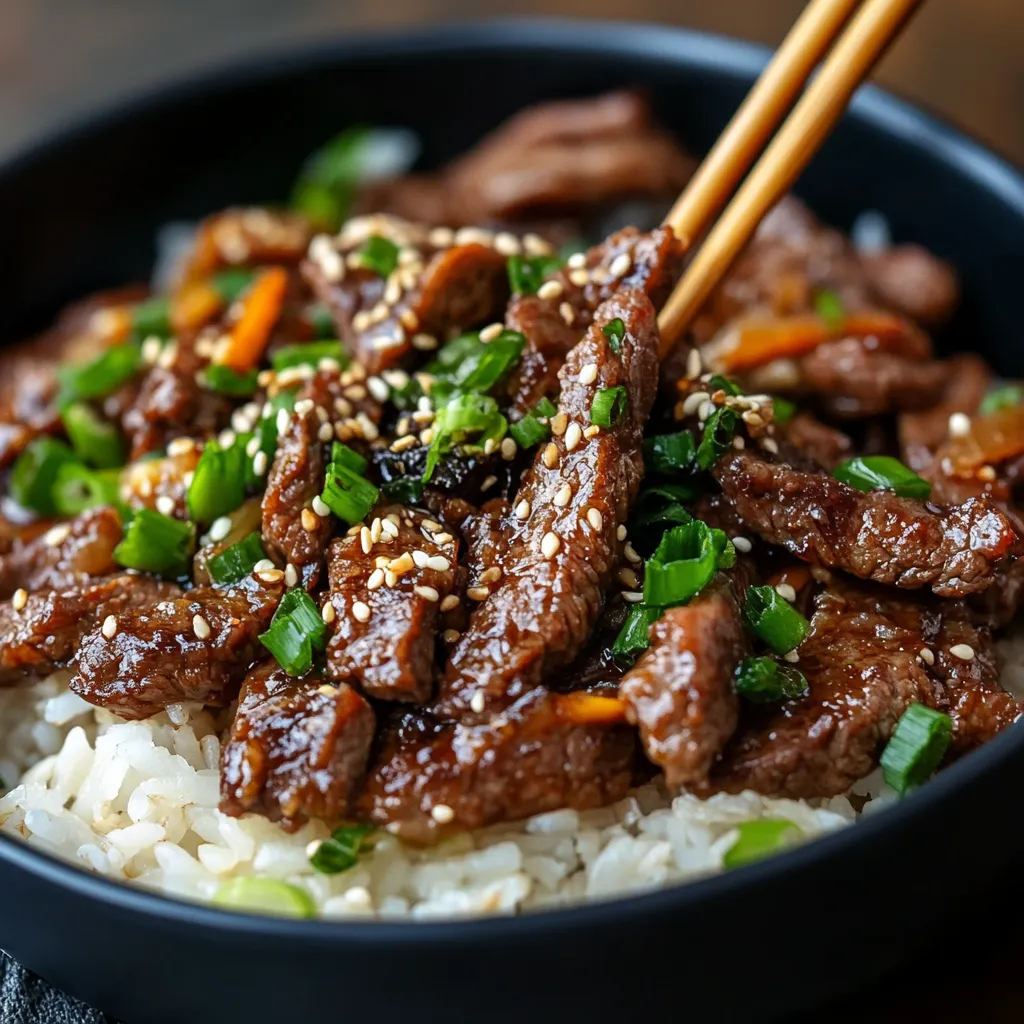
Korean flavors come alive in this beef bulgogi, where thin slices of ribeye soak up a marinade that balances sweet, savory, and aromatic notes. The combination of soy sauce, Asian pear, and sesame oil creates layers of taste that develop as the meat marinates, then intensify when you sear it in a hot pan. Each bite delivers tender beef with caramelized edges and that characteristic bulgogi flavor that keeps you reaching for more. With ribeye as the base, you’re getting 32 grams of protein per serving along with rich flavor that makes this dinner both satisfying and memorable.
The beauty of bulgogi is in its simplicity. The marinade does the heavy lifting, transforming basic ingredients into something restaurant-worthy. A quick sear in a hot pan gives you that essential char and brings out the sugars in the marinade. Within an hour from start to finish, you can have dinner on the table that tastes like you’ve been working on it all day.
Why You’ll Love This Korean Beef Bulgogi
The Asian pear in this marinade is what sets authentic bulgogi apart. It adds natural sweetness while the enzymes help break down the meat fibers, making even economical cuts more tender. Grated into the marinade, it dissolves almost completely and creates a flavor base that’s both complex and balanced.
Ribeye steak brings marbling that keeps the meat juicy even when sliced thin and cooked quickly. The fat renders as it hits the hot pan, adding richness and helping create those caramelized edges. When sliced properly against the grain, ribeye stays tender and picks up the marinade beautifully.
This recipe works equally well for a quick weeknight dinner or when you’re entertaining. The actual cooking time is minimal—just a few minutes per batch in a hot pan. The impressive presentation and bold flavors make it feel special without requiring advanced techniques. Leftovers are versatile too, working well in rice bowls, wraps, or grain salads throughout the week.
Ingredients for Korean Beef Bulgogi
I look for ribeye with good marbling—those white streaks of fat running through the meat. That marbling is what keeps bulgogi juicy and adds flavor as it cooks. Ask your butcher to slice it thin if you prefer, or freeze it partially at home for easier slicing.
- 1 1/2 lbs ribeye steak, sliced 1/8 inch thick
- 1/4 cup soy sauce
- 1/2 Asian pear, peeled and grated
- 2 tablespoons mirin (or rice wine)
- 2 tablespoons sugar
- 3 large cloves garlic, minced
- 2 tablespoons toasted sesame oil
- 1/4 teaspoon ground black pepper
- 2 tablespoons canola oil (for cooking)
- 1/2 cup green onions, chopped
- 2 tablespoons toasted sesame seeds
- Cooked rice (for serving, optional)
Asian pear is worth seeking out at Asian grocery stores. It looks like a large, round apple with speckled yellow-brown skin. The texture is crisp like an apple but juicier, with a mild sweetness that’s perfect for marinades. If you can’t find it, a Fuji apple works as a substitute—grate it just like you would the pear.
For soy sauce, I use regular sodium soy sauce. Low-sodium works if you’re watching salt, though you might want to add a pinch more sugar to balance the flavors. Tamari is the best gluten-free alternative—it has that same deep, savory quality. Mirin is a sweet rice wine that adds subtle complexity. If you don’t have it, use sake or dry sherry with an extra teaspoon of sugar.
Toasted sesame oil is essential here. It has a nutty, rich aroma that regular sesame oil doesn’t provide. You only need a couple tablespoons because the flavor is concentrated. The canola oil is for cooking—you’ll need the full 2 tablespoons since you’ll be working in batches.
How to Make Korean Beef Bulgogi
Getting the beef sliced thin is the key to authentic bulgogi texture. The thinner the slices, the more surface area for marinade and the faster the cooking time. I place the ribeye in the freezer for about 90 minutes until it firms up but isn’t frozen solid—this makes slicing much easier.
- In a medium bowl, whisk together the soy sauce, grated Asian pear, mirin, sugar, minced garlic, toasted sesame oil, and black pepper. Keep whisking until the sugar dissolves completely. The Asian pear should break down into the liquid, creating a smooth marinade with just a bit of texture.
- Add the thinly sliced beef to the bowl. Use your hands or tongs to toss the meat, making sure every piece gets coated with marinade. The thin slices should be well-distributed throughout the liquid, not clumped together.
- Cover the bowl with plastic wrap and refrigerate for at least 30 minutes. For the best balance of flavor and texture, I recommend 2 hours. You can marinate up to 4 hours for deeper flavor, or overnight if you prefer very tender meat. The longer it marinates, the more the Asian pear enzymes break down the fibers, which some people love and others find too soft.
- When you’re ready to cook, heat a large cast-iron skillet or heavy-bottomed pan over medium-high heat. Let it get really hot—you want to see a slight shimmer when you add oil. This high heat is crucial for getting that caramelized char on the beef.
- Add 1 tablespoon of the canola oil and swirl it around to coat the pan surface. The oil should shimmer and move easily across the pan.
- Remove the beef from the marinade, letting excess liquid drip back into the bowl. Working in batches, lay the beef slices in a single layer in the hot pan. Don’t overlap them or crowd the pan. If the pieces are touching too much, they’ll steam instead of sear, and you won’t get the caramelization you want. You’ll likely need to work in 2 to 3 batches depending on your pan size.
- Cook for 2 to 3 minutes without moving the beef. You should see the edges browning and the marinade caramelizing. Flip each piece and cook for another 2 to 3 minutes on the second side. The beef is thin, so it cooks fast. You want it cooked through with some charred edges, but not dried out.
- Transfer the cooked beef to a serving platter. Add the remaining tablespoon of canola oil to the pan before starting the next batch. The pan will get hotter as you go, so you may need to reduce the heat slightly to prevent burning the marinade sugars.
- Once all the beef is cooked, sprinkle the chopped green onions and toasted sesame seeds over the top. These garnishes add freshness and a nutty crunch that complements the rich, savory meat.
- Serve immediately while the beef is hot. The contrast between the caramelized exterior and tender interior is best right out of the pan.
The key to great bulgogi is high heat and quick cooking. The thin slices need just enough time to develop char without overcooking. If your pan isn’t hot enough, the meat will release liquid and boil rather than sear. You’ll know the temperature is right when the beef sizzles immediately upon contact with the pan.
What to Serve with Korean Beef Bulgogi
Steamed white rice is the traditional base for bulgogi. The plain rice lets the flavors of the beef shine while soaking up any pan juices. The rice provides a neutral backdrop that balances the sweet-savory intensity of the bulgogi.
Kimchi provides the essential tangy, spicy contrast to the sweet-savory beef. The fermented cabbage cuts through the richness and adds probiotics. You can buy good kimchi at most grocery stores now, or make your own if you’re feeling ambitious. Serve it cold straight from the jar.
Lettuce wraps turn bulgogi into an interactive meal. Provide butter lettuce or red leaf lettuce leaves for wrapping. Add some rice, a piece of beef, maybe a dab of ssamjang (Korean dipping sauce), and a bit of kimchi. Wrap it up and eat it in one bite. Perilla leaves are traditional too if you can find them at an Asian market.
Cucumber salad adds crunch and freshness. Slice cucumbers thin, toss with rice vinegar, a touch of sugar, salt, and sesame oil. Let it sit for 10 minutes before serving. The cool, crisp texture balances the hot, caramelized beef perfectly.
Seasoned spinach is a classic Korean side dish. Blanch fresh spinach for 30 seconds, squeeze out the water, then toss with sesame oil, minced garlic, soy sauce, and sesame seeds. It’s mild and earthy, providing a vegetable element without competing flavors.
Korean potato salad offers a creamy, slightly sweet side. Make it with boiled potatoes, carrots, cucumber, apple, and a mayo-based dressing. It’s richer than the other sides but very popular in Korean cuisine.
Japchae creates a more substantial meal. These stir-fried sweet potato noodles with vegetables make an excellent pairing. The chewy noodles and variety of vegetables add texture and color to the plate.
Pro Tips & Variations
For the thinnest, most even slices, freeze your ribeye for 90 minutes before cutting. It should be firm but not rock solid—you want to be able to slice through it cleanly. Use a very sharp knife and cut against the grain. The grain is the direction the muscle fibers run. Cutting across those fibers shortens them, which makes every type of beef more tender, whether it’s ribeye, sirloin, or flank.
If you don’t want to slice the beef yourself, many Asian grocery stores sell pre-sliced bulgogi meat. It’s usually labeled as such and comes in the perfect thickness. Some regular grocery stores also sell thinly sliced ribeye or sirloin for hot pot that works well.
A cast-iron skillet or other heavy-bottomed pan works best because it distributes heat evenly across the cooking surface. Make sure whatever pan you use is fully preheated before adding the beef—this ensures immediate searing rather than steaming.
For a spicier version, add gochugaru (Korean red pepper flakes) to the marinade. Start with 1 teaspoon and adjust to your heat preference. The flakes mix directly into the marinade for even distribution. You can also serve the finished bulgogi with gochujang (Korean red pepper paste) on the side for dipping—this is a thick, fermented paste that adds heat and umami.
Sirloin can substitute for ribeye if you want a leaner option. It won’t have quite as much marbling, so watch the cooking time carefully to avoid drying it out. Chuck roast also works and is more economical—it has good flavor and the marinating helps tenderize it, though it won’t be quite as tender as ribeye.
Make this into lettuce wrap bowls for easier serving. Chop the cooked bulgogi into smaller pieces and serve over rice with all the traditional accompaniments in individual bowls. This works particularly well for meal prep or casual entertaining.
Storage & Reheating Tips
Store leftover bulgogi in an airtight container in the refrigerator for up to 4 days. The flavors actually deepen as it sits, making leftovers quite tasty. Keep any garnishes separate so they stay fresh.
For reheating, a hot skillet works best. Heat it over medium-high heat, add a tiny bit of oil, and toss the bulgogi for 1 to 2 minutes until warmed through. This restores some of the caramelization and keeps the texture better than microwaving. If you microwave, use 50% power and heat in short intervals to prevent the meat from getting tough.
You can marinate the raw beef and freeze it for up to 3 months. Put the sliced beef and marinade in a freezer-safe bag, squeeze out the air, and freeze flat. When you’re ready to cook, thaw it in the refrigerator overnight. The marinating continues as it thaws, so it’ll be very flavorful and quite tender.
Leftover bulgogi is incredibly versatile. Chop it and add to fried rice, use it as a topping for ramen, stuff it into quesadillas, or pile it onto rice bowls with vegetables and a fried egg. The sweet-savory flavor works in many different contexts.
Common Questions
Can I grill this instead of pan-searing? Yes, bulgogi is traditionally grilled. Use a grill basket or thread the beef onto skewers to prevent small pieces from falling through the grates. Preheat your grill to medium-high and cook for 1 to 2 minutes per side. Watch it closely because the thin slices cook very fast over direct heat.
What if I can’t find Asian pear? Grated Fuji apple is the best substitute. It has similar sweetness and texture, though it doesn’t have quite the same tenderizing power as Asian pear. The marinade will still taste great. Avoid using kiwi as it has very strong enzymes that can make the meat mushy if you’re not careful with the amount and timing.
How thin should I slice the beef? Aim for about 1/8 inch thick. If you’re eyeballing it without a ruler, think very thin—thinner is better than thicker for bulgogi. It cooks faster and becomes more tender. If you’re having trouble getting it thin enough, partially freezing the meat makes a huge difference in your ability to slice uniformly.
Can I use a different cut of beef? Sirloin, flank steak, or chuck roast all work. Sirloin is leaner but tender. Flank is flavorful but needs to be sliced very thin. Chuck is economical and becomes more tender when marinated. Each cut has slightly different characteristics, but the marinade works well with all of them. Just remember to always slice against the grain regardless of the cut.
Why is my bulgogi steaming instead of searing? The pan isn’t hot enough, or you’ve crowded too much beef in at once. Make sure your pan is fully preheated—the oil should shimmer and the beef should sizzle immediately when it hits the pan. Cook in small batches with space between each piece. The meat releases moisture as it cooks, and if there’s too much in the pan, that moisture can’t evaporate quickly enough.
This Korean beef bulgogi brings together tender ribeye, a perfectly balanced marinade, and simple cooking techniques that anyone can master. The result is a dinner with bold flavors and 32 grams of protein per serving that works for everything from weeknight meals to entertaining. Give this one a try and discover why bulgogi is one of Korea’s most beloved dishes.
Korean Beef Bulgogi
Ingredients
Equipment
Method
- In a medium bowl, whisk together the soy sauce, grated Asian pear, mirin, sugar, minced garlic, toasted sesame oil, and black pepper until the sugar dissolves completely.
- Add the thinly sliced beef to the bowl and toss until every piece is evenly coated with the marinade.
- Cover with plastic wrap and refrigerate for at least 30 minutes. For best results, marinate for 2 hours. You can marinate up to 4 hours for deeper flavor, or overnight for very tender meat.
- Heat a large cast-iron skillet or heavy-bottomed pan over medium-high heat until very hot. Add 1 tablespoon of the canola oil and swirl to coat the pan.
- Remove the beef from the marinade, letting excess liquid drip off. Working in batches to avoid overcrowding, add the beef in a single layer to the hot pan.
- Cook for 2 to 3 minutes without moving the beef until the edges brown and the marinade caramelizes. Flip each piece and cook for another 2 to 3 minutes on the second side until cooked through with charred edges.
- Transfer the cooked beef to a serving platter. Add the remaining tablespoon of oil to the pan and repeat with remaining beef in batches.
- Sprinkle the finished bulgogi with chopped green onions and toasted sesame seeds.
- Serve immediately while hot with steamed rice if desired.