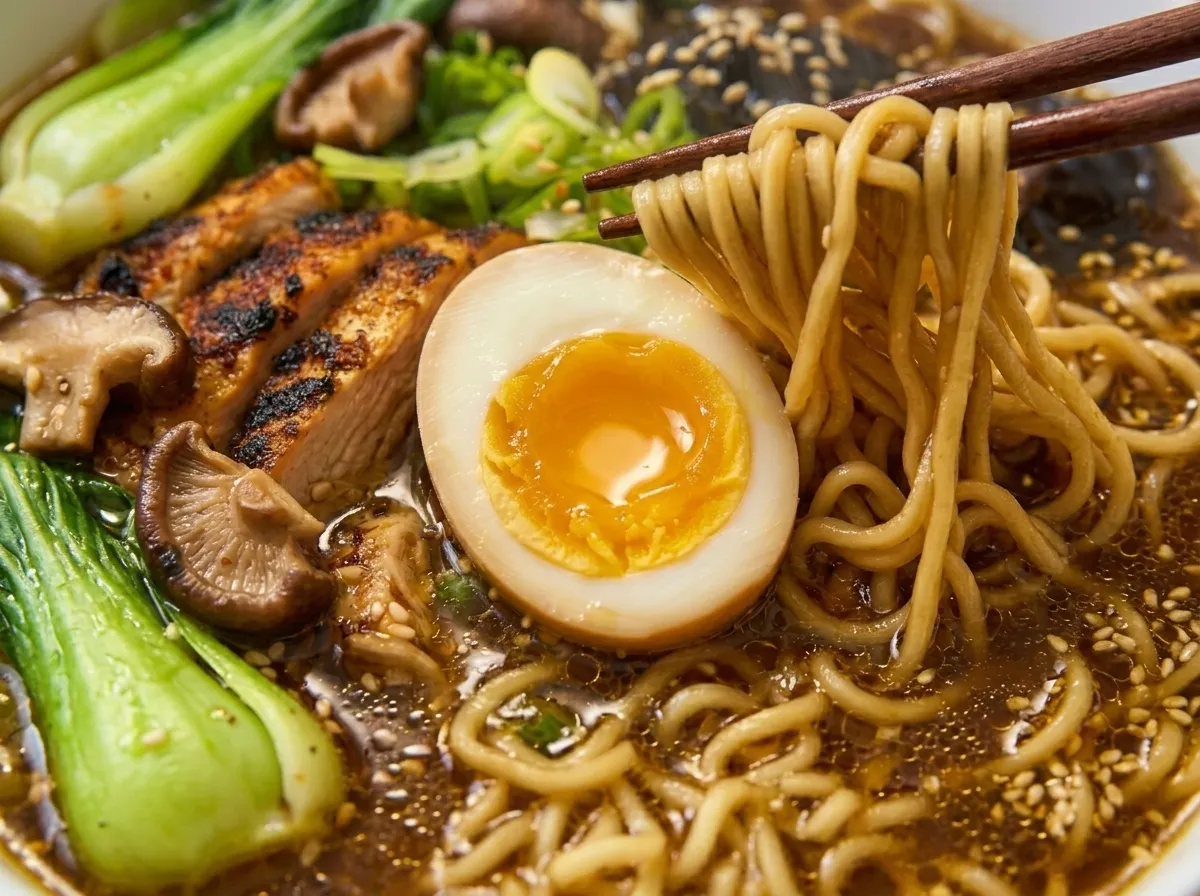
There’s something about a bowl of homemade ramen that just hits differently on a busy weeknight. Easy homemade ramen has been on our dinner rotation for years now, and my daughters ask for it at least twice a month. I used to think ramen from scratch meant hours of simmering bones and complex broths — the kind of thing Dad would do on a slow Sunday at the eatery. But this version? It’s 23 minutes from a cold pan to hot bowls on the table, and the broth tastes nothing like those little seasoning packets.
If you’ve ever made a quick soup before, you can make this. And if you already love easy one-pot dinners like this Creamy One-Pot Potato Hamburger Soup, you’re going to feel right at home here. Same idea: real ingredients, real flavor, minimal fuss.
The secret is layering umami the right way — toasted sesame oil, fresh garlic, ginger, and mushrooms all working together before the broth even goes in. That’s what makes this taste like something you ordered, not something you threw together on a Tuesday.
Why You’ll Love This Easy Homemade Ramen
First, the time. Twenty-three minutes is not an exaggeration. The longest part is letting the broth simmer so the flavors come together, and you can use that time to cook the noodles in a separate pot (more on why that matters in a minute).
The broth is genuinely savory. Chicken stock, soy sauce, garlic, and ginger create a base that’s warm without being heavy. The mushrooms add that extra depth that makes you feel like there’s way more going on than there actually is.
It’s also incredibly flexible. Use rotisserie chicken and you’ve barely cooked anything at all. Swap the protein, change up the vegetables, load on whatever toppings your family likes. My daughters love extra soft-boiled eggs and a drizzle of chili crisp. Emily keeps hers simple with just green onions and sesame seeds.
Real talk: this is the rare dinner where every person at the table can basically customize their own bowl. That alone makes it a keeper.
Ingredients for Easy Homemade Ramen
I’ve made ramen with all kinds of broths and add-ins over the years, and I always come back to this combination. It’s the one that gets the most “is there more?” from my kids.
For the broth and base:
- 1 tbsp sesame oil
- 2 tsp garlic, minced
- 1 tsp ginger paste
- 1 1/2 cups mushrooms, sliced
- 4 cups chicken stock
- 4 cups water
- 1/4 cup soy sauce
- 5-6 baby bok choy leaves
For the noodles and protein:
- 4 packs ramen noodles (fresh, frozen, or dried — discard the seasoning packets)
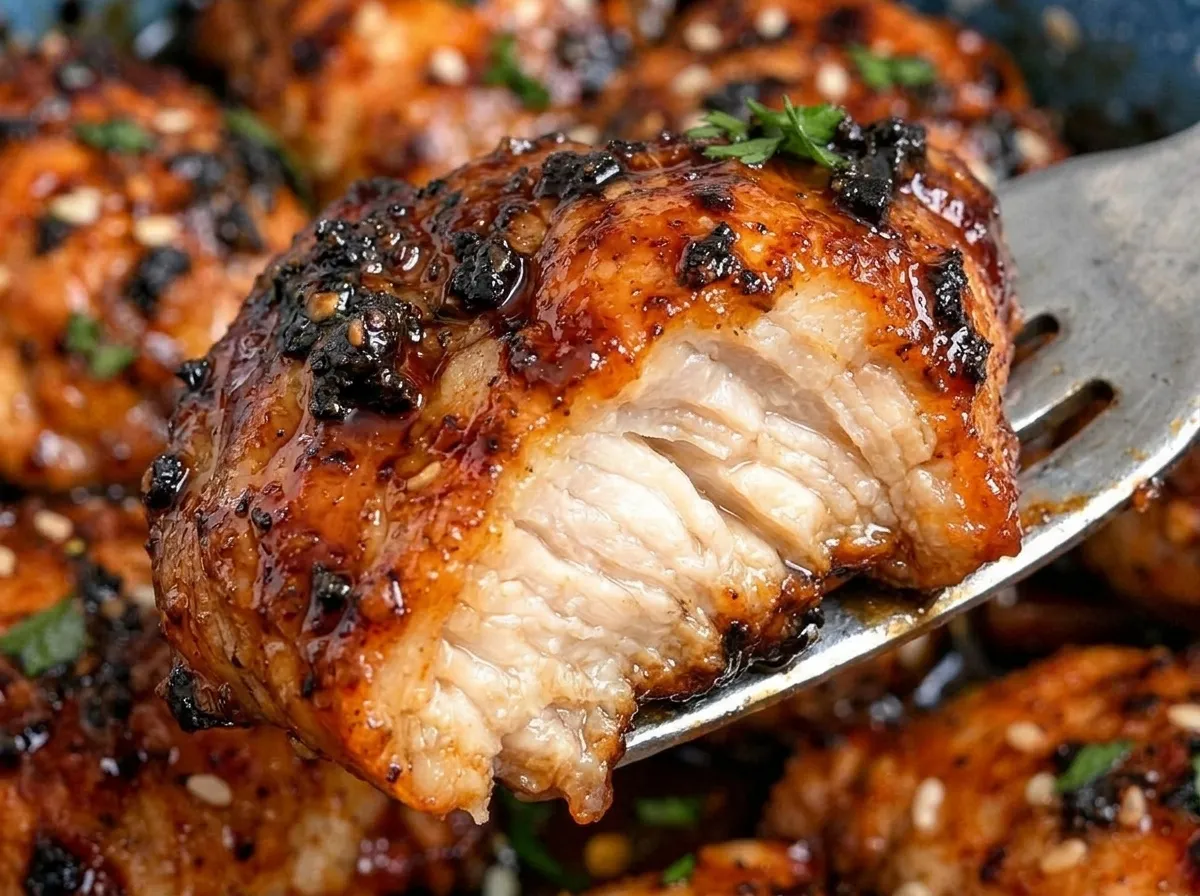
- 1 lb grilled chicken, sliced
For toppings:
- 2 soft-boiled eggs, halved
- 1/4 cup green onions, sliced
- Sesame seeds, for garnish
A few ingredient notes worth knowing: I always use toasted sesame oil, not the light kind — the flavor difference is significant. For mushrooms, shiitake are my first choice because they add real depth to the broth, but cremini or white button mushrooms work just fine. I prefer low-sodium soy sauce so I can control the salt level myself, and if you need a gluten-free option, tamari is a straight swap.
For the chicken, leftover rotisserie chicken is genuinely the move here on a weeknight. Slice it, set it aside, and your protein is done before you even start the broth. If you’re using ginger paste from a tube rather than fresh ginger, that’s completely fine — I keep both on hand, and the paste is honestly more convenient on busy nights.
Fresh ramen noodles from an Asian grocery store give you the best texture if you can find them, but the dried kind — or even the noodles pulled from instant ramen packets with the seasoning discarded — work really well too.
How to Make Easy Homemade Ramen
The key technique in this recipe is keeping the noodles and broth completely separate right up until the moment you’re serving. I know it sounds like an extra step, but it’s the reason your broth stays clear and your noodles don’t turn into mush. Don’t skip it.
- Heat a large pot or Dutch oven over medium heat. Add the sesame oil. Once it shimmers, add the minced garlic and ginger paste. Stir constantly for 30 to 60 seconds until fragrant. Watch this closely — burned garlic turns bitter fast, and there’s no recovering it.
- Add the sliced mushrooms to the pot. Cook, stirring occasionally, for 3 to 5 minutes. You’re waiting for them to soften, brown a little, and release their juices. That liquid going into the broth is pure flavor.
- Pour in the chicken stock, water, and soy sauce. Stir to combine and bring everything to a boil. Once boiling, reduce the heat to low and let it simmer for at least 10 minutes. This is where the broth comes together. Pro tip: if you have mirin on hand, a tablespoon added here gives the broth a subtle sweetness that really rounds things out.
- While the broth simmers, bring a separate large pot of water to a boil. Cook your ramen noodles according to the package directions — usually 2 to 4 minutes. Drain them well and set aside. Do not cook the noodles in your broth. Cooking them separately keeps the broth from getting starchy and cloudy, and your noodles will hold their texture much better.
- In the last 2 minutes of simmering, add the baby bok choy. Cook just until the leaves are tender and still bright green. Overcooking bok choy makes it limp and dull — pull it right when it wilts.
- Divide the drained noodles between serving bowls. Arrange the sliced grilled chicken on top. Ladle the hot broth with mushrooms and bok choy over everything.
- Top each bowl with a halved soft-boiled egg, sliced green onions, and a sprinkle of sesame seeds. Serve right away.
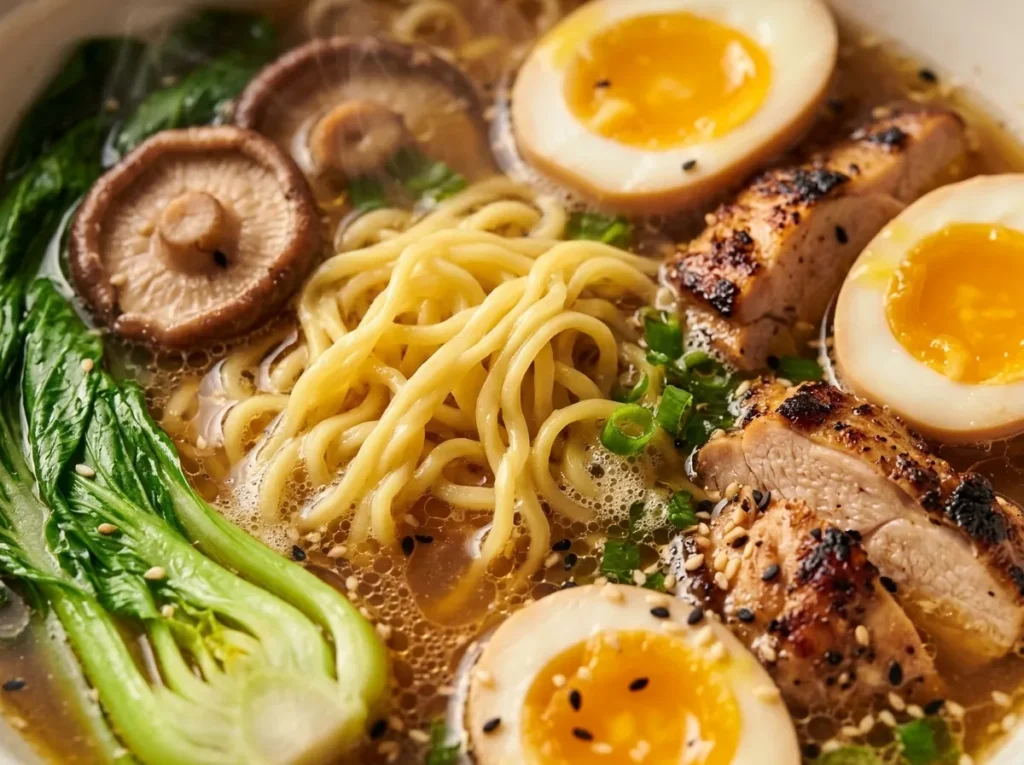
Common mistake to avoid: ladling the broth before you’ve got your toppings ready. Once the broth hits the bowl, you want to eat immediately — ramen waits for no one, and the noodles start absorbing liquid fast.
What to Serve with Easy Homemade Ramen
Honestly, ramen is a complete meal in a bowl. But if you’re feeding a crowd or want to stretch dinner a little further, a few sides pair really well here.
Steamed white rice on the side is classic if you’ve got big eaters at the table who want more carbs. A simple cucumber salad with rice vinegar and sesame oil takes about five minutes and cuts through the richness of the broth.
Gyoza (pan-fried dumplings) are a natural companion — pick them up frozen and they cook in under 10 minutes. Edamame with a little flaky salt is another crowd pleaser that takes zero effort.
If you want something heartier as a second dish, spring rolls or a simple stir-fried vegetable dish with garlic works well. And if your family loves chicken dinners as much as mine does, these Zesty Lemon and Herb Greek Chicken Tenders would be great to have in your back pocket for nights when you want something a little different.
For a simple dessert that doesn’t take much thought, mochi ice cream or fresh fruit keeps things light after a warm, savory bowl.
Pro Tips and Variations
Make the perfect soft-boiled egg: Bring water to a rolling boil, gently lower cold eggs in, and cook for exactly 6 to 7 minutes. Transfer immediately to an ice bath for at least 5 minutes. This stops the cooking and makes peeling much easier. You want a jammy, slightly soft center — not fully set.
Build even more broth flavor: A sheet of kombu (dried kelp) added to the broth while it simmers adds a deep, oceanic umami that you notice without being able to pinpoint. Remove it before serving.
Control your saltiness: Taste the broth before adding toppings. Soy sauces vary a lot in saltiness by brand, so I always taste and adjust with a small splash more soy or a bit of water if needed.
Meal prep the broth in advance: The broth keeps in the fridge for up to 3 days and freezes beautifully for up to 3 months. Make a big batch on the weekend and weeknight ramen becomes genuinely effortless.
Variations worth trying:
Vegetarian version: Swap chicken stock for a good-quality vegetable broth and replace the grilled chicken with pan-fried firm tofu or extra mushrooms.
Spicy ramen: Stir a tablespoon of chili garlic sauce or chili crisp directly into the broth while it simmers.
Loaded veggie bowl: Add blanched bean sprouts, shredded carrots, frozen corn, or a handful of spinach. Ramen is a great way to use up whatever vegetables need to go.
Gluten-free: Use tamari instead of soy sauce and rice noodles in place of ramen noodles.
If you’re in the mood for another cozy, protein-forward dinner, our Creamy Chicken Spinach Mushroom Casserole is another one the family keeps requesting.
Storage and Reheating Tips
The most important thing here is to store the broth and noodles separately. Noodles sitting in liquid keep absorbing it, and by the next day they’ll be bloated and soft. I always portion leftover noodles into separate containers and keep the broth on its own.
Broth will keep in an airtight container in the refrigerator for up to 3 days. Reheat it on the stovetop over medium heat until it’s simmering before assembling bowls.
Noodles reheat best with a quick dip in boiling water for 30 seconds, or just let the hot broth warm them when you ladle it over.
If you’re thinking ahead, the broth freezes really well for up to 3 months. I usually make a double batch and freeze half in quart-sized containers. Future-me is always grateful.
Common Questions
Can I use a different protein?
Absolutely. Sliced pork, shrimp, or even a soft-boiled egg as the only protein all work well here. Rotisserie chicken is the fastest option on a weeknight, but this recipe is flexible.
What if I can’t find fresh ramen noodles?
Dried ramen noodles work great, and the noodles from instant ramen packets — with the seasoning tossed out — are a perfectly fine substitute. Even rice noodles will do if that’s what you have.
Can I make the broth ahead of time?
Yes. The broth can be made up to 3 days in advance and stored in the refrigerator, or frozen for up to 3 months. Just reheat it on the stove before assembling your bowls.
My broth tastes flat. What do I do?
First, check the salt — a little more soy sauce usually fixes it. If salt isn’t the issue, try a small splash of fish sauce or a drizzle of toasted sesame oil stirred in right before serving. Those two things add a lot of depth without much effort.
Do I have to use bok choy?
Not at all. Spinach wilts into the broth in about 30 seconds. Kale, napa cabbage, or even just frozen peas all work as easy substitutes.
Conclusion
Easy homemade ramen is one of those recipes that sounds more impressive than it actually is to make, and I mean that in the best way. Twenty-three minutes, one pot for the broth, one pot for the noodles, and you’ve got dinner that feels like a real treat. Dad used to say that a great bowl of something warm could fix just about anything — and I think he was right. Make it once and I’m pretty sure it’ll find a regular spot in your weeknight lineup.
Easy Homemade Ramen
Ingredients
Equipment
Method
- Heat a large pot or Dutch oven over medium heat. Add the sesame oil. Once it shimmers, add the minced garlic and ginger paste. Stir constantly for 30 to 60 seconds until fragrant. Do not let the garlic burn — it turns bitter quickly.
- Add the sliced mushrooms to the pot. Cook, stirring occasionally, for 3 to 5 minutes until they soften, brown slightly, and release their natural juices into the pot.
- Pour in the chicken stock, water, and soy sauce. Stir to combine and bring to a boil. Once boiling, reduce heat to low and simmer for at least 10 minutes to allow flavors to meld. Optional: add 1 tablespoon of mirin for a subtle sweetness.
- While the broth simmers, bring a separate large pot of water to a boil. Cook the ramen noodles according to package directions (usually 2 to 4 minutes). Drain well and set aside. Do not cook noodles in the ramen broth — this keeps the broth clear and the noodles from turning mushy.
- In the last 2 minutes of simmering, add the baby bok choy to the broth. Cook just until tender and bright green. Do not overcook.
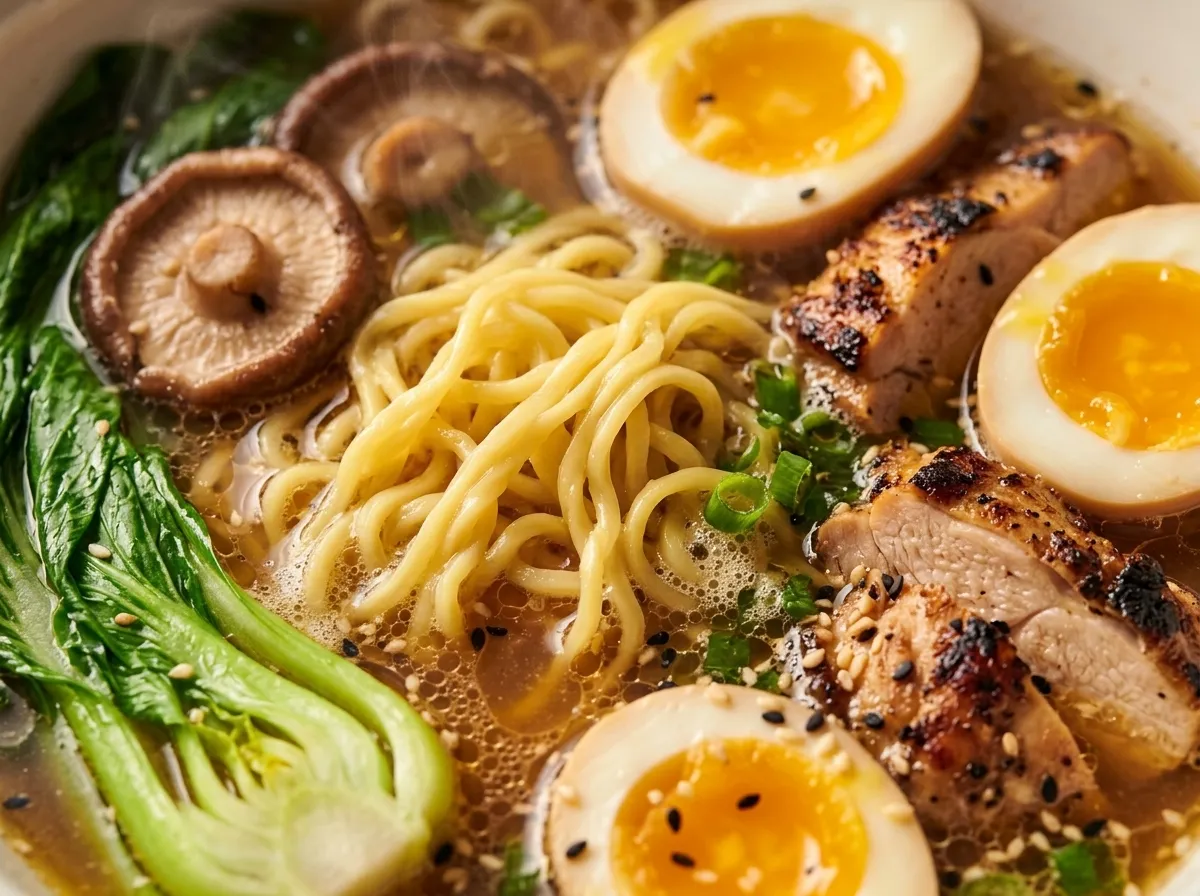
- Divide the drained noodles evenly among serving bowls. Arrange the sliced grilled chicken on top. Ladle the hot broth, mushrooms, and bok choy over the noodles and chicken in each bowl.
- Top each bowl with a halved soft-boiled egg, sliced green onions, and a sprinkle of sesame seeds. Serve immediately.