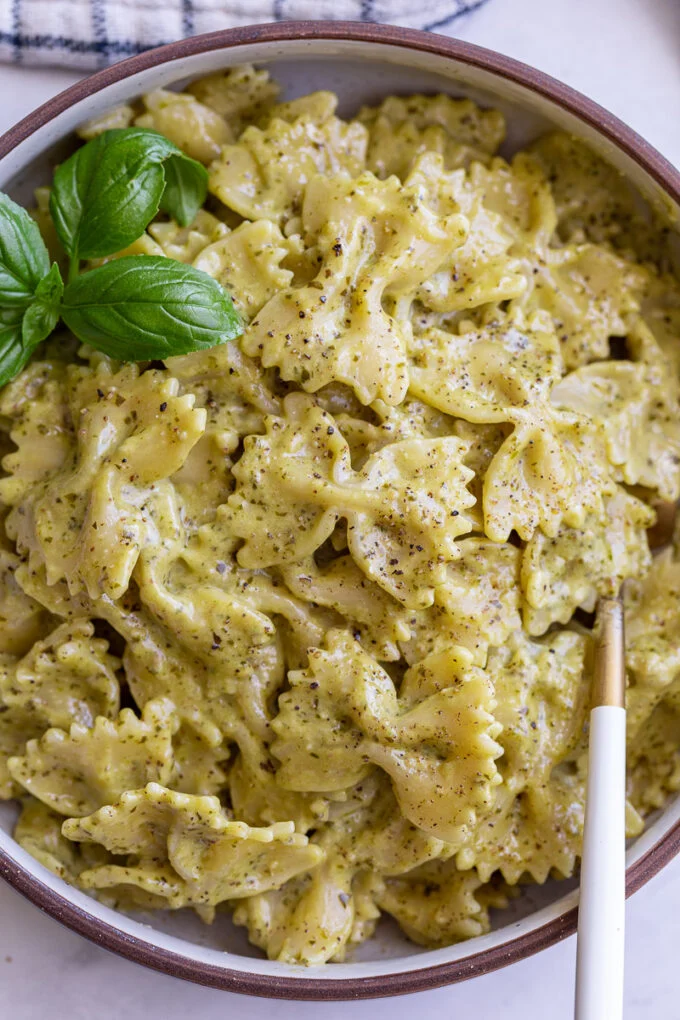
A good pesto sauce is already something worth having in the kitchen. A creamy pesto sauce is the version that makes people ask for the recipe. This Velvety Creamy Basil Pesto Sauce takes the bright, herbaceous character of basil pesto and folds it into a butter and cream base with Parmesan, creating something silky and rich that clings to pasta or protein in a way a standard pesto simply doesn’t.
The whole thing comes together in 15 minutes, which makes it one of the more impressive quick dinners you can pull off on a weeknight. It tastes like something from a restaurant and requires very little beyond a skillet and a handful of pantry staples.
Why You’ll Love This Pesto Sauce with Cream
The technique here is simple but the result feels elevated. Starting with butter and garlic builds a flavor base before the cream ever hits the pan, and whisking in the Parmesan at the end creates a sauce that’s genuinely smooth rather than grainy or separated.
Using store-bought pesto makes this accessible any night of the week without sacrificing quality. A good refrigerated pesto from the grocery store works well here, and if you happen to have homemade on hand it only gets better.
The sauce is also a genuine multi-tasker. Toss it with pasta, spoon it over pan-seared chicken, use it as a base for tortellini, or serve it alongside roasted vegetables. It adapts to whatever you’re working with, which makes it worth keeping in the weeknight rotation. Leftovers reheat easily with a small splash of liquid to loosen things back up.
Ingredients for Velvety Creamy Basil Pesto Sauce
I use a good refrigerated pesto rather than shelf-stable for this sauce. The flavor difference is noticeable, and since the pesto is doing most of the heavy lifting on the herb side, quality matters here.
The Pesto Base:
- 1/2 cup prepared basil pesto, store-bought or homemade
The Creamy Components:
- 1 cup heavy cream (or half-and-half for a lighter result)
- 1/2 cup grated Parmesan cheese
- 1 tablespoon butter
- 2 cloves garlic, minced
Seasoning:
- Salt and black pepper, to taste
- Pinch of red pepper flakes (optional)
On the cream: Heavy cream produces the richest, most stable sauce. Half-and-half is a reasonable lighter substitute, though the sauce will be slightly thinner and less likely to cling as well to pasta. Avoid using milk alone, it doesn’t have enough fat content to create the emulsion you’re after.
On the Parmesan: Freshly grated from a block is the better choice here. Pre-shredded Parmesan often has anti-caking agents that can make a cream sauce slightly gritty rather than smooth. A fine grater or microplane makes the cheese melt into the sauce almost instantly. I keep a wedge specifically for sauces like this one.
On the pesto: The 1/2 cup measurement works for a sauce that’s vibrant but balanced. If you want a more pronounced basil flavor, go up to 3/4 cup. If using a particularly oily or sharp store-bought pesto, start with less and taste as you go.
How to Make Pesto Sauce with Cream
Temperature control is what separates a smooth, glossy pesto cream sauce from one that breaks or goes grainy. The garlic needs gentle heat, the cream needs a slow simmer, and once the pesto and cheese are in, the heat should stay low. In my experience, patience at each stage takes about two extra minutes and makes a significant difference in the final texture.
- Sauté the garlic: Melt the butter in a large skillet over medium heat. Add the minced garlic and cook for about 1 minute, stirring constantly, until fragrant. The garlic should soften and become aromatic without taking on any color. Browned garlic will taste bitter in a delicate cream sauce.
- Build the cream base: Pour in the heavy cream and stir to combine with the butter and garlic. Bring to a gentle simmer, not a boil, and cook for 3 to 5 minutes, stirring occasionally, until the cream has reduced slightly and thickened enough to coat the back of a spoon.
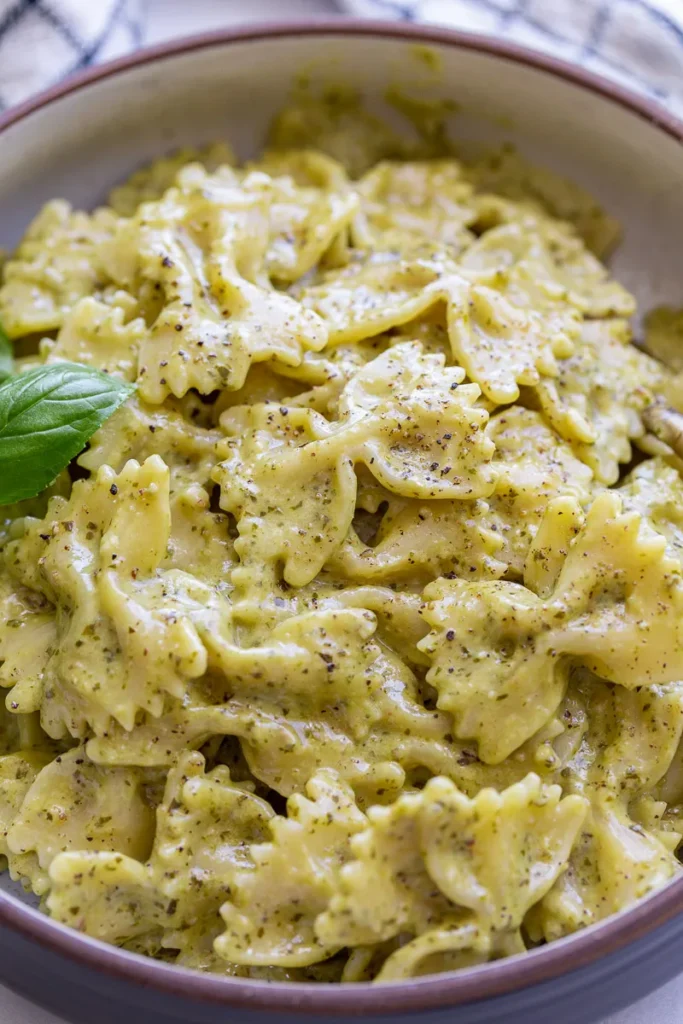
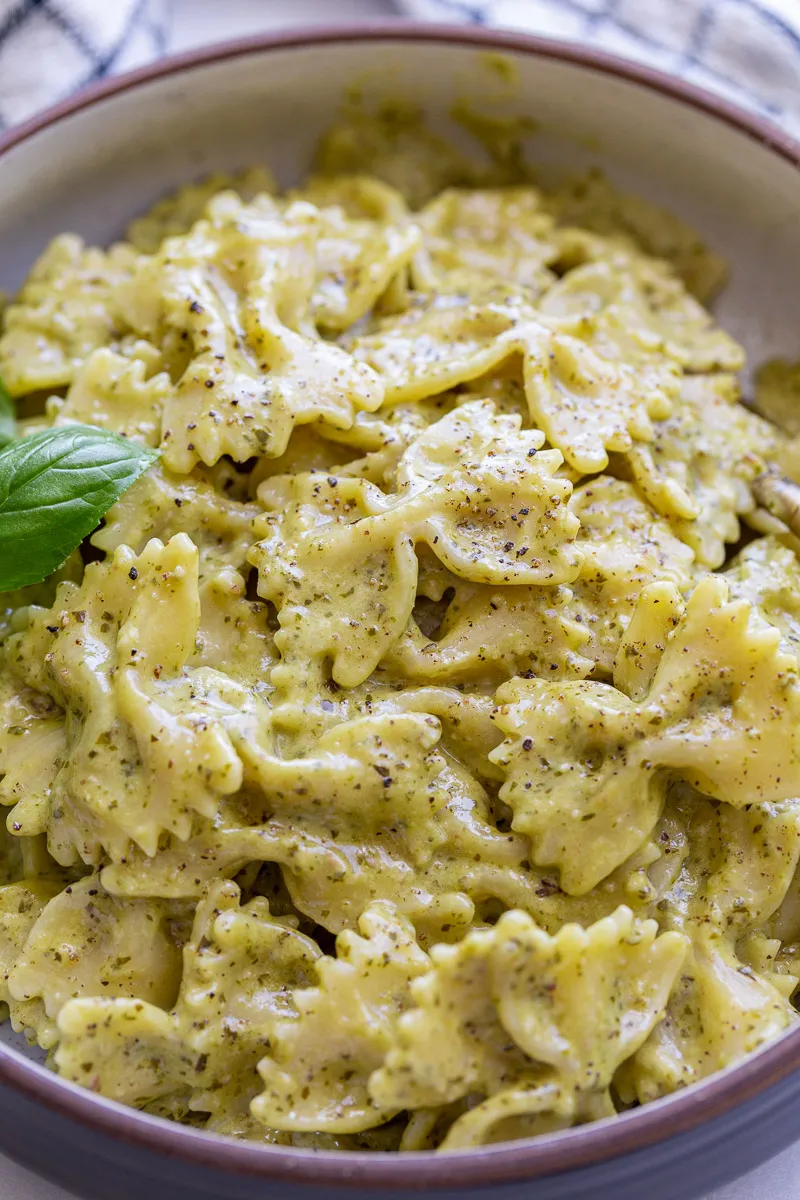
- Add the pesto: Remove the pan from direct high heat or reduce to medium-low. Stir in the pesto until it’s fully incorporated. The sauce will turn a deep, creamy green. Take a moment here to appreciate the color before moving on.
- Whisk in the Parmesan: Add the grated Parmesan in two or three additions, whisking after each addition until fully melted before adding more. This prevents clumping and keeps the sauce smooth.
- Season and adjust: Taste the sauce and add salt, black pepper, and red pepper flakes as needed. Keep in mind that both the pesto and Parmesan bring saltiness, so add carefully and taste as you go.
- Toss and serve: Add cooked pasta directly to the skillet and toss over low heat until everything is well coated. If the sauce feels too thick, add pasta water a tablespoon at a time until it loosens to the right consistency.
Pro tip: Never let the sauce reach a rolling boil after the pesto and cheese are added. High heat causes the oils in the pesto to separate and the cheese to turn grainy. A gentle simmer is all you need to keep everything emulsified and smooth.
Common mistake: Adding all the Parmesan at once. It doesn’t melt as evenly that way and can create lumps. Small additions with whisking between each one takes an extra minute and produces a noticeably smoother result.
What to Serve with Creamy Pesto Sauce
The sauce is versatile enough to work across several different dinner formats, from simple pasta nights to more composed plates.
Pasta: Penne, linguine, and tortellini are all strong choices. Penne and rigatoni hold the sauce in their ridges and tubes, making each bite more satisfying. Cheese tortellini with this sauce is one of those combinations that feels genuinely indulgent with very little extra work.
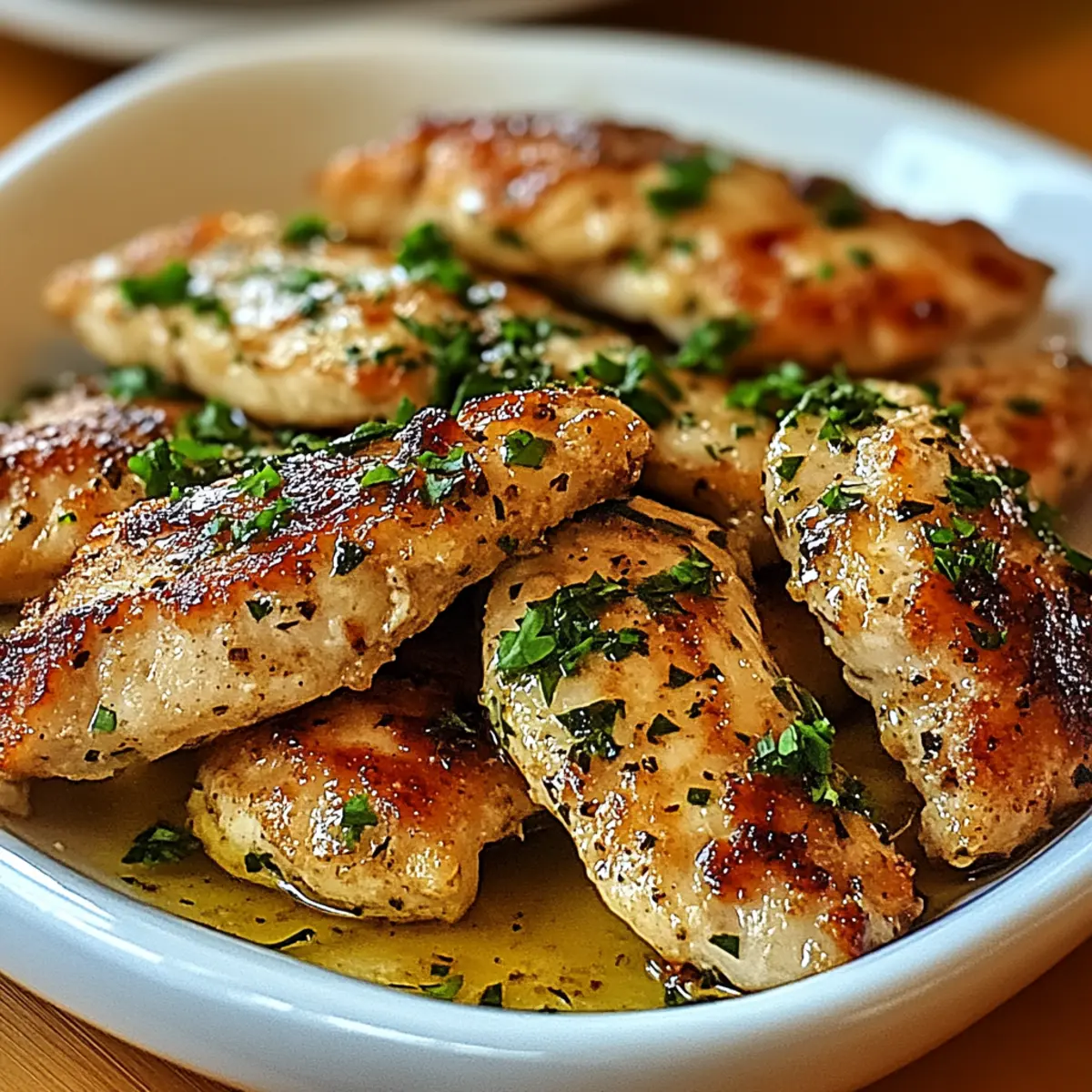
Pan-seared chicken: Spoon the sauce over sliced chicken breasts or thighs for a dinner that feels restaurant-quality. Thin the sauce slightly with a splash of pasta water or chicken broth so it coats the chicken without being too thick.
Shrimp: Toss peeled, cooked shrimp into the sauce during the last minute of cooking. The shrimp warms through quickly and pairs naturally with the basil and Parmesan.
Zucchini noodles: For a lower-carb option, spiralized zucchini tossed with this sauce works well. Add the zucchini to the warm sauce off the heat so it softens slightly without releasing too much water.
Roasted vegetables: Roasted cherry tomatoes or asparagus served alongside or tossed directly into the creamy pesto make for a simple vegetarian dinner that still feels substantial.
Pro Tips & Variations
Add pasta water strategically: Reserve at least 1/2 cup of pasta cooking water before draining. The starch in the water helps the sauce emulsify and cling to the pasta better than plain water would. Add it a tablespoon at a time until you reach the right consistency.
Make it lighter: Half-and-half in place of heavy cream cuts the richness without losing the creamy texture entirely. The sauce will be slightly thinner but still flavorful and satisfying.
Boost the protein: Stir in cooked chicken strips, Italian sausage, or sautéed shrimp during the final toss with the pasta. Each protein works naturally within the basil and Parmesan flavor profile.
Add sun-dried tomatoes: A small handful of chopped oil-packed sun-dried tomatoes stirred in with the pesto adds a tangy, chewy contrast that plays well against the richness of the cream.
Make it dairy-free: Full-fat coconut milk substitutes for heavy cream and nutritional yeast replaces the Parmesan. The flavor shifts noticeably but the texture stays creamy. Use a dairy-free pesto as well to keep it fully plant-based.
Storage & Reheating Tips
Store leftover sauce in an airtight container in the fridge for up to 3 days. The cream and Parmesan will thicken the sauce considerably as it cools, which is normal. It reheats well with a little help.
To reheat, transfer the sauce to a small saucepan over medium-low heat and add a splash of milk, cream, or water, starting with about 2 tablespoons. Stir gently as it warms. The sauce will loosen back up and return to a smooth, pourable consistency within a few minutes. Avoid high heat during reheating, which can cause the cheese to separate.
I find it better to store the sauce separately from any pasta or protein and reheat them independently so nothing overcooks during the process.
Common Questions
Can I make this sauce ahead of time? Yes. The sauce keeps well for up to 3 days in the fridge. Make it ahead and reheat gently with a splash of liquid when ready to serve. It works particularly well for entertaining since you can prepare everything in advance and just warm it through before plating.
My sauce looks separated or oily. What went wrong? This usually happens when the heat gets too high after the pesto and cheese are added. If it happens, remove the pan from heat immediately and whisk in a tablespoon of cold cream or a small splash of pasta water. Gentle whisking off the heat often brings the emulsion back together.
Can I use a different cheese instead of Parmesan? Pecorino Romano works well as a substitute and brings a slightly sharper, saltier flavor. Grana Padano is another solid option with a milder profile. Avoid pre-shredded versions of any of these, as the coating on the shreds prevents smooth melting into the sauce.
This Velvety Creamy Basil Pesto Sauce is the kind of recipe that earns a permanent spot in the weeknight lineup. It’s fast, flexible, and consistently delivers a result that feels far more effort-intensive than it actually is. Give it a try the next time you want dinner to feel a little more special without spending more than 15 minutes at the stove.
Velvety Creamy Basil Pesto Sauce
Ingredients
Equipment
Method
- Melt butter in a large skillet over medium heat. Add minced garlic and cook for 1 minute, stirring constantly, until fragrant and softened but not browned.
- Pour in the heavy cream and bring to a gentle simmer. Cook for 3 to 5 minutes, stirring occasionally, until the cream has reduced slightly and coats the back of a spoon.
- Reduce heat to medium-low. Stir in the basil pesto until fully incorporated. The sauce will turn a deep, creamy green.
- Add the grated Parmesan in two or three additions, whisking after each until fully melted and smooth before adding more.
- Taste and season with salt, black pepper, and red pepper flakes as needed. Remember the pesto and Parmesan already contribute saltiness.
- Add cooked pasta or protein directly to the skillet and toss over low heat until well coated. Add reserved pasta water one tablespoon at a time to adjust consistency if needed. Serve immediately.