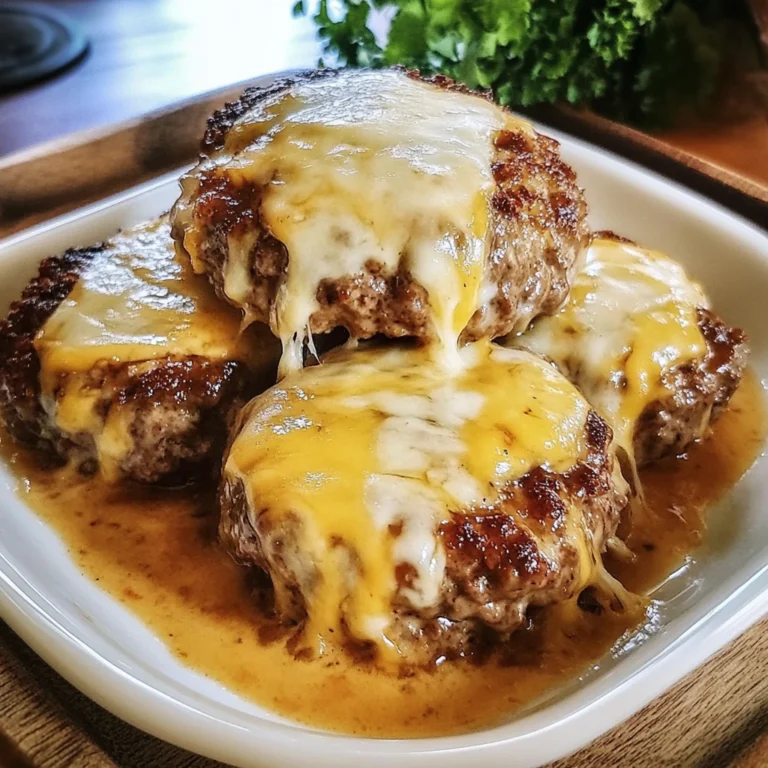
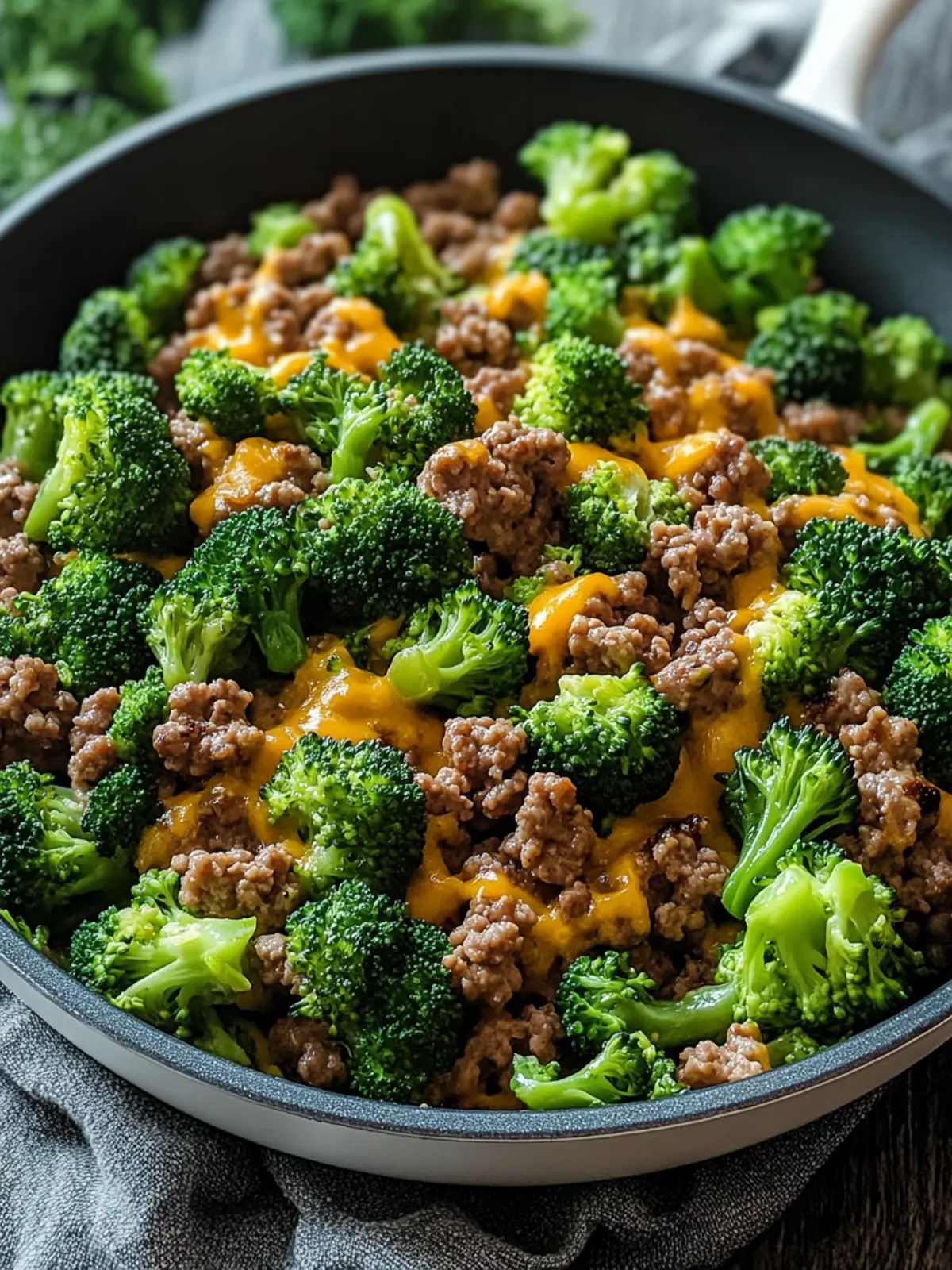
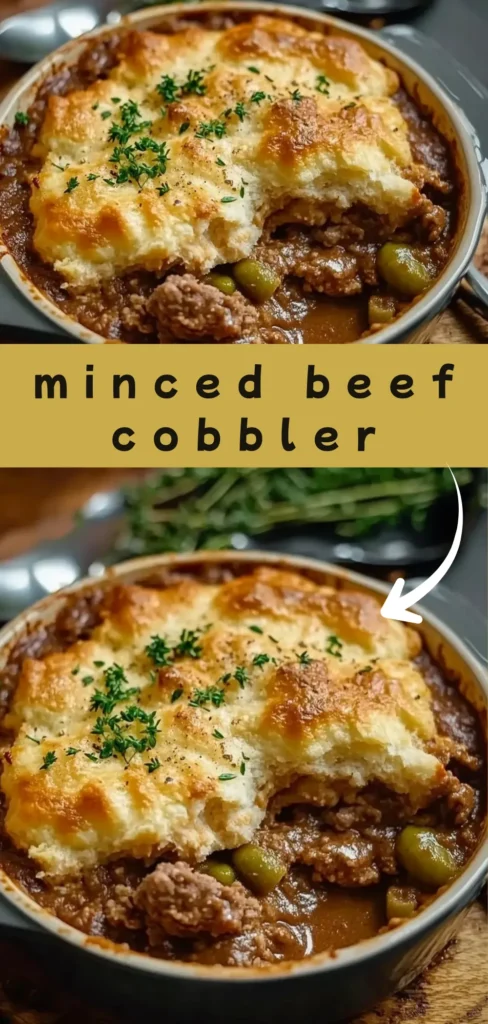
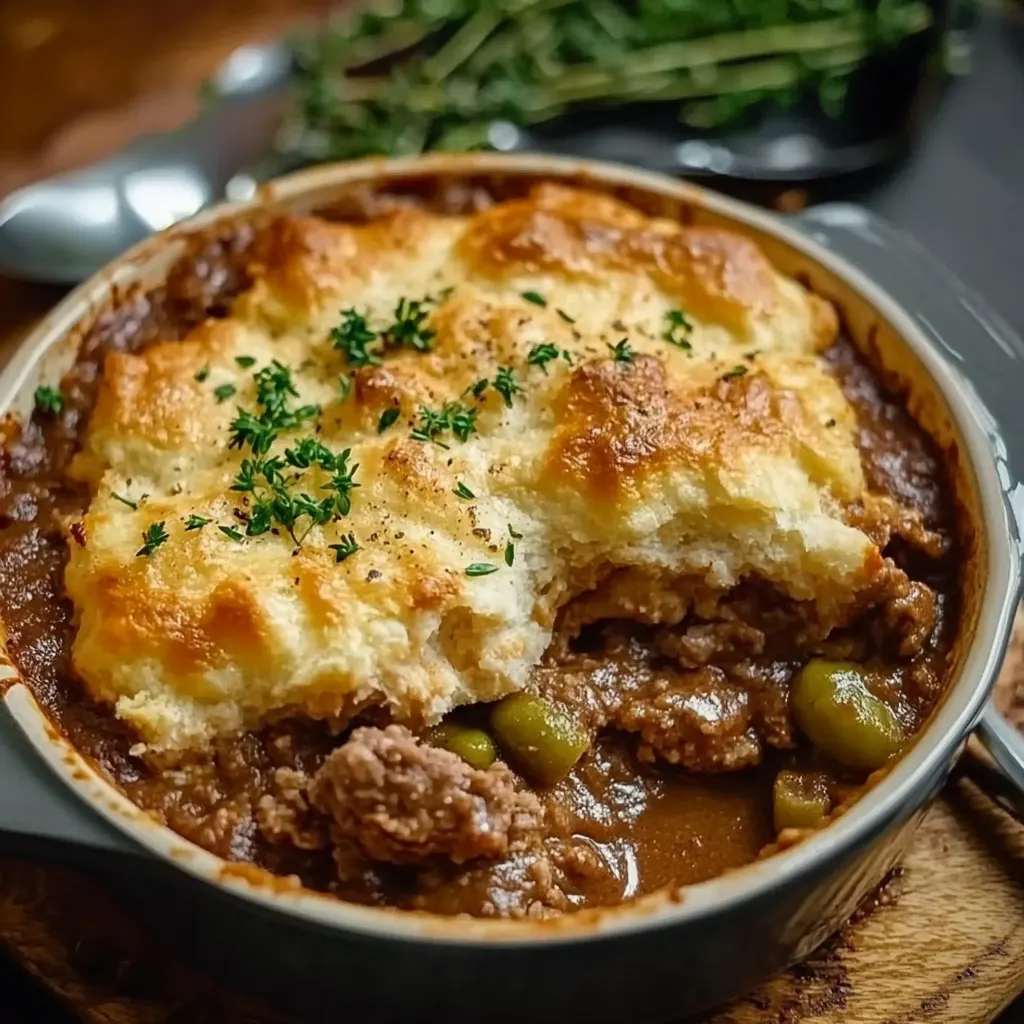
British comfort food has a directness about it that’s hard to argue with. A rich, savory minced beef filling with carrots, mushrooms, and peas in a deep, Worcestershire-spiked gravy, topped with golden, cheese-flecked scone rounds that rise in the oven and absorb the steam from the filling beneath. The minced beef cobbler is the dish that defines old-school British home cooking, and it’s one of the more satisfying dinners a home oven can produce.
The cobbler topping is what makes this recipe worth knowing beyond a standard shepherd’s pie or beef stew. The scone rounds, called cobbles, bake directly over the filling so their undersides absorb the rich beef gravy while their tops rise, crisp, and turn golden under the oven heat. Each one is simultaneously soft on the bottom and golden and slightly crusty on top, with cheddar and fresh herbs built into the dough and extra cheese scattered over before baking.
An hour and ten minutes with a hands-off simmer in the middle. The kind of dinner that earns a quiet table.
Why You’ll Love This Ultimate Minced Beef Cobbler
The gravy built directly in the pan from the browned beef, flour, and beef stock is what makes the filling genuinely satisfying rather than thin and watery. Two tablespoons of plain flour cooked into the browned meat before the stock goes in creates a proper roux that thickens the gravy as it simmers, producing a rich, coating sauce by the time the filling goes into the oven. Worcestershire sauce and tomato paste add the deep, savory backbone that a good British beef gravy needs.
The cobbler dough technique is worth understanding before starting. Rubbing cold butter into self-raising flour with fingertips until the mixture resembles breadcrumbs creates the layered, flaky structure that makes scones light and airy rather than dense. The Greek yogurt or cold milk binds the dough with minimal liquid, which keeps gluten development low. Less gluten means more tender cobbles. This is why the instruction to not overwork the dough is serious rather than a casual suggestion.
The gaps left between the cobble rounds on top of the filling serve a purpose. They allow the filling to bubble up between the scones during baking, which keeps the gravy visible and active and prevents the topping from forming a solid, sealed lid that would steam the scones rather than bake them.
Ingredients for The Ultimate Minced Beef Cobbler
I always use lean ground beef for the cobbler filling rather than an 80/20 blend. The long simmer in the covered pan renders any excess fat from leaner beef adequately, and a high-fat ground beef produces a greasier gravy that doesn’t thicken as cleanly. The vegetables absorb the beef fat during the sauté stage, and a leaner beef produces a cleaner, more cohesive gravy that holds together beautifully once the cobbles go on top.
The Beef Filling:
- 1 lb lean ground beef
- 1 medium onion, finely diced
- 2 large carrots, diced
- 5 oz mushrooms, halved or sliced
- 1 cup frozen peas
- 2 tablespoons plain flour
- 2 cups beef stock
- 2 tablespoons Worcestershire sauce
- 1 tablespoon tomato paste
- 1 teaspoon dried thyme or rosemary
- Salt and black pepper to taste
The Cobbler Topping:
- 1 1/4 cups self-raising flour
- 4 tablespoons cold unsalted butter, cubed
- 1/2 cup shredded cheddar cheese
- 1 teaspoon dried thyme or fresh parsley, chopped
- 4 tablespoons plain Greek yogurt or cold milk
- Cold water as needed
- 1 egg, beaten for glazing
Self-raising flour is the correct choice for the cobbler topping rather than plain flour with added baking powder. The raising agents are already incorporated at the right ratio in self-raising flour, which produces a consistent, predictable rise in the scone rounds. If self-raising flour isn’t available, substitute one and a quarter cups of plain flour combined with one and a half teaspoons of baking powder and a quarter teaspoon of salt. The butter must be cold from the refrigerator when it goes into the flour. Room temperature butter smears into the flour rather than creating the distinct layers of fat that produce a flaky, airy cobble.
How to Make The Ultimate Minced Beef Cobbler
The key to the cobbler topping is working quickly with cold ingredients and stopping the moment the dough just comes together. Overworked scone dough develops too much gluten, which tightens the structure and produces cobbles that are dense and tough rather than light and open-crumbed. Use fingertips rather than palms when rubbing the butter into the flour since palms transfer more heat and soften the butter before the crumb structure is formed. Once the yogurt or milk goes in, stir until just combined, turn the dough onto a floured surface, and handle it as little as possible before stamping out the rounds.
- In a large oven-safe skillet or deep pan over high heat, dry-fry the ground beef and diced onion together, stirring frequently and breaking the meat into small crumbles, until the beef is fully browned and the onion is softened. Drain any excess fat.
- Add the diced carrots and sliced mushrooms to the pan. Cook for 5 minutes, stirring occasionally, until the mushrooms begin to soften and release their moisture.
- Stir in the 2 tablespoons of plain flour and cook for 1 minute, stirring constantly, until the flour coats the meat and vegetables and the raw flour smell has cooked off. Gradually pour in the beef stock in a steady stream, stirring continuously to prevent lumps. Add the Worcestershire sauce, tomato paste, and dried herbs. Stir to combine.
- Bring the mixture to a simmer, then reduce the heat to low. Cover and cook gently for 15 to 20 minutes until the carrots are tender and the gravy has thickened to a coating consistency. Stir in the frozen peas in the final 2 minutes. Taste and adjust salt and pepper. Remove from heat.
- While the filling simmers, preheat the oven to 400°F (200°C).
- In a medium bowl, rub the cold butter cubes into the self-raising flour with your fingertips, working quickly, until the mixture resembles coarse breadcrumbs with some pea-sized butter pieces remaining. Stir in most of the cheese, reserving a small handful for the top, and the herbs. Add the Greek yogurt or cold milk and mix with a fork until the dough just starts to come together. Add cold water one teaspoon at a time only if the dough is still dry. Stop mixing the moment the dough holds together.
- Turn the dough onto a lightly floured surface and pat gently to about half an inch thickness. Stamp out 10 to 12 rounds using a round cutter or the rim of a glass. Do not twist the cutter when stamping since a twisting motion seals the edges and prevents the cobbles from rising fully.
- If the skillet isn’t oven-safe, transfer the beef filling to a suitable baking dish now. Arrange the dough rounds over the filling in a single layer, leaving small gaps between each one.
- Brush the tops of the cobbles generously with beaten egg. Scatter the reserved cheese over the top.
- Bake for 20 to 25 minutes until the cobbles are well risen, deeply golden on top, and the beef filling is actively bubbling up between them.
Pro tip: For the deepest golden color on the cobbles, brush with a second coat of beaten egg halfway through baking. The double egg wash produces a richer, more lacquered finish than a single application.
What to Serve with The Ultimate Minced Beef Cobbler
The rich, savory beef filling and buttery scone topping call for simple, fresh sides that provide contrast without competing.
Steamed broccoli: The most traditional British accompaniment for a beef cobbler and the most practical. A bowl of steamed broccoli with a little butter adds freshness and a green vegetable element to a plate that’s otherwise entirely brown and golden.
Buttered savoy cabbage: Shredded savoy cabbage wilted in butter for three minutes is a classic British side for a beef cobbler that complements the filling without duplicating any flavor already in the dish. It’s quick, inexpensive, and genuinely fitting alongside this dinner.
Horseradish cream: A small dollop of horseradish cream alongside the cobbler on each plate adds a sharp, hot, creamy element that cuts through the richness of the beef gravy in a way that’s deeply traditional and genuinely excellent. Mix creamed horseradish with sour cream and a pinch of salt for a quick version.
Roasted parsnips: Honey-roasted parsnips alongside a British beef cobbler extend the root vegetable theme and add a natural sweetness that complements the savory Worcestershire gravy. They can roast in the same oven at the same temperature during the final bake stage.
Mashed potatoes: A generous side of buttery mashed potatoes for spooning the beef gravy that bubbles up from the filling over the top makes this dinner feel more substantial for larger appetites.
Pickled red cabbage: A spoonful of pickled red cabbage from a jar alongside each bowl provides acidity and crunch that cuts through the richness of the cobbler filling in the same way as horseradish but with a different flavor character. It’s a common British pub accompaniment that works particularly well with beef dishes.
Pro Tips & Variations
Add diced bacon: Two or three rashers of smoked bacon or pancetta lardons cooked in the pan before the ground beef goes in add a smoky, salty layer to the filling that deepens the overall flavor considerably. Render the fat from the bacon first, then brown the beef in the rendered fat.
Vegetarian version: Replace the ground beef with green or brown lentils, cooked through in the filling liquid, and use vegetable stock in place of beef stock. The lentils absorb the Worcestershire sauce and tomato paste and produce a genuinely hearty, textured filling that holds the cobbler topping in the same way as the meat version.
Add diced swede or turnip: A cup of diced swede added with the carrots is the most authentically British vegetable addition for a beef cobbler. It softens at the same rate as the carrots and adds a slightly sweet, earthy note to the filling.
Larger cobbles: Roll the dough to three-quarter inch thickness and stamp out six to eight larger rounds rather than ten to twelve smaller ones for a more dramatic, pub-style presentation. Larger cobbles need 3 to 5 additional minutes in the oven to bake fully through.
Freeze the beef base separately: The beef filling freezes exceptionally well for up to 3 months in an airtight container. Defrost overnight, reheat gently to a simmer, and make the cobbler dough fresh on the day. This produces the best possible topping quality and makes the dish practical for a weeknight dinner with minimal active time.
Storage & Reheating Tips
Leftover minced beef cobbler keeps in an airtight container in the refrigerator for up to 3 days. The cobbles soften slightly overnight as they absorb moisture from the filling, losing some of their exterior crispness but gaining a denser, almost dumpling-like quality that many people prefer on day two. I reheat portions in the oven at 350°F covered with foil for 15 minutes, then uncovered for 5 minutes to restore some surface color to the cobbles. The microwave heats the filling efficiently but softens the cobbles throughout. For freezing, the beef filling freezes well for up to 3 months. The baked cobbles don’t freeze as successfully since the texture deteriorates after thawing, so freezing the filling separately and making fresh cobble dough before serving produces the best result.
Common Questions
My cobbles came out dense and heavy rather than light and fluffy. What went wrong? Overworked dough and warm butter are the two most common causes. Use cold butter straight from the refrigerator and work it into the flour quickly with cool fingertips. Stop mixing the dough the moment it just comes together. Kneading or squeezing the dough develops gluten and tightens the structure, which prevents the cobbles from rising freely during baking. Also check that the self-raising flour is fresh since old raising agents lose potency and produce flat, dense scones.
The cutter twisted when stamping the rounds and the cobbles barely rose. How do I fix this? Press the cutter straight down and lift it straight up without any rotation. Twisting compresses and seals the cut edge of the dough, preventing the cobbles from rising at the sides. If using a glass, press firmly straight down and twist the glass to release the dough rather than the cut, which avoids the problem entirely.
My gravy is too thin even after simmering. How do I thicken it before the cobbles go on top? Remove the lid and increase the heat to medium for 5 minutes to allow the excess liquid to evaporate and the gravy to reduce. Alternatively, mix a teaspoon of cornstarch with a tablespoon of cold water and stir it into the simmering filling, then cook for 2 more minutes. The filling should be thick enough to hold the cobbles on the surface rather than letting them sink into the liquid.
The ultimate minced beef cobbler is a dinner worth making for its own sake rather than for a special occasion. The rich, herb-infused beef gravy, the sweet carrots and peas, and the golden, cheese-flecked cobbles that rise in the oven heat and absorb the filling beneath produce something that earns its reputation as one of the most satisfying dinners British home cooking has ever produced. Make it on a cold evening and serve it straight from the pan with steamed broccoli and a dollop of horseradish cream.
The Ultimate Minced Beef Cobbler
Ingredients
Equipment
Method
- Dry-fry the ground beef and diced onion over high heat, breaking into crumbles, until browned. Drain excess fat.
- Add the carrots and mushrooms. Cook for 5 minutes until the mushrooms soften.
- Stir in the flour and cook for 1 minute. Gradually add the beef stock, stirring continuously. Add Worcestershire sauce, tomato paste, and herbs.
- Bring to a simmer, cover, and cook on low for 15 to 20 minutes until the carrots are tender and the gravy has thickened. Stir in the frozen peas. Taste and adjust seasoning.
- Preheat the oven to 400°F (200°C).
- Rub the cold butter into the self-raising flour with cool fingertips until the mixture resembles coarse breadcrumbs. Stir in most of the cheese and herbs. Add the yogurt or milk and mix until the dough just comes together. Add cold water a teaspoon at a time only if needed.
- Pat the dough to 1/2-inch thickness on a floured surface. Stamp out 10 to 12 rounds without twisting the cutter.
- Transfer the filling to a baking dish if the skillet isn’t oven-safe. Arrange the cobble rounds over the filling with small gaps between each.
- Brush the cobbles with beaten egg and scatter the reserved cheese over the top. Bake for 20 to 25 minutes until the cobbles are well risen and golden and the filling is bubbling.