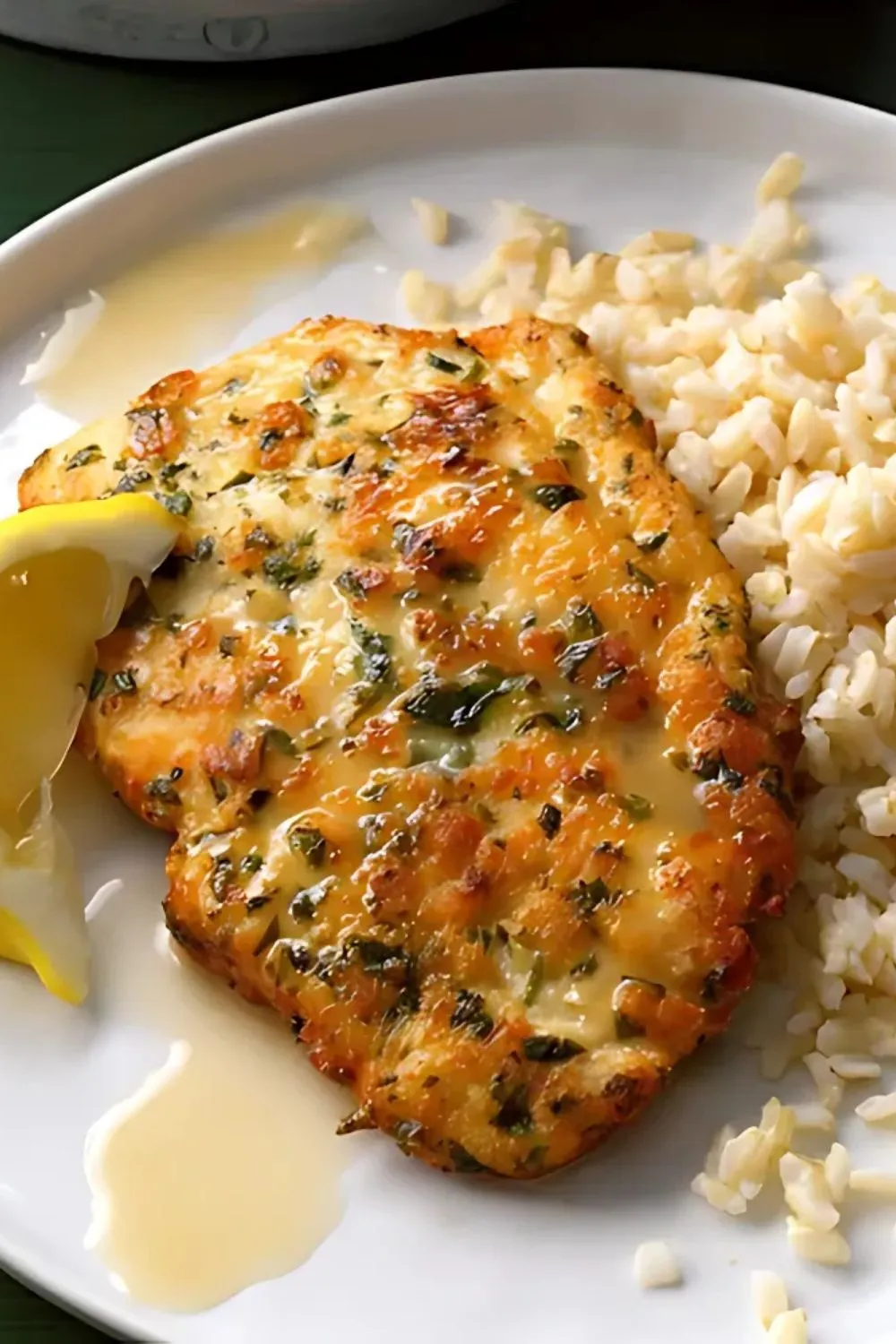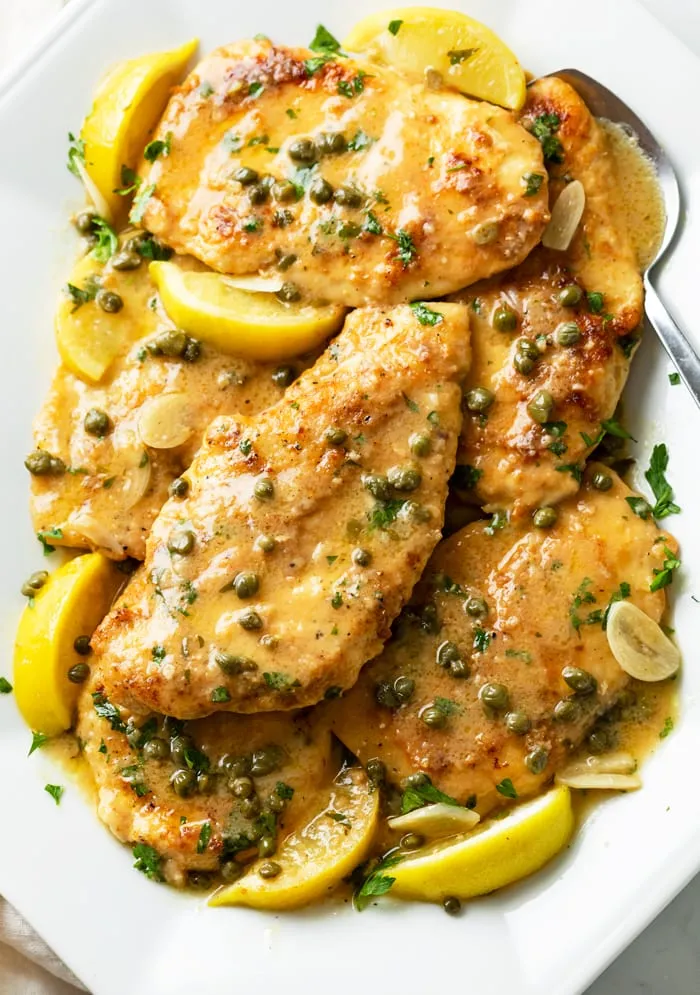
Chicken piccata has earned its place in the weeknight dinner rotation for a good reason. This version features thin, golden-seared cutlets bathed in a silky white wine, lemon, and caper sauce that tastes like something you’d order at a nice Italian restaurant. If you’ve been intimidated by piccata before, this recipe breaks it down into steps that are completely manageable on a weeknight, especially if you have about an hour to work with.
What makes this version stand out is the attention to technique. Pounding the chicken to an even thickness isn’t just about tenderness; it ensures every piece cooks at the same rate, giving you golden crust without dry edges. And the finish, swirling cold butter into the sauce right at the end, takes the whole dish from good to genuinely impressive.
This is the kind of dinner that works for a regular Tuesday but also holds up when you’re feeding guests.
Why You’ll Love This Chicken Piccata
The white wine reduction builds real depth into the sauce, and the capers add a briny contrast that balances the lemon beautifully. A Parmesan and flour dredge gives the chicken a crust with subtle savory flavor that plain flour just doesn’t deliver. The whole thing comes together in one skillet, which means fewer dishes at the end of the night.
The sauce reheats well, so leftovers the next day are genuinely worth looking forward to. It also scales easily if you’re cooking for more than four people. For anyone who wants a dinner that feels special without requiring professional kitchen experience, this one delivers.
Ingredients for The Cozy Cook Chicken Piccata
I always recommend starting with large chicken breasts here rather than pre-sliced cutlets. Slicing and pounding them yourself gives you control over thickness, and that consistency is what makes the sear work properly. For the wine, a dry Chardonnay or Pinot Grigio both work well, and you don’t need anything expensive since the alcohol cooks off.
The Chicken:
- 2 large boneless skinless chicken breasts, sliced into 3 thin pieces each
- 1 teaspoon salt
- ½ teaspoon pepper
- ½ cup all-purpose flour
- ¼ cup finely grated Parmesan cheese
- 1 teaspoon garlic powder
- 3 tablespoons olive oil
- 1 tablespoon salted butter
The Piccata Sauce:
- ½ cup dry white wine (Chardonnay or Pinot Grigio)
- 4 cloves garlic, thinly sliced
- 2 tablespoons capers, drained
- 1 cup chicken broth
- 2 tablespoons fresh lemon juice
- 2 tablespoons cold salted butter (added at the very end)
- ¼ cup fresh parsley, chopped
Use freshly squeezed lemon juice here, not bottled. The difference in brightness and aroma is significant enough that it genuinely affects the final dish. For the butter at the end, it needs to be cold straight from the fridge. Room temperature butter won’t emulsify into the sauce the same way and you’ll lose that velvety finish. If you’d prefer to skip the wine, an equal amount of chicken broth works as a substitute, though the sauce will be a bit less complex.
How to Make The Cozy Cook Chicken Piccata
The key is working in stages and not rushing the sauce. I find that taking the time to properly reduce the wine before adding the broth is what separates a thin, acidic sauce from one that has real body and flavor.
- Prep the chicken. Slice each breast horizontally into three cutlets. Place them between sheets of plastic wrap and pound each one to about ¼-inch thickness using a meat mallet or the bottom of a heavy pan. This step is essential for even cooking.
- Dredge. Combine the flour, Parmesan, garlic powder, salt, and pepper on a large plate. Pat the chicken dry with paper towels, then press each cutlet into the flour mixture on both sides. Tap off the excess so you have a thin, even coating.
- Sear in batches. Heat the olive oil and 1 tablespoon of butter in a large skillet over medium-high heat until the butter is foamy. Add the chicken in a single layer, working in batches if needed. Sear for 3 to 4 minutes per side until deep golden brown. Avoid moving the pieces around, the crust needs contact time to form. Set the chicken aside on a plate.
- Deglaze. Wipe the pan lightly, leaving any brown bits stuck to the bottom. Add the white wine and sliced garlic. Simmer over medium heat for 4 to 5 minutes, stirring occasionally, until the wine has reduced by roughly half. You should smell the alcohol cook off and the liquid will look slightly syrupy.
- Build the sauce. Add the capers, chicken broth, and lemon juice. Stir to combine and bring the liquid back to a simmer.
- Finish the chicken. Return the chicken to the pan along with any juices that collected on the plate. Spoon the sauce over the cutlets, partially cover the pan, and cook for 3 to 5 minutes until the sauce has thickened slightly and the chicken is cooked through to 165°F internally.
- Monter au beurre. Reduce the heat to low. Add the 2 tablespoons of cold butter and swirl the pan gently as it melts, stirring it into the sauce until fully incorporated. This French technique, called monter au beurre, creates that glossy, restaurant-quality finish. Don’t let the sauce boil after this point or the emulsion will break.
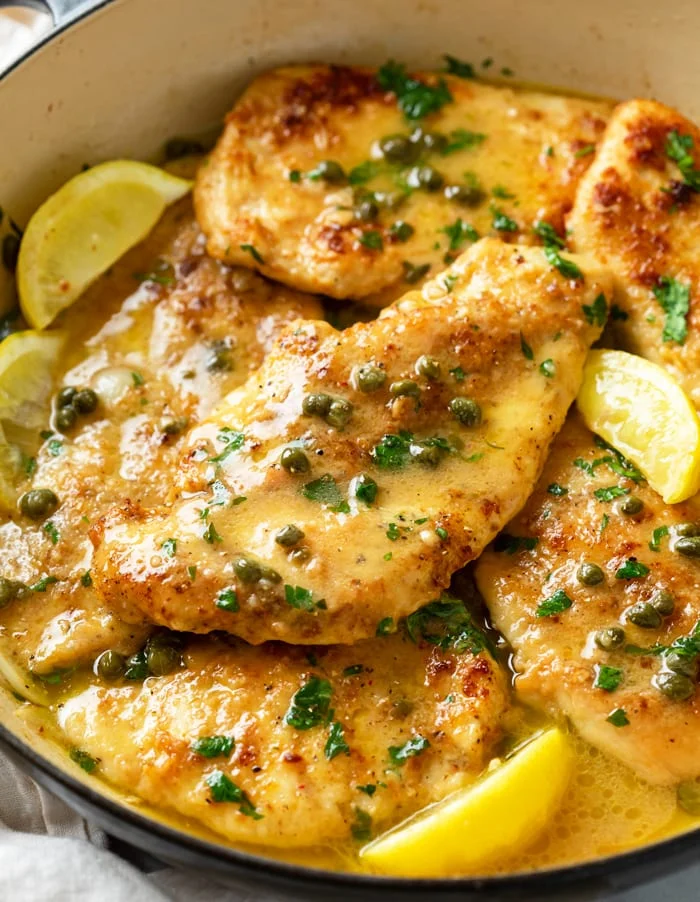
- Serve. Scatter fresh parsley over the top and bring the skillet to the table. Serve immediately over pasta or mashed potatoes.
Pro tip: Don’t crowd the pan when searing. Overcrowding drops the pan temperature and causes the chicken to steam rather than brown. Two rounds of searing beats one crowded pan every time.
What to Serve with Chicken Piccata
Building a complete dinner around chicken piccata means pairing something that can soak up the sauce, since that’s honestly the best part of the dish.
Buttered noodles or pasta: A simple angel hair or linguine tossed with olive oil and a pinch of salt is the classic choice. The pasta catches every bit of the lemon-caper sauce and keeps the whole plate cohesive.
Mashed potatoes: Creamy mashed potatoes pair well with the acidity in the sauce. The richness of the potatoes balances the brightness of the lemon without competing with it.
Roasted asparagus: Asparagus roasted at 400°F with olive oil and salt takes about 12 minutes and goes alongside almost effortlessly. The slightly charred edges work nicely with the savory sauce.
Steamed green beans or broccolini: Both options keep the plate light and add a fresh green element. A squeeze of lemon over either one ties back to the piccata flavors.
Crusty bread: Good bread alongside this dish is never a mistake. It’s there for the sauce.
Pro Tips & Variations
Make it ahead: The sauce can be made up to a day in advance and stored separately from the chicken. Reheat the sauce gently before adding freshly cooked chicken. Adding the cold butter finish right before serving gives the best texture.
Go gluten-free: Swap the all-purpose flour for a gluten-free 1:1 baking flour. The dredge behaves similarly and you won’t notice a difference in the final crust.
Adjust the acidity: If the sauce tastes too sharp, an extra tablespoon of cold butter at the end smooths it out considerably. Go easy on the lemon if you prefer a more mellow flavor profile.
Herb swap: Fresh thyme or tarragon can replace some or all of the parsley for a slightly different aromatic character. Both work well with lemon and capers.
Lighter version: The Parmesan dredge can be reduced by half if you want a thinner crust. The coating will be lighter but the sear still develops nicely with the remaining flour.
Storage & Reheating Tips
Store leftovers in an airtight container in the refrigerator for up to 3 days. I keep the chicken and sauce together rather than separating them; the chicken stays more moist that way. For longer storage, freeze in portions for up to 3 months. Thaw overnight in the refrigerator before reheating.
To reheat, warm gently in a skillet over low heat with a splash of chicken broth to loosen the sauce. Avoid high heat, which can cause the butter emulsion to separate and make the sauce greasy. The microwave works in a pinch but the stovetop method keeps the texture much closer to the original.
Common Questions
Can I use chicken thighs instead of breasts? Boneless skinless chicken thighs work well here. They’re a bit more forgiving if slightly overcooked and have a richer flavor. Pound them to an even thickness just as you would the breasts and adjust the cook time slightly since they may take an extra minute or two.
What if I don’t have white wine? Substitute an equal amount of chicken broth. The sauce will be less acidic and a bit lighter in flavor, but it still works. A teaspoon of white wine vinegar added with the broth can bring back some of that sharp, tangy quality the wine provides.
My sauce isn’t thickening. What went wrong? The most common reason is that the wine didn’t reduce long enough before the broth was added. If the sauce is too thin at the end, remove the chicken and let the sauce simmer uncovered for a few extra minutes before doing the butter finish. Make sure the heat is fully lowered before adding the cold butter.
Chicken piccata is one of those dinners that delivers well above what the effort suggests. The technique is approachable, the ingredients are straightforward, and the result is a plate that genuinely satisfies. Give this one a spot in your regular rotation and it’ll be hard to take off.
The Cozy Cook Chicken Piccata
Ingredients
Equipment
Method
- Slice each chicken breast horizontally into 3 thin cutlets. Place between plastic wrap and pound each to a uniform 1/4-inch thickness using a meat mallet.
- Combine flour, Parmesan, garlic powder, salt, and pepper on a large plate. Pat chicken dry, then coat each cutlet in the flour mixture on both sides. Tap off any excess.
- Heat olive oil and 1 tablespoon butter in a large skillet over medium-high heat. Sear chicken in batches for 3 to 4 minutes per side until golden brown. Do not crowd the pan. Set aside on a plate.
- Wipe the pan lightly, leaving some brown bits. Add white wine and sliced garlic. Simmer over medium heat for 4 to 5 minutes until the wine has reduced by about half.
- Add capers, chicken broth, and lemon juice to the skillet. Stir to combine and bring to a simmer.
- Return chicken and any accumulated plate juices to the pan. Spoon sauce over the cutlets, partially cover, and cook for 3 to 5 minutes until the sauce thickens slightly and chicken reaches 165°F internally.
- Reduce heat to low. Add 2 tablespoons of cold butter and swirl gently into the sauce until fully melted and incorporated. Do not let the sauce boil after this step.
- Garnish with fresh parsley and serve immediately over pasta or mashed potatoes.