Deconstructing Deliciousness: The Science Behind the Skillet
The magic of the Texas Roadhouse Butter Chicken Skillet lies in a trifecta of flavor-building principles: Maillard reaction, emulsification, and flavor layering. The Maillard reaction, that glorious browning that occurs when amino acids and reducing sugars are heated, is crucial for developing depth and complexity in the chicken. This isn’t just about color; it’s about hundreds of flavor compounds being created. Emulsification, the process of combining oil and water-based liquids (like butter and the tomato-based sauce), is vital for creating a smooth, velvety texture that clings to the chicken and vegetables. A broken sauce will taste oily and separate, so proper technique is key. Finally, flavor layering is the deliberate addition of ingredients at different stages to build complexity. Think starting with aromatics like garlic and ginger, then adding spices, tomatoes, and finishing with cream and fresh herbs. Each layer contributes to the overall symphony of flavors. Understanding these principles transforms cooking from a simple act of following instructions to a mindful creation of deliciousness. Similar to techniques in a Hot Honey Feta Chicken recipe, layering flavors is crucial for success.The Roadhouse Revelation: Butter Chicken Skillet Recipe
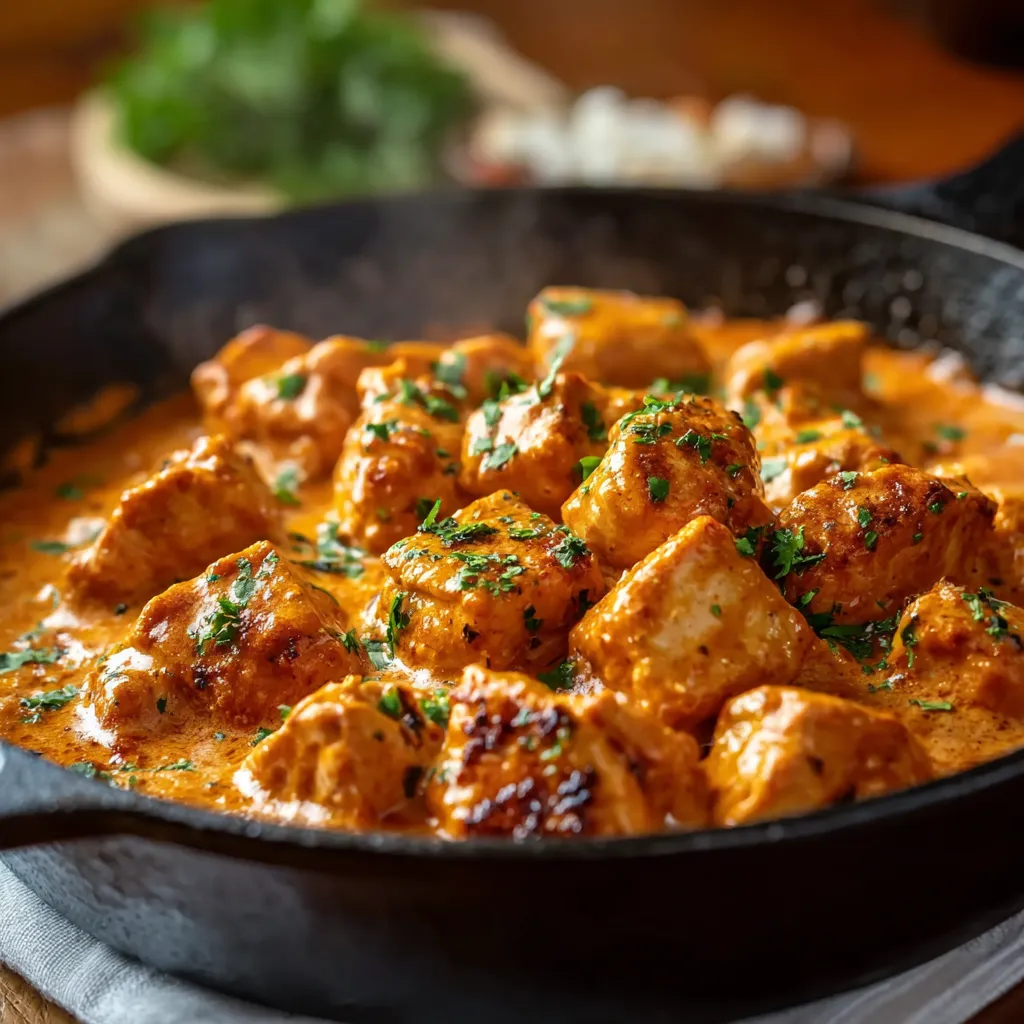
Ingredients:
- Chicken: 1.5 lbs boneless, skinless chicken breasts, cut into 1-inch cubes
- Butter: 6 tbsp unsalted butter, divided
- Onion: 1 medium yellow onion, finely chopped
- Garlic: 4 cloves garlic, minced
- Ginger: 1 tbsp fresh ginger, grated
- Tomato Paste: 2 tbsp
- Diced Tomatoes: 1 (14.5 oz) can, undrained
- Heavy Cream: 1/2 cup
- Chicken Broth: 1/4 cup
- Spices:
- 2 tsp garam masala
- 1 tsp turmeric powder
- 1 tsp cumin powder
- 1/2 tsp chili powder (or more, to taste)
- 1/4 tsp cayenne pepper (optional)
- Salt and black pepper to taste
- Green Bell Pepper: 1 medium, chopped
- Red Bell Pepper: 1 medium, chopped
- Fresh Cilantro: 1/4 cup, chopped (for garnish)
- Cooked Rice: For serving
Instructions:
- Prepare the Chicken: In a bowl, season the chicken cubes generously with salt, black pepper, turmeric powder, and half of the garam masala.
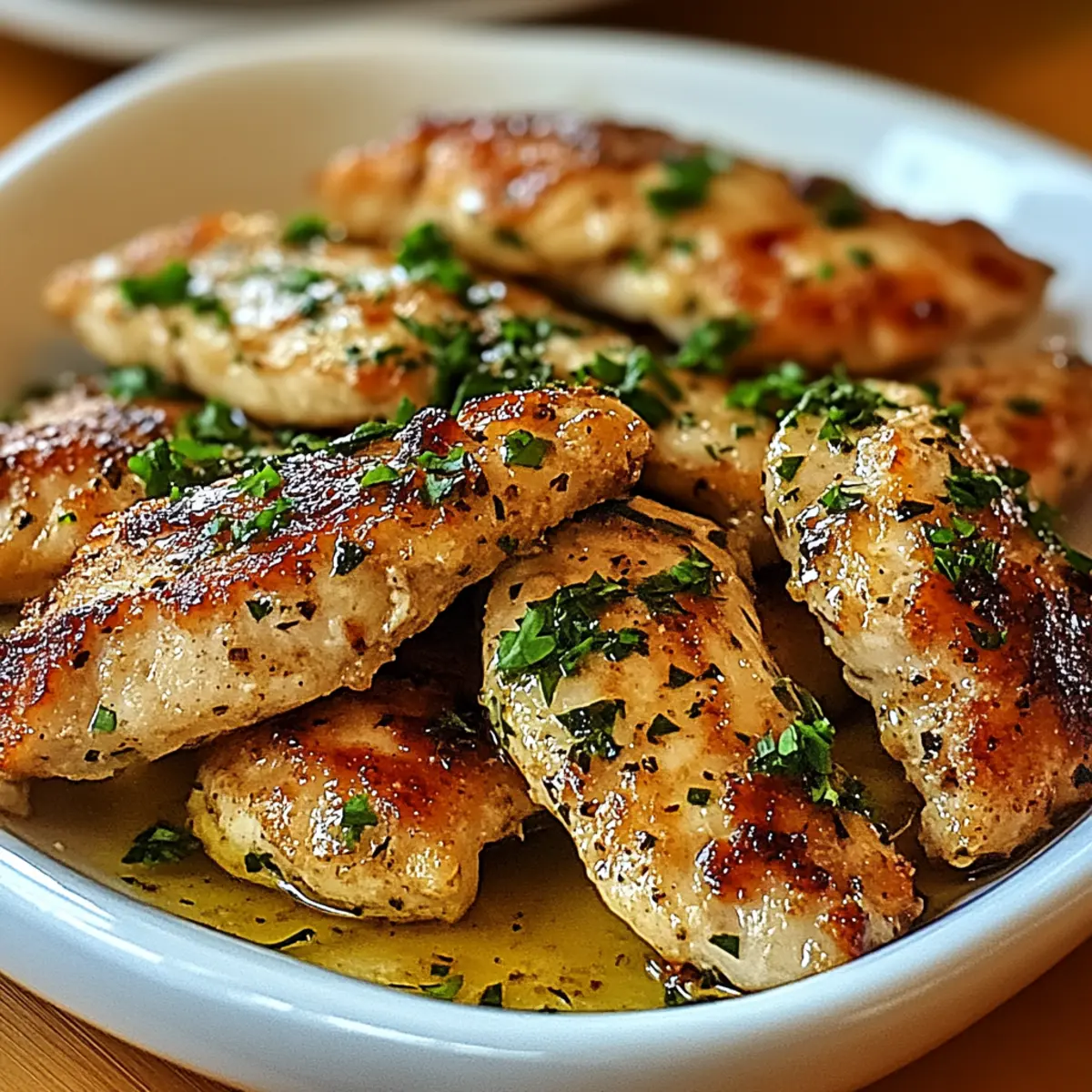
- Sear the Chicken: Heat 2 tablespoons of butter in a large skillet over medium-high heat. Add the seasoned chicken and sear on all sides until lightly browned, about 5-7 minutes. Remove the chicken from the skillet and set aside. Don’t overcrowd the pan; work in batches if necessary.
- Sauté Aromatics: Add the remaining 4 tablespoons of butter to the skillet. Once melted, add the chopped onion and cook until softened, about 5 minutes. Add the minced garlic and grated ginger and cook for another minute until fragrant.
- Build the Sauce: Stir in the tomato paste and cook for 2 minutes, stirring constantly to prevent burning. This step is crucial for deepening the flavor of the sauce. Add the diced tomatoes (with their juices), chicken broth, remaining garam masala, cumin powder, chili powder, and cayenne pepper (if using). Season with salt and pepper to taste.
- Simmer and Thicken: Bring the sauce to a simmer, then reduce the heat to low and cook for 10-15 minutes, or until the sauce has thickened slightly. Stir occasionally.
- Add Peppers and Chicken: Add the chopped green and red bell peppers to the sauce and cook for another 5 minutes, or until the peppers are tender-crisp. Return the seared chicken to the skillet and stir to coat it in the sauce.
- Finish with Cream: Pour in the heavy cream and stir to combine. Simmer for another 2-3 minutes, allowing the sauce to thicken further and the flavors to meld.
- Garnish and Serve: Garnish with fresh cilantro and serve hot over cooked rice.
My Skillet Saga: A Culinary Investigation
The Initial Stumbles: A Butter(less) Disaster
My first few attempts were a disaster. Like many of you, I initially thought “butter chicken” meant just throwing a bunch of butter into a tomato sauce with some chicken. The result? A greasy, unbalanced mess. The flavors were muddled, the texture was off, and it lacked that signature Texas Roadhouse “oomph.” I even tried using pre-made butter chicken sauce from a jar, but that just amplified the artificial flavors and didn’t come close to the real thing. I was so frustrated, I almost scrapped the whole project and made Ground Turkey And Zucchini Skillet instead.The “Aha!” Moment: Flavor Layering and the Maillard Reaction
Then, I had an “Aha!” moment. I realized I was neglecting the fundamental principles of flavor layering and the Maillard reaction. I started experimenting with searing the chicken first to develop that rich, browned flavor. This made a HUGE difference. Next, I focused on building the sauce in stages, starting with sautéing the aromatics (onion, garlic, ginger) in butter to create a flavorful base, then blooming the spices in the tomato paste to release their essential oils.The Emulsification Revelation: Butter and Cream Harmony
The texture was still a challenge. The sauce was often too thin or too oily. The key, I discovered, was patience and gradual emulsification. By adding the heavy cream slowly and stirring constantly, I was able to create a smooth, velvety sauce that clung beautifully to the chicken and vegetables. Using a good quality butter also made a difference; cheap butter often contains more water, which can hinder emulsification. This is also important to note when making Garlic Butter Chicken And Veggies.The Spice is Right: Garam Masala and Beyond
Finally, the spice blend. I experimented with different ratios of garam masala, turmeric, cumin, chili powder, and cayenne pepper until I found the perfect balance of warmth, earthiness, and a touch of heat. I also learned that using fresh, high-quality spices makes a world of difference. Stale spices lose their potency and can result in a bland, underwhelming dish. The correct spice blend also prevents it from tasting too similar to Stick Of Butter Chicken Rice.The Roadhouse Remastered: Victory Achieved
After numerous iterations, I finally cracked the code. The resulting Texas Roadhouse Butter Chicken Skillet was a symphony of flavors and textures: tender, juicy chicken, a rich, creamy, and slightly spicy sauce, and a vibrant medley of vegetables. It was a far cry from my initial greasy disaster, and it was worth every bit of effort.The Technique: Your Foolproof Path to Skillet Success
Here’s a summary of the foolproof method, incorporating all the lessons I learned along the way:- Sear the Chicken: Don’t skip this step! Searing the chicken is crucial for developing that deep, browned flavor.
- Build the Sauce in Layers: Sauté the aromatics in butter, then bloom the spices in tomato paste. This will create a complex and flavorful base for the sauce.
- Simmer and Thicken: Allow the sauce to simmer and thicken before adding the chicken and vegetables. This will allow the flavors to meld and deepen.
- Emulsify Carefully: Add the heavy cream slowly and stir constantly to create a smooth, velvety sauce.
- Taste and Adjust: Taste the sauce frequently and adjust the seasonings as needed. Don’t be afraid to add more garam masala, chili powder, or salt and pepper to taste.
- Garnish Generously: Fresh cilantro adds a bright, fresh note that complements the richness of the sauce.
What are the three key principles that make the Texas Roadhouse Butter Chicken Skillet so flavorful?
The three key principles are the Maillard reaction (browning the chicken), emulsification (combining the butter and tomato-based sauce), and flavor layering (adding ingredients at different stages).
Why is it important to sear the chicken before adding it to the sauce?
Searing the chicken is crucial for developing a deep, browned flavor due to the Maillard reaction, which significantly enhances the overall taste of the dish.
How do you ensure the butter chicken sauce has a smooth and velvety texture instead of being oily and separated?
Achieving a smooth and velvety texture requires careful emulsification. Add the heavy cream slowly and stir constantly to properly combine the oil and water-based liquids. Using good quality butter also helps.
What should you do if your spices are stale and the dish tastes bland?
Using fresh, high-quality spices is essential. Stale spices lose their potency, leading to a bland dish. Replace stale spices with fresh ones to enhance the flavor.
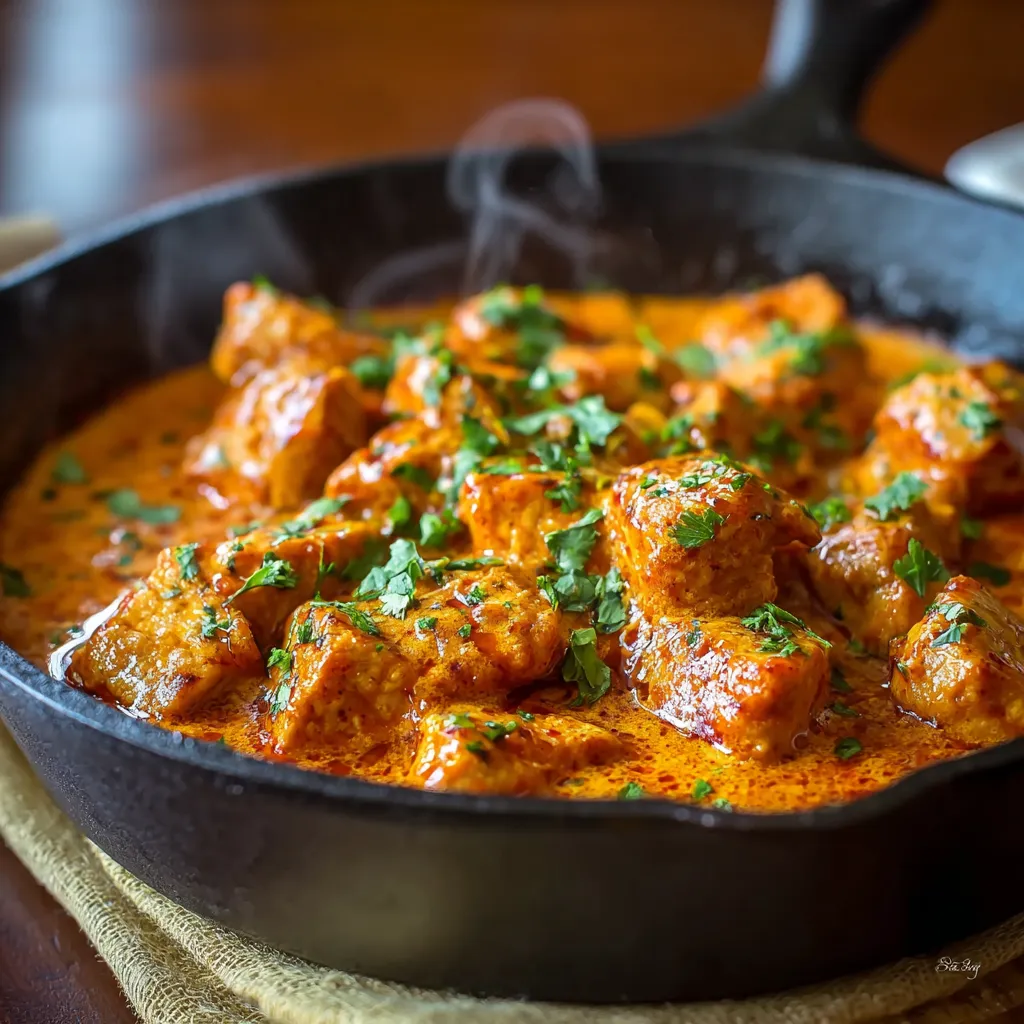
Texas Roadhouse Butter Chicken Skillet (Easy)
This recipe recreates the popular Texas Roadhouse Butter Chicken Skillet at home. It features tender chicken in a rich, creamy, and slightly spicy tomato-based sauce, served with a vibrant medley of bell peppers over rice.
Ingredients
Equipment
Method
- In a bowl, season the chicken cubes generously with salt, black pepper, turmeric powder, and half of the garam masala.
- Heat 2 tablespoons of butter in a large skillet over medium-high heat. Add the seasoned chicken and sear on all sides until lightly browned, about 5-7 minutes. Remove the chicken from the skillet and set aside. Don’t overcrowd the pan; work in batches if necessary.
- Add the remaining 4 tablespoons of butter to the skillet. Once melted, add the chopped onion and cook until softened, about 5 minutes. Add the minced garlic and grated ginger and cook for another minute until fragrant.
- Stir in the tomato paste and cook for 2 minutes, stirring constantly to prevent burning. This step is crucial for deepening the flavor of the sauce.
- Add the diced tomatoes (with their juices), chicken broth, remaining garam masala, cumin powder, chili powder, and cayenne pepper (if using). Season with salt and pepper to taste.
- Bring the sauce to a simmer, then reduce the heat to low and cook for 10-15 minutes, or until the sauce has thickened slightly. Stir occasionally.
- Add the chopped green and red bell peppers to the sauce and cook for another 5 minutes, or until the peppers are tender-crisp.
- Return the seared chicken to the skillet and stir to coat it in the sauce.
- Pour in the heavy cream and stir to combine. Simmer for another 2-3 minutes, allowing the sauce to thicken further and the flavors to meld.
- Garnish with fresh cilantro and serve hot over cooked rice.
Notes
For a richer flavor, use high-quality butter. Adjust the amount of chili powder and cayenne pepper to your preferred level of spiciness. Store leftovers in an airtight container in the refrigerator for up to 3 days. Reheat gently on the stovetop or in the microwave.