The Umami Equation: Unlocking Korean Beef Flavor
The magic of Korean beef lies in its intricate balance of sweet, savory, and umami flavors. Key players in this flavor symphony are soy sauce (the savory backbone), brown sugar (the sweet counterbalance), garlic and ginger (aromatic depth), sesame oil (nutty richness), and gochujang (fermented chili paste for that signature Korean kick). The slow cooker environment, however, presents a unique challenge. Prolonged heat can sometimes mute delicate flavors, and the excess moisture can dilute the sauce, leading to a bland and watery result. Understanding how these ingredients interact under low and slow conditions is crucial. For example, gochujang, with its complex fermentation process, intensifies its flavor over time, so using too much initially can lead to an overly spicy and pungent dish. The beef itself also plays a role; tougher cuts with more connective tissue, like chuck roast, benefit immensely from the long cooking time, breaking down into incredibly tender strands. Leaner cuts, on the other hand, can become dry and stringy. It’s all about selecting the right ingredients and understanding their behavior within the confines of the slow cooker. The Maillard reaction, responsible for browning and deep flavor development, is limited in a slow cooker due to the lower temperatures, so we need to compensate with strategic searing and flavor layering. Think of it like building a flavor pyramid, starting with a solid base and gradually adding layers of complexity.The Holy Grail Recipe: Slow Cooker Korean Beef Noodles
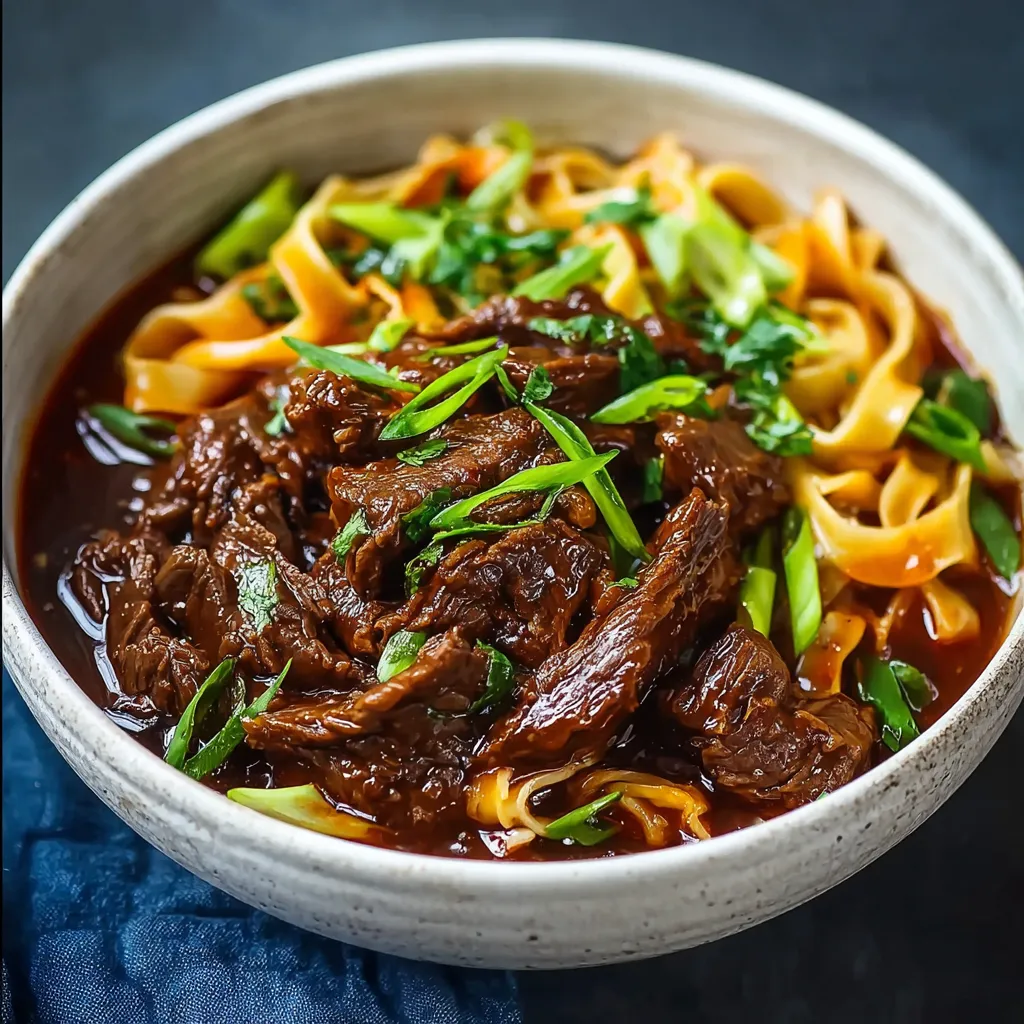 Here’s the recipe that emerged from my culinary quest, designed to deliver authentic Korean beef flavor and perfectly cooked noodles, all with minimal effort.
Ingredients:
- For the Beef:
- 2-3 lbs Chuck Roast, trimmed of excess fat
- 1 tbsp Olive Oil
- 1 medium Yellow Onion, chopped
- 4 cloves Garlic, minced
- 1 inch Ginger, grated
- 1/2 cup Soy Sauce
- 1/4 cup Brown Sugar, packed
- 2 tbsp Gochujang (Korean Chili Paste)
- 1 tbsp Sesame Oil
- 1/4 cup Rice Vinegar
- 1 cup Beef Broth
- 1 tbsp Cornstarch
- 2 tbsp Cold Water
- For the Noodles:
- 1 lb fresh Asian Noodles (like Udon or Chow Mein)
- For Garnish:
- Sesame Seeds
- Sliced Green Onions
- Sriracha (optional)
Instructions:
- Sear the Beef: Heat olive oil in a large skillet over medium-high heat. Sear the chuck roast on all sides until nicely browned. This step is crucial for developing flavor.
- Slow Cook the Beef: Place chopped onion, minced garlic, and grated ginger in the bottom of your slow cooker. Place the seared beef on top of the vegetables.
- Make the Sauce: In a bowl, whisk together soy sauce, brown sugar, gochujang, sesame oil, rice vinegar, and beef broth. Pour the sauce over the beef.
- Cook: Cover and cook on low for 6-8 hours, or on high for 3-4 hours, or until the beef is very tender and easily shreds with a fork.
- Shred the Beef: Remove the beef from the slow cooker and shred it using two forks.
- Thicken the Sauce: In a small bowl, whisk together cornstarch and cold water to create a slurry. Pour the slurry into the slow cooker and stir to combine. Cook on high for 15-20 minutes, or until the sauce has thickened.
- Add the Beef Back: Return the shredded beef to the slow cooker and stir to coat it in the sauce.
- Cook the Noodles: While the sauce is thickening, cook the noodles according to package directions. Drain well.
- Combine and Serve: Add the cooked noodles to the slow cooker and toss to coat them in the beef and sauce. Alternatively, serve the beef and sauce over a bed of noodles.
- Garnish: Garnish with sesame seeds, sliced green onions, and sriracha (if desired).
The Investigation: My Slow Cooker Korean Beef Odyssey
My first few attempts were a disaster, truth be told. Like many of you, I initially thought I could just throw everything into the slow cooker and walk away. The result? Bland, watery beef with noodles that were either mushy or undercooked. The sauce lacked depth, and the beef tasted…well, boring.The Soggy Noodle Nemesis
My biggest hurdle was the noodles. Adding them directly to the slow cooker resulted in a gummy, overcooked mess. Pre-cooking them and then adding them at the end helped, but they still absorbed too much liquid and lost their texture. Then, I had an “Aha!” moment: keeping the noodles separate until serving was the key. Cooking them separately and adding them right before serving maintained their perfect al dente bite.The Flavor Fiasco
Next, the flavor. The initial sauce was weak and lacked the complex umami I craved. I experimented with different ratios of soy sauce, brown sugar, and gochujang. Increasing the gochujang helped, but it also made the dish too spicy. The solution? Adding a touch of rice vinegar to brighten the flavors and balance the sweetness and spice. Searing the beef before slow cooking made a HUGE difference. It developed a beautiful crust and added a depth of flavor that was sorely missing. I considered adding some Stovetop Creamy Ground Beef Pasta Dinner style elements, but ultimately decided to remain more true to the original style.The Beef Battle: Chuck vs. Round
The type of beef also proved crucial. I initially tried using a leaner cut, like round steak, thinking it would be healthier. Big mistake. The beef ended up dry and stringy. Switching to chuck roast, with its higher fat content and more connective tissue, was a game-changer. The slow cooking process transformed the tough chuck roast into incredibly tender, melt-in-your-mouth beef. It reminded me a little of how the Crockpot Beef Short Ribs come out.The Thickening Conundrum
The final challenge was thickening the sauce. Simply reducing the sauce in the slow cooker took too long and risked overcooking the beef. Using a cornstarch slurry was the perfect solution. It quickly thickened the sauce to a beautiful, glossy consistency without compromising the flavor. This technique also works wonders with Beef Pasta Ultimate Dinner for making a thicker sauce.The Ultimate Technique: A Foolproof Method
After countless iterations, here’s the step-by-step technique that guarantees perfect slow cooker Korean beef noodles every time.- Sear the Beef: Don’t skip this step! It’s crucial for developing rich, deep flavor. A good sear on all sides of the chuck roast will make all the difference.
- Build the Flavor Base: Layering the aromatics (onion, garlic, ginger) at the bottom of the slow cooker infuses the beef with flavor from the start.
- Balance the Sauce: Find the right balance of sweet, savory, and spicy by adjusting the amounts of soy sauce, brown sugar, gochujang, and rice vinegar. Taste and adjust as needed! Consider looking at the sauce from Korean Bbq Steak Rice Bowls for inspiration.
- Low and Slow: Cook the beef on low for 6-8 hours for maximum tenderness. Resist the urge to open the lid frequently, as this releases heat and moisture. Consider, also, High Protein Slow Cooker Garlic Butter Beef Bites Ultimate when thinking about timing.
- Shred and Thicken: Shred the beef after cooking and thicken the sauce with a cornstarch slurry for a perfect, glossy consistency.
- Cook Noodles Separately: Cook the noodles according to package directions and add them to the slow cooker right before serving to prevent them from becoming overcooked.
- Garnish Generously: Don’t skimp on the garnishes! Sesame seeds and sliced green onions add texture and flavor that elevate the dish.
Why is searing the beef before putting it in the slow cooker so important?
Searing the beef is crucial for developing rich, deep flavor. It creates a beautiful crust and adds a depth of flavor that would otherwise be missing in the slow cooker dish.
What is the best type of beef to use for slow cooker Korean beef noodles, and why?
Chuck roast is the best type of beef to use. Its higher fat content and connective tissue break down during the slow cooking process, resulting in incredibly tender, melt-in-your-mouth beef. Leaner cuts can become dry and stringy.
How do you prevent the noodles from becoming soggy in this slow cooker recipe?
The key is to cook the noodles separately according to package directions and add them to the slow cooker right before serving. This prevents them from overcooking and becoming gummy.
What is gochujang, and what role does it play in the flavor of this dish?
Gochujang is a Korean chili paste. It adds a signature Korean kick, contributing both spice and complex umami flavor due to its fermentation process. It’s important to use it in moderation, as its flavor intensifies during slow cooking.
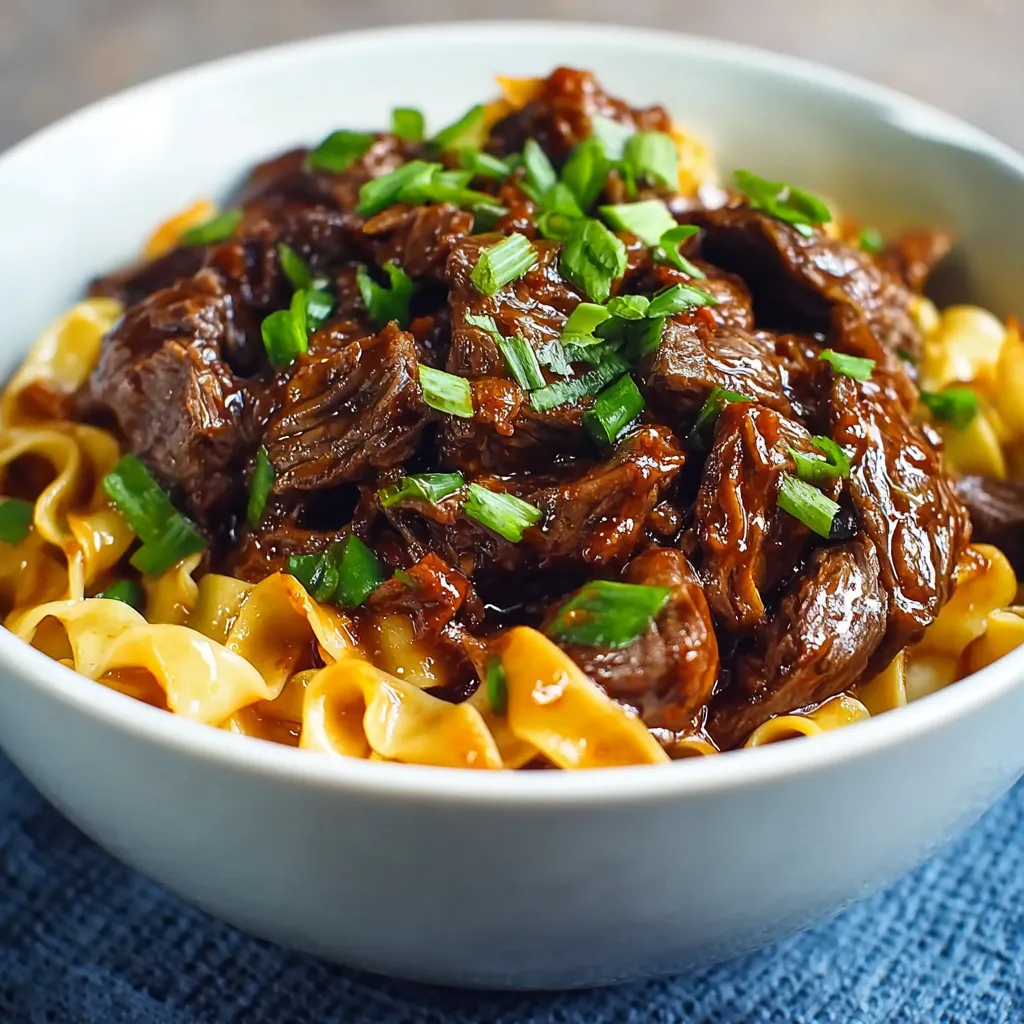
Slow Cooker Korean Beef Noodles
Ingredients
Equipment
Method
- Sear the Beef: Heat olive oil in a large skillet over medium-high heat. Sear the chuck roast on all sides until nicely browned.
- Slow Cook the Beef: Place chopped onion, minced garlic, and grated ginger in the bottom of your slow cooker. Place the seared beef on top of the vegetables.
- Make the Sauce: In a bowl, whisk together soy sauce, brown sugar, gochujang, sesame oil, rice vinegar, and beef broth. Pour the sauce over the beef.
- Cook: Cover and cook on low for 6-8 hours, or on high for 3-4 hours, or until the beef is very tender and easily shreds with a fork.
- Shred the Beef: Remove the beef from the slow cooker and shred it using two forks.
- Thicken the Sauce: In a small bowl, whisk together cornstarch and cold water to create a slurry. Pour the slurry into the slow cooker and stir to combine. Cook on high for 15-20 minutes, or until the sauce has thickened.
- Add the Beef Back: Return the shredded beef to the slow cooker and stir to coat it in the sauce.
- Cook the Noodles: While the sauce is thickening, cook the noodles according to package directions. Drain well.
- Combine and Serve: Add the cooked noodles to the slow cooker and toss to coat them in the beef and sauce. Alternatively, serve the beef and sauce over a bed of noodles.
- Garnish: Garnish with sesame seeds, sliced green onions, and sriracha (if desired).