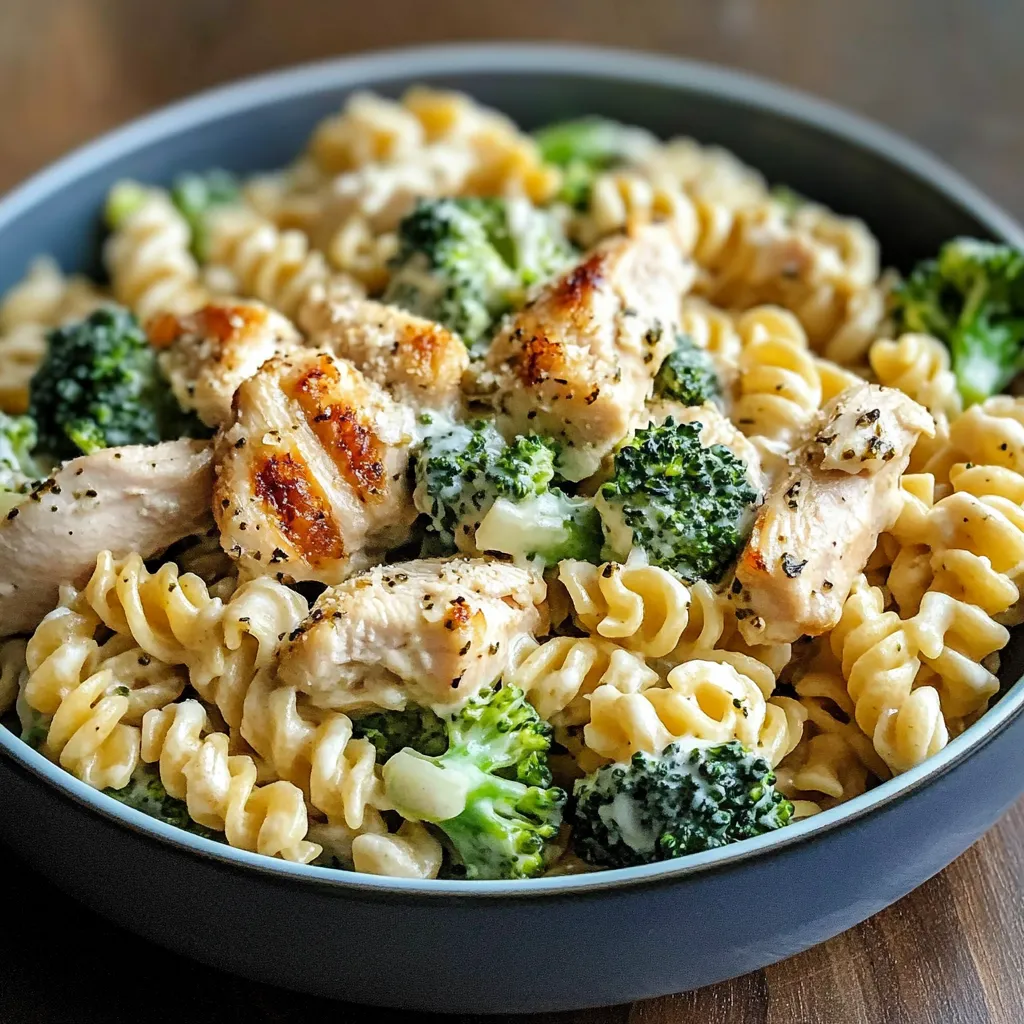
When dinner needs to happen fast but you still want something satisfying and nutritious, high protein rotisserie chicken broccoli pasta comes through every time. This recipe takes advantage of store-bought rotisserie chicken to deliver a complete meal in just 25 minutes with minimal effort. The tender pasta, crisp-tender broccoli, and savory chicken come together in a light, garlicky sauce that feels fresh rather than heavy.
I turn to this dish on those evenings when cooking from scratch feels overwhelming but ordering takeout doesn’t appeal either. The simplicity is deceptive—despite the short ingredient list and quick preparation, the flavors are bright and satisfying. The lemon juice adds a refreshing lift that keeps each bite interesting, while the Parmesan provides just enough richness without making the dish feel overly indulgent.
Why You’ll Love This Chicken and Broccoli Pasta
This recipe solves the weeknight dinner dilemma with remarkable efficiency. Using pre-cooked rotisserie chicken eliminates the longest step in most pasta dishes, cutting your active cooking time dramatically. The broccoli cooks right in the pasta water, which means one less pot to wash and perfectly timed vegetables that finish exactly when the pasta does.
The flavor profile walks a nice line between simple and sophisticated. Garlic and red pepper flakes provide aromatic depth, while lemon juice brightens everything without overwhelming the other ingredients. The chicken broth creates a light sauce that coats the pasta without pooling at the bottom of the bowl.
Nutritional balance makes this particularly appealing for active families or anyone watching their macros. The rotisserie chicken delivers substantial protein, broccoli adds fiber and vitamins, and the pasta provides the carbohydrates you need for energy. It’s a genuinely complete meal that doesn’t require supplementing with multiple sides.
Flexibility is built into the recipe. Swap the pasta shape based on what’s in your pantry, use whatever vegetables look good at the store, or adjust the garlic and pepper flakes to match your family’s preferences. The basic method stays the same regardless of minor ingredient changes.
Ingredients for Rotisserie Chicken and Broccoli Pasta
I keep these ingredients on hand specifically for nights when I need dinner quickly. The beauty of this recipe is how ordinary pantry staples and one convenience item combine into something that tastes thoughtfully prepared.
Main Components:
- 3 cups rotisserie chicken, shredded or cubed
- 12 oz pasta (penne, rotini, or bow tie)
- 3 cups broccoli florets
- 2 tablespoons olive oil
- 3 cloves garlic, minced
- 1/2 cup chicken broth or pasta water
- 1/4 cup freshly grated Parmesan cheese
- 1/2 teaspoon red pepper flakes (optional)
- Salt and black pepper to taste
- Fresh lemon juice from half a lemon
The rotisserie chicken is the time-saving hero of this recipe. I buy plain rotisserie chicken rather than heavily seasoned varieties so the flavors don’t compete with the garlic and lemon. Remove the skin before shredding or cubing since it doesn’t add much to this preparation. Three cups of meat comes from roughly one medium rotisserie chicken after removing bones and skin.
Pasta shape matters more for texture than flavor. I prefer short, sturdy shapes like penne or rotini because they hold onto the light sauce better than long noodles. The ridges and crevices in these shapes catch bits of garlic and Parmesan, giving you more flavor in each bite. Bow tie pasta works beautifully too and looks elegant on the plate.
Fresh broccoli florets cook quickly and maintain better texture than frozen. Choose heads with tight, compact florets and firm stalks. I cut them into bite-sized pieces roughly the same size as the pasta so everything feels cohesive when eating. If the stems are tender, I peel and slice them too rather than wasting that portion.
Garlic should be minced finely so it distributes evenly and doesn’t create overpowering bites. Fresh garlic makes a noticeable difference compared to jarred or powdered versions in this simple preparation. The olive oil carries the garlic flavor throughout the dish, so use good quality extra virgin if you have it.
Parmesan cheese needs to be freshly grated from a block for the best flavor and texture. Pre-grated cheese contains anti-caking agents that prevent it from melting smoothly into the pasta. A microplane grater creates fine, fluffy Parmesan that incorporates beautifully into the sauce.
Fresh lemon juice is essential rather than bottled. The bright, acidic punch from fresh lemon transforms this from a decent pasta dish into something memorable. The acidity balances the richness of the olive oil and chicken while highlighting the sweetness of the broccoli.
How to Make Rotisserie Chicken and Broccoli Pasta
The technique is straightforward, with smart timing that gets everything on the table without juggling multiple pots or complicated steps. I recommend reading through completely before starting so you understand how the pieces come together.
Cook the Pasta: Fill a large pot with water, salt it generously (it should taste like seawater), and bring it to a rolling boil over high heat. Add the pasta and cook according to the package directions, typically 9-11 minutes for al dente texture. Set a timer so you don’t forget the next critical step.
Add the Broccoli: When your pasta timer has 3 minutes remaining, add the broccoli florets directly to the boiling pasta water. This timing is crucial—the broccoli cooks just long enough to become tender-crisp without turning mushy or losing its bright green color. The broccoli and pasta finish at exactly the same moment, which makes draining efficient. Before draining, use a measuring cup to scoop out about half a cup of the starchy pasta water and set it aside. This liquid gold contains starch that helps create a silky sauce.
Drain Thoroughly: Pour the pasta and broccoli into a colander and give it a good shake to remove excess water. You don’t want pools of water diluting your sauce. While it drains, you can work on the next step.
Build Aromatic Base: Return the now-empty pasta pot to the stove over medium heat (using the same pot means less cleanup). Add the olive oil and let it warm for about 30 seconds. Add the minced garlic and red pepper flakes if using. Sauté for just 1 minute, stirring constantly with a wooden spoon. The garlic should become fragrant and barely golden but not browned—browned garlic turns bitter. The red pepper flakes bloom in the hot oil, releasing their subtle heat throughout the dish.
Combine Everything: Add the shredded rotisserie chicken to the pot first, stirring it in the garlicky oil for about 30 seconds to warm it through. Then add the drained pasta and broccoli. The order matters because you want the chicken heated before the pasta goes in.
Create the Sauce: Pour the chicken broth (or use that reserved pasta water) and fresh lemon juice over everything. Toss gently but thoroughly using tongs or two wooden spoons, making sure every piece of pasta gets coated. The liquid combines with the olive oil and starch from the pasta to create a light, cohesive sauce. Keep the heat at medium-low and toss for about 2 minutes. The pasta should look glossy and everything should be evenly distributed.
Finish with Cheese: Remove the pot from heat and sprinkle the freshly grated Parmesan over the pasta. Toss again until the cheese melts into the residual heat and creates a creamy coating. Taste and season generously with salt and black pepper. The Parmesan is salty, so add salt gradually and taste as you go.
The entire process flows smoothly once you start. The key is having your chicken already shredded and your garlic minced before you begin boiling water, which keeps you from scrambling mid-recipe.
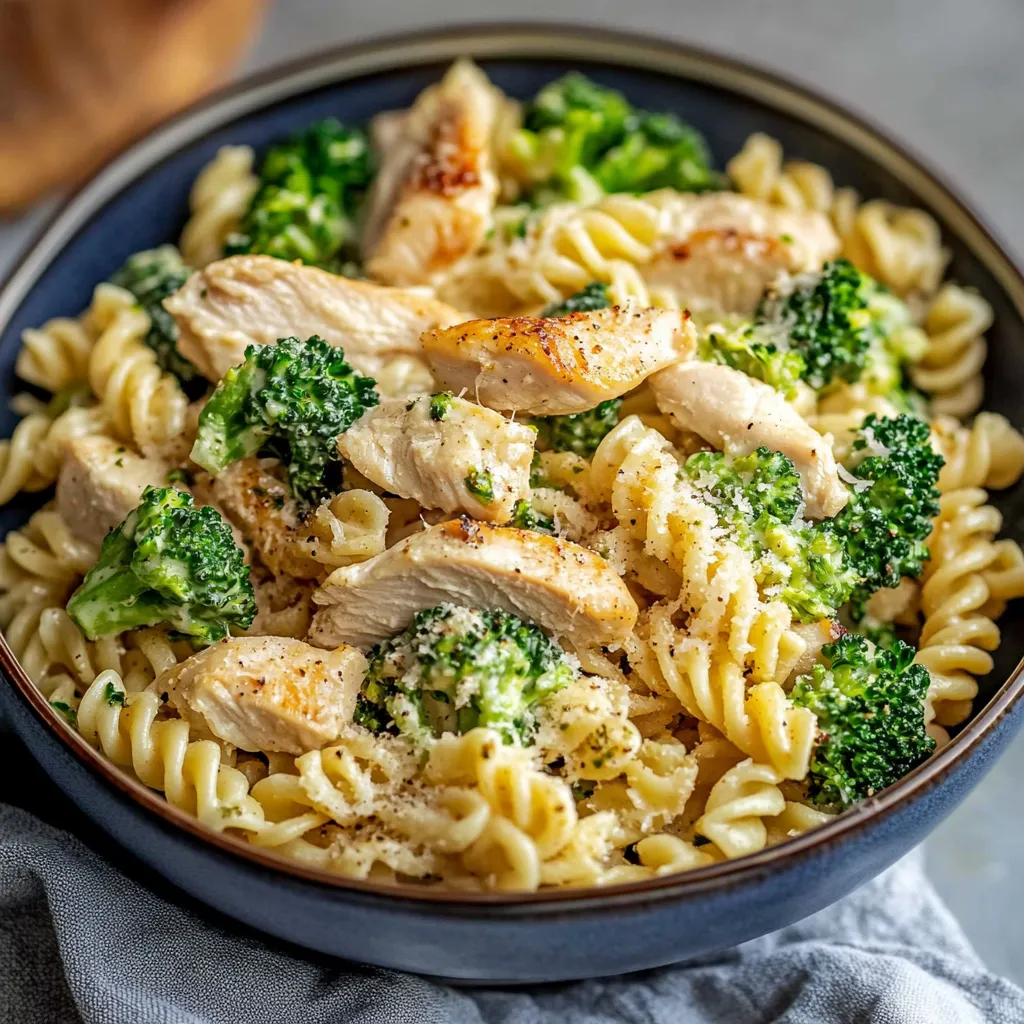
What to Serve with Chicken and Broccoli Pasta
This pasta is substantial enough to serve as a complete meal, but a few simple sides round out the dining experience nicely.
Garlic Bread: Crispy, buttery garlic bread provides textural contrast and helps soak up any extra sauce. The additional garlic reinforces the flavors already present in the pasta without overwhelming the dish.
Caesar Salad: A classic Caesar with crisp romaine, tangy dressing, and crunchy croutons complements the Italian-inspired pasta beautifully. The creamy dressing and sharp Parmesan cheese echo the pasta’s flavors while adding fresh greens.
Caprese Salad: Fresh mozzarella, ripe tomatoes, and basil drizzled with balsamic glaze offer a light, summery contrast. The cool, fresh elements balance the warm pasta perfectly.
Roasted Asparagus: Tender asparagus spears roasted with olive oil and lemon add another vegetable component and keep the meal feeling light and spring-like. The lemon ties the flavors together naturally.
Crusty Italian Bread: Simple bread with good olive oil for dipping provides a rustic accompaniment that feels authentic. Warm the bread slightly for the best experience.
White Wine: A crisp white wine like Pinot Grigio or Sauvignon Blanc pairs beautifully with the lemon and garlic flavors, making this feel like a more sophisticated meal despite the quick preparation.
Pro Tips & Variations
Preserve Pasta Water: Always reserve pasta water before draining. The starchy liquid is more effective at creating a cohesive sauce than plain broth because it contains dissolved starch that acts as a natural thickener and helps everything cling together.
Don’t Skip the Lemon: The fresh lemon juice transforms this from a basic pasta into something vibrant and memorable. The acidity cuts through the richness and makes the flavors pop. Taste before and after adding lemon to appreciate the difference it makes.
Boost the Protein: Use whole wheat or chickpea pasta to increase fiber and protein content significantly. Chickpea pasta adds about 10 grams of protein per serving, which complements the chicken beautifully for an even more protein-forward meal.
Vegetable Swaps: Asparagus, snap peas, or green beans work equally well as broccoli. Add them during the last 2-3 minutes of pasta cooking just like the broccoli. Frozen vegetables work in a pinch—just add them directly from frozen during the last 4 minutes.
Creamy Version: Stir in 1/4 cup of heavy cream or half-and-half along with the chicken broth for a richer, more indulgent sauce. This creates a light Alfredo-style coating without requiring a separate sauce preparation.
Add Sun-Dried Tomatoes: Chop oil-packed sun-dried tomatoes and add them with the garlic for a sweet-tart element that adds complexity and beautiful color contrast against the green broccoli.
Make It Spicier: Increase the red pepper flakes to a full teaspoon, or add a pinch of cayenne pepper for more pronounced heat. You can also finish with a drizzle of chili oil for those who want extra kick.
Fresh Herbs: Toss in fresh basil, parsley, or thyme at the end for an herbal brightness that elevates the dish. Basil particularly complements the lemon and garlic beautifully.
Storage & Reheating Tips
Store leftovers in an airtight container in the refrigerator for up to 3 days. The pasta absorbs liquid as it sits, so the dish becomes drier over time. I find the flavors actually improve overnight as everything melds together, even though the texture changes slightly.
For reheating, add a splash of chicken broth, pasta water, or even just regular water to the pasta before warming. This rehydrates the noodles and prevents them from becoming dry or gummy. Microwave in 1-minute intervals, stirring between each, until heated through. Alternatively, reheat in a skillet over medium-low heat with added liquid, stirring frequently until warm.
The broccoli softens more during storage and reheating, losing some of its crisp-tender quality. This doesn’t ruin the dish, but it changes the texture. If you’re planning to make this for meal prep, consider slightly undercooking the broccoli initially so it doesn’t become mushy when reheated.
This pasta doesn’t freeze well because the texture of both the pasta and broccoli degrades significantly when frozen and thawed. The broccoli becomes watery and the pasta gets mushy. Make only what you’ll eat within three days for the best quality.
When serving leftovers, I often add a fresh squeeze of lemon juice and a sprinkle of Parmesan to revive the flavors. A drizzle of good olive oil also helps restore some of the freshness that diminishes during storage.
This high protein rotisserie chicken broccoli pasta proves that simple ingredients and smart shortcuts can produce a dinner that satisfies completely. The combination of tender chicken, crisp broccoli, and perfectly cooked pasta in a light, lemony sauce delivers comfort without heaviness. Give this a try the next time you need a reliable weeknight dinner that comes together almost effortlessly.
Rotisserie Chicken and Broccoli Pasta
Ingredients
Equipment
Method
- Bring a large pot of salted water to a boil. Add pasta and cook according to package instructions.
- During the last 3 minutes of pasta cooking time, add broccoli florets directly into the boiling water with the pasta. Reserve 1/2 cup pasta water before draining. Drain pasta and broccoli thoroughly.
- In the same pot (or a large skillet), heat olive oil over medium heat. Add minced garlic and red pepper flakes; sauté for 1 minute until fragrant but not browned.
- Add shredded rotisserie chicken, cooked pasta, and broccoli to the pot.
- Pour in chicken broth (or reserved pasta water) and lemon juice. Toss everything together over low heat for 2 minutes until chicken is heated through and sauce coats the pasta.
- Remove from heat and stir in Parmesan cheese. Season generously with salt and black pepper.
- Serve hot with extra Parmesan if desired.