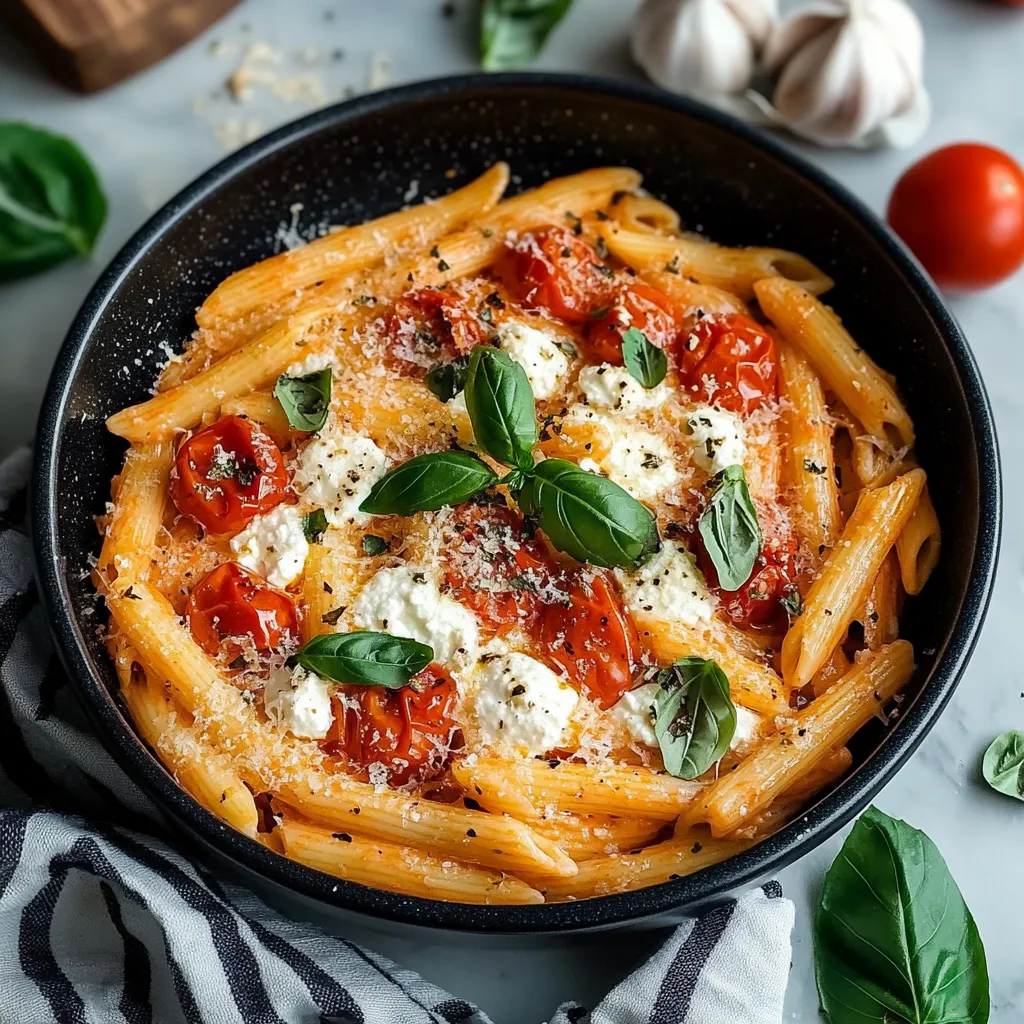
There’s something incredibly satisfying about a pasta dish that tastes like you spent hours making it but actually comes together in about 40 minutes. This Roasted Tomato and Garlic Ricotta Pasta delivers exactly that—sweet roasted tomatoes meet creamy ricotta to create a sauce that’s both light and indulgent at the same time. The best part is how the oven does most of the work while you simply boil pasta and toss everything together.
This recipe works beautifully for weeknight dinners when you want comfort food that doesn’t require complicated techniques or hard-to-find ingredients. The roasted cherry tomatoes develop concentrated sweetness and a jammy texture, while the ricotta adds a creamy richness without being heavy. It’s one of those dishes that feels special enough for company but easy enough to make on a random Tuesday.
Why You’ll Love This Roasted Tomato and Garlic Ricotta Pasta
This pasta dinner comes together in about 40 minutes with minimal hands-on time. While the tomatoes roast, you can cook the pasta and prep the ricotta mixture, making the whole process flow smoothly without any stressful moments.
The flavor development from roasting transforms ordinary cherry tomatoes into something deeply savory and sweet. Those caramelized edges add complexity you simply can’t get from jarred sauce or fresh tomatoes alone. The garlic mellows as it roasts, becoming sweet and spreadable rather than sharp.
The sauce itself is lighter than traditional cream-based pasta sauces but still feels indulgent. Ricotta provides creaminess without the heaviness of cream or butter, and the pasta water helps everything emulsify into a silky coating. The lemon juice brightens the whole dish, cutting through the richness and keeping it from feeling too heavy.
This recipe is incredibly forgiving and adaptable. You can use whatever pasta shape you have on hand, adjust the garlic level to your preference, and even throw in extra vegetables during the roasting process. It works just as well with gluten-free pasta, and you can easily make it vegetarian-friendly since there’s no meat involved.
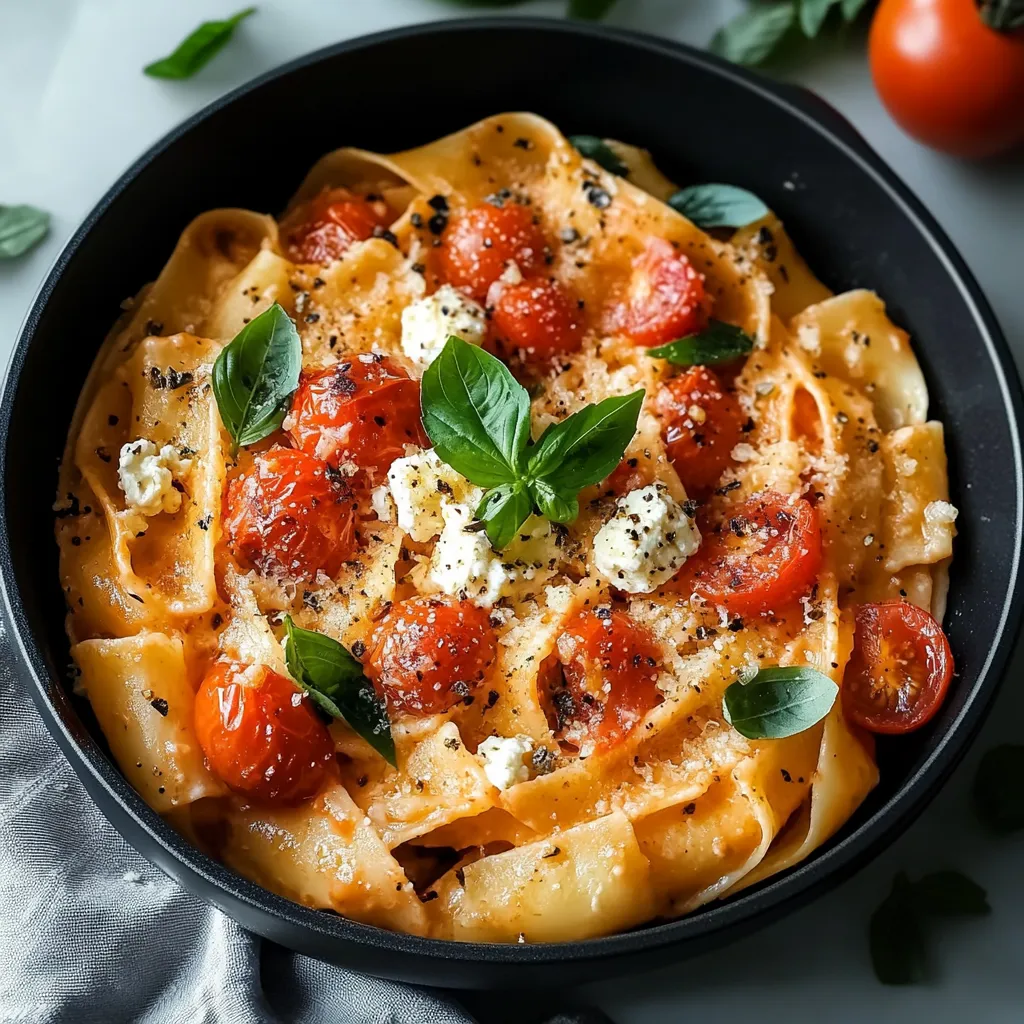
The presentation looks impressive with those roasted tomatoes and fresh basil, making it suitable for casual entertaining or just elevating your weeknight dinner routine.
Ingredients for Roasted Tomato and Garlic Ricotta Pasta
I always use cherry or grape tomatoes for this recipe because they’re reliably sweet year-round and roast beautifully. Regular tomatoes can be too watery, and their flavor isn’t as concentrated once roasted.
The Roasted Base:
- 2 cups cherry tomatoes, halved
- 1 tbsp olive oil
- 6-8 garlic cloves, smashed, or 4 cloves minced
- 1 tsp dried oregano
- 1 tsp salt and 1/2 tsp black pepper
The Pasta:
- 12 oz pasta (spaghetti, penne, or rigatoni)
The Sauce Finish:
- 1 cup ricotta cheese
- 1/2 cup grated Parmesan cheese
- 1 tbsp lemon juice
- 1/4 cup fresh basil leaves, chopped
About the Tomatoes: Look for tomatoes that are deep red and feel firm. Softer tomatoes work too, but they’ll break down more during roasting. I prefer leaving them halved rather than whole because the cut sides caramelize beautifully and release their juices more easily.
Garlic Choices: Smashed whole cloves give you a mellower, sweeter flavor as they roast, and you can choose to either eat them whole or mash them into the sauce. Minced garlic distributes more evenly and gives you garlic flavor in every bite. Both work great—it’s really about preference.
Ricotta Quality: Use whole milk ricotta for the best flavor and creaminess. The low-fat versions can be grainy and don’t create the same velvety texture. If your ricotta seems watery, drain it in a fine-mesh strainer for 10 minutes before using.
Pasta Shape Matters: Short pasta like penne, rigatoni, or orecchiette catches the chunky tomatoes nicely in their crevices. Long pasta like spaghetti or linguine works too and gives you that classic twirl-on-your-fork experience. Use whatever you prefer or have available.
How to Make Roasted Tomato and Garlic Ricotta Pasta
The key to this recipe is timing things so everything comes together hot at the end. Start with the tomatoes since they take the longest, then cook your pasta while they roast.
Roast the tomatoes. Preheat your oven to 400°F. Line a baking sheet with parchment paper for easy cleanup. Spread the halved cherry tomatoes and garlic cloves on the sheet, drizzle with olive oil, then sprinkle with oregano, salt, and pepper. Toss everything with your hands to coat evenly. Arrange the tomatoes cut-side up for maximum caramelization. Roast for 20-25 minutes until the tomatoes are shriveled, jammy, and starting to char in spots. Those darker edges add a subtle smoky sweetness that makes the sauce special.
Cook the pasta. About 10 minutes before your tomatoes are done, bring a large pot of heavily salted water to a boil. The water should taste like the ocean—this is your only chance to season the pasta itself. Add your pasta and cook until al dente according to package directions, usually 8-10 minutes. Before draining, scoop out half a cup of the starchy pasta water and set it aside. This liquid gold will help create a creamy, cohesive sauce.
Prepare the ricotta mixture. While everything cooks, combine the ricotta, Parmesan, lemon juice, and chopped basil in a medium bowl. Stir until smooth and well combined. The lemon juice keeps the ricotta from tasting too heavy and adds brightness to balance the sweet tomatoes.
Smash and combine. When the tomatoes come out of the oven, use a fork or the back of a spoon to gently smash them right on the baking sheet. You want to break them up enough to release their juices while still keeping some chunks for texture. If you used whole smashed garlic cloves, you can mash those too or leave them whole for people to discover.
Bring it all together. Return the drained pasta to the pot (off heat). Add the roasted tomato and garlic mixture along with all those delicious pan juices. Stir in the ricotta mixture. Now add the reserved pasta water a few tablespoons at a time, stirring constantly. The starch in the water helps emulsify everything into a silky sauce that clings to the pasta rather than sitting in a puddle at the bottom of the bowl. Keep adding water and stirring until you reach your desired consistency—creamy but not soupy.
Pro tip: If your sauce seems too thick even after adding pasta water, stir in an extra splash of olive oil. If it’s too thin, let it sit for a minute—the pasta will continue absorbing liquid as it rests.
Common mistake to avoid: Don’t skip salting your pasta water properly. Underseasoned pasta makes the entire dish taste flat, even with a flavorful sauce. You need about a tablespoon of salt for every pound of pasta.
What to Serve with Roasted Tomato and Garlic Ricotta Pasta
This creamy pasta pairs well with lighter sides that add freshness and crunch without competing with the rich tomato and ricotta flavors.
Simple Arugula Salad: Toss peppery arugula with lemon juice, olive oil, shaved Parmesan, and a pinch of salt. The bitterness of the greens cuts through the creamy pasta beautifully, and the lemon ties everything together.
Garlic Bread: Toast thick slices of Italian bread brushed with garlic butter. The crispy bread is perfect for soaking up any extra sauce, and who doesn’t love carbs with their carbs?
Roasted Broccoli: Toss broccoli florets with olive oil, salt, and red pepper flakes, then roast at 425°F for 20 minutes. The charred edges and slight crunch contrast nicely with the soft pasta.
Caprese Salad: Layer sliced tomatoes, fresh mozzarella, and basil leaves, then drizzle with balsamic glaze and olive oil. It echoes the tomato-basil flavors in the pasta while adding fresh elements.
Sautéed Spinach: Quick-cook fresh spinach with garlic and olive oil. It wilts in minutes and adds greens to your plate without much effort.
Caesar Salad: The classic creamy, garlicky salad complements the pasta without overshadowing it. Make it from scratch or use a good quality store-bought dressing.
Grilled Zucchini: Slice zucchini lengthwise, brush with olive oil, and grill or broil until charred. Season with salt, pepper, and a squeeze of lemon for a simple vegetable side.
Pro Tips & Variations
Add protein: Toss in cooked Italian sausage, grilled chicken, or sautéed shrimp to make this more substantial. Crispy pancetta or bacon adds a salty, smoky element that works wonderfully with the sweet tomatoes.
Make it spicier: Add red pepper flakes to the tomatoes before roasting, or stir in a spoonful of calabrian chili paste with the ricotta for gentle heat that builds with each bite.
Boost the vegetables: Roast sliced zucchini, bell peppers, or eggplant alongside the tomatoes for a more veggie-forward dish. Asparagus cut into one-inch pieces also roasts well in the same time frame.
Fresh vs. dried herbs: Fresh oregano or thyme can replace the dried oregano if you have it. Use about three times as much fresh since dried herbs are more concentrated. Add fresh herbs at the end to preserve their bright flavor.
Cheese variations: Swap half the ricotta for mascarpone for an even richer sauce. Crumbled goat cheese or burrata adds tang and creaminess. Pecorino Romano can replace Parmesan for a sharper, saltier flavor.
Make it vegan: Use cashew ricotta or tofu-based ricotta and nutritional yeast instead of Parmesan. The roasted tomatoes provide enough flavor that the dish still tastes rich and satisfying.
Add wine: Deglaze the baking sheet with a splash of white wine after roasting to capture all the caramelized bits, then pour that into your pasta along with the tomatoes.
Texture contrast: Top with toasted breadcrumbs, crushed pistachios, or pine nuts for crunch. A drizzle of high-quality olive oil at the end adds richness.
Storage & Reheating Tips
Store leftover pasta in an airtight container in the refrigerator for up to 3 days. The sauce thickens as it sits because the pasta continues absorbing liquid, so expect it to be less saucy than when freshly made.
For reheating, add a splash of water, milk, or chicken broth to the pasta before warming. This helps loosen the sauce back up. I prefer reheating in a skillet over medium heat, stirring frequently until warmed through. This method gives you better control over the texture than the microwave.
Microwave reheating works for individual portions. Place pasta in a microwave-safe bowl, add a tablespoon or two of water, cover with a damp paper towel, and heat in 1-minute intervals, stirring between each, until hot.
This pasta doesn’t freeze particularly well because the ricotta can separate and become grainy after thawing. If you want to prep ahead, you can roast the tomatoes and garlic up to 2 days in advance and store them in the fridge. Then just cook fresh pasta and assemble when ready to eat.
For meal prep, keep the pasta and sauce separate if possible. Store cooked pasta tossed with a little olive oil in one container and the ricotta-tomato mixture in another. Combine and reheat when ready to eat for the best texture.
Common Questions
Can I use canned tomatoes instead of fresh? Fresh cherry tomatoes roast much better than canned and develop that caramelized sweetness that makes this dish special. If you must substitute, use good quality canned whole tomatoes, drain them well, and reduce the roasting time to about 15 minutes since they’re already cooked.
What if my ricotta is watery? Drain it in a fine-mesh strainer lined with cheesecloth or paper towels for 10-15 minutes before using. Press gently to remove excess liquid. This gives you a thicker, creamier consistency that won’t make your pasta watery.
Can I make this ahead for a dinner party? You can roast the tomatoes and garlic earlier in the day and keep them at room temperature. Prepare the ricotta mixture and refrigerate it. When guests arrive, cook the pasta fresh and toss everything together. Fresh pasta always tastes best.
How do I make this gluten-free? Simply use your favorite gluten-free pasta. Brown rice pasta, chickpea pasta, or lentil pasta all work well. Follow the package directions for cooking time as they vary by brand.
Can I double this recipe? Absolutely. You may need to use two baking sheets for the tomatoes so they have room to roast properly without steaming. Everything else scales up easily. Just make sure you have a large enough pot to toss all the pasta together at the end.
This pasta proves that simple ingredients treated well can create something really memorable. The combination of sweet roasted tomatoes, creamy ricotta, and bright lemon makes a sauce that tastes complex but comes together easily. Give this a try next time you want comfort food that doesn’t weigh you down—it’s the kind of recipe that quickly becomes part of your regular rotation.
Roasted Tomato and Garlic Ricotta Pasta
Ingredients
Equipment
Method
- Preheat oven to 400°F (200°C). Line a baking sheet with parchment paper.
- Spread halved cherry tomatoes and garlic cloves on the baking sheet. Drizzle with olive oil and sprinkle with oregano, salt, and pepper. Toss to coat evenly and arrange tomatoes cut-side up.
- Roast for 20-25 minutes until tomatoes are shriveled, jammy, and starting to char in spots.
- About 10 minutes before tomatoes are done, bring a large pot of heavily salted water to a boil. Cook pasta until al dente according to package directions. Reserve 1/2 cup pasta water before draining.
- While pasta cooks, combine ricotta, Parmesan, lemon juice, and chopped basil in a medium bowl. Stir until smooth.
- When tomatoes are done, use a fork or spoon to gently smash them on the baking sheet to release their juices. Mash any whole garlic cloves if desired.
- Return drained pasta to the pot (off heat). Add the roasted tomato and garlic mixture with all pan juices, then stir in the ricotta mixture.
- Add reserved pasta water a few tablespoons at a time, stirring constantly, until sauce reaches desired creamy consistency that clings to the pasta.
- Serve immediately, garnished with extra fresh basil and Parmesan cheese.