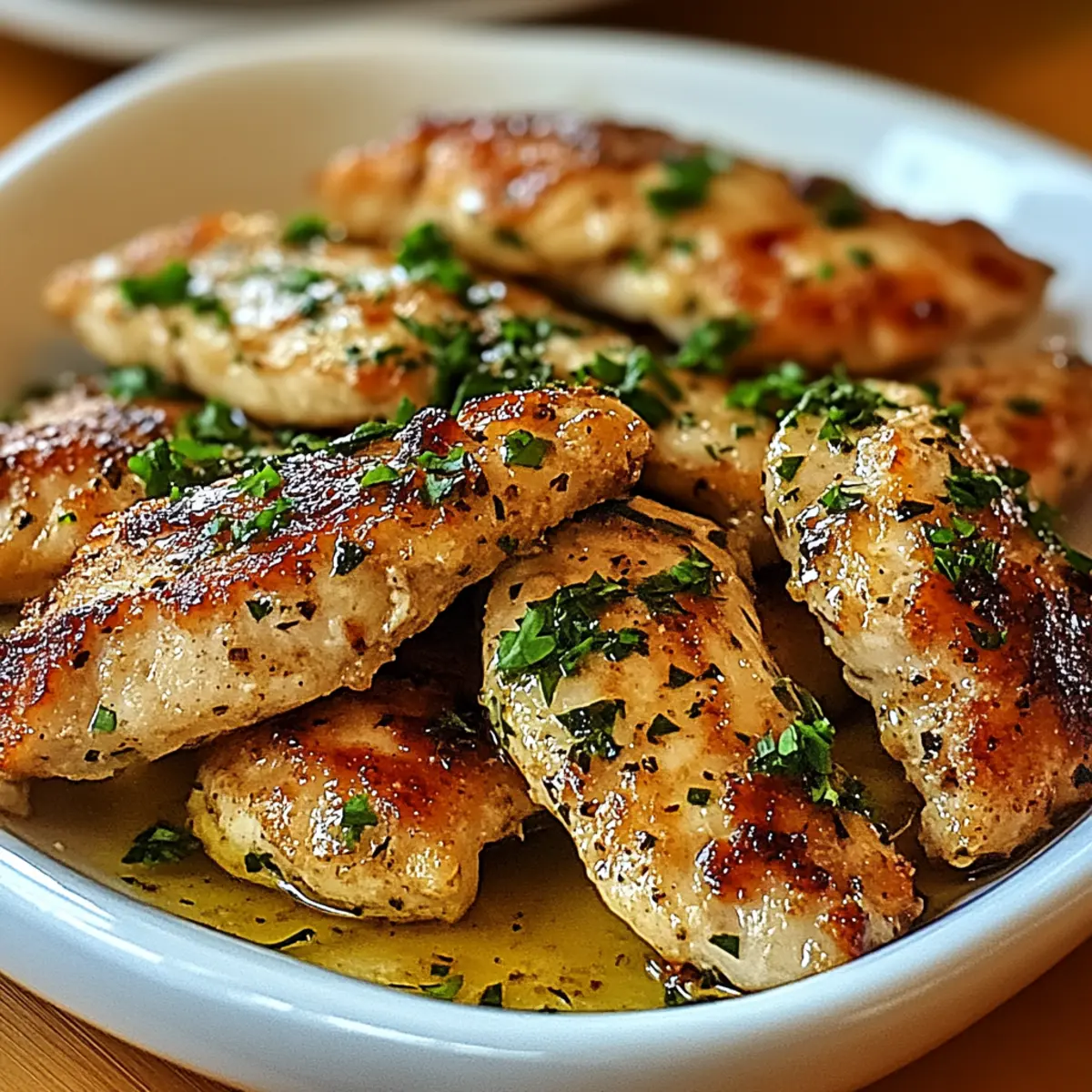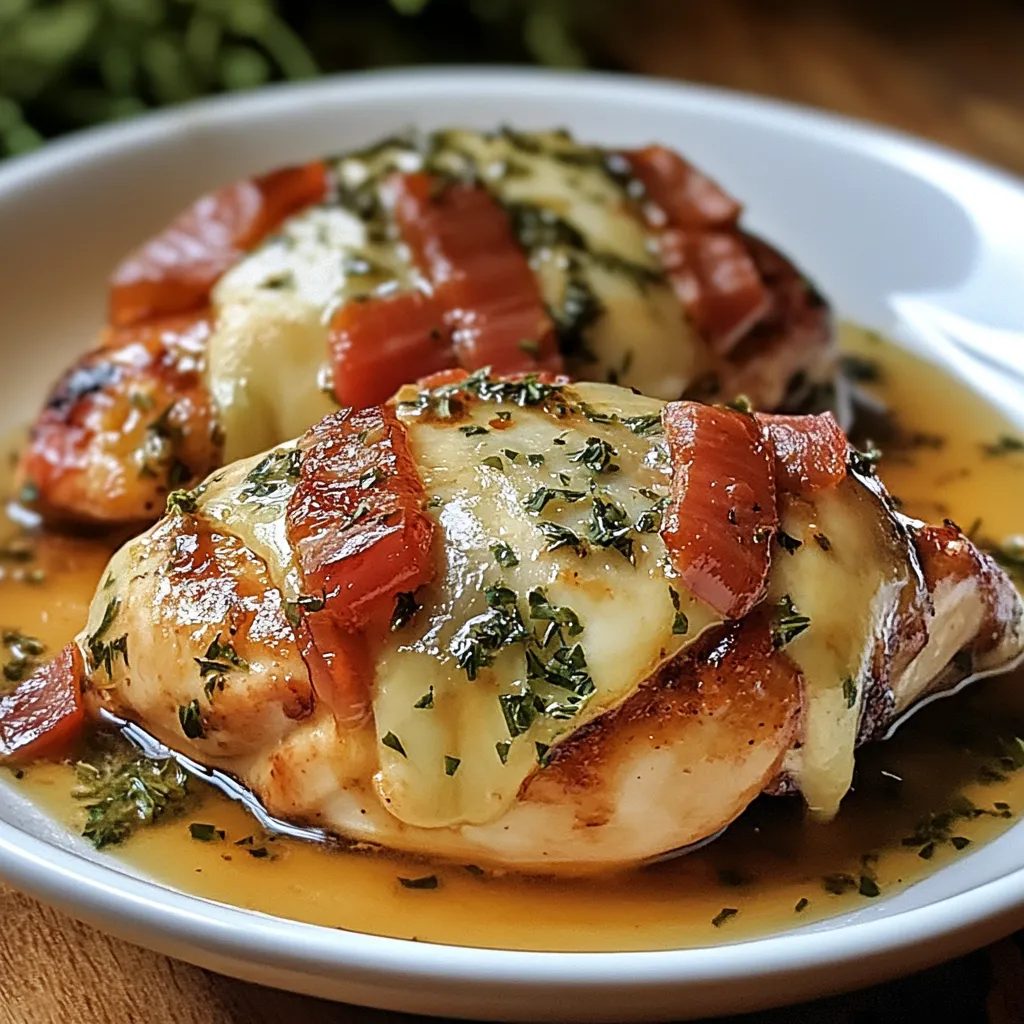
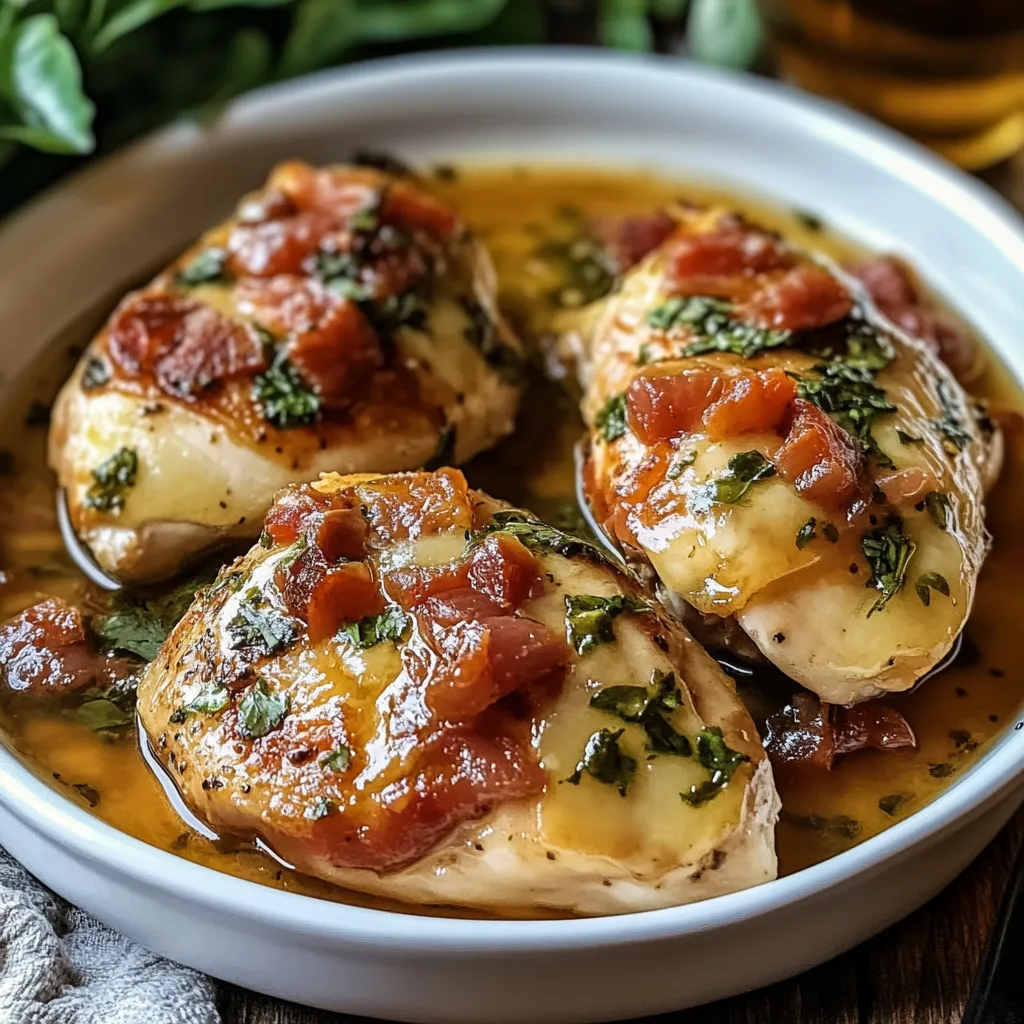
When you want to bring elegant Italian flavors to your dinner table without spending hours in the kitchen, this high protein italian chicken saltimbocca delivers restaurant-quality results in just 30 minutes. Tender chicken cutlets are topped with fresh sage and wrapped in crispy prosciutto, then pan-seared and finished in a bright white wine sauce with hints of lemon. The combination of savory prosciutto, aromatic sage, and delicate chicken creates layers of flavor that taste far more complex than the simple preparation suggests.
I’ve served this for date nights, dinner parties, and those evenings when I want something special without the stress. The technique is straightforward, but the presentation looks impressive enough to make guests think you’ve been cooking all afternoon. Each serving delivers about 40 grams of protein while the prosciutto adds richness without overwhelming the dish.
Perfect for anyone who loves Italian cuisine or wants to master a classic that feels both sophisticated and approachable, this chicken saltimbocca proves that exceptional dinners don’t require extensive ingredient lists or complicated methods.
Why You’ll Love This Italian Chicken Saltimbocca
This dinner comes together in half an hour, making it ideal for weeknights when you want something elegant without the time commitment. The ingredient list is refreshingly simple with just a handful of high-quality components that each play an essential role. You’re not searching for obscure items or spending a fortune on specialty ingredients.
The prosciutto becomes wonderfully crispy when seared, creating a textural contrast with the tender chicken underneath. Fresh sage leaves release their earthy, slightly peppery aroma when they hit the hot pan, infusing both the meat and the sauce with that distinctive Italian character. The white wine pan sauce ties everything together with bright acidity and silky richness from the butter.
Using chicken instead of the traditional veal makes this more accessible and budget-friendly while still honoring the classic preparation. Chicken breasts are readily available, cook quickly, and provide a lean protein base that lets the prosciutto and sage flavors shine. Pounding them thin ensures they cook evenly in just minutes.
The sauce comes together in the same pan you used for the chicken, which means you’re building flavor with those browned bits while keeping cleanup minimal. That deglazing step is where the magic happens, transforming simple wine and broth into a sauce that tastes like you’ve been reducing it for hours.
Ingredients for Italian Chicken Saltimbocca
I choose chicken breasts that are roughly the same size, around 5-6 ounces each, so they cook at the same rate. Pounding them to an even 1/4-inch thickness is crucial for quick, uniform cooking. Prosciutto di Parma is worth seeking out for its delicate, sweet flavor and paper-thin texture that crisps beautifully.
- 4 small boneless, skinless chicken breasts (or cutlets)
- 4 slices Prosciutto di Parma
- 4-8 large fresh sage leaves
- 1/2 cup all-purpose flour (for dredging)
- 2 tablespoons olive oil
- 2 tablespoons unsalted butter
- 1/2 cup dry white wine (like Pinot Grigio)
- 1/2 cup chicken broth
- 1 tablespoon lemon juice
- Salt and black pepper, to taste
Fresh sage is absolutely essential here since dried sage doesn’t have the same aromatic quality or visual appeal. Look for large, unblemished leaves with a silvery-green color. Each leaf should be at least 2 inches long so it shows beautifully when wrapped with the prosciutto.
The prosciutto should be sliced thin enough to see through but not so delicate that it tears easily. Good-quality prosciutto makes a noticeable difference in both flavor and texture. If you can’t find Prosciutto di Parma, regular prosciutto works, though the taste will be slightly less refined.
For the wine, choose something dry and crisp like Pinot Grigio, Sauvignon Blanc, or a dry Vermouth. Avoid anything sweet since it will make the sauce cloying. Use wine you’d actually drink since the flavor concentrates as it reduces. Low-sodium chicken broth gives you better control over the final seasoning since the prosciutto already adds significant salt.
How to Make Italian Chicken Saltimbocca
The key to perfect saltimbocca is proper preparation and not overcooking the chicken. Since you’re working with thin cutlets, they cook incredibly fast, so have everything ready before you start.
Prepare the Chicken: Place each chicken breast between two sheets of plastic wrap or parchment paper. Using a meat mallet or heavy skillet, gently pound them to an even 1/4-inch thickness, working from the center outward. Try to maintain a relatively uniform shape rather than creating irregular edges. Pat the chicken completely dry with paper towels, which helps the flour adhere and promotes better browning. Season very lightly with black pepper and just a pinch of salt on the side that won’t have prosciutto, since the ham is quite salty.
Assemble: Lay each pounded chicken breast on your work surface. Place 1-2 large fresh sage leaves in the center of each breast. The leaves should be positioned where they’ll be most visible once wrapped. Take one slice of prosciutto and wrap it around the middle of the chicken breast, securing the sage leaves underneath. The prosciutto should overlap slightly to stay in place. If your prosciutto is particularly delicate or the chicken is slippery, you can use a toothpick inserted horizontally to secure everything, though I usually find it unnecessary if you sear prosciutto-side down first.
Dredge: Place the flour in a shallow dish. Just before cooking, lightly coat each chicken breast in the flour, pressing gently so it adheres on both sides. Shake off any excess flour, which would otherwise create gummy patches in your sauce. The coating should be very light and even.
Sear: Heat the olive oil and 1 tablespoon of butter in a large skillet over medium-high heat. Wait until the butter stops foaming, which signals that the moisture has cooked off and the pan is ready. Carefully place the chicken breasts in the pan, prosciutto-side down. This crucial first step sears the prosciutto onto the chicken, creating a crispy exterior that helps everything stay together. Cook undisturbed for 3-4 minutes until the prosciutto is golden and crispy. Flip carefully using a spatula and cook the other side for 3 minutes until the chicken reaches 165°F internally and is opaque throughout. Transfer to a warm plate and tent loosely with foil.
Deglaze: The pan will have browned bits stuck to the bottom, which is exactly what you want. Pour in the white wine and immediately start scraping the bottom of the pan with a wooden spoon or spatula, releasing all those flavorful bits. Let the wine simmer vigorously for about 2-3 minutes until it reduces by half. You should be able to see the bottom of the pan through the liquid, and it should look slightly syrupy.
Make the Sauce: Add the chicken broth and lemon juice to the reduced wine. Bring to a simmer and cook for about 2 minutes, letting it reduce slightly and concentrate in flavor. Taste the sauce at this point to check the salt level since the prosciutto may have contributed enough. Remove from heat and whisk in the remaining tablespoon of butter, which creates a glossy, silky finish and adds richness without heaviness.
Serve: Return the chicken breasts to the pan for just 30 seconds, spooning the sauce over them to coat. Transfer to individual plates or a serving platter, making sure the prosciutto and sage are visible and appealing. Drizzle the remaining pan sauce generously over each piece and serve immediately while the prosciutto is still crispy.
What to Serve with Italian Chicken Saltimbocca
Since this is a refined, relatively light main course, you’ll want sides that complement the Italian flavors without overshadowing the delicate sage and prosciutto.
Sautéed Spinach: Quickly wilted spinach with garlic provides a classic Italian pairing. The mild, earthy greens balance the richness of the prosciutto while adding vibrant color to the plate.
Roasted Asparagus: Tender asparagus spears roasted with olive oil and lemon zest echo the bright, fresh flavors in the sauce. The slight char adds depth without competing with the main dish.
Creamy Polenta: Soft, buttery polenta provides a luxurious base that soaks up the pan sauce beautifully. Its mild corn flavor and smooth texture create a comforting contrast to the crispy prosciutto.
Garlic Mashed Potatoes: Classic mashed potatoes offer familiar comfort and a neutral backdrop for the sauce. The creamy texture works well with the lean chicken.
Lemon Butter Orzo: Tiny rice-shaped pasta tossed with butter, lemon zest, and fresh herbs stays light while adding substance. It’s perfect for catching all that wonderful pan sauce.
Caprese Salad: Fresh mozzarella, ripe tomatoes, and basil with balsamic glaze provide a cool, fresh contrast. The Italian flavors complement without clashing.
Risotto Milanese: Saffron-infused risotto adds elegance and richness while staying true to the Italian theme. The creamy rice is ideal for soaking up extra sauce.
Pro Tips & Variations
Sear the prosciutto side first to essentially “glue” it to the chicken. This step is crucial because it crisps the ham while securing it in place, preventing it from sliding off when you flip the chicken. The rendered fat from the prosciutto also adds flavor to the pan for the sauce.
Don’t over-season the chicken with salt. The prosciutto is already quite salty, and the pan sauce will concentrate those flavors. A light hand with salt on the chicken itself prevents the final dish from becoming too briny. You can always add more at the table.
Pound the chicken to uniform thickness rather than just flattening it randomly. Even thickness means even cooking, which is essential when you’re working with such thin cutlets. Use gentle, outward strokes with your mallet rather than pounding straight down.
Wine Alternatives: If you prefer not to use wine, substitute with additional chicken broth plus an extra tablespoon of lemon juice for acidity. A splash of white wine vinegar also works to brighten the sauce.
Different Proteins: Turkey cutlets work beautifully with this preparation and cook in the same amount of time. Thin pork cutlets are traditional in some regions and deliver excellent results. Veal scaloppine is the original protein if you want to make authentic saltimbocca alla romana.
Herb Variations: While sage is traditional and strongly recommended, fresh thyme or rosemary can substitute if you can’t find sage. Use about half the amount since both are more potent than sage.
Cheese Addition: Some versions include a thin slice of fontina or mozzarella between the sage and prosciutto for extra richness. The cheese melts slightly during cooking, adding another layer of flavor.
Pan Sauce Variations: A splash of heavy cream at the end creates a more decadent sauce. Capers add briny, salty pops of flavor. Thinly sliced mushrooms sautéed before deglazing bring earthiness.
Storage & Reheating Tips
This dish truly shines when served immediately, while the prosciutto maintains its crispy texture and the sauce is fresh and glossy. If you must store leftovers, place them in an airtight container and refrigerate for up to 2 days. The prosciutto will soften as it sits, losing that wonderful crispness that makes the dish special.
For reheating, use a skillet over medium heat rather than the microwave. Add a splash of chicken broth or water to the pan, place the chicken in, cover, and warm gently for about 5 minutes. This method helps prevent the chicken from drying out and allows you to create a quick pan sauce with the liquid.
Microwave reheating works if you’re in a rush, but the results are noticeably inferior. The chicken can become rubbery, and the prosciutto turns chewy rather than crisp. Heat at 50% power in 30-second intervals, checking frequently.
Freezing isn’t recommended for this dish. The delicate sauce doesn’t freeze well, and the prosciutto loses its texture completely when thawed. Since the recipe comes together so quickly, it makes more sense to prepare it fresh when you want it.
If you’re meal prepping, you can pound and assemble the chicken with prosciutto and sage up to 4 hours ahead. Keep them covered in the refrigerator, then dredge and cook when ready to eat.
Common Questions
Can I use chicken thighs instead of breasts? Boneless, skinless thighs work but they’re harder to pound uniformly thin and may need slightly longer cooking time. If using thighs, butterfly them first to create a more even surface for pounding.
What if I can’t find prosciutto? Regular thin-sliced deli ham can substitute in a pinch, though the flavor will be less refined and the texture won’t crisp as nicely. Serrano ham is closer to prosciutto and makes an excellent alternative.
Do I need to use fresh sage? Fresh sage is really essential here since it’s one of the defining flavors of saltimbocca. Dried sage has a completely different taste and won’t have the same visual appeal or aromatic quality.
How do I know when the chicken is done? At 1/4-inch thickness, the chicken cooks very quickly. An instant-read thermometer should read 165°F in the thickest part. Visually, the meat should be opaque throughout with no pink remaining.
Can I make the sauce ahead? The sauce is best made fresh in the same pan you cooked the chicken since those browned bits add essential flavor. It takes only about 5 minutes, so there’s little advantage to making it ahead.
This high protein italian chicken saltimbocca brings the sophisticated flavors of Rome to your dinner table with minimal effort and maximum impact. The combination of crispy prosciutto, aromatic sage, tender chicken, and bright pan sauce creates a meal that feels special enough for entertaining but easy enough for a Tuesday night. Give this one a try when you want to impress without the stress.
Italian Chicken Saltimbocca
Ingredients
Equipment
Method
- Pound chicken breasts to an even 1/4-inch thickness. Season lightly with salt (the prosciutto is salty) and pepper.
- Place 1-2 sage leaves on each chicken breast, then wrap a slice of prosciutto around the middle to secure the sage. Use a toothpick if needed.
- Lightly coat the chicken in flour, shaking off any excess.
- Heat olive oil and 1 tablespoon butter in a large skillet over medium-high heat. Place chicken in the pan, prosciutto-side down first. Cook for 3-4 minutes until prosciutto is crispy, then flip and cook for another 3 minutes until chicken is cooked through. Remove and set aside.
- Pour white wine into the skillet, scraping up the browned bits. Let it simmer and reduce by half.
- Stir in chicken broth and lemon juice. Simmer for 2 minutes. Whisk in the remaining 1 tablespoon butter to create a silky sauce.
- Return chicken to the pan for 30 seconds to coat in sauce. Serve immediately, drizzling extra sauce over the top.