The Protein Puzzle: Deconstructing the Deliciousness
Before we dive into the culinary alchemy, let’s understand the science. Protein, particularly when added in powdered form, can often lead to a dry, grainy texture if not handled correctly. The key is to integrate protein sources naturally, using ingredients that not only boost protein content but also enhance flavor and texture. Ground beef, of course, is our primary protein source, but we need to consider the lean-to-fat ratio. Too lean, and you risk dryness; too fatty, and you’re negating some of the health benefits. We’ll also explore incorporating other protein-rich elements, like Greek yogurt or cottage cheese (don’t knock it ’til you try it!), while simultaneously understanding how pasta itself contributes to the overall macronutrient profile. Furthermore, the Maillard reaction, that glorious browning of the beef, is crucial for developing deep, savory flavors, and we’ll want to optimize that process. Finally, the sauce needs to be thick enough to coat the pasta, preventing it from becoming a dry clump.The High Protein Beef Pasta Recipe: A Symphony of Flavors and Gains
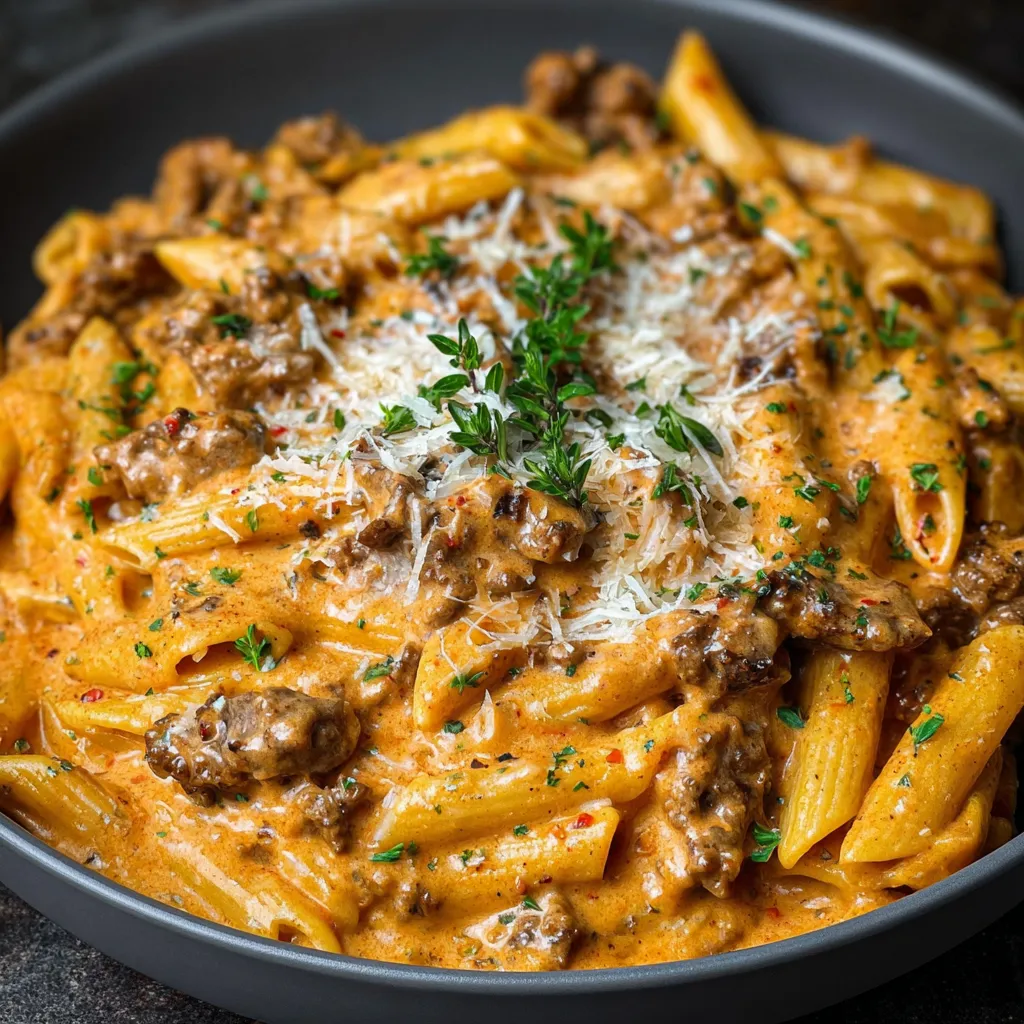
Ingredients:
- 1 pound lean ground beef (90/10)
- 1 tablespoon olive oil
- 1 medium onion, finely chopped
- 2 cloves garlic, minced
- 1 red bell pepper, finely chopped
- 1 (28 ounce) can crushed tomatoes
- 1 (15 ounce) can tomato sauce
- 1/2 cup beef broth
- 1 teaspoon dried oregano
- 1/2 teaspoon dried basil
- 1/4 teaspoon red pepper flakes (optional)
- Salt and black pepper to taste
- 1 pound high-protein pasta (chickpea or lentil-based)
- 1/2 cup grated Parmesan cheese
- 1/4 cup chopped fresh parsley
- 1/2 cup 2% Greek Yogurt (optional, for extra creaminess and protein)
Instructions:
- Brown the Beef: Heat the olive oil in a large skillet or Dutch oven over medium-high heat. Add the ground beef and cook, breaking it up with a spoon, until browned. Drain off any excess grease.
- Sauté the Aromatics: Add the onion, garlic, and bell pepper to the skillet and cook until softened, about 5 minutes.
- Build the Sauce: Stir in the crushed tomatoes, tomato sauce, beef broth, oregano, basil, red pepper flakes (if using), salt, and pepper. Bring to a simmer, then reduce heat to low, cover, and cook for at least 30 minutes, or up to 1 hour, stirring occasionally. The longer it simmers, the richer the flavor.
- Cook the Pasta: While the sauce is simmering, cook the pasta according to package directions. Drain well. Reserve about 1/2 cup of pasta water.
- Combine and Serve: Add the cooked pasta to the skillet with the beef sauce. Toss to coat. If the sauce is too thick, add a little of the reserved pasta water to thin it out. Stir in the Greek yogurt (if using).
- Garnish: Serve immediately, topped with Parmesan cheese and fresh parsley.
The Investigation: My Protein Pasta Pilgrimage
The Initial Descent into Dryness
My first few attempts were a disaster. Like many of you, I initially thought simply adding protein powder to a Beef Pasta recipe would do the trick. Oh, how wrong I was. The result was a gritty, flavorless mess that resembled something closer to beef-flavored sawdust than a comforting pasta dish. I tried different protein powders – whey, casein, even soy – but the texture remained stubbornly unpleasant. I even attempted baking the protein powder into the pasta itself, resulting in a rubbery, inedible catastrophe.The Ground Beef Revelation
Then, I had an “Aha!” moment. Instead of relying on processed protein powders, why not focus on optimizing the protein content of the existing ingredients? Ground beef, of course, was the obvious starting point. But the key was to choose the right lean-to-fat ratio. Too lean, and the beef would dry out during cooking, exacerbating the texture problem. Too fatty, and the dish would become greasy and unhealthy. After several experiments, I settled on 90/10 ground beef as the sweet spot. It provided enough fat for flavor and moisture without being overly greasy.The Secret Weapon: The Simmer
Another critical discovery was the importance of simmering the sauce. A quick, slapdash sauce simply wouldn’t cut it. A long, slow simmer allowed the flavors to meld together, creating a rich, complex depth that masked any potential dryness from the lean ground beef. I even experimented with adding a touch of red wine to the sauce, similar to the Beef Ragu, which added a wonderful depth of flavor. I found that using crushed tomatoes instead of diced also helped to create a smoother, more cohesive sauce.The Unexpected Allies: Greek Yogurt and High-Protein Pasta
Finally, I stumbled upon two unexpected allies: Greek yogurt and high-protein pasta. Adding a dollop of Greek yogurt at the end of cooking not only boosted the protein content but also added a creamy tang that balanced the richness of the beef sauce. As for the pasta, I initially dismissed high-protein options as being inferior in taste and texture. However, I was pleasantly surprised by the advancements in chickpea and lentil-based pastas. While they may not perfectly replicate the texture of traditional pasta, they offer a significant protein boost without sacrificing too much in terms of flavor. They are far superior choices to traditional pasta if you want to keep to the high protein theme. I even thought about making Ground Beef Gnocchi from scratch and increasing the protein content in that instead.The Technique: A Foolproof Path to Protein-Packed Pasta Perfection
Here’s the fail-proof method, distilled from my trials and tribulations:- Choose your beef wisely: Opt for 90/10 lean ground beef. It provides flavor without excessive fat.
- Don’t skimp on the aromatics: Onions, garlic, and bell peppers are essential for building a flavorful base. Sauté them until softened before adding the remaining ingredients.
- Embrace the simmer: A long, slow simmer is key to developing a rich, complex sauce. Aim for at least 30 minutes, or up to 1 hour.
- Consider the yogurt: A dollop of Greek yogurt at the end adds creaminess and a protein boost.
- Go high-protein (pasta): Choose chickpea or lentil-based pasta for an extra dose of protein.
- Don’t forget the pasta water: Reserve some pasta water to thin out the sauce if needed. It helps the sauce cling to the pasta.
- Season generously: Salt and pepper are your friends. Don’t be afraid to taste and adjust the seasoning as needed.
Why is it important to use the right lean-to-fat ratio when choosing ground beef for high-protein pasta?
Using the correct lean-to-fat ratio is crucial because too lean beef can result in a dry dish, while too fatty beef can make the dish greasy and less healthy. The article recommends 90/10 ground beef as a good balance.
How does simmering the sauce for a longer time improve the high-protein beef pasta?
Simmering the sauce for at least 30 minutes, or up to 1 hour, allows the flavors to meld together, creating a richer and more complex flavor. This also helps to mask any potential dryness from the lean ground beef.
What are some alternatives to traditional pasta to increase the protein content of the dish?
The article suggests using chickpea or lentil-based pasta as alternatives to traditional pasta. These options offer a significant protein boost without greatly sacrificing flavor.
Besides ground beef, what other ingredient can be added to this pasta recipe to boost the protein content?
Greek yogurt can be added at the end of cooking to boost the protein content. It also adds a creamy tang that balances the richness of the beef sauce.
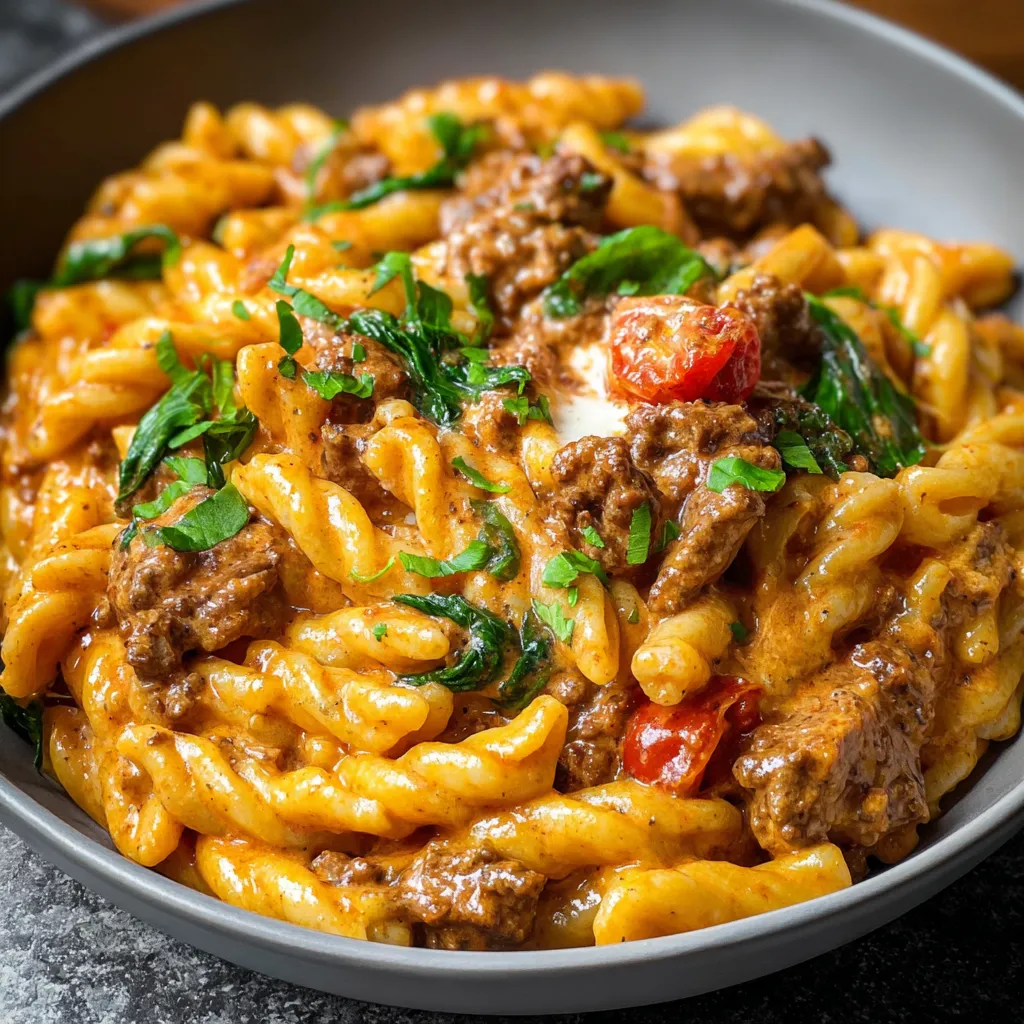
High Protein Beef Pasta
Ingredients
Equipment
Method
- Heat the olive oil in a large skillet or Dutch oven over medium-high heat. Add the ground beef and cook, breaking it up with a spoon, until browned. Drain off any excess grease.
- Add the onion, garlic, and bell pepper to the skillet and cook until softened, about 5 minutes.
- Stir in the crushed tomatoes, tomato sauce, beef broth, oregano, basil, red pepper flakes (if using), salt, and pepper. Bring to a simmer, then reduce heat to low, cover, and cook for at least 30 minutes, or up to 1 hour, stirring occasionally. The longer it simmers, the richer the flavor.
- While the sauce is simmering, cook the pasta according to package directions. Drain well. Reserve about 1/2 cup of pasta water.
- Add the cooked pasta to the skillet with the beef sauce. Toss to coat. If the sauce is too thick, add a little of the reserved pasta water to thin it out. Stir in the Greek yogurt (if using).
- Serve immediately, topped with Parmesan cheese and fresh parsley.