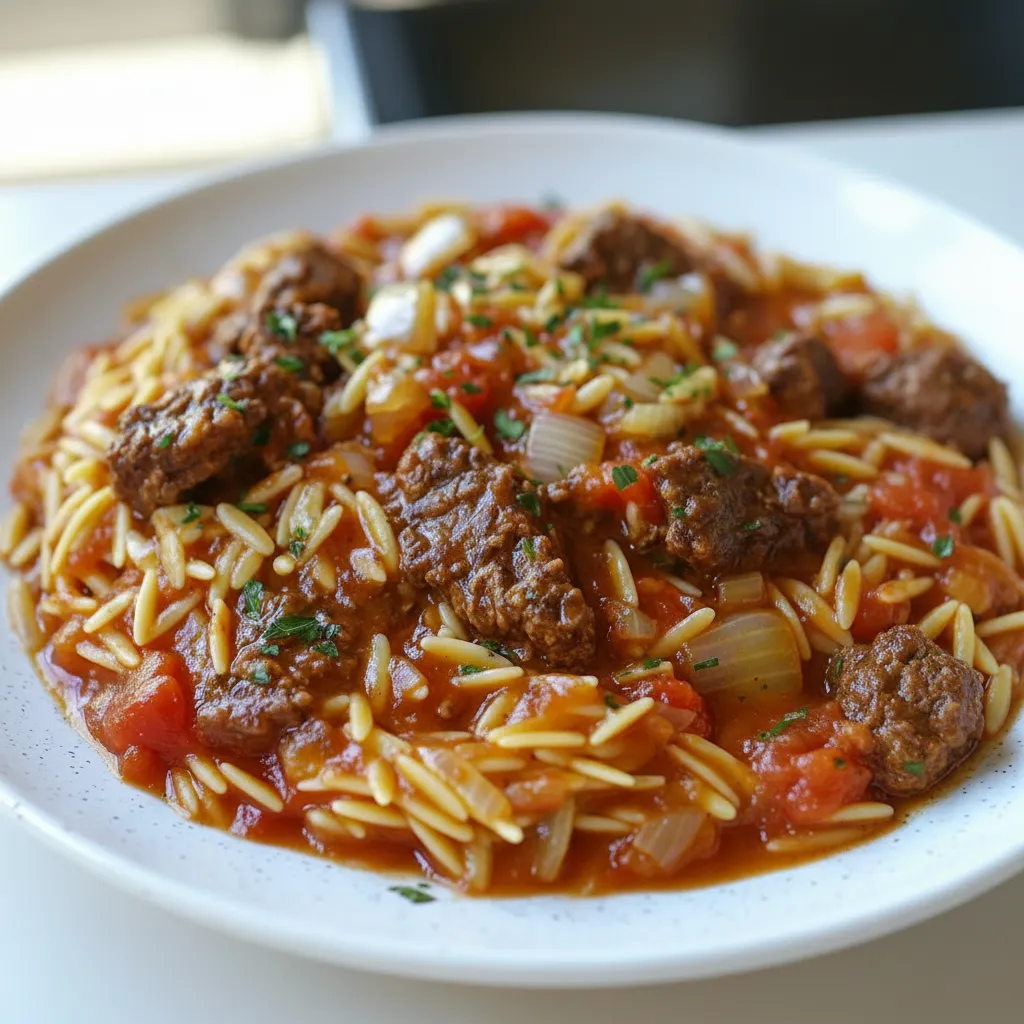
There’s something deeply comforting about a bowl of Greek Manestra that makes it the perfect weeknight dinner. This traditional orzo dish simmers in a rich tomato sauce with warm spices, creating a creamy, risotto-like texture that feels indulgent but comes together in just 35 minutes. Whether you’re looking for a cozy vegetarian dinner or want to explore authentic Greek home cooking, this manestra delivers serious flavor with minimal effort.
What makes this dish special is how the orzo releases its starches as it cooks, creating a naturally creamy sauce without any cream. The combination of grated tomatoes, aromatic spices like allspice and cinnamon, and a generous drizzle of olive oil transforms simple pantry ingredients into something memorable. It’s the kind of dinner that works for busy Tuesday nights but feels special enough to serve when you have guests.
Why You’ll Love This Greek Manestra Recipe
This is true Mediterranean comfort food that proves simple ingredients can create incredible flavor. The orzo cooks directly in the tomato sauce, soaking up every bit of seasoning while developing a creamy consistency that rivals risotto but requires less attention. You’ll appreciate how forgiving this recipe is. The whole spices infuse the sauce with warmth and depth without overwhelming the tomatoes, and the technique is straightforward enough for beginners while still producing restaurant-quality results.
The flexibility here is another win. Serve it as a vegetarian main course topped with crumbled feta, or brown some ground lamb or beef at the start for a heartier protein-packed dinner. It reheats beautifully, making it ideal for meal prep, and the ingredients are pantry staples you likely already have on hand. My family requests this regularly because it satisfies like pasta but feels lighter and more interesting than typical tomato-based dishes.
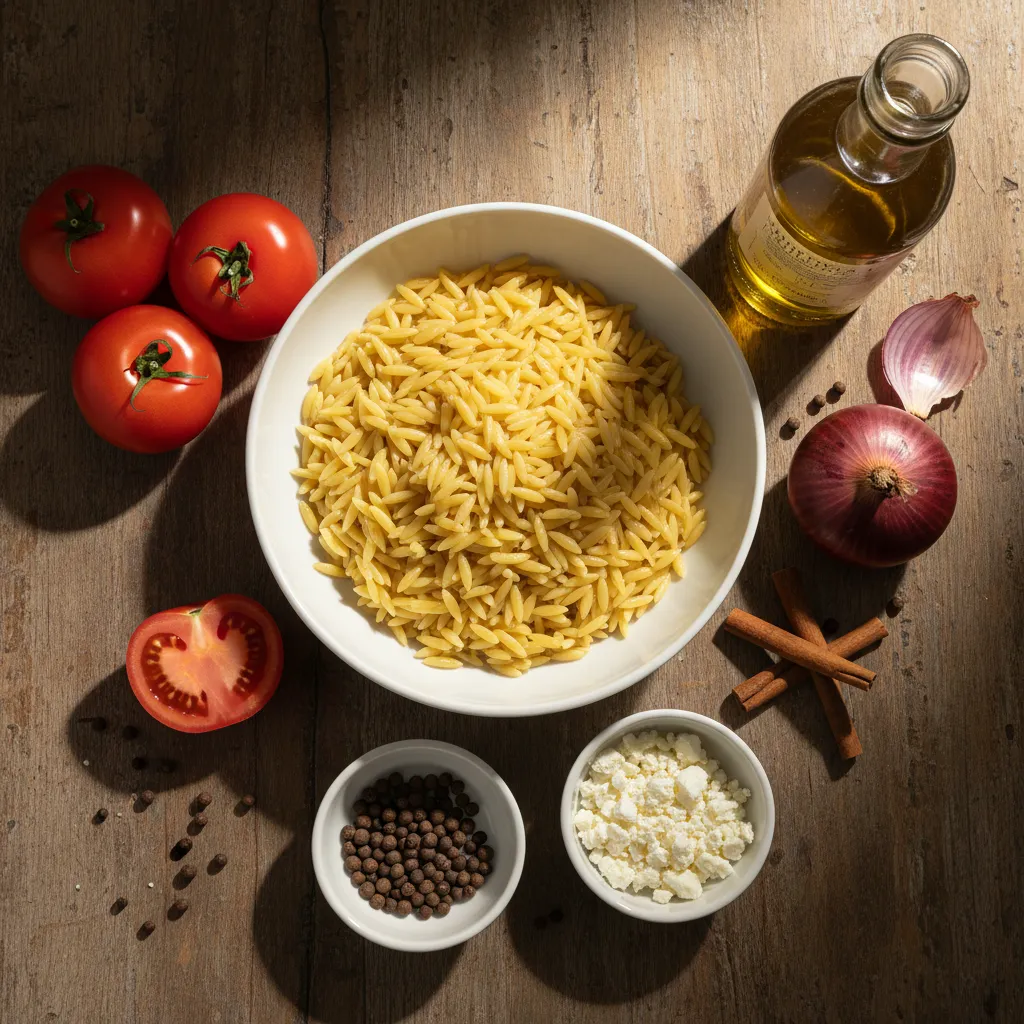
Ingredients for Greek Manestra
I always reach for orzo when I want pasta that cooks quickly and absorbs flavor exceptionally well. The rice-shaped grains are perfect for this dish because they release starch gradually, creating that signature creamy texture. Look for orzo labeled as kritharaki if you’re shopping at a Greek or Mediterranean market.
The Base:
- 250g (approx. 9 oz) orzo pasta (kritharaki)
- 3-4 tablespoons extra virgin olive oil
- 1 medium red onion, finely chopped
- 2 cloves garlic, minced
The Tomato Sauce:
- 3 medium ripe tomatoes, grated (skins discarded) OR 1 cup tomato passata
- 1.5 tablespoons tomato paste
- 1/4 cup dry red wine (optional)
- 4-5 cups hot water or vegetable/beef broth
Spices & Seasoning:
- 1 teaspoon sugar
- 4-6 whole allspice berries
- 1-2 dried bay leaves
- 1 small cinnamon stick (optional, for traditional depth)
- Salt and black pepper, to taste
Garnish:
- Crumbled feta cheese
- Fresh parsley or mint, chopped
- A drizzle of olive oil
The grated fresh tomatoes make a real difference if you can find ripe, flavorful ones, but quality tomato passata works perfectly during off-season months. I prefer red onion for its slight sweetness, though yellow onion is a fine substitute. Don’t skip the whole spices even though they get removed later. The allspice and cinnamon add subtle warmth that makes this taste authentically Greek rather than like standard Italian tomato pasta.
For the liquid, broth adds more depth than water, but I’ve made this countless times with just water and it still turns out excellent. The key is having it hot before you add it so you don’t drop the cooking temperature. Greek olive oil is worth using here since you’re not cooking it at high heat and the flavor really shines through.
How to Make Greek Manestra
The technique here is similar to making risotto, but more forgiving. You’ll stir frequently to prevent sticking, but you don’t need to stand over the pot adding liquid in tiny increments. The orzo releases its starches beautifully with just occasional attention.
- Prep the tomatoes: If using fresh tomatoes, grate them into a bowl using a hand grater and discard the skins. This creates a naturally chunky sauce with perfect texture.
- Sauté the aromatics: Heat the olive oil in a large pot over medium heat. Add the onion and sauté for 5-7 minutes until soft and translucent. The onion should be sweet and golden, not browned. Add the garlic and cook for 1 minute more until fragrant.
- Toast the orzo: Stir in the orzo pasta and cook for 1-2 minutes, stirring constantly to coat each grain in oil. This step deepens the nutty flavor of the pasta. Add the tomato paste and cook for another minute, stirring to prevent burning. The paste will darken slightly and smell sweet.
- Deglaze: Pour in the red wine if using and stir until it has mostly evaporated, about 1-2 minutes. This adds acidity and complexity to balance the tomatoes.
- Build the sauce: Add the grated tomatoes, sugar, allspice berries, bay leaves, and cinnamon stick. Stir well to combine everything. The sugar cuts the natural acidity of the tomatoes without making the dish sweet.
- Add liquid and simmer: Pour in 4 cups of hot water or broth to start. Reduce heat to low-medium and simmer, stirring frequently. Orzo has a tendency to stick to the bottom of the pot, so keep your spoon moving every few minutes. In my experience, stirring every 3-4 minutes prevents sticking while still allowing the starches to release properly.
- Cook to perfection: Continue cooking for 12-15 minutes until the orzo is tender but still has a slight bite. The consistency should be saucy and creamy, similar to a loose risotto, not soupy. If the mixture gets too thick or the orzo isn’t quite tender, add the remaining cup of hot liquid a splash at a time.
- Rest and serve: Remove from heat and fish out the whole spices using a spoon. Let the manestra rest for 5 minutes off the heat. It will continue to thicken as it sits. Serve hot with generous amounts of crumbled feta and fresh herbs on top.
The resting period is important because the orzo continues absorbing liquid even after you turn off the heat. I find this is when the texture becomes perfectly creamy rather than wet or dry.
What to Serve with Greek Manestra
This orzo dish is substantial enough to serve as a main course, but a few simple sides complete the meal beautifully.
Greek Salad: The classic pairing works perfectly here. Crisp cucumbers, juicy tomatoes, briny olives, and tangy feta provide a fresh contrast to the warm, creamy manestra. The acidity from the red wine vinegar dressing cuts through the richness.
Crusty Bread: A good rustic bread or warm pita is essential for soaking up every bit of sauce. I always have bread on the table when serving this because the tomato sauce is too good to waste.
Roasted Vegetables: Zucchini, eggplant, or bell peppers roasted with olive oil and oregano add Mediterranean flair and extra vegetables to the plate. The slight char and smokiness complement the sweet tomato sauce.
Garlic Greens: Sautéed spinach, Swiss chard, or dandelion greens with garlic and lemon provide a bitter, bright contrast that balances the richness of the orzo. This is how my Greek friends typically serve it.
Grilled Chicken or Lamb: If you want to add protein without cooking it into the manestra, grilled souvlaki-style chicken or lamb pairs beautifully. The char and herbs echo the Mediterranean flavors.
Tzatziki: A cool, cucumber-yogurt sauce on the side adds creaminess and tang. It’s not traditional with manestra specifically, but it works wonderfully if you’re building a full Greek spread.
Pro Tips & Variations
Stir frequently: This isn’t a hands-off recipe. The orzo needs regular stirring to prevent sticking and to help release the starches that create the creamy texture. Set a timer to remind yourself every few minutes.
Control the consistency: Manestra should be saucy but not soupy. If it looks too thick during cooking, add hot liquid in small amounts. If it seems too thin at the end, let it rest longer or simmer an extra few minutes uncovered.
Use quality olive oil: Since olive oil is a main flavor component here, use something you’d be happy drizzling on finished dishes. Greek extra virgin olive oil has a fruity, peppery quality that enhances this recipe.
Don’t skip the sugar: Just one teaspoon balances the acidity of the tomatoes without making the dish sweet. This is a standard technique in Greek cooking.
Make it meaty: For a traditional giouvetsi-style dish, brown 1 pound of ground beef or lamb in the pot before adding the onions. The meat adds richness and makes this a complete protein-packed dinner.
Try different herbs: While parsley and mint are classic garnishes, fresh dill or oregano also work beautifully. Choose based on what you have and your personal preference.
Go vegan: Simply skip the feta garnish or use a plant-based alternative. The dish itself is already vegan-friendly when made with vegetable broth.
Add vegetables: Diced zucchini, bell peppers, or mushrooms can be sautéed with the onions for extra nutrition and texture without changing the fundamental character of the dish.
Storage & Reheating Tips
Manestra stores well in an airtight container in the refrigerator for up to 3 days, though it will absorb almost all the liquid as it sits. This is normal and expected with orzo-based dishes.
When reheating, add a splash of water or broth to the pot or microwave-safe bowl before warming. Start with 1/4 cup of liquid per serving and stir well. Heat gently over medium-low on the stovetop, stirring frequently, or microwave in 1-minute intervals, stirring between each. The orzo will rehydrate and regain its creamy consistency.
I don’t recommend freezing this dish because the orzo texture changes significantly when frozen and thawed. If you want to meal prep, make the tomato sauce base ahead and cook the orzo fresh when you’re ready to eat. The sauce keeps for up to 5 days refrigerated or 3 months frozen.
For make-ahead dinners, you can prep all your vegetables and measure out ingredients the night before. The actual cooking time is quick enough that it works well as a weeknight meal without advance preparation.
Common Questions
Can I use a different pasta shape? Orzo is traditional and works best because of how it releases starch, but small pasta shapes like ditalini or acini di pepe can work in a pinch. Adjust the cooking time based on the package directions for your chosen pasta.
Why is my manestra sticking to the pot? This is common with orzo. Make sure you’re stirring frequently (every 3-4 minutes) and that your heat isn’t too high. Medium-low heat works better than medium-high, even though it takes slightly longer.
Can I make this in advance? The dish is best fresh, but you can make it a few hours ahead and reheat gently with added liquid. It won’t have quite the same creamy texture as freshly made, but it’s still delicious.
What if I can’t find allspice berries? You can use 1/4 teaspoon ground allspice instead, though whole spices provide more subtle flavor. In a pinch, a small pinch of ground cloves mixed with cinnamon approximates the warm spice notes.
How do I know when it’s done? The orzo should be tender with a slight bite (al dente), and the mixture should be creamy and saucy, not watery or dry. Taste a few grains to check for doneness.
This Greek manestra proves that simple Mediterranean ingredients can create something truly special for dinner. The creamy texture, aromatic spices, and rich tomato flavor make it comforting enough for a quiet weeknight but interesting enough to serve to guests. Give this one a try the next time you’re craving pasta with a twist.
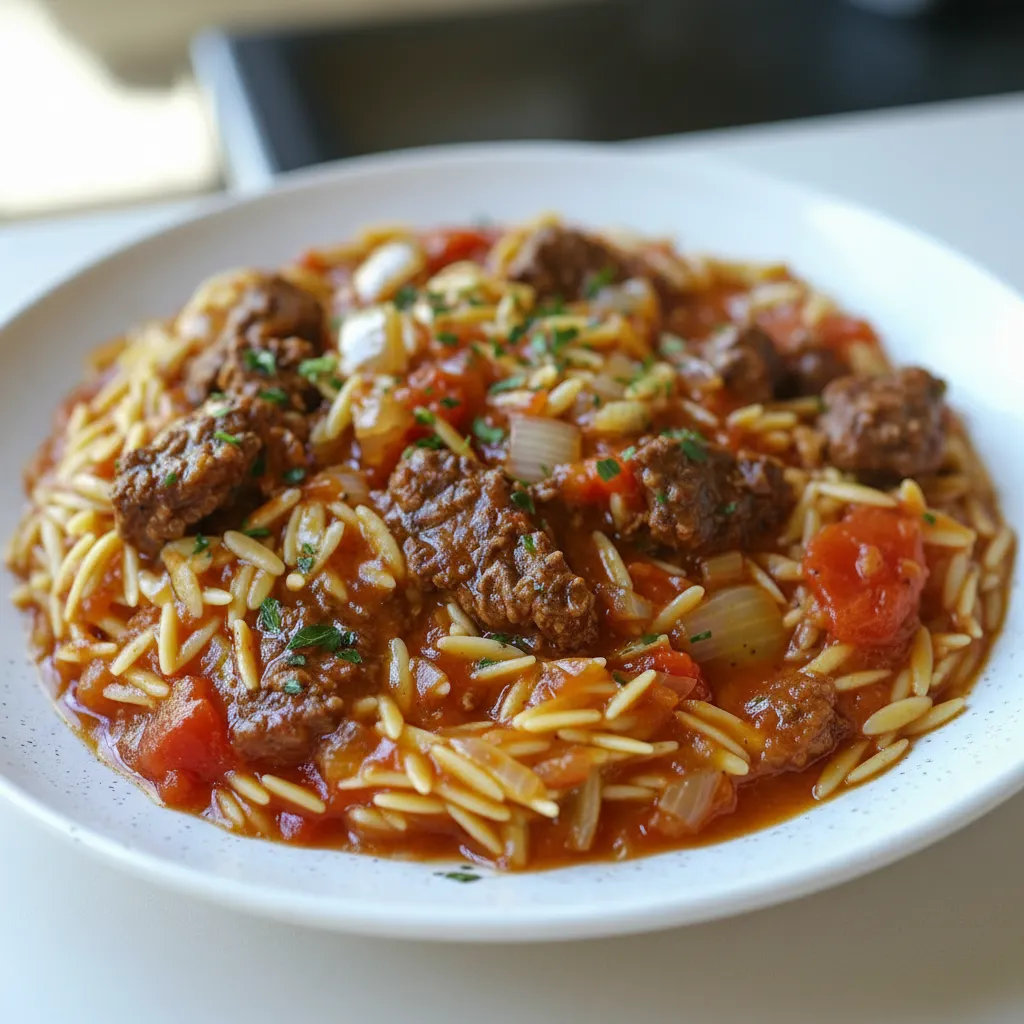
Greek Manestra (Orzo with Tomato Sauce)
Ingredients
Equipment
Method
- If using fresh tomatoes, grate them into a bowl using a hand grater and discard the skins. Set aside.
- Heat the olive oil in a large pot over medium heat. Add the onion and sauté for 5-7 minutes until soft and translucent. Add the garlic and cook for 1 minute more until fragrant.
- Stir in the orzo pasta and cook for 1-2 minutes, stirring constantly to coat the grains in oil. Add the tomato paste and cook for another minute to deepen the flavor.
- Pour in the red wine (if using) and stir until it has mostly evaporated, about 1-2 minutes.
- Add the grated tomatoes, sugar, allspice berries, bay leaves, and cinnamon stick. Stir well to combine.
- Pour in 4 cups of hot water or broth. Reduce heat to low-medium and simmer, stirring frequently to prevent sticking. Cook for 12-15 minutes until the orzo is tender but still has a slight bite (al dente). The consistency should be saucy and creamy, not soupy. Add remaining liquid if needed.
- Remove from heat and discard the whole spices (bay leaves, cinnamon stick, allspice berries). Let rest for 5 minutes to thicken.
- Serve hot with plenty of crumbled feta, fresh herbs, and a drizzle of olive oil.