Unlocking the Secrets: The Science Behind a Perfect Lasagna
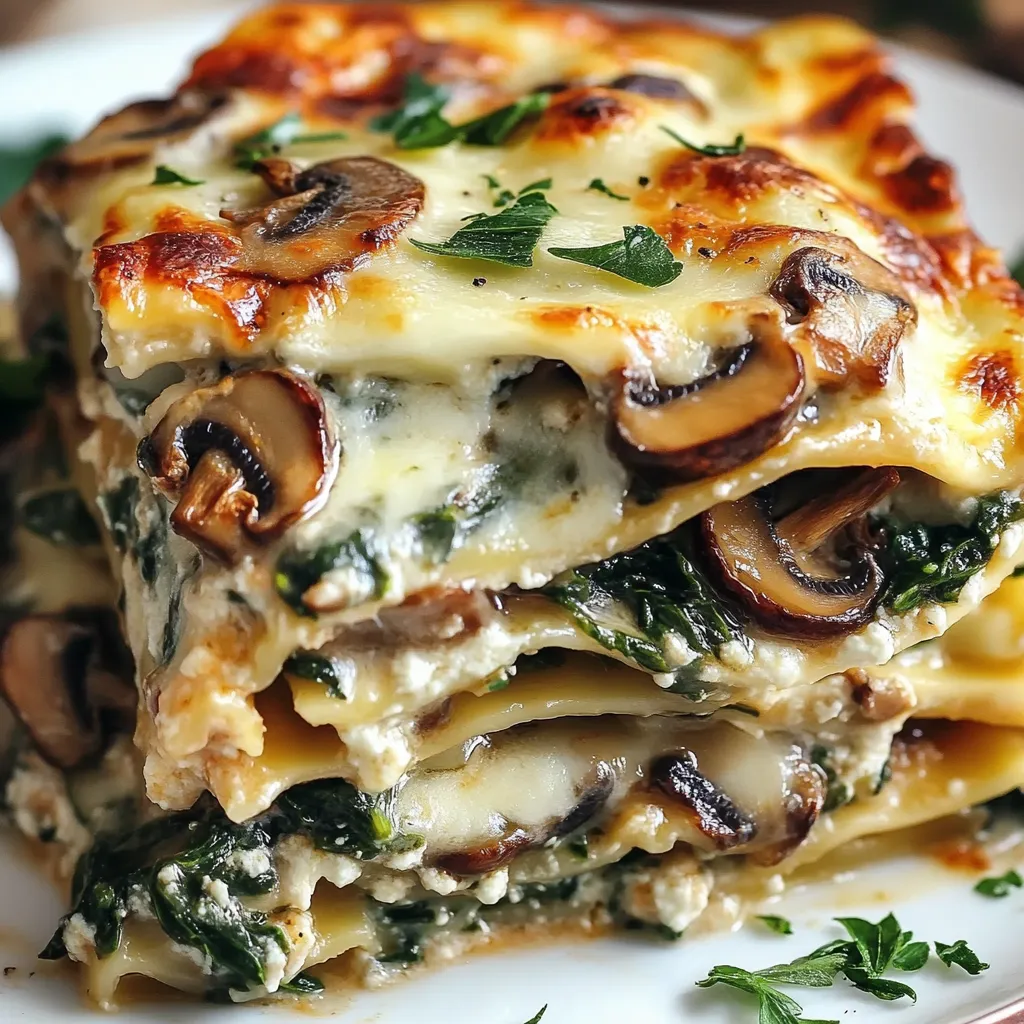
Lasagna, at its heart, is an exercise in layering and moisture control. The interplay between the pasta, sauce, cheese, and fillings dictates the final outcome. Excess moisture is the enemy, leading to a soggy, unappetizing mess. This is particularly relevant with mushrooms and spinach, both of which release significant amounts of water when cooked. The science boils down to understanding how each ingredient contributes to the overall structure and flavor. The pasta sheets, whether fresh or dried (and pre-cooked or not), absorb liquid from the sauce. The cheese provides richness, binding, and flavor. The mushrooms and spinach contribute earthy notes and valuable nutrients, but they also introduce a moisture challenge. The key to success lies in proper preparation and technique. We need to pre-cook the mushrooms and spinach to release excess moisture, thicken the sauce to prevent it from being overly watery, and use the right balance of cheese to absorb any remaining liquid. Furthermore, the type of pasta used matters significantly. No-boil noodles, for example, are designed to absorb a considerable amount of liquid during baking, making them a good choice. However, they can become mushy if over-saturated, so we must carefully control the moisture content.The Ultimate Mushroom and Spinach Lasagna Recipe
Ingredients:
- For the Mushroom and Spinach Filling:
- 1 tablespoon olive oil
- 1 large onion, chopped
- 2 cloves garlic, minced
- 1 pound cremini mushrooms, sliced
- 10 ounces fresh spinach, roughly chopped
- 1/4 teaspoon red pepper flakes (optional)
- Salt and freshly ground black pepper to taste
- For the Cheese Mixture:
- 15 ounces ricotta cheese
- 1/2 cup grated Parmesan cheese
- 1/4 cup chopped fresh basil
- 1 large egg, lightly beaten
- Salt and freshly ground black pepper to taste
- For the Tomato Sauce:
- 2 tablespoons olive oil
- 2 cloves garlic, minced
- 1 (28 ounce) can crushed tomatoes
- 1 (15 ounce) can tomato sauce
- 1 teaspoon dried oregano
- 1/2 teaspoon dried basil
- 1/4 teaspoon sugar (optional, to balance acidity)
- Salt and freshly ground black pepper to taste
- Other:
- 9-12 no-boil lasagna noodles (depending on the size of your dish)
- 2 cups shredded mozzarella cheese
Instructions:
- Prepare the Mushroom and Spinach Filling: Heat olive oil in a large skillet over medium heat. Add onion and cook until softened, about 5 minutes. Add garlic and cook for 1 minute more. Add sliced mushrooms and cook until they release their liquid and begin to brown, about 8-10 minutes. Add spinach and red pepper flakes (if using) and cook until spinach is wilted, about 2-3 minutes. Season with salt and pepper to taste. Drain any excess liquid from the skillet. Set aside.
- Prepare the Cheese Mixture: In a medium bowl, combine ricotta cheese, Parmesan cheese, basil, and egg. Season with salt and pepper to taste. Mix well.
- Prepare the Tomato Sauce: Heat olive oil in a saucepan over medium heat. Add garlic and cook for 1 minute. Add crushed tomatoes, tomato sauce, oregano, basil, and sugar (if using). Season with salt and pepper to taste. Bring to a simmer and cook for 15-20 minutes, stirring occasionally, until slightly thickened.
- Assemble the Lasagna: Preheat oven to 375°F (190°C). Spread a thin layer of tomato sauce in the bottom of a 9×13 inch baking dish. Place a layer of lasagna noodles over the sauce, overlapping as needed to cover the bottom of the dish. Spread half of the ricotta cheese mixture over the noodles. Top with half of the mushroom and spinach filling. Sprinkle with 1/3 of the mozzarella cheese. Repeat layers: noodles, remaining ricotta cheese mixture, remaining mushroom and spinach filling, 1/3 of the mozzarella cheese. Top with a final layer of noodles, remaining tomato sauce, and remaining mozzarella cheese.
- Bake the Lasagna: Cover the baking dish with aluminum foil. Bake for 30 minutes. Remove the foil and bake for an additional 15-20 minutes, or until the cheese is melted and bubbly and the lasagna is heated through.
- Rest the Lasagna: Let the lasagna rest for 10-15 minutes before slicing and serving. This allows the lasagna to set and makes it easier to cut.
My Culinary Journey: The Lasagna Investigation
The Soggy Beginnings
My first few attempts were a disaster. I used fresh lasagna noodles (thinking they were superior), didn’t pre-cook the vegetables adequately, and ended up with a watery, collapsing lasagna that tasted mostly of sadness. The mushrooms released so much water that the whole thing became a swampy mess. I tried to salvage it, but it was beyond repair. This made me think of Lasagna Soup, which while delicious and soupy by design, wasn’t what I was going for in lasagna form.The Cheese Conundrum
Then, I focused on the cheese. Like many of you, I initially thought that more cheese equals better lasagna. I piled on the mozzarella, hoping it would absorb the excess moisture. It helped, but the lasagna was now overwhelmingly cheesy and lacked balance. Also, using too much mozzarella without enough ricotta created a rubbery texture.The “Aha!” Moment: Pre-Cooking is Key
Then, I had an “Aha!” moment. I realized that the key was not just absorbing the moisture but preventing it in the first place. Pre-cooking the mushrooms and spinach thoroughly and draining off *all* the excess liquid made a world of difference. This also concentrated their flavors, adding depth to the lasagna. I also considered how different pasta types affect the final product.Sauce Thickening Strategies
The sauce also needed attention. Initially, my sauce was too thin, further contributing to the soggy factor. Simmering it for longer helped, but I also experimented with adding a small amount of tomato paste to thicken it. That worked wonders!Noodle Navigation
Finally, I experimented with different types of lasagna noodles. Fresh noodles were too delicate and absorbed too much water. Pre-cooked noodles were better, but no-boil noodles proved to be the most reliable. They absorbed the right amount of liquid during baking without becoming mushy, provided I controlled the overall moisture content. This made me think of the ease of Million Dollar Ravioli Casserole, and how it’s all about layers and flavor.The Foolproof Technique: A Step-by-Step Guide to Lasagna Nirvana
Here’s the foolproof method I developed, a roadmap to lasagna perfection:- Master the Mushroom and Spinach: Sauté your mushrooms and spinach until they release their liquid, and then *continue* cooking until the liquid evaporates and they start to brown slightly. Season aggressively!
- Drain, Drain, Drain: After cooking the vegetables, drain them thoroughly in a colander. Press out as much liquid as possible. This is non-negotiable.
- Thicken the Sauce: Simmer your tomato sauce for at least 20 minutes, or until it thickens slightly. Add a tablespoon or two of tomato paste for extra insurance.
- Balance the Cheese: Use a good quality ricotta cheese and don’t overdo the mozzarella. A ratio of about 2:1 ricotta to mozzarella is ideal.
- Embrace No-Boil Noodles: They are your friend. Just make sure your sauce is sufficiently moist, but not overly watery.
- Layer Strategically: Start with a thin layer of sauce on the bottom of the dish. This prevents the noodles from sticking.
- Bake and Rest: Bake the lasagna covered with foil for the first 30 minutes to allow the noodles to cook through. Then, remove the foil and bake for another 15-20 minutes to brown the cheese. Let it rest for 10-15 minutes before slicing.
What is the key to preventing a watery mushroom and spinach lasagna?
The key is to pre-cook the mushrooms and spinach thoroughly to release excess moisture, thicken the tomato sauce, and use the right balance of cheese to absorb any remaining liquid. Draining the vegetables well after cooking is also essential.
What type of lasagna noodles are recommended for this recipe and why?
No-boil lasagna noodles are recommended because they absorb a considerable amount of liquid during baking without becoming mushy, provided the moisture content is carefully controlled.
What is the ideal ratio of ricotta to mozzarella cheese in this lasagna recipe?
A ratio of about 2:1 ricotta to mozzarella is ideal to prevent the lasagna from becoming overwhelmingly cheesy or having a rubbery texture.
Why is it important to let the lasagna rest after baking?
Letting the lasagna rest for 10-15 minutes before slicing allows it to set, which makes it easier to cut and serve without falling apart.
Easy Mushroom and Spinach Lasagna
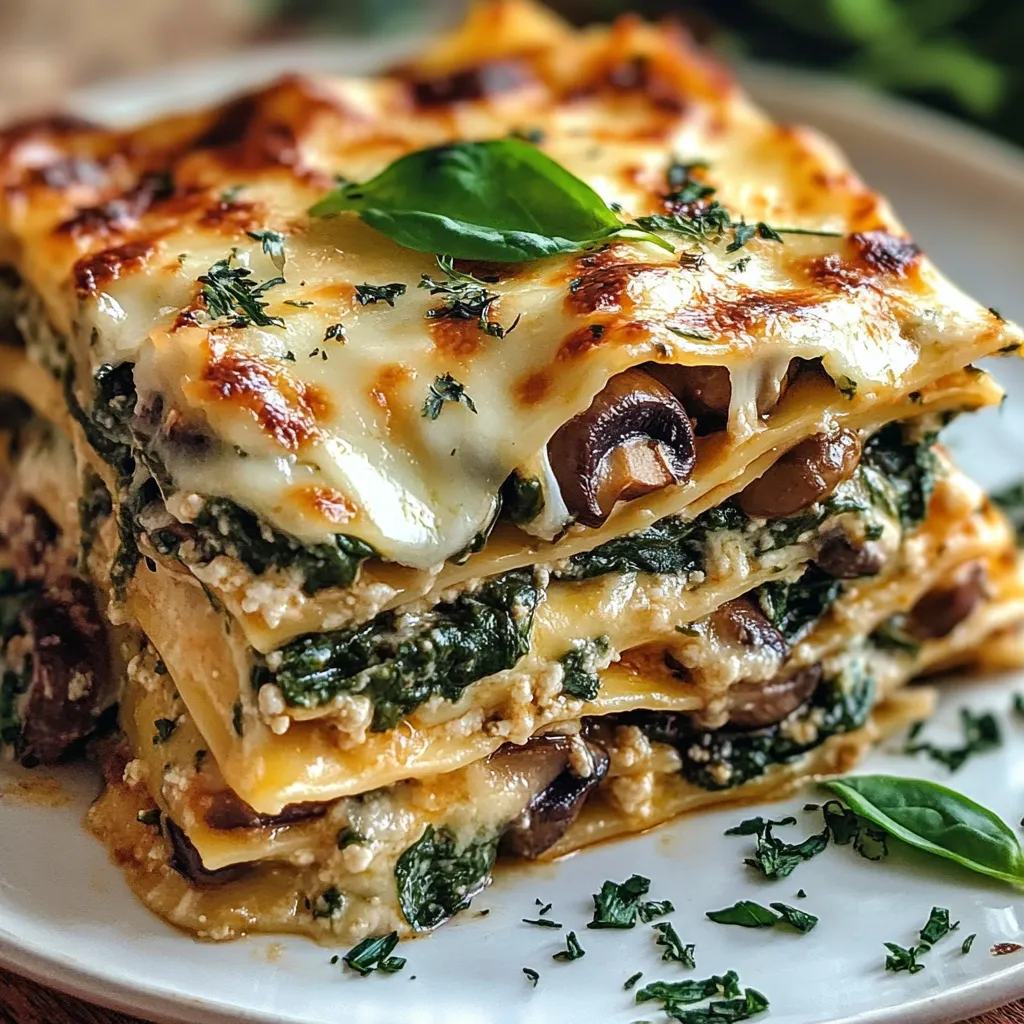
This lasagna features layers of tender mushrooms, wilted spinach, creamy ricotta, and a rich tomato sauce, all nestled between no-boil lasagna noodles. Pre-cooking the vegetables is the key to preventing a watery lasagna, resulting in a flavorful and satisfying dish.
Ingredients
Equipment
Method
- Prepare the Mushroom and Spinach Filling: Heat olive oil in a large skillet over medium heat. Add onion and cook until softened, about 5 minutes. Add garlic and cook for 1 minute more. Add sliced mushrooms and cook until they release their liquid and begin to brown, about 8-10 minutes. Add spinach and red pepper flakes (if using) and cook until spinach is wilted, about 2-3 minutes. Season with salt and pepper to taste. Drain any excess liquid from the skillet. Set aside.
- Prepare the Cheese Mixture: In a medium bowl, combine ricotta cheese, Parmesan cheese, basil, and egg. Season with salt and pepper to taste. Mix well.
- Prepare the Tomato Sauce: Heat olive oil in a saucepan over medium heat. Add garlic and cook for 1 minute. Add crushed tomatoes, tomato sauce, oregano, basil, and sugar (if using). Season with salt and pepper to taste. Bring to a simmer and cook for 15-20 minutes, stirring occasionally, until slightly thickened.
- Assemble the Lasagna: Preheat oven to 375°F (190°C). Spread a thin layer of tomato sauce in the bottom of a 9×13 inch baking dish. Place a layer of lasagna noodles over the sauce, overlapping as needed to cover the bottom of the dish. Spread half of the ricotta cheese mixture over the noodles. Top with half of the mushroom and spinach filling. Sprinkle with 1/3 of the mozzarella cheese. Repeat layers: noodles, remaining ricotta cheese mixture, remaining mushroom and spinach filling, 1/3 of the mozzarella cheese. Top with a final layer of noodles, remaining tomato sauce, and remaining mozzarella cheese.
- Bake the Lasagna: Cover the baking dish with aluminum foil. Bake for 30 minutes. Remove the foil and bake for an additional 15-20 minutes, or until the cheese is melted and bubbly and the lasagna is heated through.
- Rest the Lasagna: Let the lasagna rest for 10-15 minutes before slicing and serving. This allows the lasagna to set and makes it easier to cut.
Notes
For best results, ensure the mushroom and spinach filling is thoroughly drained to prevent a watery lasagna. Simmer the tomato sauce until slightly thickened. Leftovers can be stored in the refrigerator for up to 3 days. You can substitute dried spinach for fresh, but be sure to rehydrate it and squeeze out excess water. For a richer flavor, use a combination of ricotta and mascarpone cheese.