Decoding the Cream: The Science Behind the Sauce
Creamy sauces, at their heart, are emulsions – a delicate dance between fat and water. In the case of Creamy Chicken Pasta, the fat comes from butter, cream, and often cheese, while the water comes from the pasta cooking water, chicken broth, or even the vegetables. The key to a stable emulsion is maintaining the correct temperature and using an emulsifier. An emulsifier, in this case, can be starch from the pasta water, cheese (especially hard cheeses like Parmesan), or even a touch of mustard. Understanding this delicate balance is the first step in creating a truly exceptional creamy sauce. Without proper attention, the sauce can break – the fat separating from the water, resulting in a greasy and unappetizing dish. We also need to consider the acidity. Too much acid (from wine, lemon juice, or tomatoes) can curdle the cream, another culinary disaster we want to avoid.The Ultimate Creamy Chicken Pasta Recipe
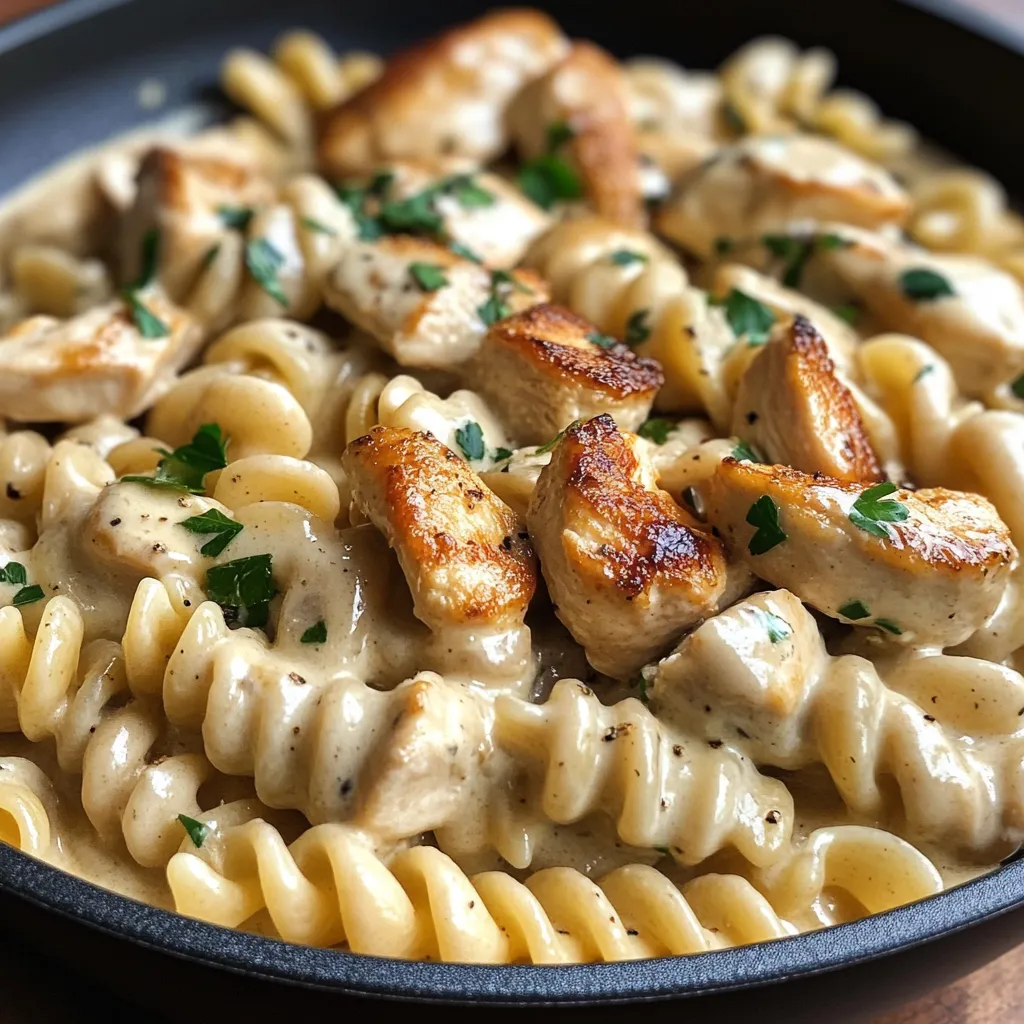 Here’s my go-to recipe for Creamy Chicken Pasta, a culmination of years of experimentation and, yes, a few kitchen catastrophes.
Ingredients:
- 1 pound boneless, skinless chicken breasts, cut into bite-sized pieces
- 1 pound pasta (penne, fettuccine, or rotini work well)
- 2 tablespoons olive oil
- 4 tablespoons butter, divided
- 2 cloves garlic, minced
- 1/2 cup chicken broth
- 1 cup heavy cream
- 1/2 cup grated Parmesan cheese
- 1/4 cup chopped fresh parsley
- Salt and pepper to taste
- Optional: 1/4 cup white wine (dry)
Instructions:
- Cook the pasta according to package directions until al dente. Reserve about 1 cup of pasta water before draining.
- While the pasta is cooking, season the chicken with salt and pepper.
- Heat olive oil and 2 tablespoons of butter in a large skillet over medium-high heat. Add the chicken and cook until browned and cooked through, about 5-7 minutes. Remove the chicken from the skillet and set aside.
- Add the remaining 2 tablespoons of butter to the skillet. Add the garlic and cook until fragrant, about 30 seconds.
- If using, deglaze the pan with white wine, scraping up any browned bits from the bottom of the skillet. Let the wine reduce slightly.
- Pour in the chicken broth and bring to a simmer.
- Stir in the heavy cream and Parmesan cheese. Reduce the heat to low and simmer gently until the sauce has thickened slightly, about 3-5 minutes.
- If the sauce is too thick, add a little of the reserved pasta water to thin it out. If it’s too thin, continue to simmer until it reaches the desired consistency.
- Add the cooked chicken and pasta to the skillet. Toss to coat everything evenly with the sauce.
- Stir in the parsley and season with salt and pepper to taste.
- Serve immediately and enjoy!
My Creamy Chicken Pasta Odyssey: The Investigation
My journey to the perfect Creamy Chicken Pasta was paved with good intentions and, initially, disastrous results. Like many of you, I initially thought it was simply a matter of throwing everything into a pan and hoping for the best. Oh, how wrong I was!The Soggy Pasta Saga
My first few attempts were a disaster. The pasta was always overcooked and gummy, the sauce either watery or gluey. I realized that properly cooking the pasta to *al dente* and reserving pasta water was crucial. The starch in the pasta water acts as a natural thickener and emulsifier, helping the sauce cling to the pasta instead of sliding off.The Great Sauce Separation
Then came the sauce separation issue. The cream would curdle, or the fat would separate, leaving an oily mess. I learned that high heat was the enemy. Lowering the heat to a gentle simmer and adding the cream gradually, while constantly stirring, made a world of difference. Also, quality ingredients matter. Using a good quality heavy cream, not a low-fat substitute, is essential for a rich and stable sauce. I also discovered the magic of Parmesan cheese. It not only adds flavor but also acts as an emulsifier, helping to bind the sauce together. Sometimes I even think about adding a little bit of mozzarella like they do in Creamy Tomato Chicken Pasta.The Chicken Conundrum
The chicken was another challenge. It was either dry and overcooked or undercooked and…well, not safe. Cutting the chicken into bite-sized pieces and cooking it separately ensured that it cooked evenly and remained tender. Browning the chicken before adding it to the sauce also added a layer of flavor that I had been missing. I even tried experimenting with different cuts of chicken, like thighs, but I ultimately preferred the texture of chicken breast. This recipe reminds me of the simple pleasures I get when I make Garlic Butter Chicken Pasta.The Garlic Gamble
Initially, I added the garlic at the same time as the chicken. This resulted in burnt, bitter garlic. Then, I had an “Aha!” moment: adding the garlic to the butter *after* the chicken was removed, and cooking it briefly until fragrant, unlocked its full flavor potential without the bitterness.The Wine Wonder (and Its Pitfalls)
I experimented with adding a splash of dry white wine to deglaze the pan after cooking the chicken. This added a wonderful depth of flavor to the sauce. However, I quickly learned that too much wine, or a wine that was too acidic, could curdle the cream. The key is to use a small amount of dry white wine and let it reduce slightly before adding the cream. You could even try a red wine for a richer, deeper flavor, depending on your preference, much like one would do for Chicken Rigatoni.The Cheese Choice
I tried various cheeses, including cheddar, mozzarella, and provolone. While they all added flavor, Parmesan cheese consistently delivered the best results. Its sharp, salty flavor complemented the richness of the cream, and its emulsifying properties helped to create a smooth, stable sauce. I even drew inspiration from Boursin Chicken Pasta and considered adding a dollop of Boursin cheese for extra creaminess and flavor, but ultimately stuck with the classic Parmesan.The Foolproof Formula: Mastering the Creamy Chicken Pasta Technique
After countless attempts and a mountain of dirty dishes, I’ve distilled the process down to a foolproof method. Follow these steps, and you’ll be well on your way to Creamy Chicken Pasta perfection.- Prep is Key: Cut the chicken into bite-sized pieces and gather all your ingredients before you start cooking. This will streamline the process and prevent any last-minute scrambling.
- Pasta Perfection: Cook the pasta *al dente* and reserve at least 1 cup of pasta water.
- Chicken Champ: Season the chicken well and brown it in a mixture of olive oil and butter. Remove the chicken from the skillet and set aside.
- Garlic Grace: Add the minced garlic to the skillet and cook until fragrant, being careful not to burn it.
- Wine Wisdom (Optional): Deglaze the pan with a splash of dry white wine, scraping up any browned bits from the bottom of the skillet. Let the wine reduce slightly.
- Creamy Creation: Pour in the chicken broth and bring to a simmer. Reduce the heat to low and gradually stir in the heavy cream and Parmesan cheese. Simmer gently until the sauce has thickened slightly.
- Sauce Savior: If the sauce is too thick, add a little of the reserved pasta water to thin it out. If it’s too thin, continue to simmer until it reaches the desired consistency.
- Combine & Conquer: Add the cooked chicken and pasta to the skillet and toss to coat everything evenly with the sauce.
- Finishing Flourish: Stir in the fresh parsley and season with salt and pepper to taste.
- Serve & Savor: Serve immediately and enjoy the fruits of your labor! It’s a lot less risky than making Chicken Scampi Pasta, trust me! Or for a lighter take on things, you could always try Chicken Pesto Pasta.
What’s the key to preventing the creamy sauce from separating and becoming greasy?
Maintaining the correct temperature and using an emulsifier are crucial. The emulsifier can be starch from pasta water, cheese (especially Parmesan), or even a touch of mustard. Simmering the sauce gently and adding the cream gradually also helps.
Why is reserving pasta water important for this recipe?
The starch in the pasta water acts as a natural thickener and emulsifier, helping the sauce cling to the pasta instead of sliding off. It can also be used to thin the sauce if it becomes too thick.
How do you prevent the garlic from burning and becoming bitter?
Add the minced garlic to the skillet *after* the chicken is removed, and cook it briefly until fragrant. This unlocks its full flavor potential without the bitterness of burnt garlic.
What kind of pasta works best for this recipe?
Penne, fettuccine, or rotini work well for Creamy Chicken Pasta.
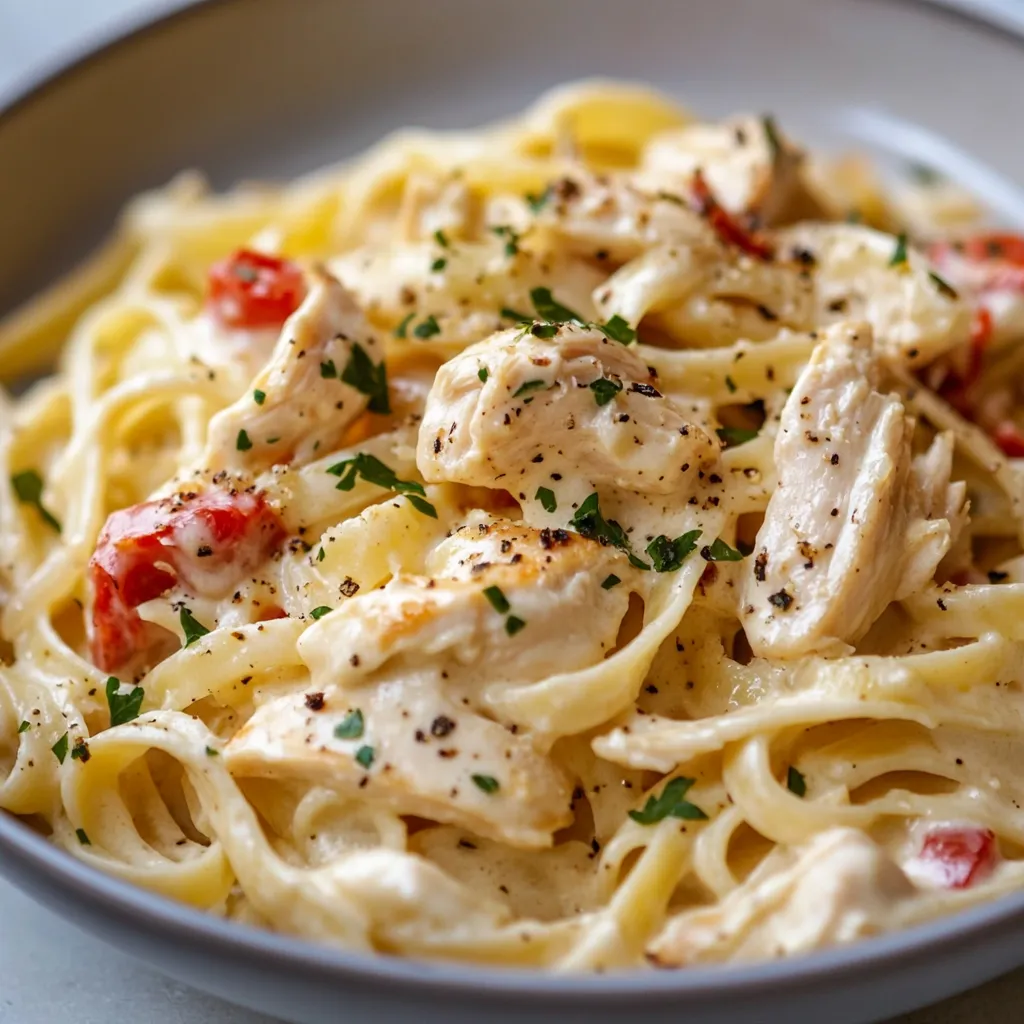
Easy Creamy Chicken Pasta
This creamy chicken pasta recipe delivers a perfectly balanced, decadent sauce that clings to al dente pasta and tender chicken. By understanding the science of emulsions and using quality ingredients, you can avoid a greasy, separated mess and create a truly exceptional dish. This recipe is a culmination of years of experimentation, ensuring a foolproof method for creamy pasta perfection.
Ingredients
Equipment
Method
- Cook the pasta according to package directions until al dente. Reserve about 1 cup of pasta water before draining.
- While the pasta is cooking, season the chicken with salt and pepper.
- Heat olive oil and 2 tablespoons of butter in a large skillet over medium-high heat. Add the chicken and cook until browned and cooked through, about 5-7 minutes. Remove the chicken from the skillet and set aside.
- Add the remaining 2 tablespoons of butter to the skillet. Add the garlic and cook until fragrant, about 30 seconds.
- If using, deglaze the pan with white wine, scraping up any browned bits from the bottom of the skillet. Let the wine reduce slightly.
- Pour in the chicken broth and bring to a simmer.
- Stir in the heavy cream and Parmesan cheese. Reduce the heat to low and simmer gently until the sauce has thickened slightly, about 3-5 minutes.
- If the sauce is too thick, add a little of the reserved pasta water to thin it out. If it’s too thin, continue to simmer until it reaches the desired consistency.
- Add the cooked chicken and pasta to the skillet. Toss to coat everything evenly with the sauce.
- Stir in the parsley and season with salt and pepper to taste.
- Serve immediately and enjoy!
Notes
For a richer flavor, use a high-quality Parmesan cheese. To prevent the sauce from separating, maintain a low heat while simmering. Leftovers can be stored in an airtight container in the refrigerator for up to 3 days. Reheat gently on the stovetop, adding a splash of milk or cream if needed. Adding a pinch of nutmeg to the sauce can enhance the creamy flavor. For a spicier kick, add a pinch of red pepper flakes.