I’ll never forget my first attempt at making Chinese takeout at home; it was a disaster involving burnt garlic and noodles glued together, but the quest for authentic flavors ignited a passion that led me to perfecting my own version of Chicken Chow Mein. This recipe is a far cry from those early experiments, and I promise you’ll be amazed at how easily you can create restaurant-quality chow mein in your very own kitchen, bursting with flavor and satisfyingly delicious.
Unlock the Secrets to Perfect Chicken Chow Mein
Hey there, fellow food lovers! Ever crave that classic takeout dish, Chicken Chow Mein, but feel intimidated by the thought of making it yourself? Trust me, I’ve been there. But guess what? It’s way easier than you think! This isn’t just another recipe; it’s your personal guide to mastering this Asian-inspired delight. We’re going to break down each step, from prepping the ingredients to achieving that perfect noodle texture, so you can whip up a batch of flavorful chow mein whenever the craving strikes. Get ready to impress your family and friends (and yourself!) with this simple yet incredibly tasty recipe.
Why This Chicken Chow Mein Recipe Works
Before we dive into the nitty-gritty, let’s talk about why this recipe stands out from the crowd. It’s all about balance. We’re aiming for a harmonious blend of savory, slightly sweet, and umami flavors, all while ensuring the chicken is tender and the noodles are perfectly cooked. Here’s the breakdown:
- Flavorful Marinade: A quick marinade infuses the chicken with depth and tenderness.
- Vegetable Medley: A mix of crisp-tender veggies adds texture and nutritional value.
- Perfectly Cooked Noodles: We’ll guide you on how to avoid mushy or sticky noodles.
- Umami-Rich Sauce: The sauce is the heart of the dish, delivering that irresistible chow mein flavor.
Gather Your Ingredients: The Chicken Chow Mein Checklist
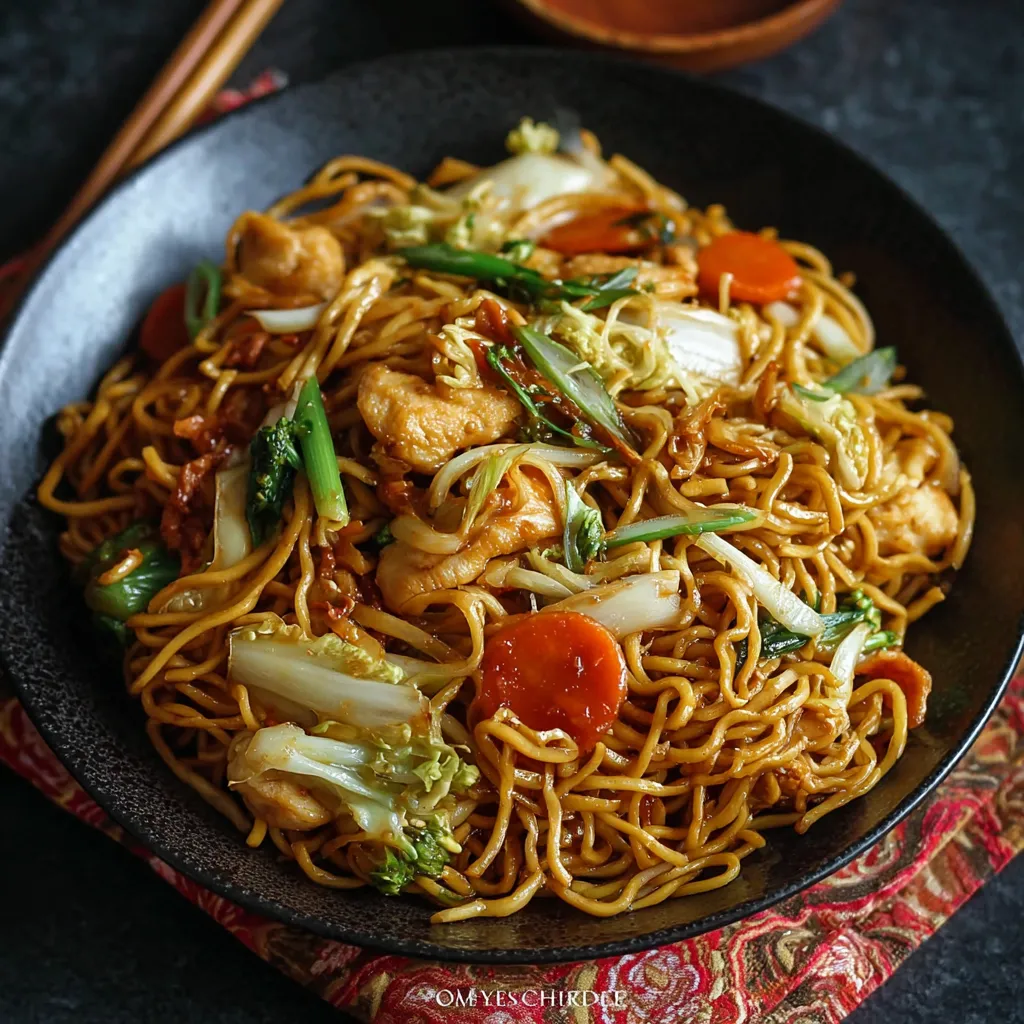
Alright, let’s get organized. Here’s what you’ll need to create your culinary masterpiece:
For the Chicken Marinade:
- 1 pound boneless, skinless chicken breasts, cut into bite-sized pieces
- 2 tablespoons soy sauce (low sodium is best to control the saltiness)
- 1 tablespoon rice wine vinegar (or dry sherry)
- 1 tablespoon cornstarch (for tenderizing)
- 1 teaspoon sesame oil (for that nutty aroma)
- 1/2 teaspoon ground ginger
- 1/4 teaspoon garlic powder
For the Chow Mein:
- 1 tablespoon vegetable oil (or canola oil)
- 1 onion, thinly sliced
- 2 cloves garlic, minced
- 1 cup sliced mushrooms (shiitake, button, or your favorite)
- 1 cup shredded carrots
- 1 cup sliced celery
- 1 cup bean sprouts (optional, but adds great crunch)
- 4 cups cooked chow mein noodles (more on choosing the right noodles below!)
- 2 green onions, thinly sliced (for garnish)
For the Chow Mein Sauce:
- 1/4 cup soy sauce (again, low sodium is preferred)
- 2 tablespoons oyster sauce (optional, but adds depth of flavor)
- 1 tablespoon sesame oil
- 1 tablespoon brown sugar (or honey)
- 1 tablespoon cornstarch
- 1/2 cup chicken broth
- 1 teaspoon rice wine vinegar (or dry sherry)
- 1/4 teaspoon white pepper (optional, for a subtle kick)
Step-by-Step Instructions: Your Chicken Chow Mein Adventure
Now for the fun part! Let’s bring this Chicken Chow Mein recipe to life, one step at a time. Don’t worry, I’ll be right here with you.
Step 1: Marinate the Chicken (At Least 15 Minutes)
In a medium bowl, combine the chicken pieces, soy sauce, rice wine vinegar, cornstarch, sesame oil, ginger, and garlic powder. Mix well to ensure the chicken is evenly coated. Cover the bowl and let it marinate in the refrigerator for at least 15 minutes, or up to an hour for even more flavor. The longer it marinates, the more tender and flavorful the chicken will be. I often prep this while I’m chopping the veggies – multitasking for the win!
Step 2: Cook the Noodles (The Key to Success!)
This is where many people stumble, but fear not! Choosing the right noodles and cooking them properly is crucial. Look for fresh or dried chow mein noodles in the Asian section of your grocery store. If using dried noodles, follow the package instructions for cooking. Pro Tip: Undercook the noodles slightly, as they will continue to cook in the sauce later. Rinse the cooked noodles with cold water to stop the cooking process and prevent them from sticking together. Set them aside.
If you are unsure about your noodles, perhaps you would enjoy some Chicken Lo Mein instead!
Step 3: Stir-Fry the Chicken
Heat the vegetable oil in a large wok or skillet over medium-high heat. Once the oil is hot, add the marinated chicken and stir-fry until it’s cooked through and lightly browned, about 5-7 minutes. Remove the chicken from the wok and set aside. Be careful not to overcrowd the wok, as this will lower the temperature and cause the chicken to steam instead of sear. If necessary, cook the chicken in batches.
Step 4: Stir-Fry the Vegetables
Add the onion and garlic to the wok and stir-fry for about 1 minute, until fragrant. Then, add the mushrooms, carrots, and celery. Stir-fry for another 3-5 minutes, until the vegetables are crisp-tender. If you’re using bean sprouts, add them in the last minute of cooking to maintain their crunch. Nobody wants soggy veggies!
Step 5: Combine and Simmer
Return the cooked chicken to the wok with the vegetables. In a small bowl, whisk together the soy sauce, oyster sauce (if using), sesame oil, brown sugar, cornstarch, chicken broth, rice wine vinegar, and white pepper (if using). Pour the sauce over the chicken and vegetables and bring to a simmer. Cook for 1-2 minutes, until the sauce has thickened slightly.
Step 6: Add the Noodles
Add the cooked noodles to the wok and toss everything together until the noodles are evenly coated with the sauce. Cook for another 1-2 minutes, allowing the noodles to absorb the flavors of the sauce. Make sure everything is heated through.
Step 7: Garnish and Serve
Remove the Chicken Chow Mein from the heat and garnish with sliced green onions. Serve immediately and enjoy! You did it!
Tips and Tricks for Chicken Chow Mein Success
Okay, friend, let’s arm you with some extra tips and tricks to ensure your Chicken Chow Mein is a total success:
- Noodle Selection is Key: As mentioned earlier, choosing the right noodles is crucial. Look for fresh or dried chow mein noodles. If you can’t find them, you can use spaghetti or linguine as a substitute, but the texture won’t be quite the same.
- Don’t Overcook the Noodles: Nobody likes mushy noodles. Undercook them slightly, as they will continue to cook in the sauce.
- Prep Your Ingredients: This is a stir-fry, so things move quickly. Have all your ingredients prepped and ready to go before you start cooking. This is what chefs call “mise en place,” and it’s a lifesaver!
- Adjust the Sauce to Your Liking: Taste the sauce before adding the noodles and adjust the seasoning as needed. If you like it sweeter, add a bit more brown sugar. If you like it saltier, add a dash more soy sauce.
- Add More Vegetables: Feel free to add other vegetables to your Chicken Chow Mein, such as snow peas, bell peppers, or broccoli.
- Spice It Up: If you like a little heat, add a pinch of red pepper flakes to the sauce or a drizzle of sriracha to your finished dish.
- Make it Vegetarian: Easily make this recipe vegetarian by substituting tofu or tempeh for the chicken.
- Leftovers: Chicken Chow Mein is great the next day! Store leftovers in an airtight container in the refrigerator for up to 3 days. Reheat in a skillet or microwave.
Variations: Spice Up Your Chicken Chow Mein
Ready to get creative? Here are a few variations to try:
- Shrimp Chow Mein: Substitute shrimp for the chicken.
- Beef Chow Mein: Substitute thinly sliced beef for the chicken.
- Spicy Chicken Chow Mein: Add a tablespoon of chili garlic sauce to the marinade and sauce.
- Sesame Chicken Chow Mein: Add a tablespoon of sesame seeds to the sauce and garnish with sesame seeds.
Serving Suggestions: Complete Your Meal
Chicken Chow Mein is a complete meal on its own, but here are a few serving suggestions to round out your dining experience:
- Spring Rolls: Serve with crispy spring rolls for a classic takeout experience.
- Egg Drop Soup: Start your meal with a comforting bowl of egg drop soup.
- Steamed Rice: Serve with a side of steamed rice to soak up the extra sauce.
- Side Salad: Add a refreshing side salad with a light vinaigrette.
If you are looking for another great chicken recipe, you should try my Hot Honey Feta Chicken! And if you want something creamy and comforting, check out this Boursin Chicken Pasta. For an easy weeknight dinner, these Chicken Thighs Dinner will be a hit. If you are in the mood for wraps, then you have to try these Cheesy Garlic Chicken Wraps! Finally, for a flavor explosion, don’t miss these Soy Garlic Chicken Thighs.
Frequently Asked Questions (FAQ)
Still have questions? Let’s tackle some common queries:
- Can I use different types of noodles?
- While chow mein noodles are ideal, you can substitute with spaghetti, linguine, or even ramen noodles in a pinch.
- Can I make this recipe ahead of time?
- Yes, you can cook the chicken and vegetables ahead of time and store them separately in the refrigerator. When you’re ready to eat, simply reheat them and add the noodles and sauce.
- How do I prevent the noodles from sticking together?
- Rinse the cooked noodles with cold water to stop the cooking process and remove excess starch. This will help prevent them from sticking together.
- Can I freeze Chicken Chow Mein?
- While you can freeze it, the texture of the noodles may change. It’s best enjoyed fresh.
- Is this recipe gluten-free?
- No, this recipe is not gluten-free, as it contains soy sauce and chow mein noodles. However, you can make it gluten-free by using gluten-free soy sauce (tamari) and gluten-free noodles.
Conclusion: Your Chicken Chow Mein Awaits!
There you have it! You’re now equipped with all the knowledge and confidence you need to create a spectacular Chicken Chow Mein right in your own kitchen. Remember, cooking is all about experimentation and having fun, so don’t be afraid to adjust the recipe to your liking. Get ready to savor the delicious flavors of homemade chow mein and impress everyone with your newfound culinary skills. Happy cooking!
What is the key to preventing mushy noodles in this Chicken Chow Mein recipe?
The key is to undercook the noodles slightly, as they will continue to cook in the sauce. Also, rinse the cooked noodles with cold water to stop the cooking process and prevent them from sticking together.
Can I substitute the chow mein noodles with other types of noodles?
While chow mein noodles are ideal, you can substitute with spaghetti, linguine, or even ramen noodles if needed, although the texture won’t be quite the same.
How can I make this Chicken Chow Mein recipe vegetarian?
You can easily make this recipe vegetarian by substituting tofu or tempeh for the chicken.
Is it possible to prepare parts of this recipe in advance?
Yes, you can cook the chicken and vegetables ahead of time and store them separately in the refrigerator. Reheat them before adding the noodles and sauce.
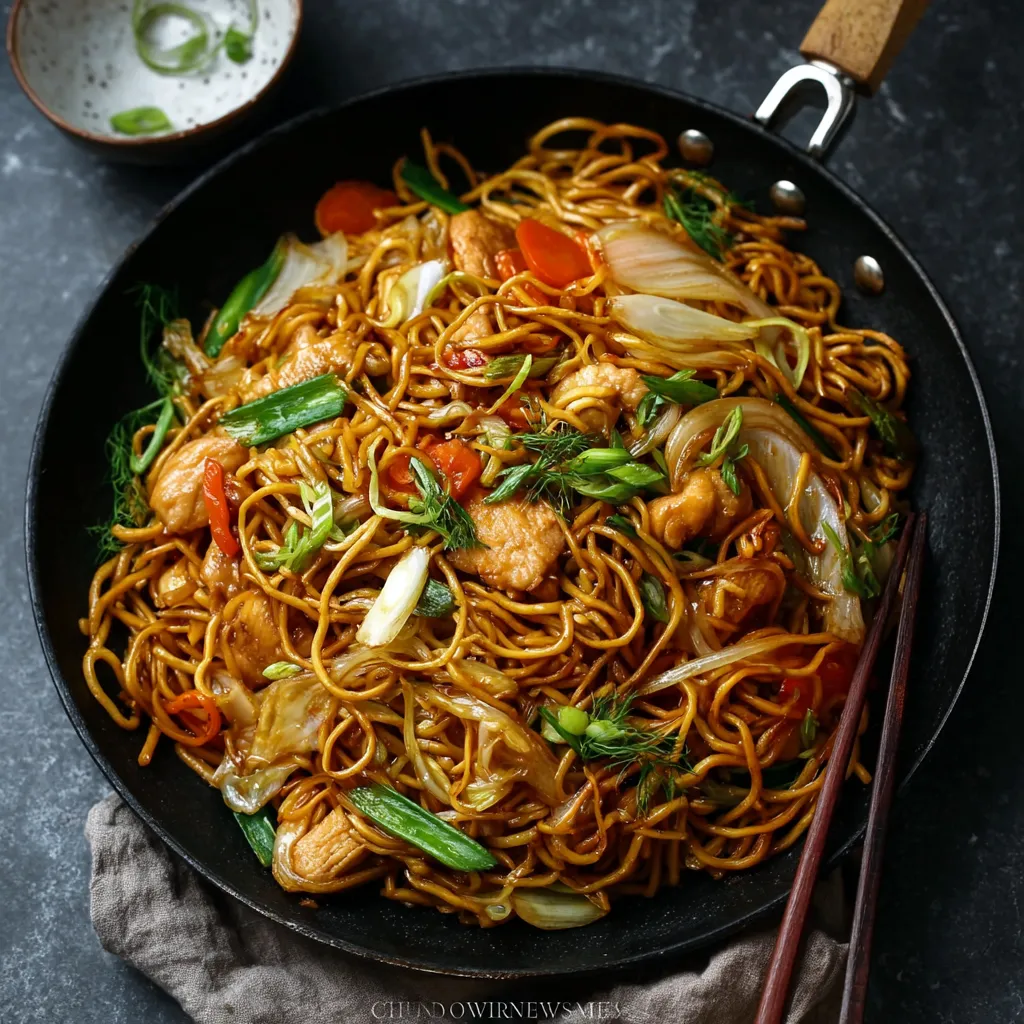
Easy Chicken Chow Mein
Ingredients
Equipment
Method
- In a medium bowl, combine the chicken pieces, soy sauce, rice wine vinegar, cornstarch, sesame oil, ginger, and garlic powder. Mix well and marinate for at least 15 minutes, or up to an hour.
- Cook the chow mein noodles according to package instructions. Undercook slightly. Rinse with cold water and set aside.
- Heat the vegetable oil in a large wok or skillet over medium-high heat. Add the marinated chicken and stir-fry until cooked through and lightly browned, about 5-7 minutes. Remove from the wok and set aside.
- Add the onion and garlic to the wok and stir-fry for about 1 minute, until fragrant. Add the mushrooms, carrots, and celery. Stir-fry for another 3-5 minutes, until the vegetables are crisp-tender. If using bean sprouts, add them in the last minute.
- Return the cooked chicken to the wok with the vegetables. In a small bowl, whisk together the soy sauce, oyster sauce (if using), sesame oil, brown sugar, cornstarch, chicken broth, rice wine vinegar, and white pepper (if using).
- Pour the sauce over the chicken and vegetables and bring to a simmer. Cook for 1-2 minutes, until the sauce has thickened slightly.
- Add the cooked noodles to the wok and toss everything together until the noodles are evenly coated with the sauce. Cook for another 1-2 minutes, allowing the noodles to absorb the flavors of the sauce.
- Remove from heat and garnish with sliced green onions. Serve immediately.