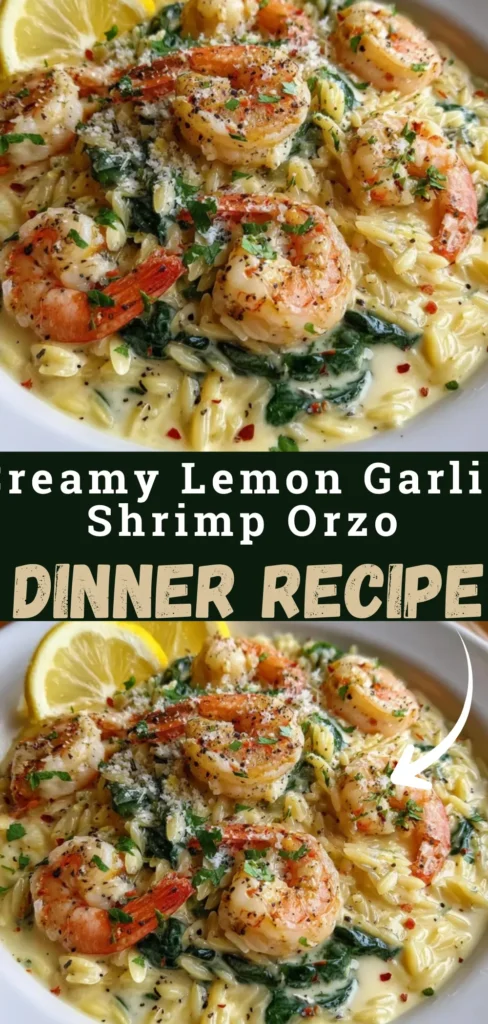
There’s something irresistible about shrimp and pasta coming together in one creamy, garlicky pan. High protein creamy lemon garlic shrimp orzo is the kind of dinner that tastes like you spent hours in the kitchen but actually comes together in about 35 minutes. The small rice-shaped pasta absorbs all those rich flavors from the garlic, white wine, and lemon while the shrimp adds protein and a touch of sweetness. It’s comfort food that doesn’t feel heavy, thanks to the bright lemon cutting through the cream.
This recipe works beautifully for weeknight dinners when you want something more special than basic pasta but don’t have the energy for anything complicated. Families love it because it’s familiar and satisfying, while anyone watching their protein intake appreciates that each serving delivers a solid amount without excess carbs or calories.
Why You’ll Love This Creamy Lemon Garlic Shrimp Orzo
Everything cooks in one skillet, which means fewer dishes to wash and more time to relax after dinner. The orzo toasts right in the pan before simmering, which gives it a deeper, nuttier flavor than just boiling it separately.
The creamy sauce strikes a perfect balance between rich and light. Heavy cream and Parmesan create that luxurious texture, while lemon zest and juice keep things fresh and prevent the dish from feeling too heavy. You get indulgence without the food coma.
Shrimp cooks incredibly fast, making this an efficient protein choice for busy evenings. Because you sear them first and then return them to the pan at the end, they stay tender and don’t turn rubbery. The gentle finish in the hot orzo is enough to warm them without overcooking.
This dinner adapts easily to what you have on hand. No white wine? Use extra broth. Want more vegetables? Toss in spinach, peas, or cherry tomatoes. The base recipe is forgiving and welcomes additions without falling apart.
Leftovers hold up reasonably well for the next day, though the orzo will absorb more liquid as it sits. A quick splash of broth when reheating brings the creamy consistency back.
Ingredients for Creamy Lemon Garlic Shrimp Orzo
When I make this dish, I choose large shrimp because they have better texture and don’t overcook as quickly as smaller ones. Already peeled and deveined shrimp save significant prep time. Look for shrimp that smell like the ocean—fresh and clean—without any ammonia odor.
For the Shrimp:
- 1 lb large shrimp, peeled and deveined
- 1 tablespoon olive oil
- 1 teaspoon garlic powder
- 1/2 teaspoon paprika
- Salt and black pepper, to taste
For the Orzo:
- 1.5 cups dry orzo pasta
- 2 tablespoons unsalted butter
- 1 small shallot, finely diced
- 4 cloves garlic, minced
- 1/2 cup dry white wine (like Sauvignon Blanc or Pinot Grigio)
- 3 cups chicken broth (or seafood stock)
- 1/2 cup heavy cream
- 1/2 cup freshly grated Parmesan cheese
- 1/2 cup frozen peas or fresh baby spinach (optional)
The Bright Finish:
- 1 large lemon, zested and juiced
- 2 tablespoons fresh parsley, chopped
- Red pepper flakes (optional, for heat)
The shallot brings a milder, sweeter flavor than regular onions and doesn’t overpower the delicate shrimp. If you only have yellow or white onions, use about half of a small one—the flavor is stronger, so you need less.
Fresh garlic makes a noticeable difference here. Four cloves might seem like a lot, but they mellow as they cook and create that signature garlicky backbone. I always grate my Parmesan fresh from a block rather than using pre-shredded cheese. The texture is smoother, and it melts into the sauce without any graininess.
White wine adds acidity and depth that balances the cream. Choose something you’d actually drink—if it tastes harsh or overly sweet in the glass, it won’t improve in your pan. Sauvignon Blanc and Pinot Grigio both work well because they’re crisp without being too acidic.
The optional vegetables are a great way to sneak in extra nutrition. Baby spinach wilts quickly and adds color, while frozen peas bring a touch of sweetness that complements the lemon. Both options work, so go with what you prefer.
How to Make Creamy Lemon Garlic Shrimp Orzo
This recipe follows a logical progression that builds flavor at each step. The technique isn’t complicated, but timing matters—especially when it comes to the shrimp.
1. Sear the Shrimp: Heat 1 tablespoon of olive oil in a large skillet over medium-high heat until it shimmers. Season the shrimp on both sides with garlic powder, paprika, salt, and pepper. Place them in the hot pan without crowding—work in batches if needed. Sear for 2 minutes per side until they turn pink and opaque. Transfer to a plate and set aside. The shrimp won’t be completely cooked through at this point, which is exactly what you want. They’ll finish later in the hot orzo.
2. Sauté Aromatics: Lower the heat to medium and add the butter to the same skillet, scraping up any bits the shrimp left behind. Once the butter melts, toss in the diced shallot and cook for 2 to 3 minutes until it softens and turns translucent. Add the minced garlic and stir constantly for about 1 minute. You’ll smell it becoming fragrant, but pull it off the heat before it browns and turns bitter.
3. Toast the Orzo: Pour the dry orzo directly into the skillet with the aromatics. Stir continuously for 2 minutes, letting the grains toast and pick up color. This step adds a nutty richness that plain boiled orzo simply doesn’t have. The pasta will start to smell slightly toasted—that’s your cue to move forward.
4. Deglaze: Add the white wine and lemon juice to the pan. Use a wooden spoon to scrape up any browned bits stuck to the bottom—those bits are pure flavor. Let the liquid bubble and reduce for 1 to 2 minutes until it’s mostly absorbed but the pan is still moist.
5. Simmer: Pour in the chicken broth and bring everything to a gentle boil. Once it’s bubbling, reduce the heat to medium-low, cover the pan, and let it simmer for 10 to 12 minutes. Stir occasionally to prevent the orzo from sticking to the bottom. The pasta should be tender and most of the liquid absorbed when it’s done. If it looks too dry before the orzo is cooked, add a splash more broth.
6. Make it Creamy: Stir in the heavy cream, freshly grated Parmesan, and lemon zest. The mixture will become thick and glossy as the cheese melts. If you’re adding peas or spinach, fold them in now. Spinach wilts in less than a minute, and frozen peas heat through almost instantly.
7. Combine: Return the seared shrimp to the skillet, nestling them into the creamy orzo. Toss everything gently to coat the shrimp in sauce and warm them through for about 1 minute. Don’t let the mixture sit on the heat too long at this stage or the shrimp will toughen.
8. Serve: Pull the pan off the heat and garnish with fresh parsley and a pinch of red pepper flakes if you like a little heat. Serve immediately with extra lemon wedges on the side for anyone who wants more brightness.
One mistake I see often is overcooking the shrimp during that initial sear. They’ll look slightly underdone when you remove them, and that’s perfect. The residual heat from the orzo at the end is enough to finish them without making them rubbery. In my experience, shrimp that go from raw to perfectly cooked in one continuous cook are far more tender than those that get cooked twice.
What to Serve with Creamy Lemon Garlic Shrimp Orzo
This orzo is rich and filling on its own, so lighter sides work best to round out the meal.
Roasted Asparagus: Trim the woody ends, toss the spears with olive oil, salt, and pepper, then roast at 425°F for 12 to 15 minutes until tender with crispy tips. The slight char and earthy flavor contrast beautifully with the creamy pasta.
Caesar Salad: Crisp romaine, crunchy croutons, and tangy dressing cut through the richness of the orzo. The anchovy notes in a traditional Caesar dressing echo the seafood flavors without overwhelming them.
Garlic Bread or Crusty Baguette: Use it to soak up every bit of that creamy lemon sauce left in the bottom of your bowl. A warm, buttery slice makes the meal feel extra indulgent.
Simple Arugula Salad: Toss peppery arugula with lemon juice, olive oil, and shaved Parmesan. The sharp, fresh greens provide a refreshing counterpoint to the heavy orzo.
Roasted Cherry Tomatoes: Halve a pint of cherry tomatoes, drizzle with olive oil, and roast at 400°F for 15 minutes until they burst and caramelize. Their sweetness and acidity complement the lemon and garlic perfectly.
Sautéed Green Beans: Quick-cook green beans in a hot pan with butter and garlic for a simple green vegetable that doesn’t compete with the main dish.
Crispy Zucchini: Slice zucchini into rounds, season with Italian herbs and Parmesan, then roast or air-fry until golden. The texture adds variety to the soft orzo.
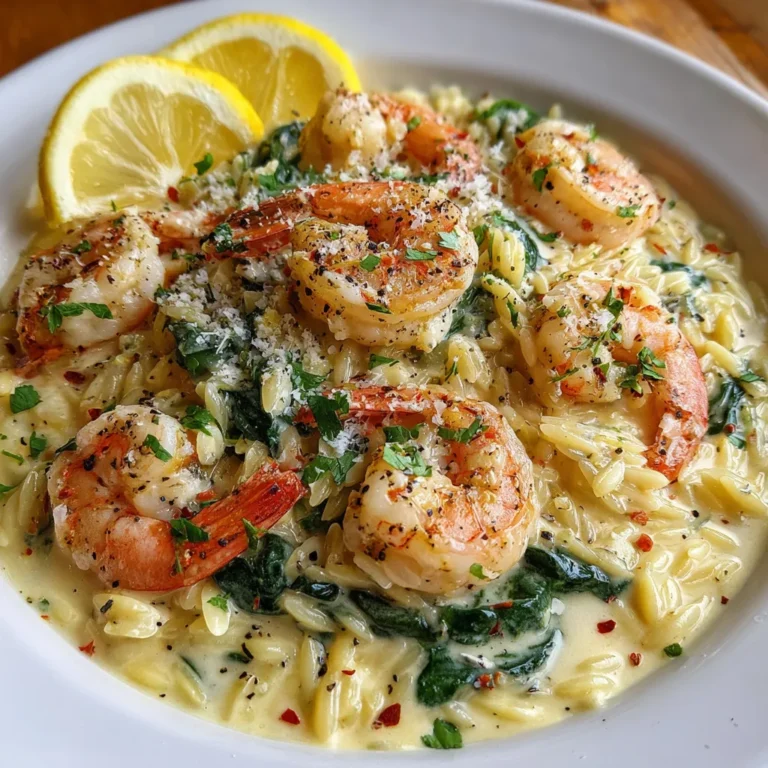
Creamy Lemon Garlic Shrimp Orzo
Ingredients
Equipment
Method
- Heat 1 tablespoon of olive oil in a large skillet over medium-high heat. Season shrimp with garlic powder, paprika, salt, and pepper. Sear for 2 minutes per side until pink and opaque. Remove from the pan and set aside.
- In the same skillet, melt the butter over medium heat. Add the shallot and sauté for 2 to 3 minutes until soft. Stir in the minced garlic and cook for 1 minute until fragrant.
- Add the dry orzo to the skillet. Stir constantly for 2 minutes to lightly toast the grains.
- Pour in the white wine and lemon juice. Use a wooden spoon to scrape up any browned bits from the bottom of the pan. Let the liquid simmer for 1 to 2 minutes until slightly reduced.
- Add the chicken broth and bring to a gentle boil. Reduce heat to medium-low, cover, and simmer for 10 to 12 minutes, stirring occasionally, until the orzo is tender and most liquid is absorbed.
- Stir in the heavy cream, Parmesan cheese, and lemon zest. If using peas or spinach, add them now and stir until the spinach is wilted or the peas are heated through.
- Return the cooked shrimp to the skillet. Toss gently to coat everything in the creamy lemon sauce and heat through for 1 minute.
- Garnish with fresh parsley and a sprinkle of red pepper flakes. Serve immediately with extra lemon wedges on the side.
Notes
Pro Tips & Variations
Toasting the Orzo: Don’t skip this step even if you’re in a hurry. Those 2 minutes of toasting add significant depth to the final dish and make the orzo taste more complex.
Wine Substitute: If you prefer not to use wine, replace it with an equal amount of chicken broth plus a splash of lemon juice or white wine vinegar. You’ll still get acidity to balance the cream.
Lighter Version: Swap the heavy cream for half-and-half or a combination of milk and a bit of cream cheese. The sauce won’t be quite as thick, but it’ll still taste delicious and cut calories significantly.
Extra Vegetables: Add halved cherry tomatoes with the peas or spinach. Diced zucchini or bell peppers can go in during the simmering stage. Just account for the extra moisture they release and reduce broth slightly if needed.
Protein Swap: Replace shrimp with bite-sized pieces of chicken breast or thighs. Cook the chicken thoroughly before removing it from the pan, then proceed with the recipe as written. Scallops also work beautifully and cook in about the same time as shrimp.
Herb Variations: Fresh dill or basil make excellent substitutes for parsley. Dill pairs especially well with lemon and seafood, while basil gives the dish an Italian twist.
Make it Spicy: Beyond red pepper flakes, try a spoonful of calabrian chili paste or a drizzle of hot honey over the finished dish. The sweetness and heat create an interesting contrast with the creamy sauce.
Meal Prep Friendly: Cook the orzo and sear the shrimp separately, then store them in different containers. When you’re ready to eat, combine them in a pan with a splash of broth and warm everything together. This prevents the orzo from getting too mushy in the fridge.
Storage & Reheating Tips
Store any leftovers in an airtight container in the refrigerator for up to 2 days. The orzo will continue absorbing liquid as it sits, so the texture changes slightly—it becomes thicker and less saucy.
Reheating requires a gentle hand. Place the orzo in a skillet or microwave-safe dish and add 2 to 3 tablespoons of chicken broth or water. Heat over medium-low on the stovetop, stirring frequently, until warmed through. In the microwave, reheat on 50% power in 1-minute intervals, stirring between each, and add liquid as needed to restore the creamy consistency.
I don’t recommend freezing this dish. The cream sauce can separate when frozen and thawed, and the shrimp texture suffers. Orzo also tends to become mushy after freezing. If you need to prep ahead, cook and freeze the shrimp separately, then make fresh orzo when you’re ready to serve.
For meal prep purposes, prepare the components separately within a day or two of serving. Cook the orzo but hold back on adding all the cream—reserve some to stir in when reheating. Sear the shrimp and refrigerate them separately. When it’s time to eat, warm the orzo with the reserved cream, then add the cold shrimp and let them heat through gently.
Common Questions
Can I use frozen shrimp? Absolutely. Thaw them completely in the refrigerator overnight or under cold running water for about 15 minutes. Pat them very dry with paper towels before seasoning and searing. Excess moisture will cause them to steam rather than sear, and you’ll miss that golden crust.
What if I don’t have chicken broth? Seafood stock or vegetable broth both work well. Even water in a pinch will do the job, though you’ll lose some depth of flavor. If using water, consider adding an extra pinch of salt and maybe a splash of soy sauce for umami.
Can this be made dairy-free? Replace the butter with olive oil, use coconut cream instead of heavy cream, and skip the Parmesan or use a dairy-free alternative. The sauce won’t be quite as rich, but nutritional yeast can add a cheesy flavor without dairy.
How do I prevent the orzo from sticking? Stir it occasionally during the simmering phase and make sure there’s enough liquid in the pan. If it starts to stick, lower the heat slightly and add a bit more broth. Toasting the orzo in butter first also creates a light coating that helps prevent clumping.
Can I double this recipe? Yes, but use a very large skillet or divide the recipe between two pans. Overcrowding will cause uneven cooking, especially for the shrimp. The orzo also needs space to absorb liquid properly without turning gummy.
This creamy lemon garlic shrimp orzo delivers restaurant-quality results without the fuss or the price tag. The combination of tender shrimp, toasted orzo, and that bright, garlicky sauce makes it feel special enough for date night but practical enough for a regular Tuesday. Whether you’re cooking for your family or meal prepping for the week ahead, this recipe adapts to your needs while staying consistently delicious. Give this one a try next time you’re craving something comforting yet fresh.