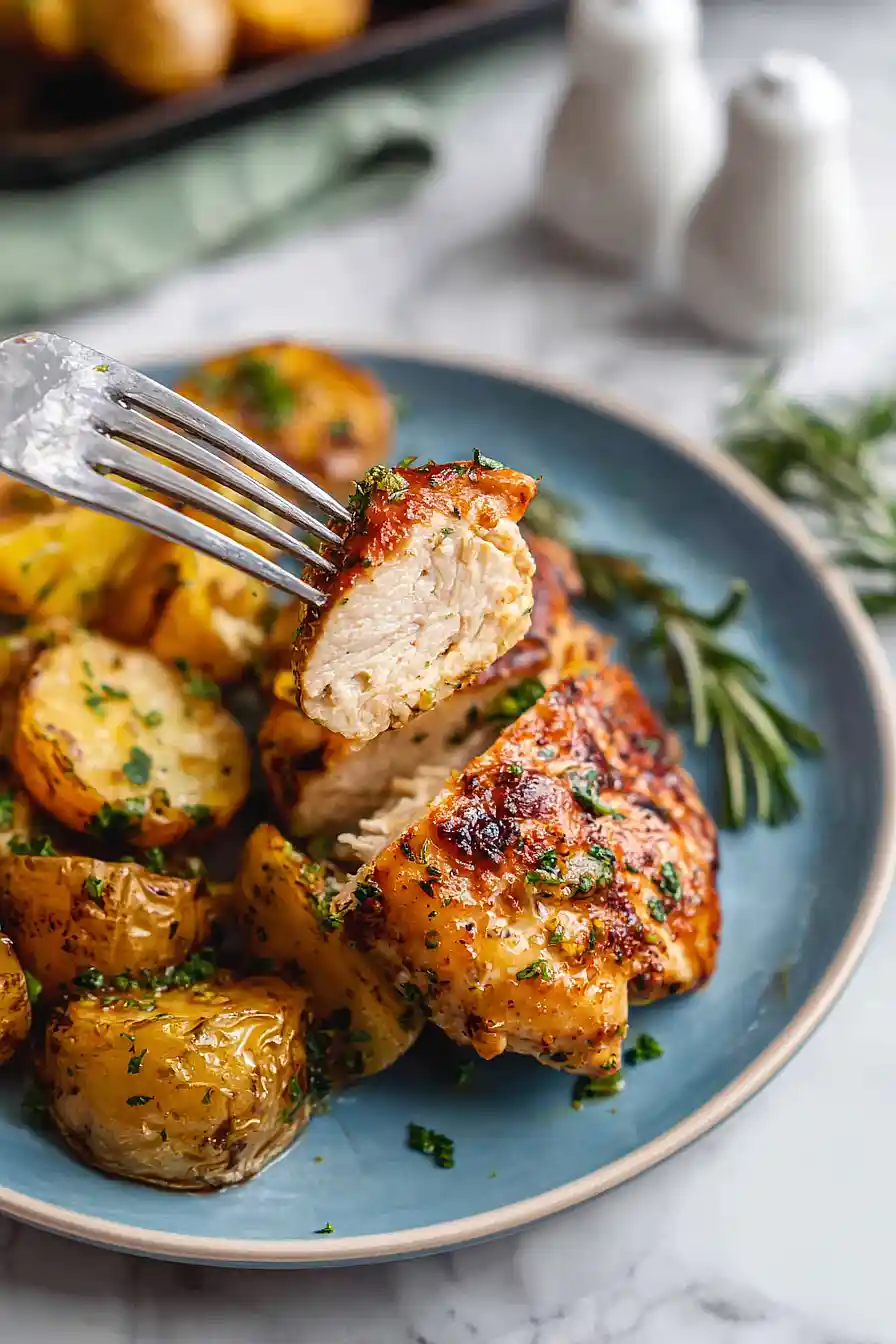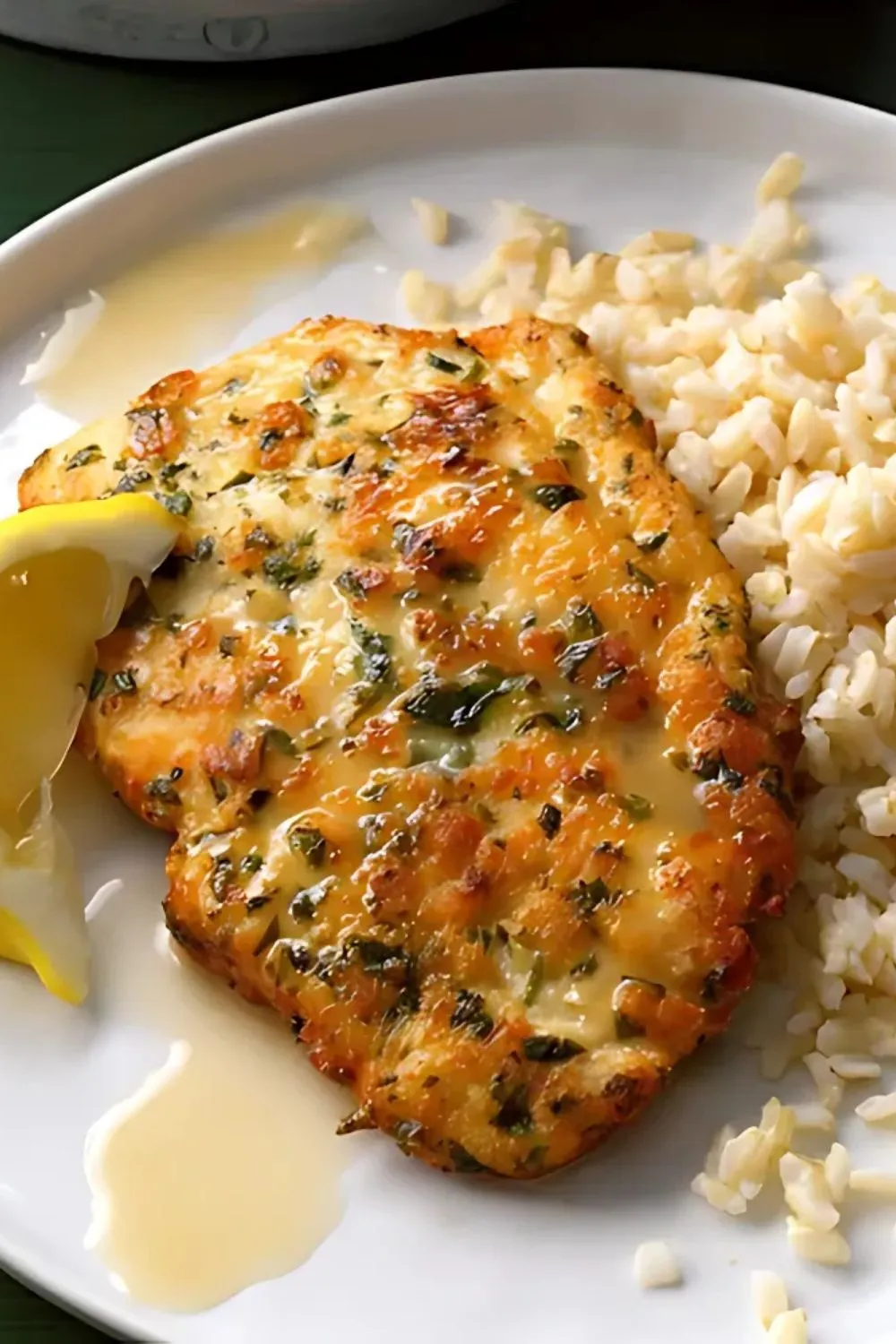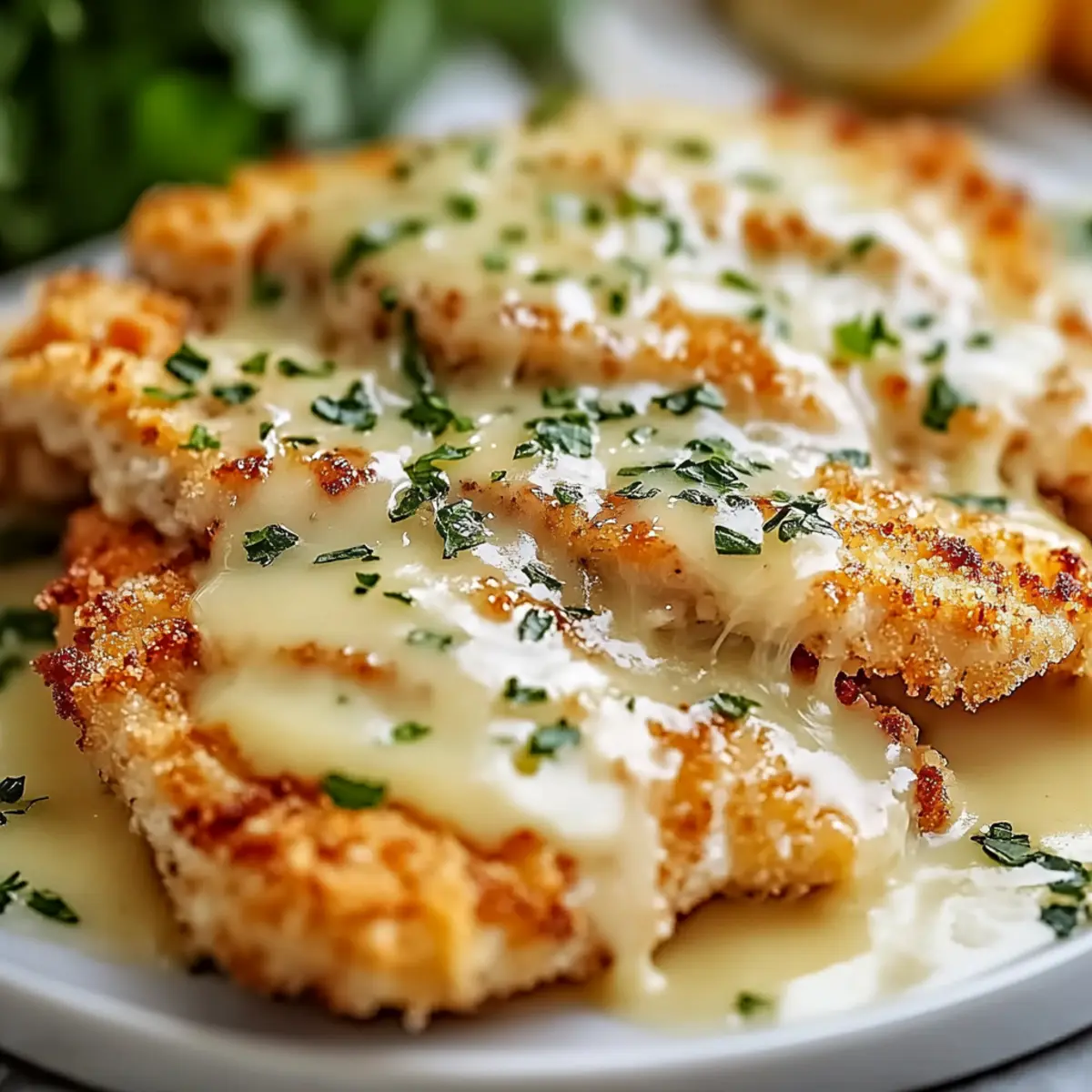
The Cheesecake Factory’s Crusted Chicken Romano has earned its reputation as one of the most ordered items on their menu for a reason that becomes obvious the first time you cut through it. A thin chicken cutlet pounded to a quarter inch, coated heavily in finely grated Romano cheese and Panko, and pan-fried in olive oil and butter until the crust is deep golden and the cheese has formed a salty, savory shell around the meat. Served over spaghetti tossed with warm marinara and fresh basil, the combination of the crispy, rich chicken against the light, acidic tomato pasta is exactly the balance that makes the original worth recreating at home.
This copycat crusted chicken Romano is a 30-minute dinner that produces a result genuinely comparable to the restaurant version when two specific techniques are followed correctly. The first is the fine grate on the Romano, which produces small, lacy bits of cheese that fuse into a uniform crust rather than larger shreds that fall off during frying. The second is the wire rack resting step after frying, which keeps the bottom crust from steaming against the plate and softening while the second cutlet finishes in the pan.
Why You’ll Love This Copycat Cheesecake Factory Crusted Chicken Romano
Romano cheese is the correct choice for this crust and worth seeking out over Parmesan when making this specific recipe. Romano is sharper, saltier, and more assertively flavored than Parmesan, and that intensity is what produces the distinctly savory, complex crust character that makes the Cheesecake Factory version recognizable. Parmesan produces a milder, slightly sweeter crust that’s pleasant but noticeably different. Parmigiano-Reggiano at a stretch works, but Romano is the cheese the dish is built around.
The Panko addition to the Romano coating is what gives the crust its structural integrity. Romano cheese alone produces a crust that’s flavorful but fragile, prone to cracking and lifting off the chicken during the pan flip. Panko mixed into the Romano at roughly a two-to-one cheese-to-breadcrumb ratio reinforces the structure of the coating and produces a crust that stays cohesive through both the frying and the plating.
The olive oil and butter combination for frying is intentional. Butter alone burns at the temperature needed to produce a deep golden crust quickly enough that the thin chicken finishes cooking before the crust takes on color. Olive oil raises the smoke point of the combined fat and keeps the butter from browning too fast while contributing its own flavor to the finished crust.
Ingredients for Copycat Cheesecake Factory Crusted Chicken Romano
I always grate the Romano cheese on the finest side of the box grater rather than the medium shred side for this recipe. The finest side produces a powder-like, almost snow-textured grate that packs together under pressure and fuses into a solid crust against the egg-washed chicken. Medium-shredded Romano produces a looser coating with larger pieces that don’t compact the same way and tend to fall away from the chicken surface during frying, particularly on the second flip. Take the extra minute to use the fine side. The difference in the finished crust is significant.
The Chicken:
- 2 large chicken breasts, halved lengthwise and pounded to 1/4-inch
- 1/2 cup all-purpose flour
- 2 large eggs, beaten
- 1 cup Romano cheese, finely grated
- 1/2 cup Panko breadcrumbs
- 1 teaspoon garlic powder
- 1/2 teaspoon black pepper
- 2 tablespoons olive oil and 1 tablespoon butter
The Pasta & Sauce:
- 8 oz spaghetti or linguine
- 1 1/2 cups marinara sauce
- 1 tablespoon fresh basil, chiffonade
- Extra Romano for garnish
Pounding the chicken to a uniform quarter-inch thickness across the entire cutlet is the prep step that determines how evenly the crust cooks. Chicken that’s thinner at the edges and thicker in the center produces a crust that’s perfectly golden at the edges before the center has reached temperature, which means either an overcooked crust or an undercooked center. Work the mallet from the center of the cutlet outward with firm, even strokes until the entire surface is the same thickness throughout.
How to Make Copycat Cheesecake Factory Crusted Chicken Romano
The key to this recipe is medium heat rather than high heat during frying. Romano cheese is a high-fat, high-protein crust that burns faster than a standard breadcrumb coating at high heat. Medium heat with the butter-and-oil combination produces a crust that browns over 3 to 4 minutes per side, which is exactly the amount of time the quarter-inch chicken needs to cook through to 165°F. High heat produces a dark, slightly bitter crust on the outside before the chicken is done in the center. If the crust is browning faster than 3 minutes per side, reduce the heat slightly rather than flipping early.
- Slice each chicken breast in half lengthwise to produce four cutlets. Place between sheets of plastic wrap or in a zip-lock bag and pound with a meat mallet to an even quarter-inch thickness throughout. Pat completely dry with paper towels.
- Set up three shallow bowls in sequence. Bowl one: all-purpose flour mixed with garlic powder and black pepper. Bowl two: beaten eggs. Bowl three: finely grated Romano cheese mixed with Panko breadcrumbs.
- Working one cutlet at a time, dredge in the seasoned flour and shake off any excess. Dip into the beaten egg wash, letting any excess drip off. Press firmly into the Romano and Panko mixture on both sides, applying pressure to ensure the coating adheres and compacts into a solid layer. Set on a plate and repeat with the remaining cutlets.
- Bring a large pot of well-salted water to a boil and cook the pasta to al dente according to package directions. Warm the marinara sauce in a small saucepan over low heat.
- Heat the olive oil and butter together in a large skillet over medium heat. When the butter is fully melted and beginning to bubble, add the coated chicken cutlets. Fry for 3 to 4 minutes per side until the crust is deep golden brown and the chicken is cooked through to 165°F internal temperature. Work in batches if the skillet is crowded rather than adding all four cutlets at once.
- Transfer the fried cutlets immediately to a wire rack rather than a paper-towel-lined plate. The rack allows air to circulate under the crust and prevents the bottom from steaming soft while the remaining cutlets finish frying.
- Toss the drained pasta with the warm marinara sauce and fresh basil chiffonade.
- Plate a generous portion of the tomato basil pasta and place one Romano chicken cutlet across the top. Garnish with extra finely grated Romano and a fresh basil leaf.
Pro tip: Add a splash of the starchy pasta cooking water to the marinara before tossing with the pasta. One or two tablespoons of pasta water emulsifies into the sauce and helps it coat every strand of spaghetti more evenly rather than pooling at the bottom of the plate.
What to Serve with Copycat Cheesecake Factory Crusted Chicken Romano
The tomato basil pasta is the classic accompaniment and the most fitting, but a few alternatives work equally well depending on the occasion.
Caesar salad: A cold, crisp Caesar with a sharp, garlicky dressing and house-made croutons under the Romano chicken produces the restaurant’s alternative serving style and makes a slightly lighter overall plate than the pasta version. The romaine and the Parmesan in the Caesar dressing complement the Romano crust without duplicating it.
Garlic butter asparagus: Asparagus roasted or sautéed in garlic butter alongside the chicken produces a clean, slightly bitter vegetable note that cuts through the richness of the Romano crust. This is the lowest-carbohydrate accompaniment option and keeps the focus entirely on the chicken itself.
Lemon butter pasta: Plain linguine tossed with a tablespoon of butter, a squeeze of lemon, and fresh parsley in place of the marinara produces a lighter, more elegant sauce that lets the Romano crust take the complete flavor spotlight without competing tomato notes.
Roasted cherry tomatoes: A handful of cherry tomatoes roasted at 425°F for 15 minutes with olive oil, garlic, and fresh basil until they burst and caramelize produces an elevated alternative to jarred marinara that has the same acidity and sweetness with more concentrated flavor and better visual appeal.
Arugula salad: Fresh arugula dressed with lemon juice and olive oil placed under or alongside the crispy chicken cutlet adds peppery bitterness and freshness that contrasts with the rich, salty Romano crust in a way that makes every bite more dynamic.
Garlic bread: A thick slice of properly garlicky, crispy-edged garlic bread alongside the pasta and chicken for a restaurant-faithful dinner experience that needs no further justification.
Pro Tips & Variations
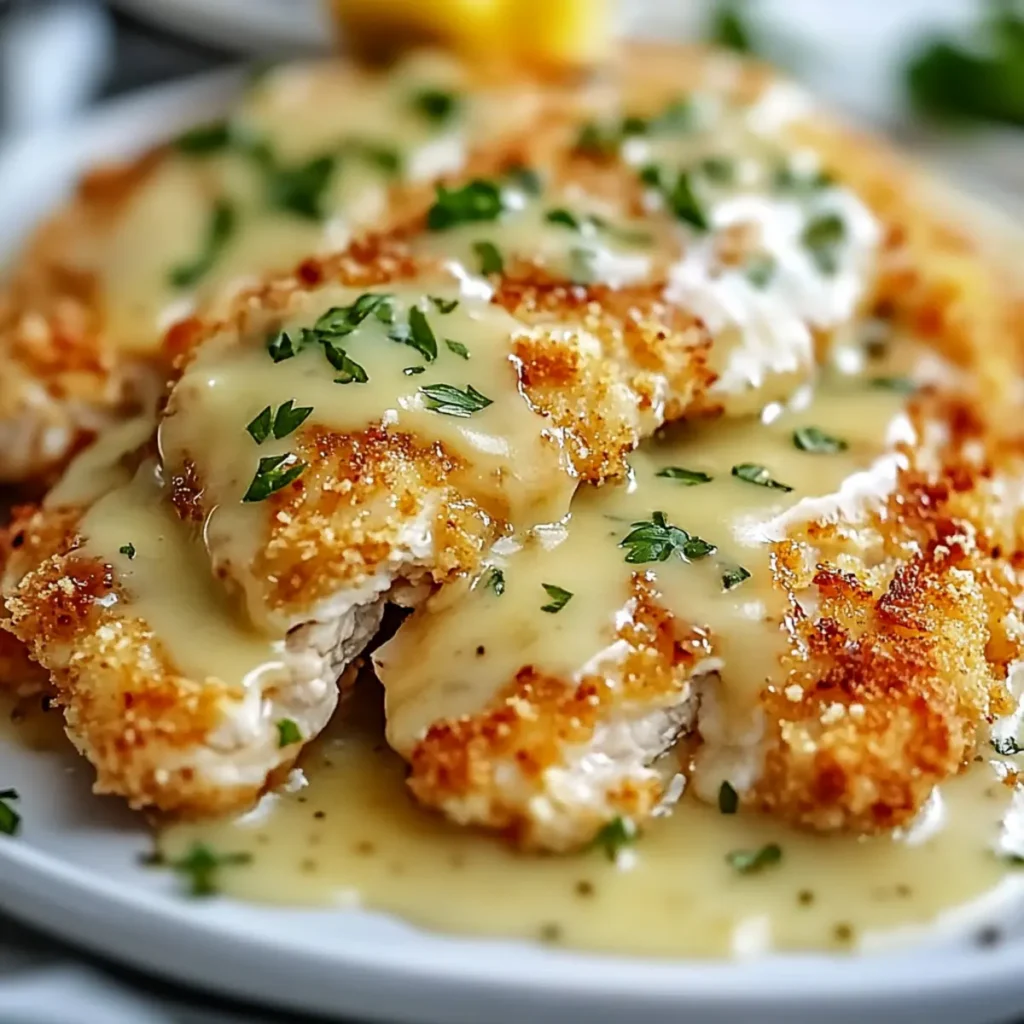
Parmesan substitute: Parmigiano-Reggiano at the same quantity replaces Romano for a milder, slightly sweeter crust that’s still excellent. The flavor is less assertive and less salty than Romano but produces a similarly cohesive, golden crust. Avoid pre-grated Parmesan in the green can, which contains cellulose and doesn’t melt or fuse into a proper crust.
Baked version: Place the coated cutlets on a wire rack set over a rimmed baking sheet. Spray generously with cooking spray on both sides and bake at 425°F for 18 to 20 minutes, flipping once at the halfway point. The baked version produces a slightly less deep golden crust than the pan-fried method but is a practical alternative when cooking for a larger group where pan-frying multiple batches isn’t practical.
Add lemon zest to the crust: A teaspoon of fresh lemon zest mixed into the Romano and Panko coating before dredging adds a bright, aromatic note to the crust that complements the tomato basil pasta particularly well and adds a layer of complexity to the copycat that some people prefer over the original.
Pasta alternatives: Capellini, angel hair, or bucatini work as direct substitutes for the spaghetti or linguine with no technique changes required. Angel hair cooks in 2 to 3 minutes and produces a more delicate pasta-to-sauce ratio that lets the marinara flavor come forward more assertively beneath the chicken.
Storage & Reheating Tips
Fried Romano chicken is best served the day it’s made when the crust is at its crispiest. Leftovers keep in an airtight container in the refrigerator for up to 3 days. The crust softens significantly overnight as it absorbs moisture from the chicken. I always reheat in an air fryer at 350°F for 4 to 5 minutes per side, which restores a reasonable amount of crust crispness that the microwave cannot. The oven at 375°F on a wire rack for 10 to 12 minutes is the best alternative without an air fryer. Store the pasta and chicken separately so the pasta doesn’t absorb the Romano crust moisture during refrigerator storage. The pasta reheats well in the microwave with a tablespoon of water added before covering.
Common Questions
My Romano crust fell off the chicken during frying. What went wrong? Inadequate dredging sequence and wet chicken are the two most common causes. The flour layer must go on first and excess shaken off before the egg wash. Flour on dry chicken creates a rough surface the egg wash adheres to. Egg wash on chicken with no flour base slides off during the Romano press step and takes the coating with it. Also ensure the chicken is completely dry before dredging since surface moisture on the chicken prevents the flour from adhering properly. Finally, press the Romano and Panko mixture firmly against both sides of each cutlet rather than just placing the chicken in the bowl and turning it.
The crust is golden but the chicken isn’t cooked through. How do I fix this? The cutlets weren’t pounded thin enough. An uneven cutlet with thicker sections in the center takes longer to cook through than the crust can sustain at medium heat without burning. Transfer the partially cooked chicken to a 375°F oven on a wire rack set over a baking sheet and bake for 5 to 8 minutes until the internal temperature reaches 165°F. The oven finishes the chicken without any further crust browning at the surface.
Can I make the coated cutlets ahead of time? Yes. Coat the cutlets through the Romano and Panko step, place on a parchment-lined plate or baking sheet with space between each cutlet, cover loosely with plastic wrap, and refrigerate for up to 4 hours before frying. The refrigeration actually helps the coating adhere more firmly since the egg wash firms up against the cheese and breadcrumb layer as it chills. Remove from the refrigerator 10 minutes before frying to take the chill off and ensure even cooking.
Copycat Cheesecake Factory crusted chicken Romano is the restaurant dinner worth making at home not just for the cost savings but for the quality control the home kitchen provides. Freshly grated Romano, properly pounded cutlets, and a correctly managed medium-heat fry produce a result that’s genuinely comparable to the original and ready in 30 minutes. Plate it over tomato basil pasta and discover why this is one of the most enduringly popular items the Cheesecake Factory has ever put on their menu.
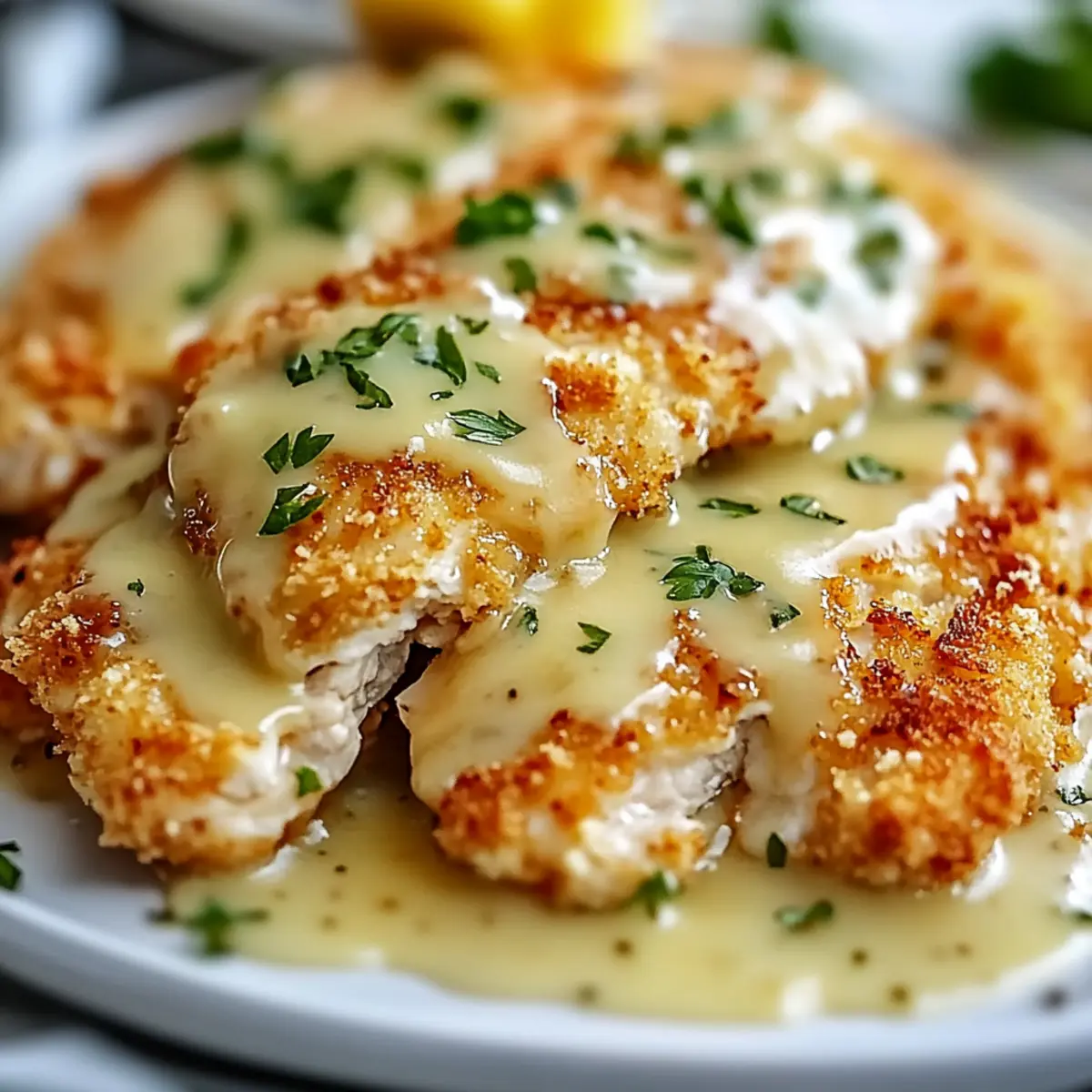
Copycat Cheesecake Factory Crusted Chicken Romano
Ingredients
Equipment
Method
- Slice chicken breasts in half lengthwise to produce 4 cutlets. Pound between plastic wrap to a uniform 1/4-inch thickness. Pat completely dry with paper towels.
- Set up three shallow bowls: Bowl 1 with flour, garlic powder, and pepper. Bowl 2 with beaten eggs. Bowl 3 with finely grated Romano mixed with Panko.
- Dredge each cutlet in seasoned flour, shake off excess, dip in egg wash, then press firmly into the Romano and Panko mixture on both sides until heavily coated.
- Cook pasta in well-salted boiling water to al dente. Warm marinara sauce in a small saucepan over low heat.
- Heat olive oil and butter together in a large skillet over medium heat until the butter is bubbling. Add the coated cutlets and fry for 3 to 4 minutes per side until deep golden brown and cooked through to 165°F. Work in batches if needed.
- Transfer immediately to a wire rack to rest. Do not stack or place on a solid plate.
- Toss drained pasta with warm marinara and fresh basil chiffonade. Add a splash of pasta cooking water to help the sauce coat evenly.
- Plate the pasta and lay the Romano chicken across the top. Garnish with extra grated Romano and fresh basil.