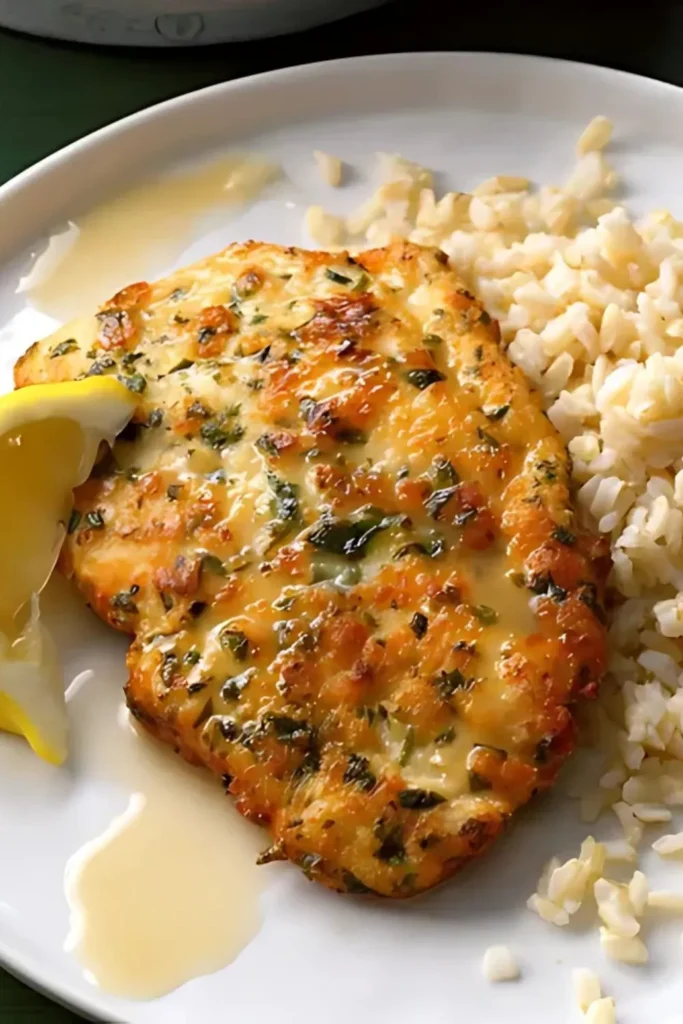
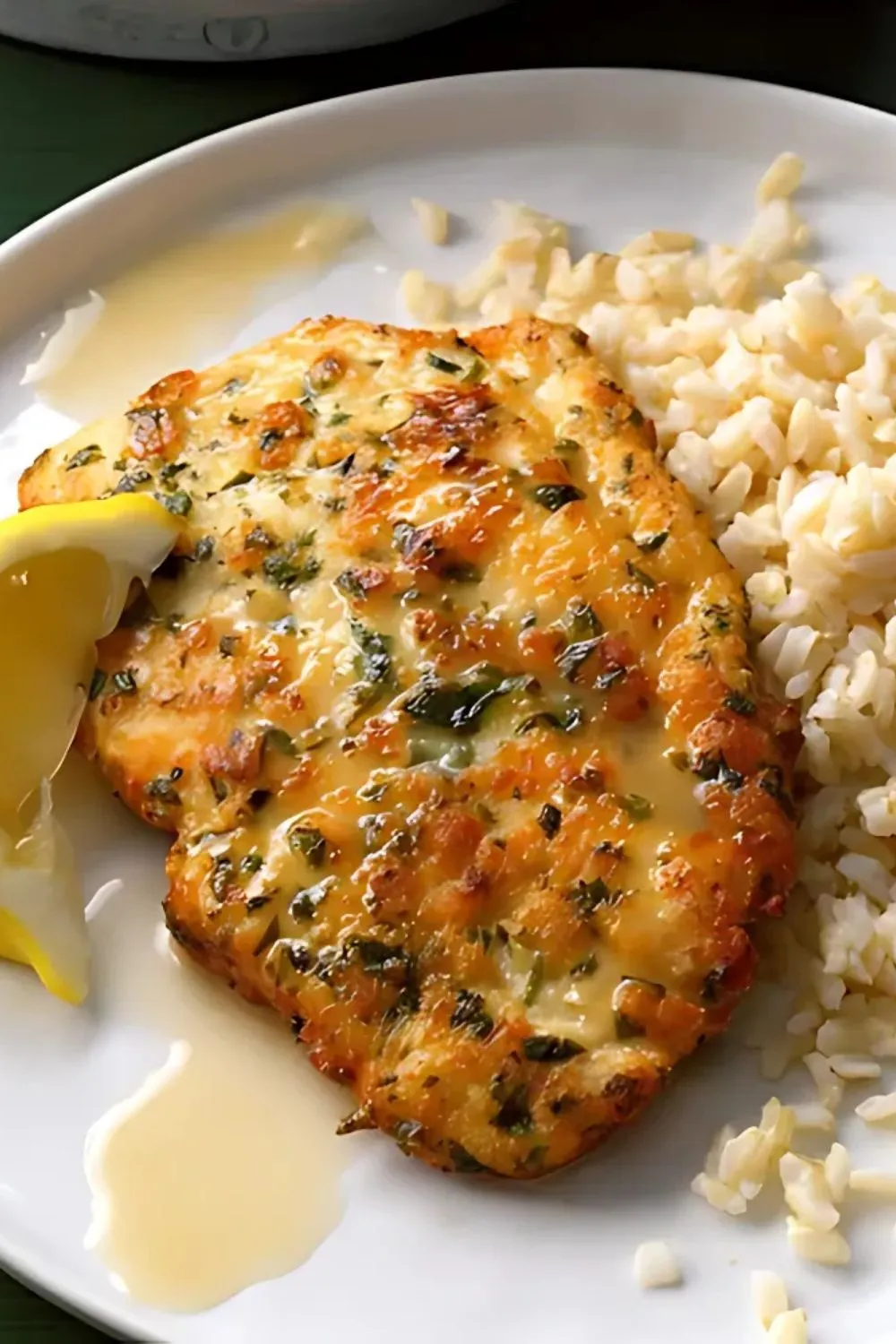
Chicken piccata is one of those Italian-American classics that looks like a restaurant dish and cooks like a weeknight dinner. Thin, golden chicken cutlets in a bright, buttery lemon caper sauce that takes about eight minutes to build in the same pan the chicken just came out of. The whole thing is on the table in 30 minutes and tastes like considerably more effort went into it.
This chicken piccata with lemon sauce follows the traditional method that makes the dish worth knowing. The flour dredge creates a thin, golden crust that gives the sauce something to cling to. The fond left in the pan after searing becomes the base of the lemon caper sauce. And cold butter added off the heat at the end produces the glossy, velvety consistency that makes restaurant sauces look effortless.
Once you know how this comes together, it becomes one of the more reliable weeknight dinners in the repertoire. Fast, impressive, and built from ingredients most kitchens already have.
Why You’ll Love This Classic Lemon Chicken Piccata
The sauce is the reason this recipe earns repeat appearances. Lemon juice and chicken stock deglaze the pan and dissolve every browned bit from the sear into the liquid. Capers add a briny, slightly salty punch that’s essential to the traditional flavor profile. Then cold butter goes in off the heat, one cube at a time, whisked continuously until the sauce emulsifies into something glossy and velvety that coats the back of a spoon.
That butter emulsification technique, called monter au beurre, is the professional detail that makes the difference between a thin, oily pan liquid and a proper restaurant-quality sauce. It takes about two minutes and a little patience with the whisk, and the result is immediately obvious.
Pounding the chicken to an even half-inch thickness is the other technique that makes this recipe work every time. Even cutlets cook in three to four minutes per side without any dry edges or underdone centers. Uneven chicken breasts produce inconsistent results that no sauce can fully compensate for.
Ingredients for Classic Lemon Chicken Piccata
I always use fresh lemon juice for chicken piccata rather than bottled. The sauce reduces by half during simmering, which concentrates the lemon flavor considerably. Bottled lemon juice has a flat, slightly metallic sharpness that becomes more noticeable as it reduces. Fresh lemon juice produces a brighter, more aromatic finished sauce with a cleaner acidity.
The Chicken:
- 4 boneless, skinless chicken breasts (about 1.5 lbs)
- 1/2 cup all-purpose flour for dredging
- 1 teaspoon salt
- 1/2 teaspoon black pepper
- 2 tablespoons olive oil
- 2 tablespoons unsalted butter
The Lemon Caper Sauce:
- 1/3 cup fresh lemon juice (about 2 lemons)
- 1/2 cup chicken stock or dry white wine
- 1/4 cup capers, drained and rinsed
- 3 tablespoons unsalted butter, chilled and cubed
- 2 tablespoons fresh parsley, chopped
Garnish:
- Lemon slices and extra parsley
The butter for the sauce must be cold and cubed before it goes into the pan. Room temperature butter melts too quickly and doesn’t emulsify properly into the reduced sauce, which is what causes the sauce to break and look greasy rather than glossy. Cut the butter into small cubes and keep them in the refrigerator until the moment they go into the pan. Capers are non-negotiable for traditional piccata. If the briny, salty character of capers isn’t a preference, finely chopped green olives produce a similar effect with a milder flavor, or the sauce works as a pure lemon butter without either.
How to Make Classic Lemon Chicken Piccata
The key to the butter sauce is low heat and patience. Once the sauce has reduced by half and the capers have simmered, reduce the heat to the lowest setting before the butter goes in. If the pan is still at a full simmer when the butter is added, the fat separates from the liquid instead of emulsifying into it and the sauce breaks. The heat should be low enough that the sauce is barely moving. Add one butter cube, whisk until it disappears into the sauce, then add the next. The finished sauce should look glossy and coat the whisk evenly.
- Place the chicken breasts between two sheets of plastic wrap. Using a meat mallet or rolling pin, pound each breast to an even half-inch thickness, working from the thickest point outward. Even thickness is what ensures the chicken cooks through in the same time across the entire cutlet.
- In a shallow bowl, mix the flour, salt, and pepper. Dredge each chicken breast lightly in the flour mixture, coating both sides and shaking off any excess. A thin, even coating is what you’re after rather than a heavy crust.
- Heat the olive oil and 2 tablespoons of butter in a large skillet over medium-high heat. Once the butter stops foaming and the pan is hot, add the chicken cutlets. Cook for 3 to 4 minutes per side until deep golden brown and cooked through. Work in batches if the pan is crowded. Remove the chicken to a plate and tent loosely with foil.
- Pour the chicken stock or white wine and the lemon juice into the hot skillet. Using a wooden spoon or spatula, scrape the bottom of the pan thoroughly to dissolve the fond. Every browned bit that comes up goes into the sauce and adds depth to the finished flavor.
- Add the capers and bring the liquid to a boil. Let it simmer actively for 3 to 5 minutes until the sauce has reduced by approximately half and the flavors have concentrated.
- Reduce the heat to low. Add the cold butter cubes one at a time, whisking continuously after each addition until it fully incorporates before the next goes in. The sauce should become glossy and slightly thickened as the butter emulsifies. Never let the pan return to a boil during this step.
- Stir in the fresh parsley. Return the seared chicken to the pan and cook for 1 minute on low heat, spooning the sauce continuously over the top to glaze each cutlet.
- Plate immediately with extra sauce spooned over and fresh lemon slices alongside.
Pro tip: If the butter sauce breaks and looks greasy rather than glossy, remove the pan from the heat entirely and add a tablespoon of cold water. Whisk vigorously. The cold water re-emulsifies a broken butter sauce in most cases if caught quickly.
What to Serve with Classic Lemon Chicken Piccata
The lemon caper sauce is the star of this dish, which means the best sides are ones that soak it up or provide a clean, neutral contrast.
Angel hair pasta: The traditional and most fitting base for chicken piccata. Angel hair cooked al dente tossed with a little olive oil and fresh parsley absorbs the lemon caper sauce in every strand. Pile the chicken and extra sauce directly over the top and serve.
Linguine or spaghetti: A slightly heartier pasta option than angel hair that works equally well as a vehicle for the butter sauce. The thicker noodles hold up to more aggressive saucing without becoming overshadowed.
Crispy roasted potatoes: Roasted potatoes with olive oil and garlic are an excellent starch alternative for serving chicken piccata without pasta. The crispy edges and starchy interior absorb the lemon butter sauce in a deeply satisfying way.
Roasted asparagus: Asparagus roasted alongside or on a separate sheet pan at 400°F pairs naturally with lemon and butter and provides the green vegetable element the plate needs. A squeeze of the same lemon over the top keeps the flavor thread consistent.
Steamed broccolini: Tender broccolini with a light steam and nothing more than a drizzle of olive oil brings freshness and a slight bitterness that balances the richness of the butter sauce beautifully.
Simple arugula salad: Peppery arugula dressed with lemon juice and olive oil alongside the piccata echoes the citrus in the sauce and provides a crisp, fresh contrast to the pan-seared chicken and velvety butter sauce. The bitterness of the arugula complements the capers particularly well.
Pro Tips & Variations
White wine instead of chicken stock: Dry white wine in place of the chicken stock produces a slightly more complex, acidic sauce with a depth that stock alone doesn’t add. A Pinot Grigio or Sauvignon Blanc works well. Use the same quantity and reduce fully as directed.
Chicken thighs: Boneless, skinless chicken thighs pounded thin work as a substitute for breasts and stay juicier through the sear. They need an extra minute per side due to slightly more thickness and fat content, but the flavor is richer and the meat is more forgiving if the pan runs hot.
Add shallots: A finely minced shallot sautéed in the pan for 1 minute after the chicken comes out before the deglaze step adds a gentle, sweet onion note to the sauce that deepens its complexity without changing the traditional flavor profile.
Lemon zest finish: Stir a teaspoon of fresh lemon zest into the finished sauce alongside the parsley for a more pronounced citrus aroma in the finished plate. The zest adds aromatic oils that the juice alone doesn’t contribute.
Caper butter variation: For a more intense caper flavor, mash a tablespoon of the capers with a fork before adding them to the sauce. The mashed capers dissolve into the butter and distribute throughout rather than appearing as distinct rounds in each bite.
Storage & Reheating Tips
Chicken piccata keeps well in an airtight container in the refrigerator for up to 3 days. The butter sauce solidifies around the chicken during refrigerator storage, which is normal and expected. Reheat gently in a skillet over medium-low heat with a tablespoon of water or chicken broth added to the container before warming. The added liquid helps reconstitute the sauce as the butter melts back into it. Stir the sauce as it warms and keep the heat low to prevent it from breaking. The microwave works in a pinch at 50 percent power in 60-second intervals but is more likely to break the butter emulsion. This dish does not freeze well since butter sauces separate significantly after thawing.
Common Questions
My sauce broke and looks oily. How do I fix it? Remove the pan from the heat immediately and add a tablespoon of cold water. Whisk vigorously for 30 seconds. In most cases the cold water re-emulsifies the sauce. If the sauce is already off the heat and fully broken, reheat gently on low while whisking and add cold water a tablespoon at a time until it comes back together. Prevention is the best approach: keep the heat very low when the butter goes in and never let the pan return to a boil.
Can I make this gluten-free? Yes. Replace the all-purpose flour with a one-to-one gluten-free flour blend, rice flour, or arrowroot powder for dredging. The technique stays the same. Rice flour produces a slightly crispier crust than wheat flour and holds up well to the lemon caper sauce.
My chicken wasn’t golden, it looked gray and steamed. What went wrong? A wet or over-floured cutlet and an insufficiently hot pan are the most common causes. Pat the chicken completely dry before dredging and shake off as much excess flour as possible. The pan and butter should be fully hot with the butter foaming before the chicken goes in. Overcrowding also causes steaming, so cook in batches if the skillet isn’t large enough to fit all four cutlets with space between them.
Classic lemon chicken piccata is the kind of recipe that pays back every time you make it. The technique is transferable, the ingredients are simple, and the finished dish looks and tastes like something that required considerably more effort and skill than it actually did. Make it once on a weeknight and see why this one has stayed in the Italian-American repertoire for as long as it has
Classic Lemon Chicken Piccata
Ingredients
Equipment
Method
- Pound the chicken breasts between sheets of plastic wrap to an even 1/2-inch thickness using a meat mallet or rolling pin.
- Mix the flour, salt, and pepper in a shallow bowl. Dredge each chicken breast lightly, coating both sides and shaking off any excess.
- Heat the olive oil and 2 tablespoons butter in a large skillet over medium-high heat until the butter foams. Add the chicken and cook for 3 to 4 minutes per side until deep golden brown and cooked through. Remove to a plate and tent with foil.
- Pour the chicken stock or wine and lemon juice into the hot skillet. Scrape the bottom thoroughly with a wooden spoon to dissolve the fond. Add the capers and bring to a boil. Simmer for 3 to 5 minutes until reduced by about half.
- Reduce heat to very low. Add the cold butter cubes one at a time, whisking continuously until each cube fully incorporates before adding the next. The sauce should become glossy and slightly thickened. Never let the pan return to a boil during this step.
- Stir in the fresh parsley. Return the chicken to the pan for 1 minute on low heat, spooning the sauce over each cutlet to glaze.
- Plate immediately with extra sauce spooned over and fresh lemon slices alongside.