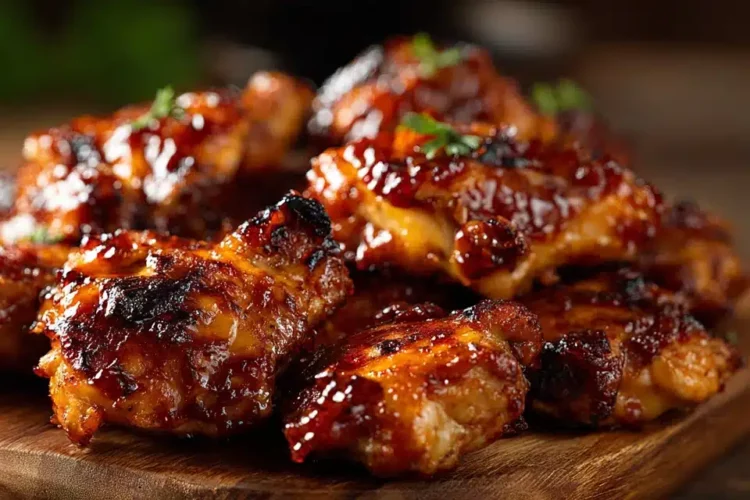
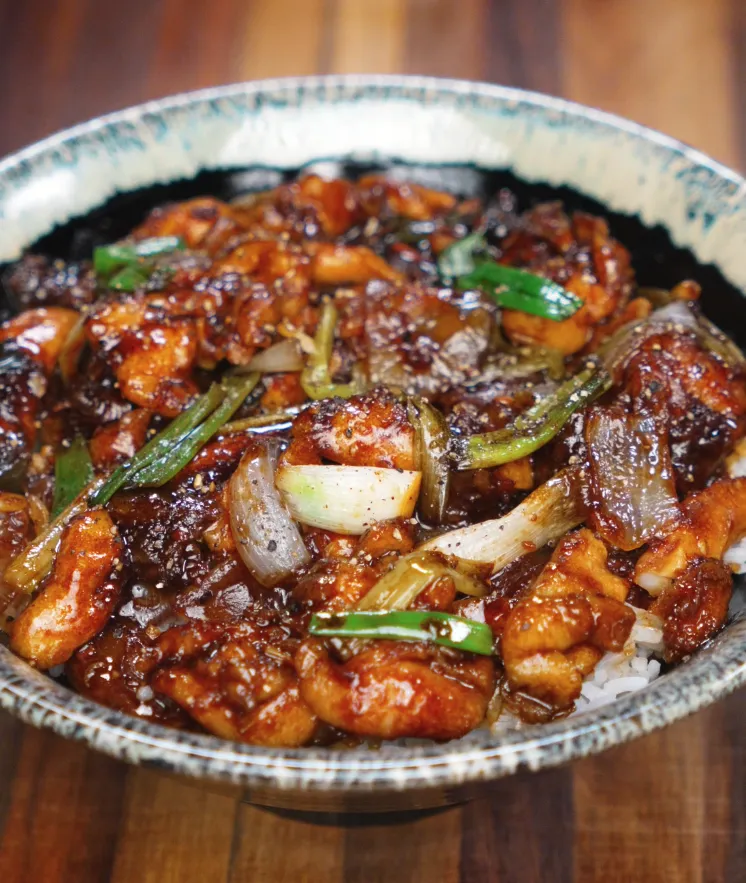
Black pepper chicken is one of those dishes that proves weeknight cooking doesn’t have to be boring or complicated. This Chinese-American stir-fry delivers bold, peppery heat balanced by savory soy sauce, sweet caramelized onions, and aromatic garlic—all cooked in under fifteen minutes once your prep is done. The kind of meal that makes a bowl of steamed rice disappear faster than you’d expect.
What sets this recipe apart from generic stir-fries is the layered sauce. Two types of soy sauce create depth—dark soy for rich color and slightly sweet molasses notes, light soy for bright, clean saltiness. The oyster sauce adds umami richness, while the sesame oil and shaoxing wine round everything out with authentic flavor. The real hero, though, is freshly cracked black pepper, which blooms in the hot pan and creates that signature sharp, aromatic heat you simply can’t replicate with pre-ground.
I make this when I want something fast that genuinely tastes better than takeout. The marinade step is short but important—the cornstarch creates a velvety coating on the chicken that helps the sauce cling to every piece. Served over steaming jasmine rice that soaks up that glossy, peppery sauce, this becomes the kind of simple dinner that satisfies completely.
Why You’ll Love This Black Pepper Chicken
The marinade technique is borrowed from Chinese restaurant cooking and makes a real difference. Cornstarch coats the chicken strips and acts as a protective layer during cooking, keeping the meat tender and juicy even at high stir-fry temperatures. The shaoxing wine tenderizes the meat and adds subtle depth that plain chicken can’t achieve on its own.
Speed is a genuine advantage here. Once the chicken finishes its fifteen-minute marinade, the actual cooking takes about ten minutes from start to finish. The stir-fry method requires high heat and constant movement, which means no waiting around—dinner gets on the table fast.
The sauce ratio is carefully balanced. Using both dark and light soy sauce gives you a sauce that’s deeply colored and flavorful without being one-dimensionally salty. The small amount of sugar balances the saltiness and helps the sauce caramelize slightly in the hot pan, creating glossy, lacquered chicken that coats every grain of rice.
Chicken thighs stay tender and juicy in ways that chicken breasts often don’t during high-heat stir-frying. The slightly higher fat content in thighs prevents them from drying out during that intense heat, giving you more forgiving cooking and better flavor throughout.
Ingredients for Black Pepper Chicken
I use boneless, skinless chicken thighs cut into thin, uniform strips for consistent cooking and maximum sauce coverage. Thinner strips cook faster and absorb more of the peppery glaze than chunky pieces. Aim for strips about a quarter-inch thick and two inches long.
Chicken & Marinade:
- 4 boneless skinless chicken thighs, cut into thin strips
- 1 tbsp shaoxing wine (for marinade)
- 1 tsp cornstarch
- Pinch of salt
Stir Fry:
- 2 cloves garlic, finely minced
- ½ onion, cut into wedges
- 2 scallions, cut into ½-inch pieces (whites and greens separated)
Sauce:
- 1 tbsp dark soy sauce
- 1 tbsp light soy sauce
- 1 tbsp oyster sauce
- 1 tsp sesame oil
- 1 tsp rice wine vinegar
- 1 tsp shaoxing wine (for sauce)
- 1 tsp sugar
- 1 tsp freshly cracked black pepper (plus more to taste)
Optional Garnishes:
- Extra freshly cracked black pepper
Ingredient Notes:
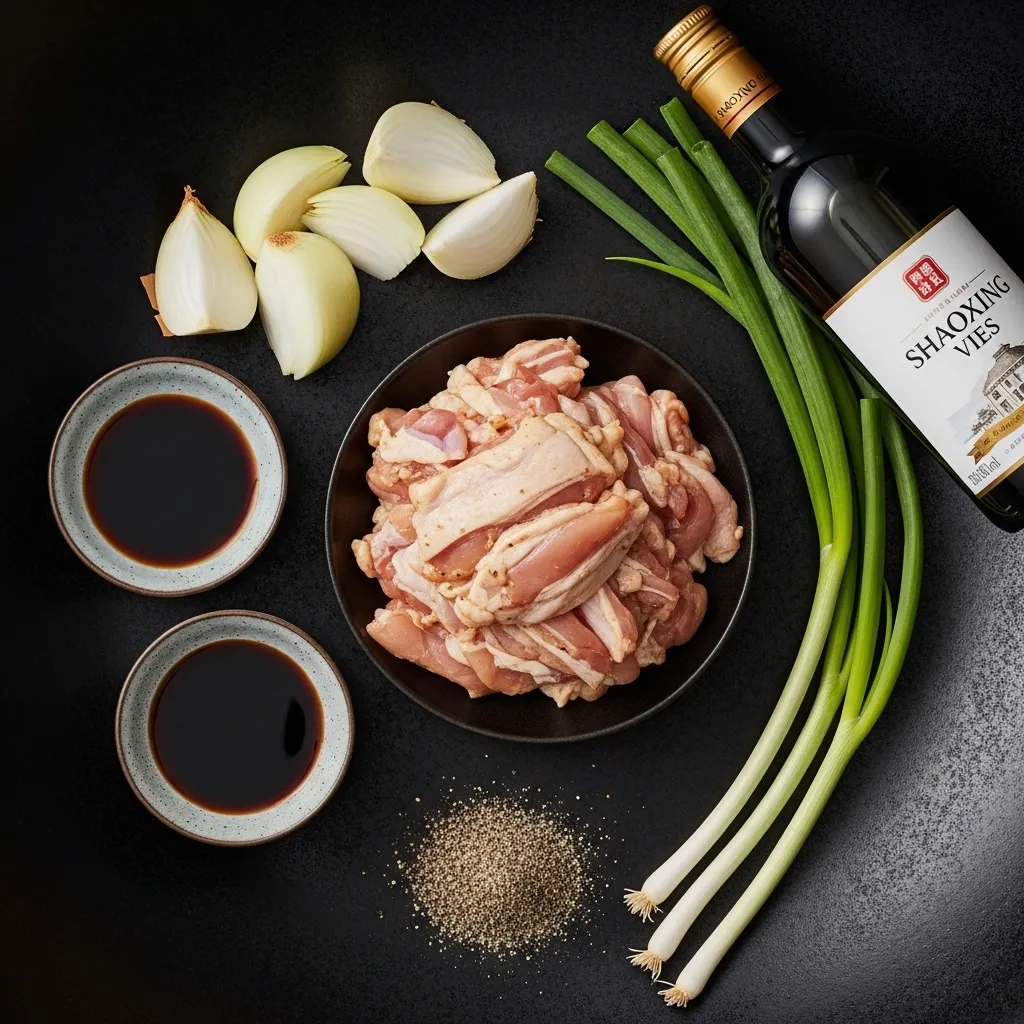
Shaoxing wine is a Chinese rice wine found in most Asian grocery stores and increasingly in mainstream supermarkets. It’s an essential ingredient that provides distinctive flavor you can’t quite replicate with substitutes—but dry sherry is the closest alternative if you can’t find it. Don’t use cooking wine labeled with salt, which will make the dish too salty.
Dark soy sauce and light soy sauce are different products that serve different purposes. Dark soy sauce is thicker, slightly sweet, and adds rich color. Light soy sauce is thinner and saltier with a brighter flavor. Using both creates complexity—I keep both in my pantry specifically because so many Chinese recipes call for this combination.
Freshly cracking your black pepper right before cooking is non-negotiable here. Pre-ground pepper loses its volatile aromatic compounds quickly, leaving you with heat but without that sharp, floral fragrance that makes black pepper chicken distinctive. Use a pepper grinder set to a coarse setting, or crush whole peppercorns with the bottom of a heavy pan.
Oyster sauce provides deep umami richness without making the dish taste fishy. Look for brands like Lee Kum Kee, which are widely available and consistently good. Once opened, store oyster sauce in the refrigerator where it keeps for months.
How to Make Black Pepper Chicken
Mise en place—having everything prepped and ready before you start cooking—is essential for stir-fries. The cooking happens fast, and you won’t have time to measure sauce ingredients or chop vegetables once the pan gets hot.
- Cut the chicken thighs into thin strips, about a quarter-inch thick. In a medium bowl, combine the chicken strips with the shaoxing wine, cornstarch, and a pinch of salt. Toss until every piece is evenly coated. The cornstarch will create a thin coating that protects the meat and gives the finished dish that silky restaurant texture. Let the chicken marinate for fifteen minutes at room temperature while you prep everything else.
- While the chicken marinates, mince the garlic as finely as possible—you want it to melt into the dish rather than remain chunky. Cut the onion half into wedges, separating the layers slightly so they’ll cook quickly and evenly. Chop the scallions into half-inch pieces, keeping the white bases and the green tops in separate piles. The whites go in early with the aromatics, while the greens are added at the end or used as garnish.
- Combine all the sauce ingredients in a small bowl—both soy sauces, oyster sauce, sesame oil, rice wine vinegar, shaoxing wine, sugar, and the freshly cracked black pepper. Whisk until the sugar dissolves and everything is fully combined. Having the sauce ready before you start cooking means you can add it quickly at the right moment without the pan getting too hot.
- Heat a large skillet or wok over medium-high heat until it’s quite hot—you want to see a faint wisp of smoke before adding oil. Add just enough neutral oil to coat the pan. Add the marinated chicken strips in a single layer, leaving a bit of space between pieces if possible. Let them cook undisturbed for about ninety seconds until the undersides develop some golden color, then stir and continue cooking for another three to four minutes until browned and mostly cooked through. Remove the chicken to a plate and set aside.
- Without cleaning the pan, reduce the heat slightly to medium. Add a small drizzle of oil if the pan looks dry. Add the garlic, onion wedges, and the white parts of the scallions. Sauté for about two minutes, stirring frequently. The garlic should become fragrant and very lightly golden, and the onions should soften slightly while retaining some texture. Don’t let the garlic brown too much or it will taste bitter.
- Return the cooked chicken and any accumulated juices from the plate back to the pan. Pour the pre-mixed sauce over everything. Increase the heat to medium-high. Stir-fry constantly, tossing everything together so every piece of chicken gets coated in sauce. Cook for about three minutes—the sauce will reduce, thicken slightly, and develop a glossy, lacquered appearance that clings to the chicken.
- Taste the sauce and adjust seasoning. Add more cracked black pepper if you want more heat, or a pinch of sugar if it needs balance. Toss in the green scallion pieces during the last thirty seconds of cooking so they stay bright and slightly fresh rather than wilted completely.
- Serve immediately over bowls of steamed white rice. Crack additional black pepper over the top just before eating for an extra burst of aromatic heat.
The biggest mistake in stir-frying is using heat that’s too low, which causes the chicken to steam and become gray rather than browning properly. Another common issue is overcrowding the pan—if you need to double the recipe, cook in two batches to maintain high heat.
What to Serve with Black Pepper Chicken
This is a classic “rice killer” dish—meaning the sauce is so good over rice that you eat far more rice than you planned. Build your meal around that.
Steamed Jasmine Rice: The non-negotiable base for black pepper chicken. Fragrant jasmine rice soaks up the peppery, savory sauce in a way that plain white rice does but with a more aromatic quality. Cook it in a rice cooker or on the stovetop while the chicken marinates.
Fried Rice: Day-old rice stir-fried with egg and soy sauce creates a heartier base for the black pepper chicken. The slightly caramelized rice adds another layer of flavor to the already bold dish.
Asian Cucumber Salad: A cool, crisp cucumber salad with rice vinegar, sesame oil, and chili flakes provides refreshing contrast to the hot, peppery chicken. The cool temperature and acidic dressing balance the richness of the stir-fry.
Steamed Bok Choy: Simply steamed or quickly blanched bok choy dressed with a little sesame oil and garlic provides a clean, green element that keeps the meal balanced. The mild vegetable lets the bold chicken be the focus.
Egg Drop Soup: A light, silky egg drop soup makes an excellent starter that rounds out the meal without competing with the main dish. The gentle, warm broth is a nice contrast to the intense stir-fry.
Stir-Fried Snap Peas: Quickly stir-fried snap peas with garlic maintain their bright crunch and provide fresh sweetness against the bold black pepper sauce. They cook in two minutes and add color to the plate.
Pro Tips & Variations
Prep every ingredient before turning on the heat. Stir-frying moves quickly and there’s no time to chop vegetables or measure sauces while the pan is hot. Having everything measured, chopped, and in bowls near the stove makes the actual cooking seamless.
Use a carbon steel wok if you have one. The shape and material conduct heat differently than a regular skillet, creating the high-heat cooking environment that gives authentic stir-fries their characteristic slightly charred, smoky quality sometimes called “wok hei.” A large, heavy stainless steel or cast iron skillet is the best alternative.
Don’t rinse the chicken before marinating. Pat it dry with paper towels instead—surface moisture prevents browning and creates steaming in the pan, which is exactly what you don’t want in a stir-fry.
Add Vegetables: Bell peppers, sliced thin, are a classic addition to black pepper chicken. Broccoli florets add bulk and nutrition—blanch them briefly first so they cook through in the short stir-fry time. Snap peas or snow peas go in raw during the last two minutes. Baby corn or water chestnuts add interesting texture.
Adjust the Heat: For more pepper forward flavor, add another half teaspoon of cracked pepper to the sauce. For a spicier version, add a sliced Thai bird’s eye chili or a teaspoon of chili garlic sauce. For a milder dish, reduce the pepper and add a bit more sugar to balance.
Protein Swaps: Thinly sliced beef (flank steak or sirloin) works beautifully with this exact sauce—it may need slightly less cooking time depending on how you like it. Shrimp cook in about three minutes total and absorb the sauce wonderfully. Firm tofu cubed and pan-fried until crispy before adding the sauce creates an excellent vegetarian version.
Make It a Noodle Dish: Toss the finished chicken and sauce with cooked lo mein noodles or ramen noodles for a different meal entirely. Add a splash more sauce if needed to coat the noodles.
Storage & Reheating Tips
Store leftover black pepper chicken in an airtight container in the refrigerator for three to four days. The sauce actually absorbs more deeply into the chicken overnight, making the flavors even more pronounced. This is one of those dishes that genuinely improves after a day in the fridge.
Reheat in a skillet over medium heat for the best results. Add a tablespoon of water or chicken broth to the pan to help loosen the sauce, which will have thickened considerably when cold. Stir frequently and heat just until everything is warmed through—about three to four minutes.
The microwave works for quick reheating. Use medium power and heat in ninety-second intervals, stirring between each, until warmed through. Add a small splash of water before microwaving to keep the chicken moist and prevent the sauce from becoming too thick.
This dish freezes well for up to two months. Portion into individual serving containers before freezing for easier defrosting. Thaw overnight in the refrigerator and reheat as described above. You might want to add a fresh crack of black pepper after reheating since some of the pepper’s brightness dissipates during freezing.
Common Questions
What’s the difference between dark and light soy sauce? Dark soy sauce is thicker, less salty, and slightly sweet with deep mahogany color that comes from longer aging and molasses. Light soy sauce is thinner, saltier, and has brighter flavor. They serve different purposes—using one instead of the other will throw off both the flavor and color of the dish.
Can I substitute the shaoxing wine? Dry sherry is the closest substitute in terms of flavor. A small amount of chicken broth with a few drops of rice wine vinegar also works in a pinch. Avoid cooking wines labeled with salt, which will make the dish too salty.
Why is my chicken sticking to the pan? The pan likely wasn’t hot enough before you added the oil and chicken. The chicken should sizzle loudly immediately when it hits the pan. Also, don’t move it too soon—let it cook for ninety seconds undisturbed so it develops a crust and releases naturally from the pan.
Can I make this ahead for meal prep? The sauce can be mixed up to a week ahead and stored in a jar in the refrigerator. The chicken can be marinated for up to two hours in the fridge. Cook fresh when ready to eat for the best texture, though the leftovers reheat well for meal prep throughout the week.
Is this dish very spicy? One teaspoon of cracked black pepper gives you noticeable heat and sharp peppery bite, but it’s not overwhelmingly spicy. The heat is more aromatic than burning. If you’re sensitive to spice, start with half a teaspoon and add more to taste.
This black pepper chicken earns a permanent spot in the weeknight dinner rotation. Ten minutes of cooking delivers bold, restaurant-quality flavor that turns a simple bowl of rice into a meal worth looking forward to. Once you try it, it’s hard to go back to ordering takeout.
Black Pepper Chicken
Ingredients
Equipment
Method
- Cut chicken thighs into thin strips and combine with shaoxing wine, cornstarch, and salt. Toss until evenly coated and marinate for 15 minutes at room temperature.
- While chicken marinates, mince garlic, cut onion into wedges, and chop scallions into half-inch pieces, keeping whites and greens separated.
- In a small bowl, whisk together dark soy sauce, light soy sauce, oyster sauce, sesame oil, rice wine vinegar, shaoxing wine, sugar, and freshly cracked black pepper until sugar dissolves.
- Heat a large skillet or wok over medium-high heat until quite hot. Add oil and cook chicken strips for about 5 minutes until browned, letting them sit undisturbed for 90 seconds before stirring. Remove chicken to a plate.
- In the same pan, sauté garlic, onion wedges, and scallion whites over medium heat for about 2 minutes until fragrant and slightly softened.
- Return chicken and accumulated juices to pan. Pour sauce over everything. Stir-fry over medium-high heat for about 3 minutes until sauce thickens, reduces, and coats the chicken with a glossy glaze.
- Toss in scallion greens during the last 30 seconds. Taste and adjust with more cracked black pepper if desired. Serve immediately over steamed jasmine rice.