I can still picture my Auntie Folake in her vibrant Ankara dress, stirring a massive pot on the stove, the aroma of tomatoes, peppers, and spices filling her entire compound – that was always the sign that a celebration (or Sunday lunch!) was near, and that meant delicious Nigerian Chicken Stew. It’s a dish that screams love, family, and the heart of Nigerian cooking. Trust me, with this recipe, you’ll be whipping up a pot of stew so good, it’ll transport you straight to a Nigerian Sunday afternoon!
Nigerian Chicken Stew: Your Ultimate Guide
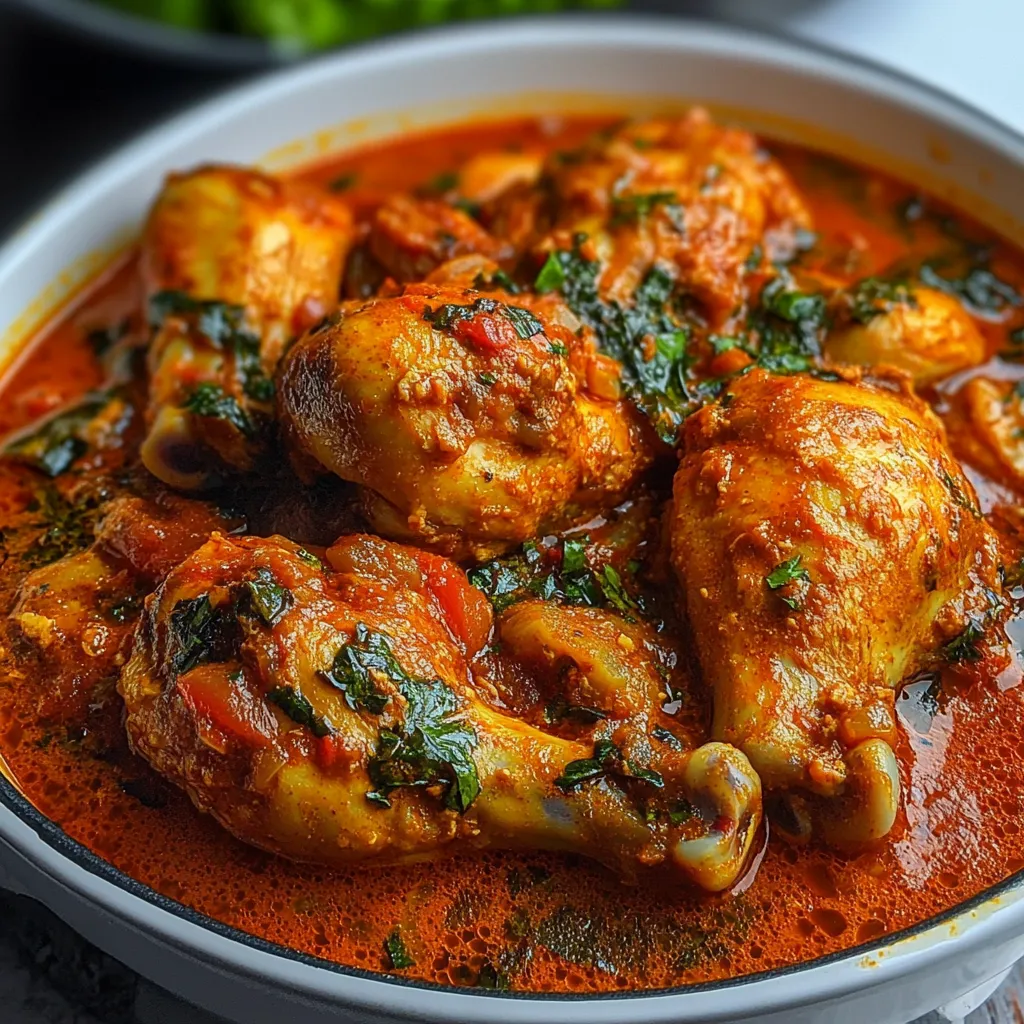
Alright, friend, let’s dive into the wonderful world of Nigerian Chicken Stew! This isn’t just any stew; it’s a flavorful explosion that combines tender chicken with a rich, vibrant tomato and pepper sauce. It’s the kind of meal that makes you want to gather around the table with loved ones and savor every single bite. Don’t be intimidated if you’ve never made it before. I’m going to break down each step, offering tips and tricks along the way, so you can confidently create a culinary masterpiece.
What Makes Nigerian Chicken Stew So Special?
Nigerian Chicken Stew is more than just a meal; it’s a cultural experience. It’s the cornerstone of countless celebrations, Sunday lunches, and family gatherings. The unique blend of spices, the slow simmering process, and the sheer depth of flavor all contribute to its irresistible appeal. Unlike some other stews, this one boasts a vibrant, almost tangy flavor profile thanks to the generous use of fresh tomatoes and peppers. Trust me, once you try it, you’ll understand the hype!
Ingredients You’ll Need
Before we get started, let’s gather our ingredients. Don’t worry if you don’t have everything on hand; most of these can be easily found at your local grocery store or international market. Here’s what you’ll need:
- Chicken: About 2-3 lbs of chicken pieces (bone-in or boneless, your choice). I personally prefer bone-in thighs for extra flavor.
- Tomatoes: A generous amount – about 6-8 large, ripe tomatoes. You can also use canned plum tomatoes if fresh ones aren’t available.
- Bell Peppers: 1-2 red bell peppers and 1-2 yellow or orange bell peppers for sweetness and color.
- Scotch Bonnet Peppers: This is where the heat comes in! Start with 1-2, depending on your spice tolerance. Remember, you can always add more, but you can’t take it away!
- Onions: 1-2 large onions, chopped.
- Garlic: 4-5 cloves, minced.
- Ginger: A 1-inch piece, grated or minced.
- Tomato Paste: A couple of tablespoons to deepen the color and flavor of the sauce.
- Chicken Broth: About 2-3 cups.
- Vegetable Oil: For frying and sautéing.
- Spices:
- Bay leaves (2-3)
- Dried thyme (1-2 teaspoons)
- Curry powder (1-2 teaspoons)
- Dried rosemary (1/2 teaspoon)
- Salt and pepper to taste
- Optional:
- Bouillon cubes (Maggi or Knorr) for extra flavor (use sparingly!).
- Chopped cilantro or parsley for garnish.
Step-by-Step Instructions: From Prep to Plate
Okay, let’s get cooking! Here’s a detailed breakdown of how to make the most delicious Nigerian Chicken Stew you’ve ever tasted.
Step 1: Prepare the Chicken
First, wash your chicken thoroughly with water and a little bit of lemon juice or vinegar. This helps to remove any impurities. Pat the chicken dry with paper towels. Season generously with salt, pepper, curry powder, and dried thyme. You can also add a little bit of bouillon powder if you like. Let the chicken marinate for at least 30 minutes, or even better, for a couple of hours in the refrigerator. This allows the flavors to penetrate the chicken.
Step 2: Blend the Pepper Mix
This is where the magic happens! Roughly chop the tomatoes, bell peppers, Scotch bonnet peppers, onions, garlic, and ginger. Add them to a blender with a little bit of water (just enough to help the blender run smoothly). Blend until you have a smooth puree. Be very careful when handling Scotch bonnet peppers – they are very hot! Wear gloves if you have sensitive skin and avoid touching your eyes.
Step 3: Fry the Chicken
Heat about 2-3 tablespoons of vegetable oil in a large pot or Dutch oven over medium-high heat. Add the marinated chicken pieces and fry until golden brown on all sides. This step is important because it helps to seal in the juices and adds a delicious depth of flavor to the stew. Don’t overcrowd the pot; fry the chicken in batches if necessary. Once the chicken is browned, remove it from the pot and set it aside.
Step 4: Cook the Pepper Sauce
In the same pot, add another tablespoon of vegetable oil. Pour in the blended pepper mix and stir in the tomato paste. Cook over medium heat, stirring occasionally, for about 20-30 minutes, or until the sauce has thickened and the raw smell of the tomatoes has disappeared. This is a crucial step because it allows the flavors to develop and prevents the stew from tasting sour. Keep an eye on the sauce and stir frequently to prevent it from sticking to the bottom of the pot. If the sauce starts to splatter too much, you can partially cover the pot with a lid.
Step 5: Simmer the Stew
Add the fried chicken back to the pot with the pepper sauce. Pour in the chicken broth, enough to cover the chicken pieces. Add the bay leaves and dried rosemary. Bring the stew to a boil, then reduce the heat to low, cover the pot, and simmer for at least 1-1.5 hours, or until the chicken is very tender and the flavors have melded together beautifully. The longer you simmer the stew, the more flavorful it will be! Check the stew periodically and add more chicken broth if needed to prevent it from drying out.
Step 6: Season and Serve
Once the chicken is cooked to your liking, taste the stew and adjust the seasoning as needed. Add more salt, pepper, or curry powder to taste. You can also add a little bit of bouillon powder if you want to enhance the flavor further. However, be careful not to over-salt the stew. Remove the bay leaves before serving. Garnish with chopped cilantro or parsley if desired. Serve hot with rice, yam, plantain, or even swallow (like pounded yam or fufu). It’s also delicious with Creamy Garlic Chicken Gnocchi Skillet for a fusion twist!
Tips and Tricks for the Perfect Nigerian Chicken Stew
Here are a few extra tips and tricks to help you achieve stew perfection:
- Spice Level: Adjust the amount of Scotch bonnet peppers to your liking. If you’re not a fan of spicy food, start with just one pepper and remove the seeds before blending.
- Tomato Quality: Use the ripest, juiciest tomatoes you can find for the best flavor. If you’re using canned tomatoes, opt for good-quality plum tomatoes.
- Simmering Time: Don’t rush the simmering process! The longer you simmer the stew, the more flavorful it will be.
- Thickening the Sauce: If your stew is too watery, you can thicken the sauce by simmering it uncovered for a longer period of time or by adding a slurry of cornstarch and water.
- Flavor Boost: For an extra layer of flavor, try adding a smoked fish or smoked turkey leg to the stew while it simmers.
- Make Ahead: Nigerian Chicken Stew tastes even better the next day, as the flavors have more time to meld together. You can make it ahead of time and store it in the refrigerator for up to 3 days.
Serving Suggestions and Pairings
Nigerian Chicken Stew is incredibly versatile and can be served with a variety of accompaniments. Here are some popular serving suggestions:
- Rice: Plain white rice, Jollof rice, or coconut rice are all excellent choices.
- Yam: Boiled yam or pounded yam (iyan) are traditional Nigerian staples that pair perfectly with the stew.
- Plantain: Fried plantains (dodo) add a touch of sweetness to the savory stew.
- Swallow: Swallow refers to starchy side dishes like eba (garri), fufu, and amala, which are typically eaten with soups and stews in Nigeria.
If you’re looking for a lighter meal, you can also serve the stew with a side salad or some crusty bread for dipping.
Consider pairing it with other chicken recipes like a comforting Chicken Pot Pie With Biscuits or a simple Chicken Mushroom Spinach Skillet for a varied menu. You can even draw inspiration from international flavors with a Jamaican Curry Chicken Recipe.
Variations and Adaptations
The beauty of Nigerian Chicken Stew is that it’s highly adaptable to your personal preferences. Here are a few variations you can try:
- Vegetarian Version: Replace the chicken with mushrooms, tofu, or other vegetables for a delicious vegetarian stew.
- Seafood Version: Add shrimp, prawns, or fish to the stew for a seafood twist.
- Smoked Chicken: Use smoked chicken for a richer, smokier flavor.
- Different Peppers: Experiment with different types of peppers to adjust the heat level and flavor profile.
- Add Vegetables: Add other vegetables like carrots, potatoes, or green beans to the stew for added nutrition and texture.
Don’t be afraid to get creative and experiment with different ingredients and flavors to create your own unique version of Nigerian Chicken Stew!
If you want a quick and easy weeknight meal, maybe try something like Chicken Thighs Dinner Recipe to have in your rotation.Troubleshooting Common Issues
Sometimes things don’t go exactly as planned in the kitchen. Here are a few common issues you might encounter when making Nigerian Chicken Stew and how to fix them:
- Stew is too watery: Simmer the stew uncovered for a longer period of time to allow the sauce to reduce and thicken. You can also add a slurry of cornstarch and water to thicken the sauce.
- Stew is too thick: Add more chicken broth to thin out the stew.
- Stew is too spicy: Add a little bit of sugar or honey to balance the heat. You can also add a splash of cream or yogurt to cool it down.
- Stew is too bland: Add more salt, pepper, curry powder, or bouillon powder to taste. You can also add a little bit of tomato paste for a deeper flavor.
- Chicken is dry: Make sure you’re simmering the stew over low heat and that there’s enough liquid to cover the chicken. You can also add a little bit of butter or oil to the stew to help keep the chicken moist.
Storing and Reheating
Nigerian Chicken Stew can be stored in the refrigerator for up to 3 days or in the freezer for up to 2 months. To reheat, simply warm the stew in a pot over medium heat until heated through. You can also reheat it in the microwave.
Why This Recipe Works
This recipe works because it’s based on traditional Nigerian cooking techniques and flavors. The combination of fresh tomatoes, peppers, and spices creates a vibrant and flavorful sauce that perfectly complements the tender chicken. The slow simmering process allows the flavors to meld together and develop a deep, rich taste. Plus, the recipe is easy to follow and adaptable to your personal preferences. I’ve made this stew countless times, tweaking and perfecting it along the way, and I’m confident that you’ll love it too!
Final Thoughts: Embrace the Flavor
Making Nigerian Chicken Stew might seem a little daunting at first, but trust me, it’s worth the effort. This is a dish that’s bursting with flavor, history, and culture. It’s a dish that will impress your friends and family and transport you to the heart of Nigeria. So, gather your ingredients, put on some good music, and get ready to create a culinary masterpiece! I’m here to guide you every step of the way, so don’t hesitate to ask if you have any questions. Happy cooking!
What makes Nigerian Chicken Stew different from other stews?
Nigerian Chicken Stew boasts a vibrant, almost tangy flavor profile due to the generous use of fresh tomatoes and peppers, setting it apart from other stews.
Can I adjust the spice level of the Nigerian Chicken Stew?
Yes, you can adjust the amount of Scotch bonnet peppers to your liking. If you’re not a fan of spicy food, start with just one pepper and remove the seeds before blending.
What are some traditional Nigerian dishes to serve with Nigerian Chicken Stew?
Nigerian Chicken Stew is traditionally served with rice, yam (boiled or pounded), plantain (fried), or swallow (like eba, fufu, or amala).
How can I store and reheat Nigerian Chicken Stew?
You can store Nigerian Chicken Stew in the refrigerator for up to 3 days or in the freezer for up to 2 months. To reheat, warm it in a pot over medium heat or in the microwave.
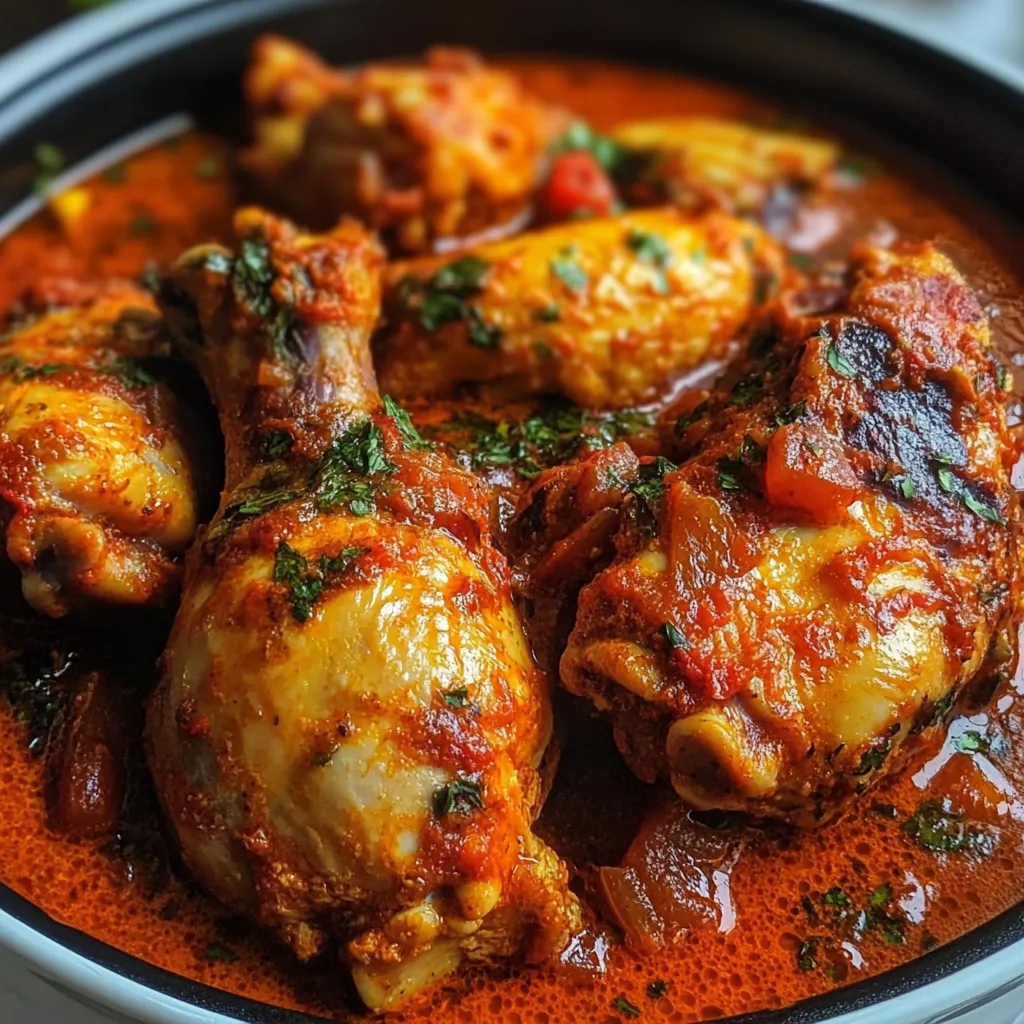
Best Nigerian Chicken Stew
Ingredients
Equipment
Method
- Wash chicken thoroughly with water and lemon juice or vinegar. Pat dry with paper towels.
- Season chicken generously with salt, pepper, curry powder, and dried thyme. Marinate for at least 30 minutes, or up to a couple of hours in the refrigerator.
- Roughly chop tomatoes, bell peppers, Scotch bonnet peppers, onions, garlic, and ginger. Add to a blender with a little water and blend until smooth. Be careful when handling Scotch bonnet peppers.
- Heat 2-3 tablespoons vegetable oil in a large pot or Dutch oven over medium-high heat. Fry the marinated chicken pieces until golden brown on all sides. Remove chicken and set aside.
- Add another tablespoon of vegetable oil to the pot. Pour in the blended pepper mix and stir in the tomato paste. Cook over medium heat, stirring occasionally, for 20-30 minutes, or until the sauce has thickened and the raw smell of the tomatoes has disappeared.
- Add the fried chicken back to the pot with the pepper sauce. Pour in chicken broth, enough to cover the chicken pieces. Add bay leaves and dried rosemary.
- Bring the stew to a boil, then reduce heat to low, cover the pot, and simmer for at least 1-1.5 hours, or until the chicken is very tender and the flavors have melded together. Check periodically and add more chicken broth if needed.
- Once the chicken is cooked to your liking, taste the stew and adjust the seasoning as needed. Add more salt, pepper, or curry powder to taste. Remove bay leaves before serving.
- Garnish with chopped cilantro or parsley if desired. Serve hot with rice, yam, plantain, or swallow (like pounded yam or fufu).