Curry Chicken Deconstructed: The Science Behind the Spice
Curry chicken isn’t just about throwing some curry powder into a pot with chicken. It’s a complex interplay of flavors and techniques that, when executed correctly, results in a symphony of taste and texture. Understanding the science behind each step is crucial. First, let’s talk about the “curry” itself. In Jamaican cuisine, “curry” refers to a blend of spices, often including turmeric, coriander, cumin, fenugreek, and allspice. The specific ratio and quality of these spices significantly impact the final flavor. Turmeric provides the vibrant color and earthy notes, while coriander and cumin offer warmth and depth. Fenugreek adds a slightly bitter, maple-like flavor, and allspice contributes a hint of sweetness and warmth reminiscent of cloves, cinnamon, and nutmeg. Next, the browning of the chicken is essential. This Maillard reaction, occurring when amino acids and reducing sugars are heated, creates hundreds of flavor compounds that contribute to the overall complexity of the dish. Don’t skip this step! Finally, the slow simmering in coconut milk (optional, but highly recommended) tenderizes the chicken and allows the flavors to meld together. The fat in the coconut milk also carries the aromatic compounds from the spices, creating a rich and flavorful sauce. Understanding how the fats bind to certain molecules is essential to getting the flavor just right.The Ultimate Jamaican Curry Chicken Recipe
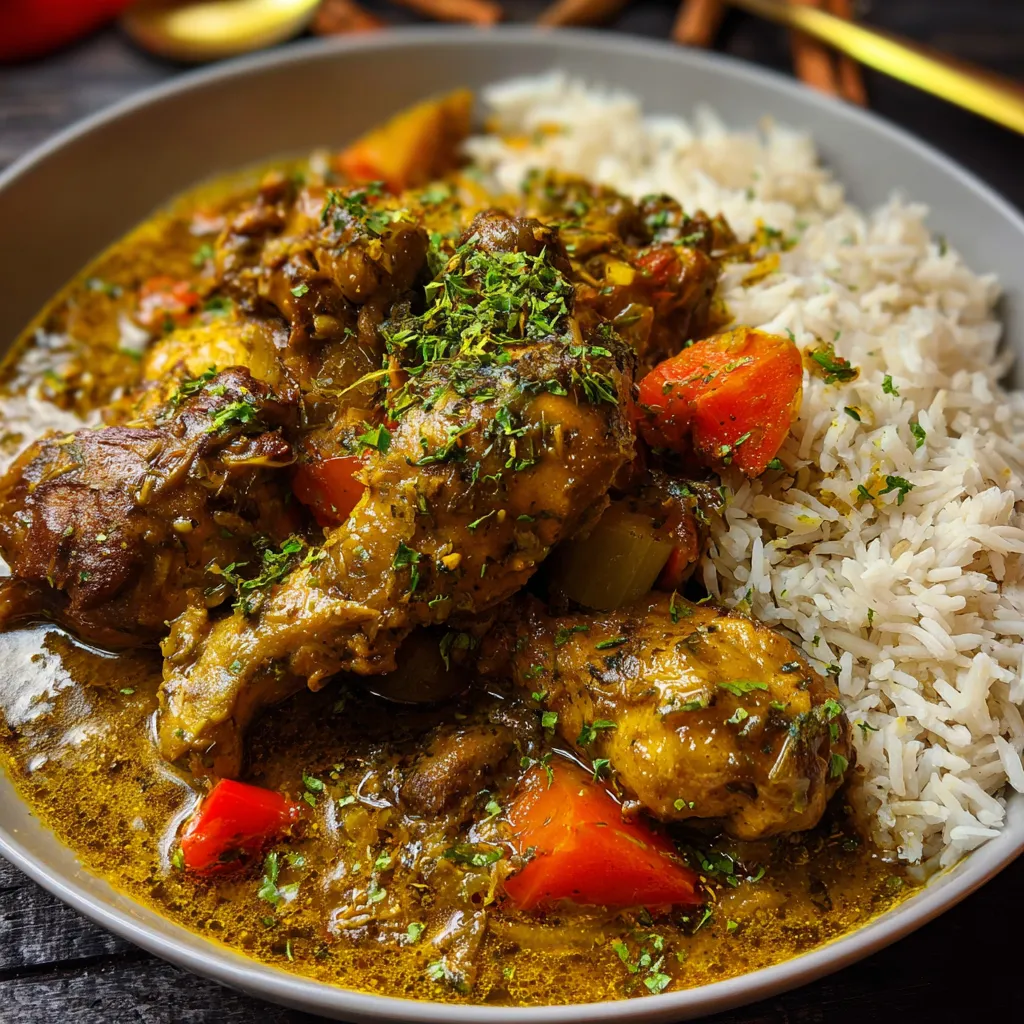 Here’s a recipe honed through countless iterations, designed to deliver that authentic Jamaican curry chicken flavor.
Ingredients:
- 2-3 lbs bone-in, skin-on chicken pieces (thighs and drumsticks recommended)
- 2 tbsp Jamaican curry powder (see notes below)
- 1 tsp ground allspice
- 1/2 tsp ground cumin
- 1/4 tsp ground ginger
- 1/4 tsp cayenne pepper (optional, for heat)
- 1 large onion, chopped
- 4 cloves garlic, minced
- 1 scotch bonnet pepper, seeded and finely chopped (optional, for intense heat – use with caution!)
- 2 tbsp vegetable oil
- 1 cup chicken broth
- 1 (14-oz) can coconut milk (full-fat recommended)
- 2 medium potatoes, peeled and cubed
- 1 carrot, peeled and chopped
- 2 sprigs fresh thyme
- 1 tbsp soy sauce (or browning sauce for richer color)
- Salt and black pepper to taste
- Fresh cilantro or scallions, chopped, for garnish
Instructions:
- Marinate the Chicken: In a large bowl, combine the chicken with the curry powder, allspice, cumin, ginger, cayenne pepper (if using), salt, and black pepper. Massage the spices into the chicken and let it marinate for at least 30 minutes, or preferably several hours (or even overnight in the refrigerator).
- Sear the Chicken: Heat the vegetable oil in a large, heavy-bottomed pot or Dutch oven over medium-high heat. Add the chicken pieces (in batches, if necessary) and sear on all sides until nicely browned. Remove the chicken from the pot and set aside.
- Sauté Aromatics: Add the chopped onion and garlic to the pot and sauté until softened and fragrant, about 5 minutes. Add the scotch bonnet pepper (if using) and cook for another minute.
- Return Chicken and Simmer: Return the chicken to the pot. Pour in the chicken broth and coconut milk. Add the potatoes, carrot, thyme sprigs, and soy sauce (or browning sauce). Bring the mixture to a simmer, then reduce the heat to low, cover, and cook for about 45-60 minutes, or until the chicken is tender and the potatoes are cooked through.
- Adjust and Serve: Remove the thyme sprigs. Taste and adjust the seasoning with salt and pepper as needed. If the sauce is too thin, remove the lid and simmer for a few more minutes to reduce it slightly.
- Garnish and Enjoy: Garnish with fresh cilantro or scallions and serve hot over rice, roti, or with your favorite sides. This pairs exceptionally well with Black Beans And Rice With Sausage.
Recipe Notes:
- Curry Powder: The quality of your curry powder is crucial. Ideally, use a Jamaican curry powder blend, which often contains allspice. If you can’t find Jamaican curry powder, you can make your own blend by combining turmeric, coriander, cumin, fenugreek, allspice, and a touch of ginger.
- Heat Level: Scotch bonnet peppers are *very* spicy. Use caution when handling them, and adjust the amount to your preference. For a milder flavor, remove the seeds and membranes before chopping.
- Chicken Pieces: Bone-in, skin-on chicken pieces provide the most flavor. Thighs and drumsticks are particularly well-suited for this dish. You can also use a whole cut-up chicken.
- Coconut Milk: Full-fat coconut milk provides the richest flavor and creamiest texture. If you prefer a lighter version, you can use light coconut milk, but the flavor will be less intense.
- Browning Sauce: Browning sauce (such as Kitchen Bouquet or Gravy Master) adds a rich, dark color and depth of flavor to the curry. If you don’t have browning sauce, you can substitute soy sauce or a small amount of molasses.
My Curry Chicken Odyssey: The Investigation
My journey to perfecting Jamaican Curry Chicken was filled with twists, turns, and a healthy dose of spice-induced sweat. My first few attempts were a disaster. I was following recipes that promised authenticity, but the results were bland, watery, or just plain *wrong*. It lacked the deep, savory, complex flavor I was craving.The Powder Problem
Initially, like many of you, I initially thought that all curry powders were created equal. I grabbed whatever jar was on the supermarket shelf and tossed it in. Big mistake! The curry powder was old, stale, and lacked the vibrant flavors that define Jamaican cuisine. I quickly learned that quality ingredients matter. Sourcing a proper Jamaican curry powder, even if it meant ordering online, made a world of difference.The Browning Blunder
Next, I was impatient with the browning process. I’d toss the chicken in the pot, give it a quick sear, and move on. The result? Pale, flavorless chicken. Then, I had an “Aha!” moment when I realized the importance of *proper* browning. Taking the time to sear the chicken until it was deeply golden brown on all sides unlocked a whole new level of flavor. The Maillard reaction is real, folks! This process is similarly essential to other dishes, like Stick Of Butter Chicken Rice where browning the chicken contributes heavily to the flavor.The Scotch Bonnet Scare
Of course, no discussion of Jamaican food is complete without mentioning the scotch bonnet pepper. My first encounter was… intense. I added a whole, unseeded pepper to the pot, thinking I could handle the heat. Let’s just say I spent the next hour chugging milk and questioning my life choices. Lesson learned: respect the scotch bonnet! Now, I carefully seed it and use it sparingly, adding just enough to give the dish a pleasant kick without setting my mouth on fire. I’ve since learned to appreciate using peppers as a layering flavor, much like in Jamaican Shrimp Pasta.The Coconut Conundrum
Finally, I experimented with different types of coconut milk. I tried light coconut milk, coconut cream, and even skipped it altogether. The result? The full-fat coconut milk reigns supreme! It adds a richness and creaminess that elevates the dish to another level. The fat carries the flavors beautifully, creating a luscious sauce that coats every piece of chicken and potato.The Foolproof Technique: Cracking the Curry Chicken Code
After countless experiments, I’ve distilled the process into a simple, foolproof method. Follow these steps, and you’ll be on your way to curry chicken nirvana:- Source Quality Ingredients: Invest in good Jamaican curry powder and fresh ingredients.
- Marinate Generously: Give the chicken ample time to marinate, allowing the flavors to penetrate deep into the meat.
- Brown Like a Boss: Sear the chicken until it’s deeply golden brown on all sides. Don’t rush this step!
- Sauté with Love: Sauté the onions, garlic, and scotch bonnet pepper (if using) until softened and fragrant.
- Simmer Slowly: Simmer the chicken in chicken broth and coconut milk until it’s tender and the flavors have melded together.
- Adjust and Taste: Taste and adjust the seasoning as needed. Don’t be afraid to experiment with different spices and flavors.
- Serve with Pride: Garnish with fresh cilantro or scallions and serve hot over rice, roti, or your favorite sides.
What makes Jamaican curry powder different from other curry powders?
Jamaican curry powder often contains allspice, which is a key ingredient that contributes to the unique flavor profile of Jamaican curry chicken. If you can’t find Jamaican curry powder, you can create your own blend using turmeric, coriander, cumin, fenugreek, allspice, and a touch of ginger.
Why is browning the chicken so important in this recipe?
Browning the chicken, also known as the Maillard reaction, creates hundreds of flavor compounds that contribute to the overall complexity of the dish. It’s essential for developing a deep, savory flavor in the curry chicken.
What role does coconut milk play in Jamaican curry chicken?
Coconut milk tenderizes the chicken and allows the flavors to meld together. The fat in the coconut milk also carries the aromatic compounds from the spices, creating a rich and flavorful sauce. Full-fat coconut milk is recommended for the best results.
How can I adjust the heat level of the curry chicken?
The heat level of the curry chicken can be adjusted by controlling the amount of scotch bonnet pepper used. For a milder flavor, remove the seeds and membranes before chopping the pepper. Use it sparingly, adding just enough to give the dish a pleasant kick without making it overly spicy.
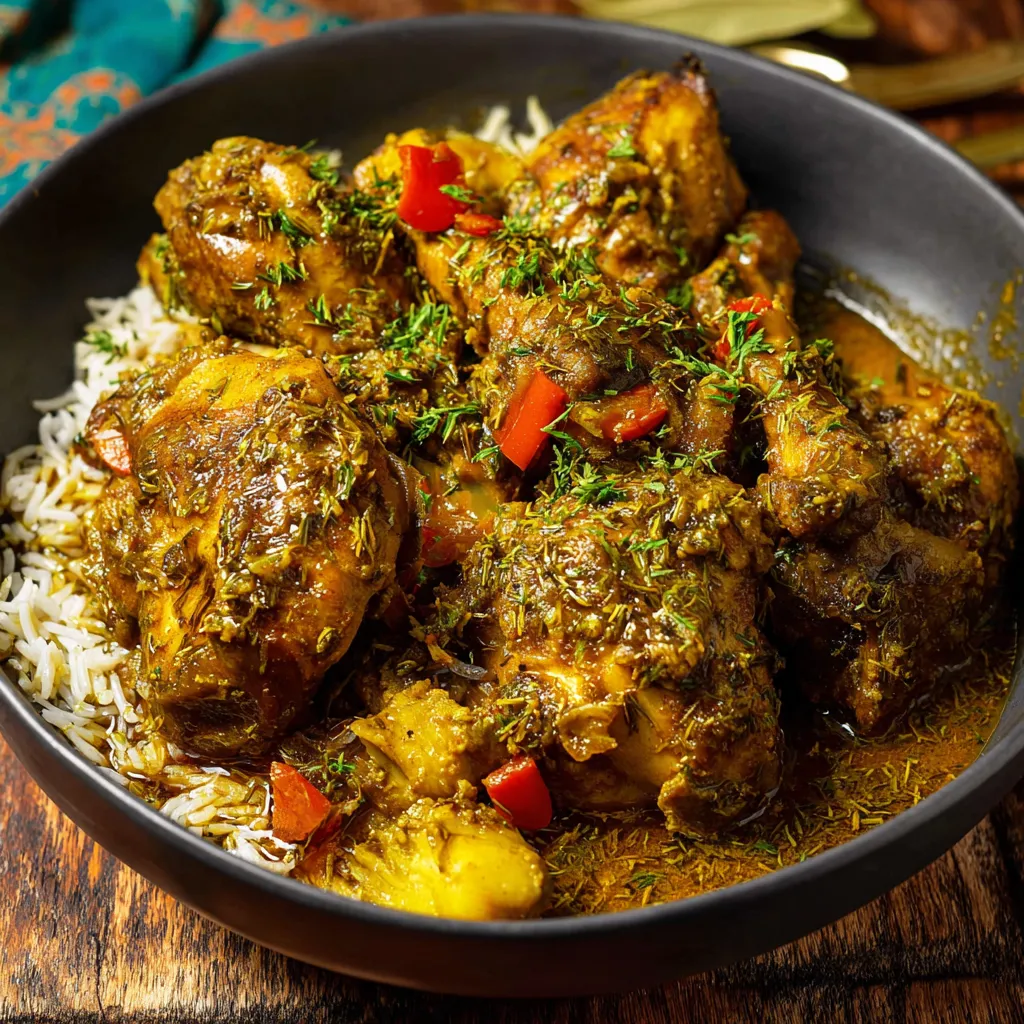
Best Jamaican Curry Chicken
Ingredients
Equipment
Method
- Marinate the Chicken: In a large bowl, combine the chicken with the curry powder, allspice, cumin, ginger, cayenne pepper (if using), salt, and black pepper. Massage the spices into the chicken and let it marinate for at least 30 minutes, or preferably several hours (or even overnight in the refrigerator).
- Sear the Chicken: Heat the vegetable oil in a large, heavy-bottomed pot or Dutch oven over medium-high heat. Add the chicken pieces (in batches, if necessary) and sear on all sides until nicely browned. Remove the chicken from the pot and set aside.
- Sauté Aromatics: Add the chopped onion and garlic to the pot and sauté until softened and fragrant, about 5 minutes. Add the scotch bonnet pepper (if using) and cook for another minute.
- Return Chicken and Simmer: Return the chicken to the pot. Pour in the chicken broth and coconut milk. Add the potatoes, carrot, thyme sprigs, and soy sauce (or browning sauce). Bring the mixture to a simmer, then reduce the heat to low, cover, and cook for about 45-60 minutes, or until the chicken is tender and the potatoes are cooked through.
- Adjust and Serve: Remove the thyme sprigs. Taste and adjust the seasoning with salt and pepper as needed. If the sauce is too thin, remove the lid and simmer for a few more minutes to reduce it slightly.
- Garnish and Enjoy: Garnish with fresh cilantro or scallions and serve hot over rice, roti, or with your favorite sides.