Unlocking the Enchilada Equation: The Science Behind the Sizzle
The key to exceptional ground beef enchiladas lies in understanding the interplay of a few critical elements: moisture control, flavor layering, and structural integrity. Many of us, myself included, tend to treat ground beef as a blank slate. But it’s far more reactive than that. Overcooking dries it out, leading to a grainy texture. Insufficient seasoning leaves it bland. And too much moisture results in soggy tortillas that fall apart. Flavor layering involves building complexity by incorporating different taste profiles – savory, spicy, acidic, and even a touch of sweetness. This isn’t just about adding chili powder; it’s about creating a symphony of flavors that dance on your palate. Finally, structural integrity is paramount. No one wants enchiladas that disintegrate on their plate. This requires careful attention to the tortillas (their type and treatment), the filling’s consistency, and the sauce’s viscosity. Think of it like constructing a building; a weak foundation will lead to collapse.The “Best Ever” Ground Beef Enchilada Recipe
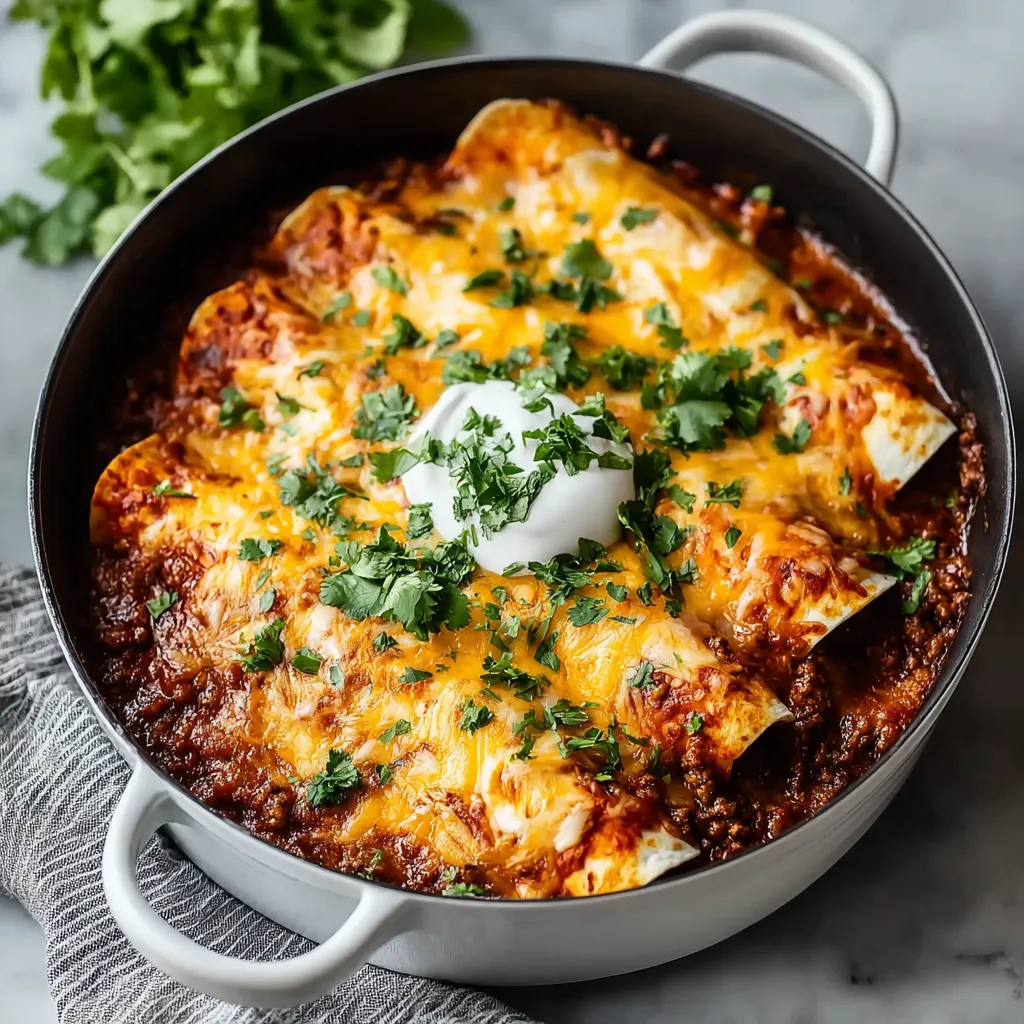 Here’s a recipe that incorporates all the science I’ve laid out, designed for maximum flavor and minimal structural failure.
Ingredients:
- For the Filling:
- 1.5 lbs Ground Beef (80/20 blend preferred for flavor)
- 1 medium Yellow Onion, finely diced
- 2 cloves Garlic, minced
- 1 Poblano Pepper, finely diced (optional, for a mild kick)
- 1 (15 oz) can Tomato Sauce
- 1 (10 oz) can Rotel Diced Tomatoes and Green Chilies, drained
- 1 packet (1.25 oz) Taco Seasoning (or homemade equivalent)
- 1/2 cup Beef Broth
- 1/4 cup Chopped Cilantro
- 1 cup Shredded Cheddar Cheese, divided
- Salt and Black Pepper to taste
- For the Enchiladas:
- 12 Corn Tortillas (or Flour Tortillas if preferred)
- 2 cups Enchilada Sauce (store-bought or homemade)
- 1 cup Shredded Cheddar Cheese, for topping
- Optional toppings: Sour Cream, Guacamole, Diced Tomatoes, Green Onions
Instructions:
- Prepare the Filling: In a large skillet over medium-high heat, brown the ground beef, breaking it up with a spoon. Drain off any excess grease.
- Add the onion and poblano pepper (if using) to the skillet and cook until softened, about 5 minutes. Stir in the garlic and cook for another minute until fragrant.
- Stir in the tomato sauce, Rotel, taco seasoning, and beef broth. Bring to a simmer and cook for 10-15 minutes, allowing the sauce to thicken slightly and the flavors to meld.
- Remove from heat and stir in the cilantro and 1/2 cup of the shredded cheddar cheese. Season with salt and pepper to taste.
- Warm the Tortillas: This is crucial! Warm the tortillas to make them pliable and prevent them from cracking. You can lightly fry them in a skillet with a little oil, microwave them briefly (covered with a damp paper towel), or steam them. I prefer the skillet method.
- Assemble the Enchiladas: Preheat oven to 350°F (175°C). Spread a thin layer of enchilada sauce on the bottom of a 9×13 inch baking dish.
- Spoon about 1/4 cup of the ground beef mixture down the center of each tortilla. Roll up the tortilla tightly and place it seam-side down in the prepared baking dish.
- Pour the remaining enchilada sauce evenly over the enchiladas. Sprinkle with the remaining 1 cup of shredded cheddar cheese.
- Bake: Bake in the preheated oven for 20-25 minutes, or until the cheese is melted and bubbly and the enchiladas are heated through.
- Serve: Let the enchiladas cool slightly before serving. Top with your favorite toppings, such as sour cream, guacamole, diced tomatoes, and green onions.
The Investigation: My Quest for the Perfect Enchilada
My first few attempts were a disaster. I’d often end up with dry, crumbly filling or soggy, falling-apart enchiladas. It was frustrating, to say the least. I knew there had to be a better way. So, I embarked on a quest, a culinary investigation, to unravel the secrets of the perfect ground beef enchilada.The Great Tortilla Debacle
Like many of you, I initially thought any tortilla would do. I was wrong. Corn tortillas, while offering authentic flavor, are notoriously prone to cracking. Flour tortillas are more pliable but can become gummy if over-sauced. My first ‘Aha!’ moment came when I started lightly frying the corn tortillas in a little oil before filling them. This created a barrier that prevented them from absorbing too much sauce and becoming soggy. It also added a subtle, delightful crispness. I also learned a similar technique makes my Taco Casserole recipe taste amazing.The Moisture Monster
The next challenge was moisture control in the filling. I initially used a high-water content ground beef, which resulted in a watery, flavorless mess. Switching to an 80/20 blend made a huge difference. The fat added richness and flavor, and I was able to drain off the excess grease after browning, preventing sogginess. The addition of a bit of beef broth allowed for simmering and flavor development without over-drying the meat. A similar moisture control trick is essential for a good Vegetable Beef Soup.The Flavor Frontier
Then, I tackled the flavor. Simply relying on a pre-packaged taco seasoning wasn’t cutting it. It lacked depth and complexity. I started experimenting with adding fresh ingredients like diced onions, garlic, and poblano peppers. The poblano pepper added a subtle heat that wasn’t overpowering. The Rotel diced tomatoes and green chilies provided a pleasant tang. And the fresh cilantro at the end brightened everything up. The importance of flavor layering also shines through in recipes like Cabbage Beef Bake, where the combination of savory beef, sweet cabbage, and aromatic spices creates a truly satisfying dish. And like the enchiladas, the Ground Beef Gnocchi benefits from a rich, well-developed sauce. I even tried making my own enchilada sauce from scratch, which, while delicious, proved to be too time-consuming for a weeknight meal. A good quality store-bought sauce works perfectly fine, especially when enhanced with a touch of your own creativity.Cheese Considerations
Finally, I experimented with different types of cheese. While Monterey Jack is often used, I found that a good sharp cheddar provided a more robust flavor that complemented the ground beef. Using some cheese inside the filling helped bind it together and added a creamy texture.The Foolproof Enchilada Technique: A Step-by-Step Guide to Success
After countless iterations, I’ve distilled the process down to a simple, foolproof technique:- Choose the Right Tortillas: Corn tortillas for authenticity, flour tortillas for pliability. Lightly fry corn tortillas in oil for best results.
- Control the Moisture: Use an 80/20 ground beef blend and drain off excess grease. Don’t overcook the beef.
- Layer the Flavors: Don’t rely solely on taco seasoning. Add fresh onions, garlic, peppers, and cilantro.
- Warm the Tortillas: Make them pliable to prevent cracking.
- Don’t Overfill: Too much filling will make the enchiladas difficult to roll and more prone to falling apart.
- Use Enough Sauce: But not too much! A thin layer on the bottom of the dish and a generous coating on top are key.
- Cheese Wisely: Use a good quality cheddar and don’t be afraid to add some inside the filling as well as on top.
- Bake to Perfection: Bake until the cheese is melted and bubbly and the enchiladas are heated through.
What is the key to preventing soggy enchiladas?
The key to preventing soggy enchiladas involves several factors including warming the tortillas before filling them (especially corn tortillas, which should be lightly fried), using an 80/20 ground beef blend to control moisture, and draining off any excess grease after browning the beef.
Why is an 80/20 ground beef blend recommended for this enchilada recipe?
An 80/20 ground beef blend is preferred because the fat adds richness and flavor, while allowing you to drain off excess grease after browning, which helps prevent the enchiladas from becoming soggy.
What can I do to make my enchiladas more flavorful than just using taco seasoning?
To enhance the flavor, add fresh ingredients like diced onions, garlic, poblano peppers (for a mild kick), Rotel diced tomatoes and green chilies for tang, and fresh cilantro to brighten the flavors.
What’s the best way to warm corn tortillas so they don’t crack when rolling the enchiladas?
Lightly frying the corn tortillas in a skillet with a little oil is the best method. This creates a barrier that prevents them from absorbing too much sauce and becoming soggy, while also adding a subtle crispness.
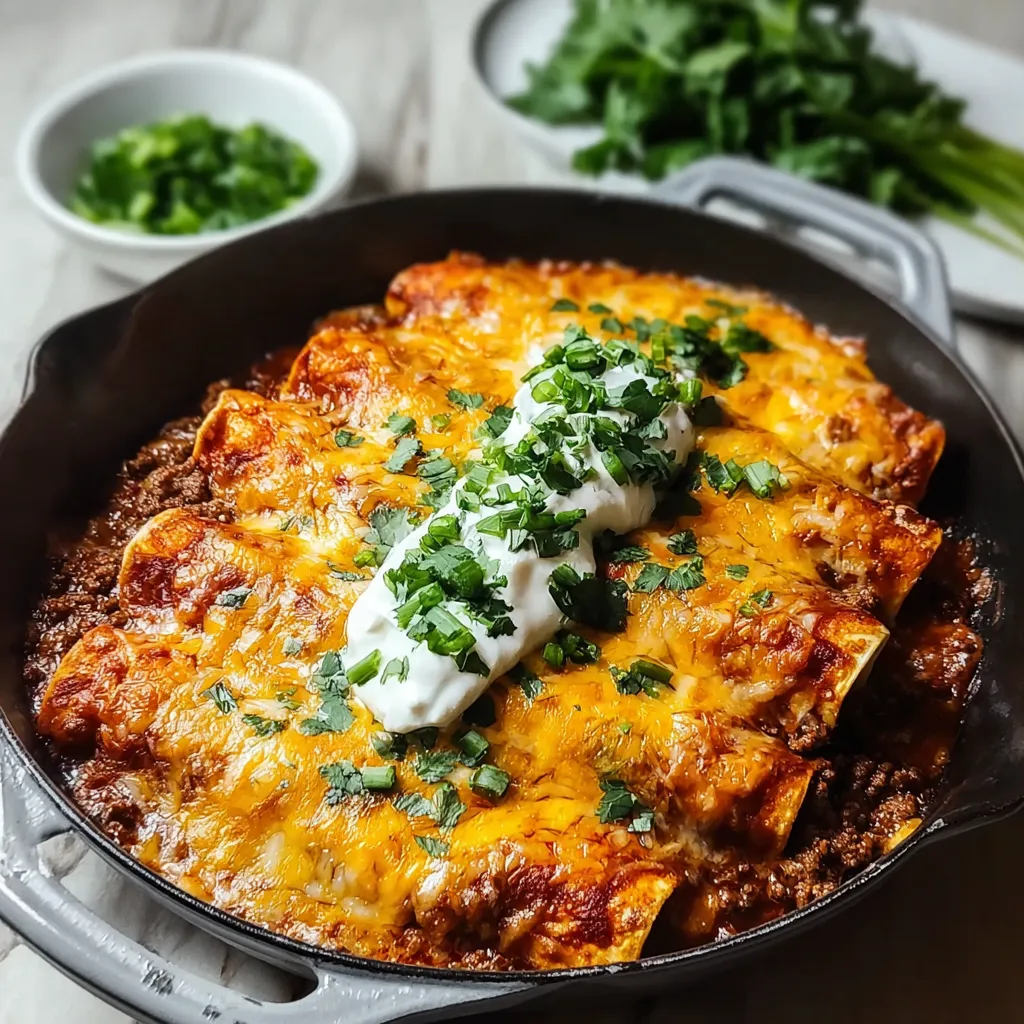
BEST GROUND BEEF ENCHILADAS EVER
Ingredients
Equipment
Method
- Preheat oven to 350°F (175°C).
- In a large skillet over medium-high heat, brown the ground beef, breaking it up with a spoon. Drain off any excess grease.
- Add the onion and poblano pepper (if using) to the skillet and cook until softened, about 5 minutes. Stir in the garlic and cook for another minute until fragrant.
- Stir in the tomato sauce, Rotel, taco seasoning, and beef broth. Bring to a simmer and cook for 10-15 minutes, allowing the sauce to thicken slightly and the flavors to meld.
- Remove from heat and stir in the cilantro and 1 cup of the shredded cheddar cheese. Season with salt and pepper to taste.
- Warm the tortillas: Lightly fry them in a skillet with a little oil until pliable.
- Spread a thin layer of enchilada sauce on the bottom of a 9×13 inch baking dish.
- Spoon about 1/4 cup of the ground beef mixture down the center of each tortilla. Roll up the tortilla tightly and place it seam-side down in the prepared baking dish.
- Pour the remaining enchilada sauce evenly over the enchiladas. Sprinkle with the remaining 1 cup of shredded cheddar cheese.
- Bake in the preheated oven for 20-25 minutes, or until the cheese is melted and bubbly and the enchiladas are heated through.
- Let the enchiladas cool slightly before serving. Top with your favorite toppings, such as sour cream, guacamole, diced tomatoes, and green onions.