Unlocking the Secrets: The Science Behind Scallopini
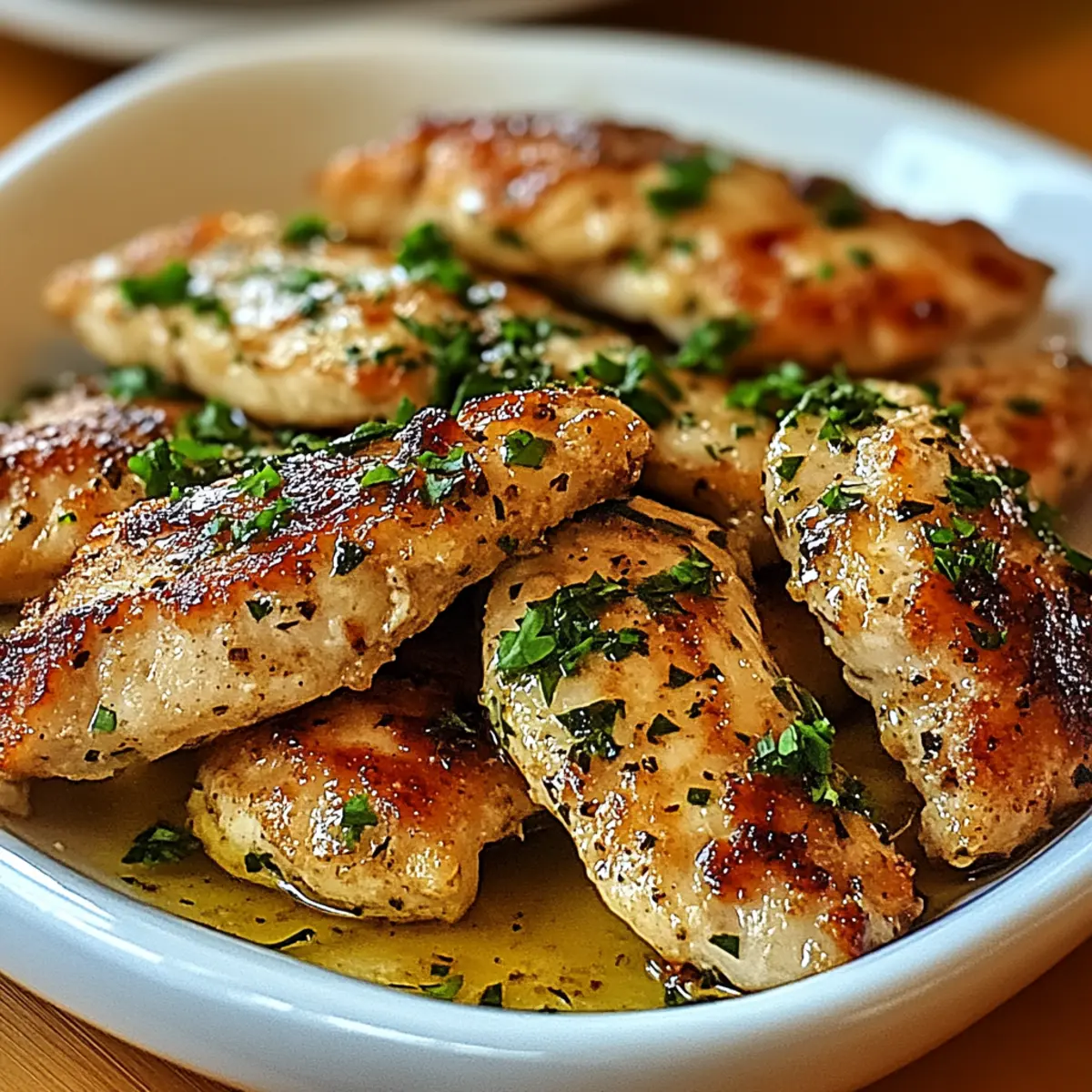
The magic of Chicken Scallopini lies in understanding a few key scientific principles. First, protein denaturation. Pounding the chicken thin accomplishes two things: it tenderizes the meat by breaking down muscle fibers and ensures even cooking. The thinness reduces cooking time, preventing the chicken from drying out and becoming tough. Secondly, the Maillard reaction, the chemical reaction between amino acids and reducing sugars that gives browned food its distinctive flavor, is crucial. A light dusting of flour helps achieve this beautiful golden-brown crust when the chicken hits the hot pan. Finally, emulsification is the heart of the sauce. The lemon juice, butter, and wine (or broth) need to combine harmoniously. Temperature control and gradual addition of liquids are key to preventing the sauce from breaking. If you love a good sauce, you might also enjoy Chicken Scampi Pasta.The Ultimate Chicken Scallopini Recipe
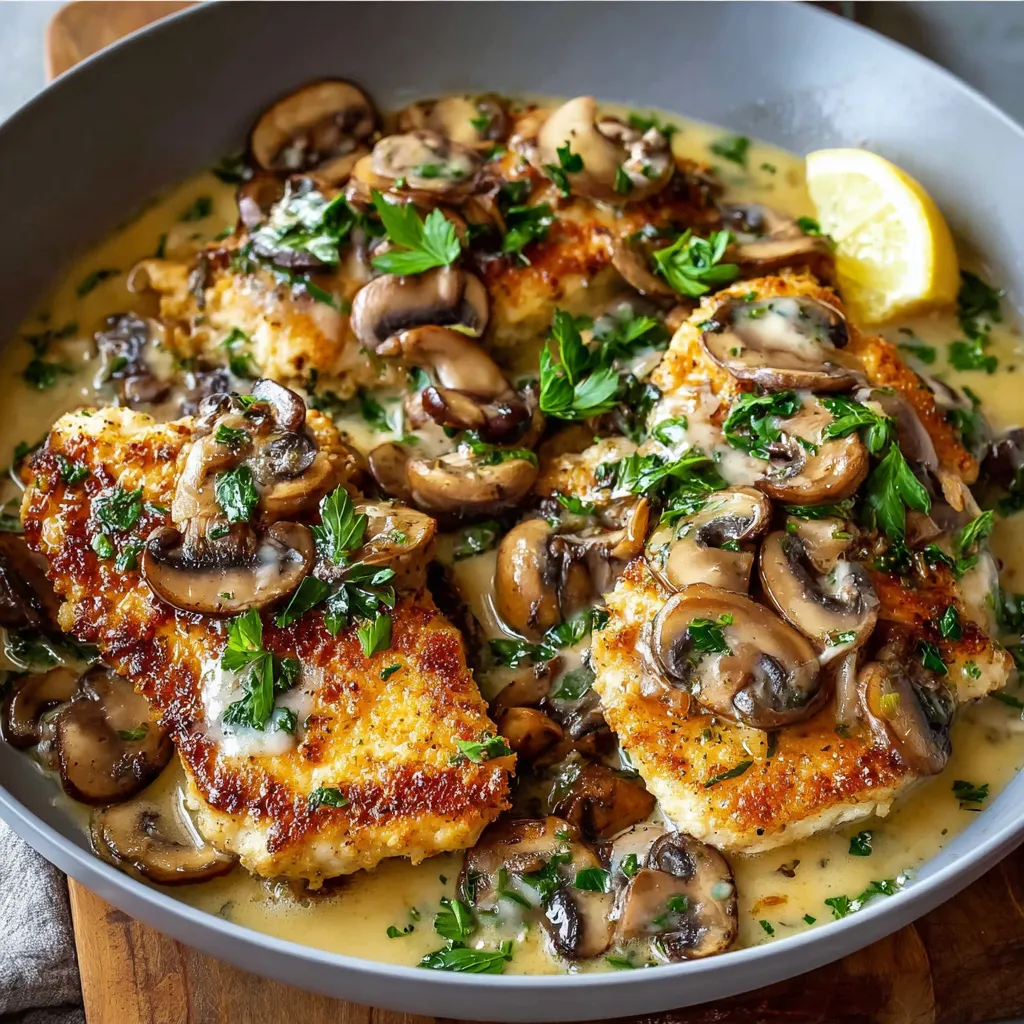 This recipe incorporates all the scientific principles we’ve discussed, ensuring a foolproof and delicious result every time.
Ingredients:
- 1.5 lbs boneless, skinless chicken breasts
- 1/2 cup all-purpose flour
- 1/2 teaspoon salt
- 1/4 teaspoon black pepper
- 1/4 cup olive oil
- 4 tablespoons unsalted butter, divided
- 2 cloves garlic, minced
- 1/2 cup dry white wine (or chicken broth)
- 1/4 cup fresh lemon juice
- 2 tablespoons chopped fresh parsley
- Lemon wedges, for serving
Instructions:
- Prepare the Chicken: Place each chicken breast between two sheets of plastic wrap. Using a meat mallet, pound the chicken to about 1/4-inch thickness.
- Season and Dredge: In a shallow dish, combine the flour, salt, and pepper. Dredge each chicken cutlet in the flour mixture, shaking off any excess.
- Sear the Chicken: Heat the olive oil and 2 tablespoons of butter in a large skillet over medium-high heat. Working in batches (do not overcrowd the pan), cook the chicken for 2-3 minutes per side, or until golden brown and cooked through. Remove the chicken from the skillet and set aside.
- Make the Sauce: Add the remaining 2 tablespoons of butter to the skillet. Once melted, add the minced garlic and cook for about 30 seconds, or until fragrant. Be careful not to burn the garlic.
- Deglaze and Emulsify: Pour in the white wine (or chicken broth) and scrape up any browned bits from the bottom of the pan. Let the wine reduce slightly, about 1-2 minutes.
- Finish the Sauce: Stir in the lemon juice and bring to a simmer. Cook for another minute, then remove the skillet from the heat. Stir in the chopped parsley.
- Combine and Serve: Return the chicken to the skillet and spoon the sauce over the cutlets. Serve immediately with lemon wedges.
My Scallopini Saga: A Culinary Investigation
My first few attempts were a disaster, I’ll admit. The chicken was either dry and tough or the sauce was a greasy, separated mess. But, like any self-respecting culinary investigator, I was determined to crack the code.The Pounding Predicament: Thin is In, But Not *Too* Thin
Like many of you, I initially thought that the thinner the chicken, the better. I pounded those poor cutlets to almost paper-thin oblivion. The result? Chicken that cooked in seconds, becoming rubbery and flavorless. Then, I had an “Aha!” moment: 1/4-inch thickness was the sweet spot. It allowed for quick cooking while retaining some moisture and texture. If you enjoy tender chicken dishes, you might also like Hot Honey Feta Chicken.The Browning Battle: Flour Power and Pan Overcrowding
Another early mistake was overcrowding the pan. I was impatient and wanted to get it done quickly. The consequence? Steamed, pale chicken instead of a beautifully browned crust. Turns out, patience is key. Cooking in batches ensures that each cutlet has enough space to properly sear. I also experimented with different flours. All-purpose flour worked best, providing a light coating that crisped up nicely.The Sauce Struggle: Emulsification Elusive
The sauce was my biggest nemesis. It consistently separated, leaving a pool of oil and a watery lemon mixture. I tried everything: adding the lemon juice too early, cooking the sauce at too high a heat, even using cold butter straight from the fridge. The solution? Gradual addition of the liquids, gentle simmering, and ensuring the butter was properly melted *before* adding the wine or broth.Wine vs. Broth: A Taste Test
While wine adds a depth of flavor, I found that good quality chicken broth is a perfectly acceptable substitute, especially for those who prefer to avoid alcohol. In a blind taste test with my family, the difference was barely noticeable. Similarly, the sauce in Boursin Chicken Pasta is really elevated by the wine, but can also be modified.The Foolproof Scallopini Technique: A Step-by-Step Guide
Based on my extensive experimentation, here’s the ultimate, foolproof technique for Chicken Scallopini:- Pound it right: Aim for 1/4-inch thickness. Use a meat mallet and work gently to avoid tearing the chicken.
- Season generously: Don’t be shy with the salt and pepper. They are crucial for flavor development.
- Dredge lightly: A thin, even coating of flour is all you need. Shake off the excess to prevent clumping in the pan.
- Sear in batches: Don’t overcrowd the pan! This is perhaps the most important step. Give each cutlet enough space to brown properly.
- Deglaze with gusto: Don’t skip the deglazing step. Scraping up those browned bits adds tons of flavor to the sauce.
- Emulsify carefully: Add the lemon juice gradually and simmer gently. Watch the sauce closely and adjust the heat as needed to prevent separation.
- Garnish generously: Fresh parsley and lemon wedges are essential for brightness and flavor.
Why is it important to pound the chicken to 1/4-inch thickness for Chicken Scallopini?
Pounding the chicken to 1/4-inch thickness tenderizes the meat by breaking down muscle fibers and ensures even cooking. It also reduces cooking time, preventing the chicken from drying out and becoming tough.
What is the key to achieving a golden-brown crust on the chicken?
A light dusting of flour before searing helps the chicken achieve a golden-brown crust due to the Maillard reaction. Also, avoid overcrowding the pan to ensure proper browning.
How do you prevent the lemon-butter sauce from separating?
To prevent the sauce from separating, gradually add the liquids (wine or broth and lemon juice), simmer gently, and ensure the butter is properly melted before adding the wine or broth. Watch the sauce closely and adjust the heat as needed.
Can I use chicken broth instead of white wine in the Chicken Scallopini recipe?
Yes, good quality chicken broth is a perfectly acceptable substitute for dry white wine, especially for those who prefer to avoid alcohol. The difference in taste is barely noticeable.
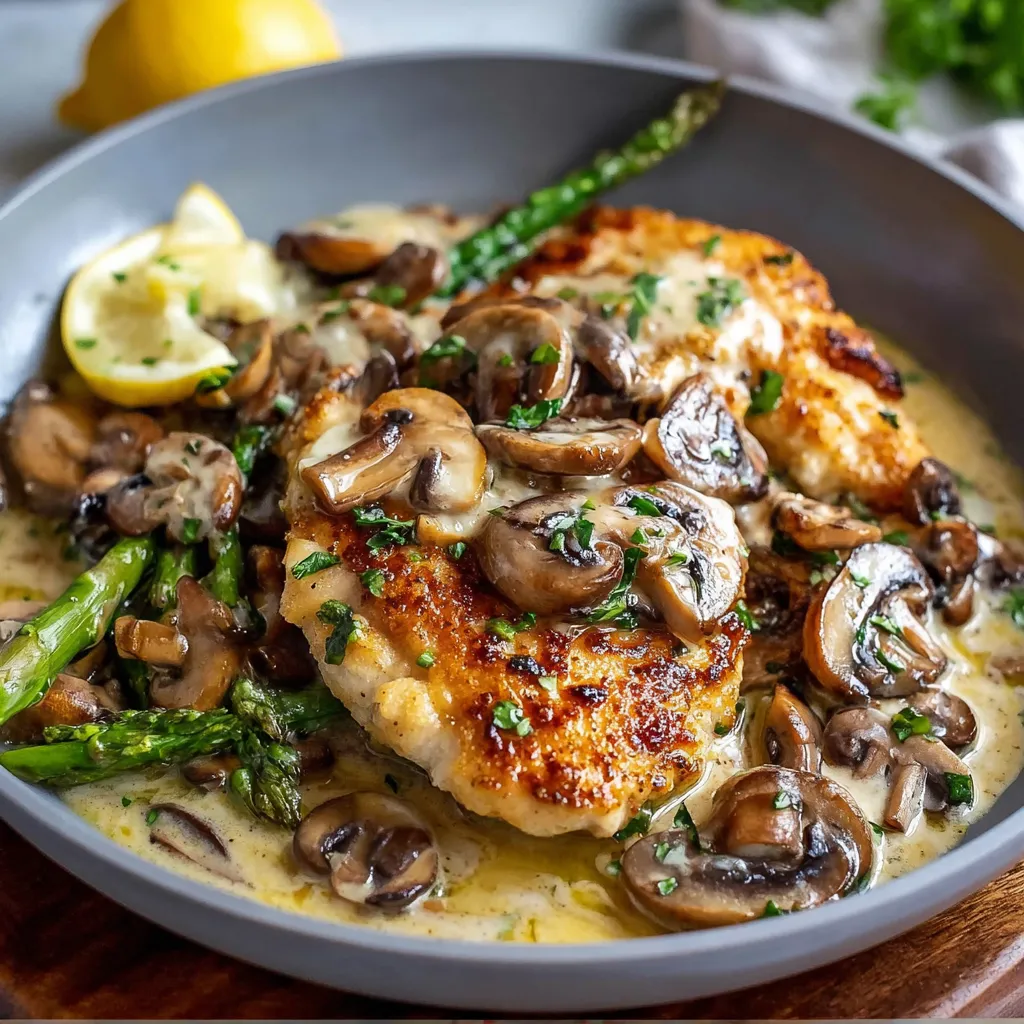
Best Chicken Scallopini Recipe
Ingredients
Equipment
Method
- Prepare the Chicken: Place each chicken breast between two sheets of plastic wrap. Using a meat mallet, pound the chicken to about 1/4-inch thickness.
- Season and Dredge: In a shallow dish, combine the flour, salt, and pepper. Dredge each chicken cutlet in the flour mixture, shaking off any excess.
- Sear the Chicken: Heat the olive oil and 2 tablespoons of butter in a large skillet over medium-high heat. Working in batches (do not overcrowd the pan), cook the chicken for 2-3 minutes per side, or until golden brown and cooked through. Remove the chicken from the skillet and set aside.
- Make the Sauce: Add the remaining 2 tablespoons of butter to the skillet. Once melted, add the minced garlic and cook for about 30 seconds, or until fragrant. Be careful not to burn the garlic.
- Deglaze and Emulsify: Pour in the white wine (or chicken broth) and scrape up any browned bits from the bottom of the pan. Let the wine reduce slightly, about 1-2 minutes.
- Finish the Sauce: Stir in the lemon juice and bring to a simmer. Cook for another minute, then remove the skillet from the heat. Stir in the chopped parsley.
- Combine and Serve: Return the chicken to the skillet and spoon the sauce over the cutlets. Serve immediately with lemon wedges.