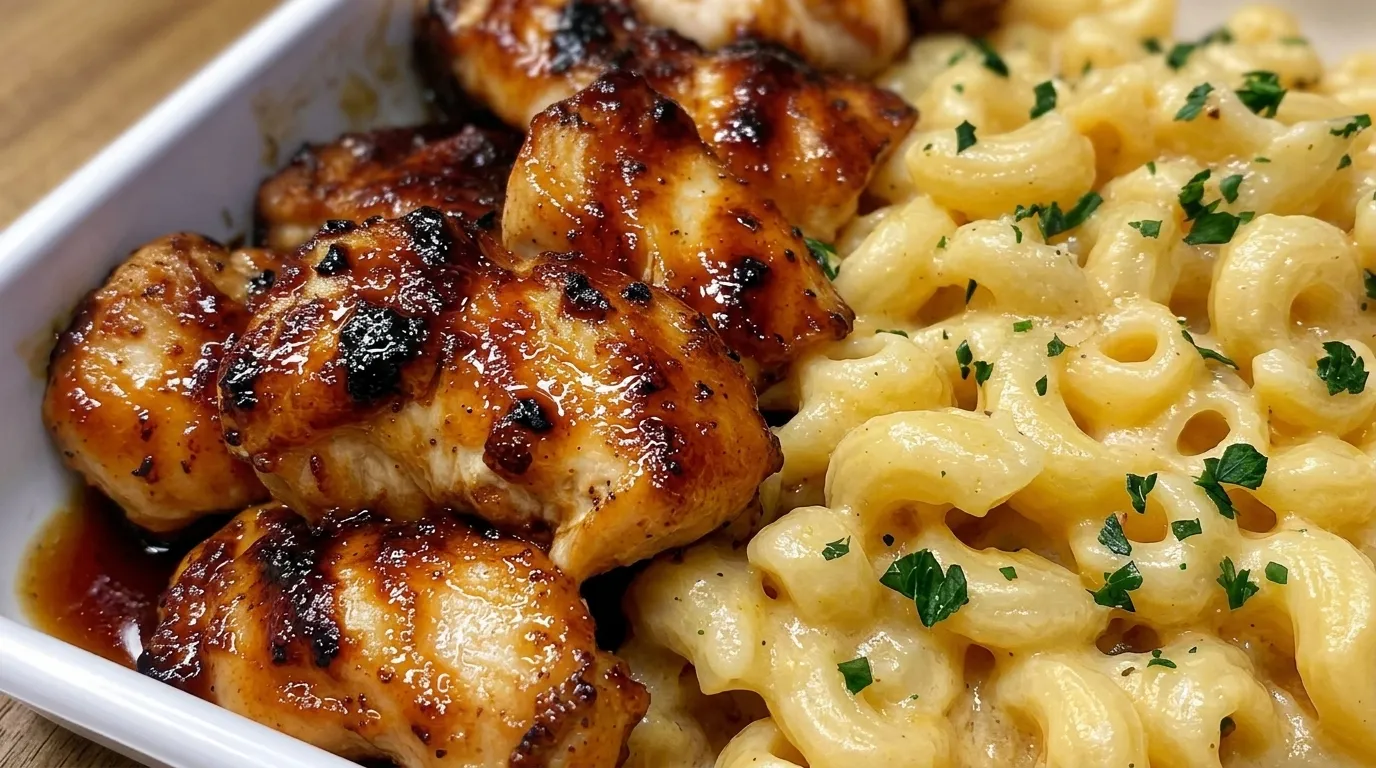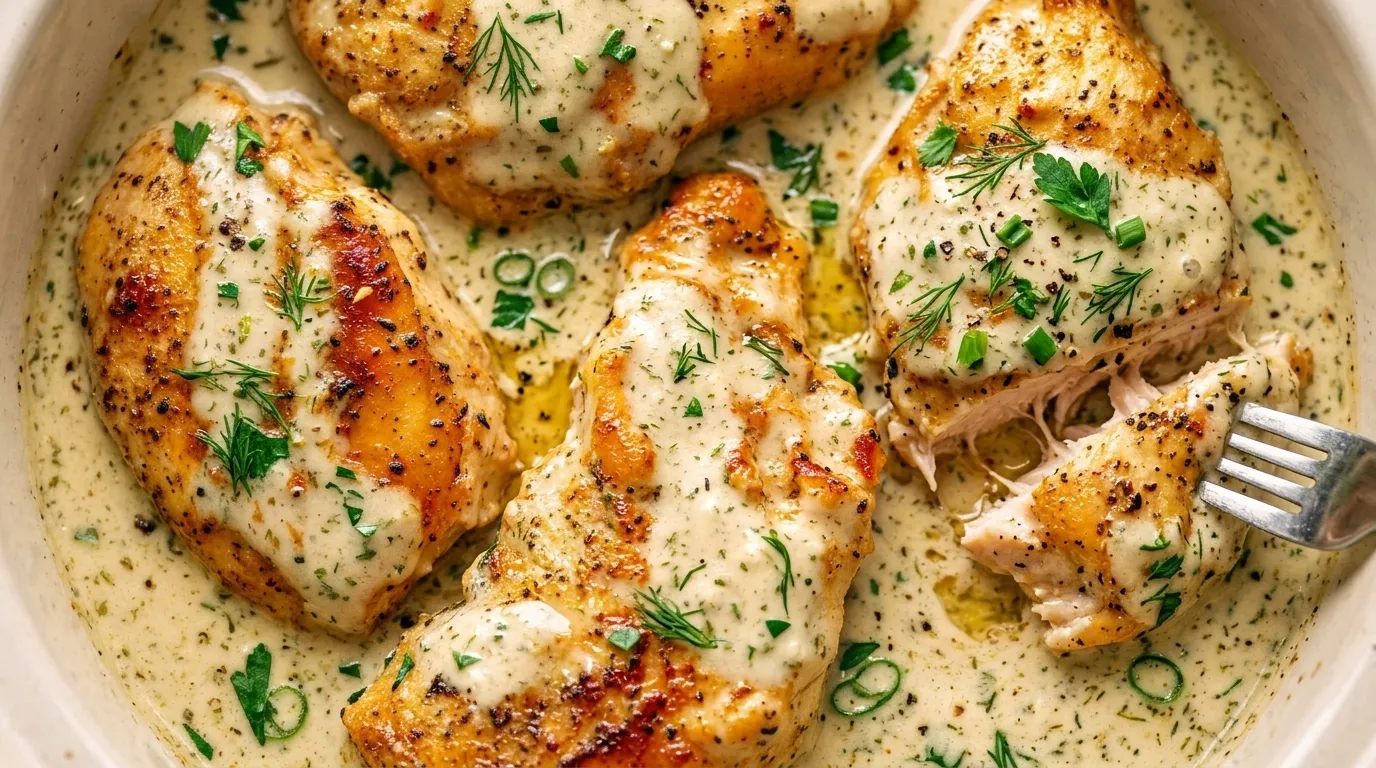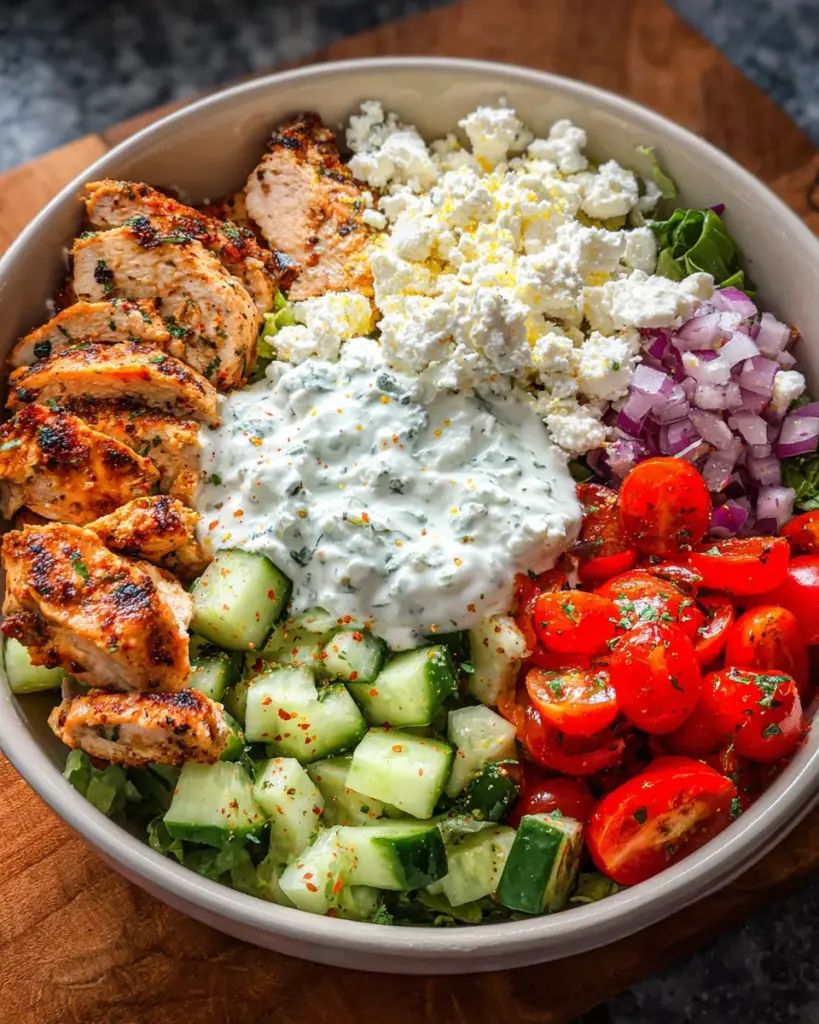
A well-built grain bowl is one of the most satisfying formats in weeknight cooking, and Greek chicken bowls sit at the top of that category. Lemon-herb marinated chicken cooked until golden, laid over basmati rice and surrounded by crisp cucumber, cherry tomatoes, briny Kalamata olives, and crumbled feta — finished with a generous spoonful of cool tzatziki. Every element has a distinct flavor and texture, and they all work together in a way that makes the bowl feel like more than the sum of its parts.
What makes this particular version reliable is the marinade. Lemon juice, garlic, olive oil, and oregano is a combination with a lot of history behind it — it tenderizes the chicken quickly, infuses it with bright Mediterranean flavor, and caramelizes beautifully in a hot skillet. Thirty minutes of marinating is enough on a weeknight. Four hours when you have the time makes it noticeably better.
Why You’ll Love These Greek Chicken Bowls
Assembly is genuinely simple. Cook the chicken, cook the rice, dice the vegetables — everything else is just layering. The whole process, minus marinating time, comes together in about 30 minutes.
The bowl format is also one of the most flexible structures in cooking. Every component can be swapped, scaled, or subbed based on what’s in the refrigerator, and the flavor profile is broad enough to accommodate most variations without falling apart. Swap the rice for quinoa, use romaine instead of a grain base, add hummus, skip the olives — it all works.
From a meal-prep standpoint, Greek chicken bowls are particularly well-suited to batch cooking. The chicken and rice hold well for four days, the vegetables stay crisp when stored separately, and tzatziki keeps in the refrigerator for the same window. Four lunches or dinners, prepped in one session.
Ingredients for Greek Chicken Bowls
I prefer chicken thighs for this recipe over breasts when I have the choice. They’re slightly more forgiving in the skillet, have a higher fat content that keeps them moist at higher heat, and the flavor holds up better alongside bold toppings like feta and olives. That said, chicken breast works well and keeps the protein lean — both are good options here.
The Lemon-Herb Chicken:
- 1.5 lbs chicken breast or thighs, cut into bite-sized pieces
- 2 tablespoons olive oil
- 1 tablespoon dried oregano
- 3 cloves garlic, minced
- Juice of 1 lemon
- Salt and black pepper, to taste
The Bowl Base:
- 2 cups cooked basmati or jasmine rice, or quinoa
Fresh Toppings:
- 1 cup cucumber, diced
- 1 cup cherry tomatoes, halved
- 1/2 red onion, thinly sliced
- 1/4 cup Kalamata olives, pitted
- 1/4 cup crumbled feta cheese
The Sauce:
- 1/2 cup tzatziki, store-bought or homemade
For the feta, buy the block and crumble it yourself rather than reaching for pre-crumbled. Block feta is packed in brine, which keeps it creamier and more flavorful than the dry, pre-crumbled variety. The difference is immediately obvious when you taste them side by side.
On the tzatziki, a good store-bought version works well here and saves meaningful time. If you have 10 minutes and a cucumber, homemade is worth it — the freshness of the dill and garlic is noticeably brighter. Either way, don’t be stingy with it. Tzatziki is the sauce that brings every component of the bowl into a coherent whole.
Kalamata olives are the right choice over generic black olives — they’re briny, meaty, and have an assertive flavor that stands up to the other strong components in the bowl. Generic canned black olives taste flat by comparison.
How to Make Greek Chicken Bowls
The only step that requires any advance planning is the marinade, and even 30 minutes makes a real difference in both flavor and tenderness.
- In a bowl or resealable bag, combine the chicken pieces with olive oil, oregano, minced garlic, lemon juice, salt, and pepper. Toss until everything is evenly coated. Marinate in the refrigerator for at least 30 minutes or up to 4 hours. Pull the chicken out of the refrigerator 10 minutes before cooking — bringing it slightly closer to room temperature helps it sear evenly.
- While the chicken marinates, cook your rice or quinoa according to package directions and prep all the bowl toppings. Dice the cucumber, halve the cherry tomatoes, and slice the red onion. If raw red onion is too sharp for your taste, soak the slices in ice water for 10 minutes before using. It removes the sharpest edge while keeping the crunch completely intact — one of those small steps that makes a bowl significantly more pleasant to eat.
- Heat a large skillet over medium-high heat. When the pan is hot, add the marinated chicken pieces in a single layer. Avoid overcrowding — cook in two batches if needed. Crowded chicken releases steam and turns gray rather than developing color. Cook for 6 to 8 minutes, turning occasionally, until the pieces are golden brown on the outside and reach 165°F internally. The garlic and lemon in the marinade will caramelize slightly on the chicken surface, which is exactly the goal.
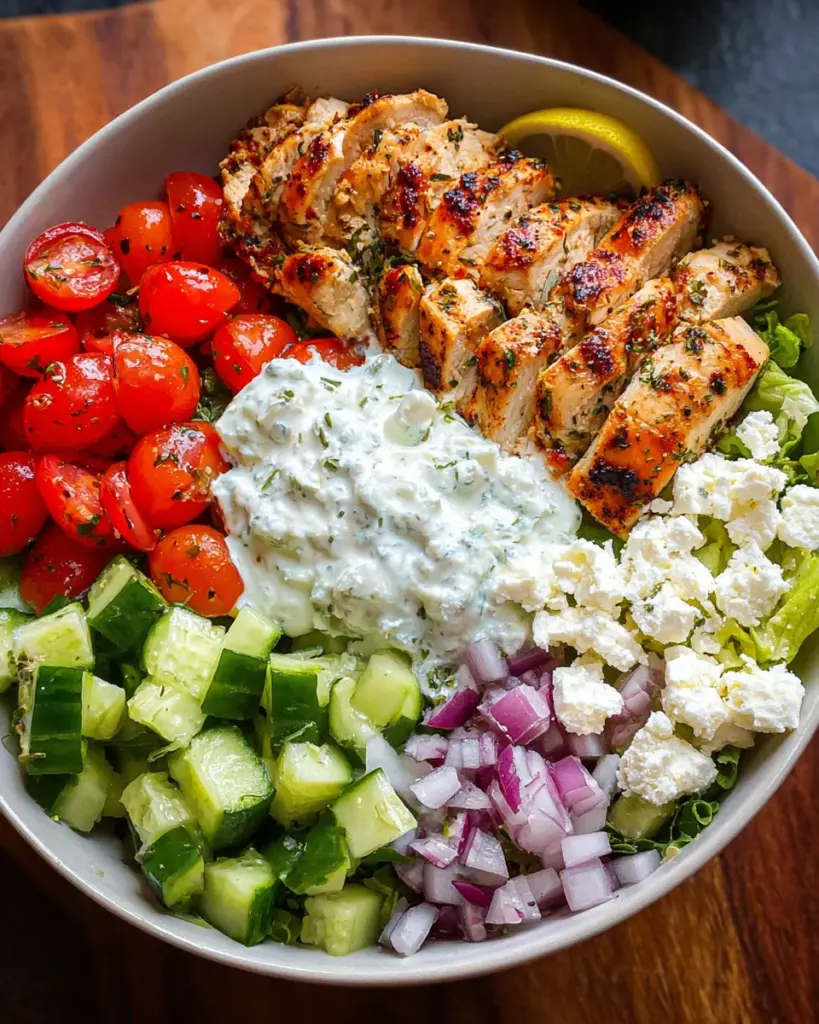
- Build each bowl starting with a base of rice or quinoa — about half a cup per bowl. Arrange the cooked chicken over the top, then distribute the cucumber, cherry tomatoes, red onion, and olives across each bowl. I find it looks and eats better when the toppings are placed in separate sections rather than mixed together — each bite can be as varied or as focused as the person eating it wants.
- Scatter crumbled feta generously over each bowl. Add a large spoonful of tzatziki and serve with a fresh lemon wedge on the side for squeezing over everything just before eating. That final hit of acid brightens the whole bowl.
What to Serve with Greek Chicken Bowls
The bowls are complete meals on their own, but a few additions can round out the table for a more expansive dinner spread.
Warm Pita Bread: Soft, slightly charred pita alongside the bowl gives you something to scoop up tzatziki and any loose toppings. It also makes the meal feel more substantial for bigger appetites at the table.
Hummus: A small bowl of hummus on the side for dipping pita or vegetables extends the Mediterranean theme and adds another layer of flavor that complements the lemon and garlic in the chicken marinade.
Greek Salad: A simple side salad of tomato, cucumber, red onion, and feta dressed with olive oil and red wine vinegar mirrors the flavors in the bowl and adds more vegetables to the meal without duplicating anything.
Roasted Red Peppers: Jarred roasted red peppers sliced and laid over the bowl add sweetness and a soft texture that works well against the crunch of the cucumber and onion.
Lemon Roasted Potatoes: For a heartier dinner, Greek-style lemon and herb roasted potatoes alongside the bowls lean into the flavor profile and make the meal feel more like a feast than a weeknight dinner.
Pro Tips & Variations
Let the marinade work: The longer the chicken sits in the lemon and garlic mixture, the more pronounced the flavor and the more tender the result. If you can marinate overnight, do it. The morning-to-dinner window is genuinely the sweet spot.
Don’t skip the lemon wedge: A squeeze of fresh lemon directly over the assembled bowl right before eating is one of those finishing touches that ties everything together. The acid brightens every component simultaneously.
Low-carb swap: Replace the rice base with cauliflower rice or a generous bed of chopped romaine. The romaine version turns this into more of a Greek chicken salad bowl and works particularly well in warmer months.
Add heat: A spoonful of harissa stirred into the tzatziki or drizzled directly over the chicken adds a North African-influenced warmth that plays well against the cooling yogurt sauce.
Pepperoncini instead of olives: If olives aren’t your preference, pickled pepperoncini bring a similar briny, tangy quality with added heat. They’re a natural substitute in the Mediterranean flavor family.
Make it a wrap: Everything in this bowl works inside a warm pita or flatbread. Roll it up with all the toppings and tzatziki for a version that travels well in a lunchbox.
Storage & Reheating Tips
The key to Greek chicken bowls that still taste good on day four is storing the components separately. The chicken and rice can go together in one container, but the fresh vegetables and tzatziki need their own separate storage — combined overnight, the cucumber and tomatoes release water and the whole bowl loses its texture and freshness.
Chicken and rice store in the refrigerator for up to 4 days. Reheat in the microwave at medium power for 90 seconds, or in a skillet over medium heat with a small splash of water to loosen. Add the fresh toppings cold after reheating — the contrast of warm chicken and rice against cool vegetables and tzatziki is part of what makes these bowls so satisfying.
Tzatziki keeps well in an airtight container for 3 to 4 days. Give it a stir before using as it can separate slightly as it sits.
Common Questions
Can I grill the chicken instead of using a skillet? Grilling is an excellent option and arguably better in summer. Thread the marinated pieces onto skewers for easier handling or grill them flat if the pieces are large enough. Medium-high heat for 4 to 5 minutes per side gives you good char marks and keeps the interior moist. The slightly smoky flavor from the grill complements the lemon and oregano marinade particularly well.
What is the best rice for Greek chicken bowls? Basmati is my preference — its slightly nutty, floral flavor and firm individual grains hold up well as a bowl base without becoming mushy under warm toppings. Jasmine is a close second. Quinoa is a strong option if you want more protein and a slightly different texture throughout the bowl.
Can I use the marinade as a sauce? No — raw chicken has been sitting in it, which makes it unsafe to use directly. If you want a drizzling sauce with the same flavor, set aside a small portion of the marinade before adding the chicken, or make a quick fresh batch with the same ingredients and drizzle it over the finished bowls.
Greek chicken bowls are one of those dinners that works across every context — fast weeknight meal, Sunday meal prep, casual dinner for guests, or a lunch you’re actually looking forward to. The flavors are bright and satisfying, the components are easy to source, and the whole thing comes together without stress. Give it a spot in your regular rotation and adjust the toppings to make it your own.