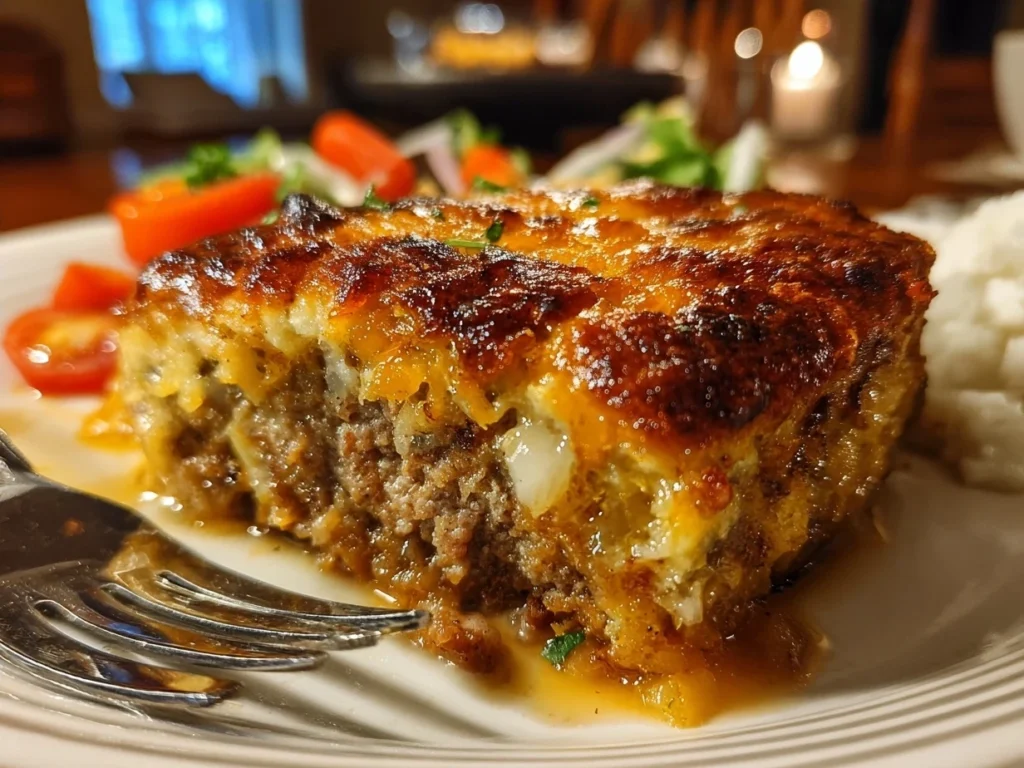
There’s a category of American home cooking that doesn’t get enough credit, dishes built from simple, inexpensive ingredients that produce something genuinely satisfying through technique rather than elaboration. Amish hamburger steak bake sits in that category. Ground beef patties seasoned with saltines and milk, seared to develop a crust, then smothered in cream of mushroom gravy and baked until the whole dish is bubbling and the patties have absorbed the sauce around them. It’s the kind of dinner that earns its place in the rotation not because it’s impressive but because it’s deeply reliable and the kind of thing people ask for again.
The saltine cracker panade is the technique that separates this from a standard ground beef patty. Finely crushed crackers soaked in whole milk create a binding mixture that keeps the patties moist through the sear and the 35 to 40 minute oven bake. Without it, ground beef patties of this size lose enough moisture during the extended bake to become dry and dense. The cracker panade holds the internal moisture while the sear produces the crust that gives the patties their structure in the gravy.
The flour dredge before the sear is doing double work. It creates the golden, slightly crispy exterior that gives each patty textural contrast in the finished dish, and the flour that transfers into the gravy during the bake thickens the cream of mushroom sauce into something closer to a proper gravy than the soup alone produces.
This Amish hamburger steak bake serves six to eight in under an hour and reheats beautifully for up to four days.
Why You’ll Love This Amish Hamburger Steak Bake
The cracker panade technique is what makes these patties hold their moisture through a 40-minute bake. Saltines finely crushed and soaked in milk before being worked into the ground beef create a moisture reservoir inside each patty that the extended oven time can’t dry out completely. The result is a patty that stays tender and juicy under the cream of mushroom gravy rather than becoming tough and compact by the time it reaches the table.
The sear before the bake is the step that most people recognize as optional but shouldn’t. Two to three minutes per side on a hot pan develops a caramelized crust on each patty that holds its shape under the gravy in the oven and adds a roasted, savory depth to the finished dish that a straight bake from raw doesn’t produce. The patties don’t need to cook through at this stage since the oven handles that, but the crust they develop is what makes the finished result taste like seared beef in gravy rather than braised beef loaf.
The recipe also scales naturally for a larger group and stores exceptionally well. The gravy becomes more deeply flavored overnight as it absorbs into the patties, making day-two portions arguably better than the original.
Ingredients for Amish Hamburger Steak Bake
For the hamburger steaks:
- 2 lbs ground beef, 80/20 or 85/15
- 1 1/2 cups saltine crackers, finely crushed
- 1 cup whole milk
- 1 teaspoon Italian herbs
- 1 teaspoon onion powder
- 1 teaspoon garlic powder
- 1/4 teaspoon cayenne pepper, optional
- Salt and black pepper, to taste
- 1/2 cup all-purpose flour for dredging
- 2 tablespoons butter or oil for searing
For the mushroom gravy:
- 2 cans (10.5 oz each) condensed cream of mushroom soup
- 1 1/2 cups whole milk
- Optional: fresh chopped parsley for garnish
For the ground beef, 80/20 is the right choice for this recipe because the fat content contributes flavor during the sear and moisture during the bake. Leaner beef produces a drier patty since the extended oven time in the gravy compensates for less internal fat. The 85/15 blend is an acceptable middle ground, but going leaner than that produces a noticeably drier result even with the cracker panade technique.
For the saltines, the finely crushed designation matters. Large cracker chunks in the patty mixture create weak spots in the patty structure that cause cracking during the sear and shaping. A food processor or a rolling pin applied to crackers in a zip-lock bag produces a uniform fine crumb that distributes evenly through the beef mixture. The fine crumb also soaks the milk more completely, which is what produces the moisture-retaining panade rather than just crunchy bits in the patty.
For the cream of mushroom soup, the condensed variety is not interchangeable with ready-to-use cream of mushroom. Condensed soup diluted with 1 1/2 cups of whole milk produces the right consistency for a baked gravy that starts thin enough to pour over the patties and thickens during the bake into a proper coating sauce. Ready-to-use soup produces a gravy that’s too thin after baking and doesn’t develop the same body.
How to Make Amish Hamburger Steak Bake
The prep, sear, and bake sequence is straightforward, and having everything prepared before the sear starts keeps the process moving without any stressful multitasking.
- Preheat the oven to 350°F. Lightly grease a 9×13-inch baking dish with non-stick spray and set aside.
- Combine the ground beef, finely crushed saltines, 1 cup of whole milk, Italian herbs, onion powder, garlic powder, and cayenne if using in a large mixing bowl. Season with salt and black pepper. Mix by hand until just combined. The key is stopping the moment the ingredients are evenly distributed. Overworking the meat develops the proteins in the ground beef into a tight, dense matrix that produces tough patties with a texture closer to a dense meatball than a tender hamburger steak. A few gentle folds with your hands achieve full incorporation without overworking.
- Divide the mixture into 6 to 8 equal portions and shape each into an oval patty about 3/4-inch thick. The oval shape is traditional and practical since it fits more patties into the rectangular baking dish than round patties do. Keeping the thickness consistent at 3/4-inch ensures even cooking through the bake. Spread the flour on a shallow plate. Dredge each patty through the flour on both sides and tap firmly to remove any excess. A heavy coat of flour burns rather than creates the clean golden crust the sear is intended to produce.
- Heat 2 tablespoons of butter or oil in a large skillet over medium-high heat until the butter has melted and the foam subsides. Add the patties without crowding, working in two batches if your skillet isn’t large enough to hold all of them with space between. Sear for 2 to 3 minutes per side until each patty has a deep golden-brown crust. The patties will be raw in the center at this stage, which is expected since the oven handles the cook-through. Transfer each seared patty to the prepared baking dish in a single layer. Arrange them so they’re touching but not overlapping, which allows the gravy to reach around each patty during the bake.
- Whisk together the two cans of condensed cream of mushroom soup and 1 1/2 cups of whole milk in a medium bowl until completely smooth with no lumps of undiluted soup remaining. Pour the mixture evenly over the patties in the baking dish, tilting the dish gently to ensure the gravy reaches around and between each patty rather than just pooling on top.
- Cover the baking dish tightly with aluminum foil. A tight seal traps the steam from the gravy and prevents the liquid from evaporating too quickly during the bake, which is what keeps the gravy at a proper coating consistency rather than reducing to a thick paste by the end. Bake covered at 350°F for 30 to 35 minutes.
- Remove the foil and continue baking uncovered for 5 to 10 additional minutes until the gravy is visibly bubbling around the edges of the dish and the surface has taken on a slightly golden color in spots. The internal temperature of the patties should read 160°F at the thickest point.
- Remove from the oven and let the dish rest for 5 minutes before serving. The gravy continues to thicken slightly during the rest as the starch from the flour dredge continues setting. Garnish with fresh parsley if using and serve directly from the baking dish.
What to Serve with Amish Hamburger Steak Bake
The gravy is the feature of this dish and whatever goes underneath it should be good at absorbing it.
Creamy Mashed Potatoes: The most traditional and appropriate base for hamburger steak and mushroom gravy. The starchy, butter-enriched mashed potatoes absorb the cream of mushroom gravy completely and produce a bite that brings all the components of the dish together on the fork. Make them slightly looser than usual since the gravy will continue to thicken them as the plate sits.
Egg Noodles: Wide egg noodles buttered and served alongside or underneath the hamburger steaks are the other traditional Amish accompaniment for this dish. The noodles hold the gravy between their folds and produce a heartier, more filling plate than rice or mashed potatoes.
Amish Buttered Noodles: Egg noodles tossed with butter, a pinch of garlic powder, and fresh parsley alongside the hamburger steak bake deepen the old-fashioned comfort food character of the meal and provide a simple, complementary starch that doesn’t compete with the mushroom gravy for attention.
Steamed Green Beans: Simple steamed green beans with a small knob of butter add a fresh green vegetable element that the plate needs for color and balance. Their mild flavor doesn’t compete with the savory mushroom gravy.
White Rice: Long-grain white rice cooked plain and served as a base for the hamburger steaks and mushroom gravy is the most neutral option that lets the gravy be the focus. It’s practical, universally appealing, and excellent for soaking up the cream of mushroom sauce.
Pro Tips & Variations
Crush the saltines to a fine crumb. Large cracker pieces in the patty mixture create structural weak points that crack during shaping and searing. Fine crumb distributes evenly through the beef, soaks the milk uniformly, and produces patties that hold together cleanly through the sear and the bake. A food processor takes 10 seconds. A rolling pin over crackers in a sealed bag takes 30 seconds and produces the same result.
Don’t skip the sear. The bake alone produces patties that are cooked through and sauced but lack the caramelized crust that gives the dish its depth and textural contrast. Two to three minutes per side on a hot pan before the oven is the step that makes this taste like seared beef in gravy rather than meatballs in soup. It also firms up the exterior enough that the patties hold their shape under the weight of the liquid during the bake.
Seal the foil tightly. A loose foil tent allows steam to escape during the bake, which concentrates the gravy faster than intended and can produce a sauce that’s too thick and salty by the time the patties are cooked through. Press the foil firmly against the rim of the baking dish to create a proper seal.
Swap the soup for cream of onion or cream of celery. Anyone who doesn’t enjoy the mushroom flavor can substitute cream of onion for a sweeter, more aromatic gravy or cream of celery for something lighter and more herbaceous. Both use the same dilution ratio and bake method. The finished dish has a completely different character but the technique is identical.
Use Ritz crackers for a richer panade. Ritz crackers contain more butter than saltines, which produces a slightly richer, more tender patty interior. The flavor difference is subtle but noticeable, and either works with the same quantity and preparation method.
Storage & Reheating Tips
Store leftovers with the patties and gravy together in an airtight container in the refrigerator for up to 4 days. The gravy thickens significantly overnight as the flour from the dredge continues setting and the patties absorb the surrounding sauce. Day-two portions are particularly good since the mushroom gravy flavor has had time to fully absorb into the patties.
To reheat, I add a splash of milk to the container before warming and stir it gently through the gravy to loosen it before heating. Oven reheating at 325°F covered with foil for 15 to 20 minutes produces the best result, warming the patties through without drying them. Microwave reheating at medium power in 60-second intervals with a tablespoon of milk added before heating works for individual portions. Stovetop reheating in a covered pan over medium-low heat with a splash of milk and occasional gentle stirring also works well.
This dish freezes adequately for up to 2 months with the patties and gravy together in freezer-safe containers. The gravy may look slightly separated after thawing, which resolves with gentle stirring during reheating. Thaw overnight in the refrigerator before warming.
Common Questions
My patties are falling apart during the sear. What went wrong? Falling apart during the sear usually means one of three things: the mixture was overworked before shaping, the crackers weren’t crushed finely enough to create a uniform bind, or the patties went into the pan before the oil or butter was fully hot. Overworked beef becomes soft and slightly tacky, which makes patties that look firm but lose their shape under heat. Mix until just combined and stop. Ensure the skillet is properly preheated before the first patty goes in since a hot pan sets the exterior quickly enough to hold the patty’s shape.
The gravy is too thick or too salty after baking. How do I fix it? Gravy that’s too thick or concentrated usually means the foil seal wasn’t tight enough during the covered bake and too much liquid evaporated. Stir a splash of warm milk or broth into the dish and return it to the oven uncovered for 5 minutes to allow the added liquid to incorporate. For future batches, press the foil firmly against the rim before baking. If the saltiness is the issue, low-sodium condensed soup reduces the overall salt level significantly since the condensed soup is the primary source of sodium in the dish.
Can I make this ahead of time? Yes. The patties can be shaped, dredged, and seared up to 24 hours ahead and refrigerated in the baking dish covered with plastic wrap. The gravy can be whisked together and refrigerated separately. On the day of serving, pour the gravy over the seared patties, cover with foil, and bake as directed, adding 5 to 10 minutes to the covered bake time since the patties will be cold from the refrigerator. This make-ahead approach actually produces a more deeply flavored result since the seasoning in the patties has time to develop overnight.
Amish hamburger steak bake earns its reputation as poor man’s steak not through pretension but through genuine delivery. Simple ingredients, a straightforward technique, and a result that produces something deeply satisfying and consistently crowd-pleasing. The cracker panade, the sear, and the sealed bake are the three things that make it work every time, and once you’ve made it once, it becomes one of those dinners the household starts requesting by name.
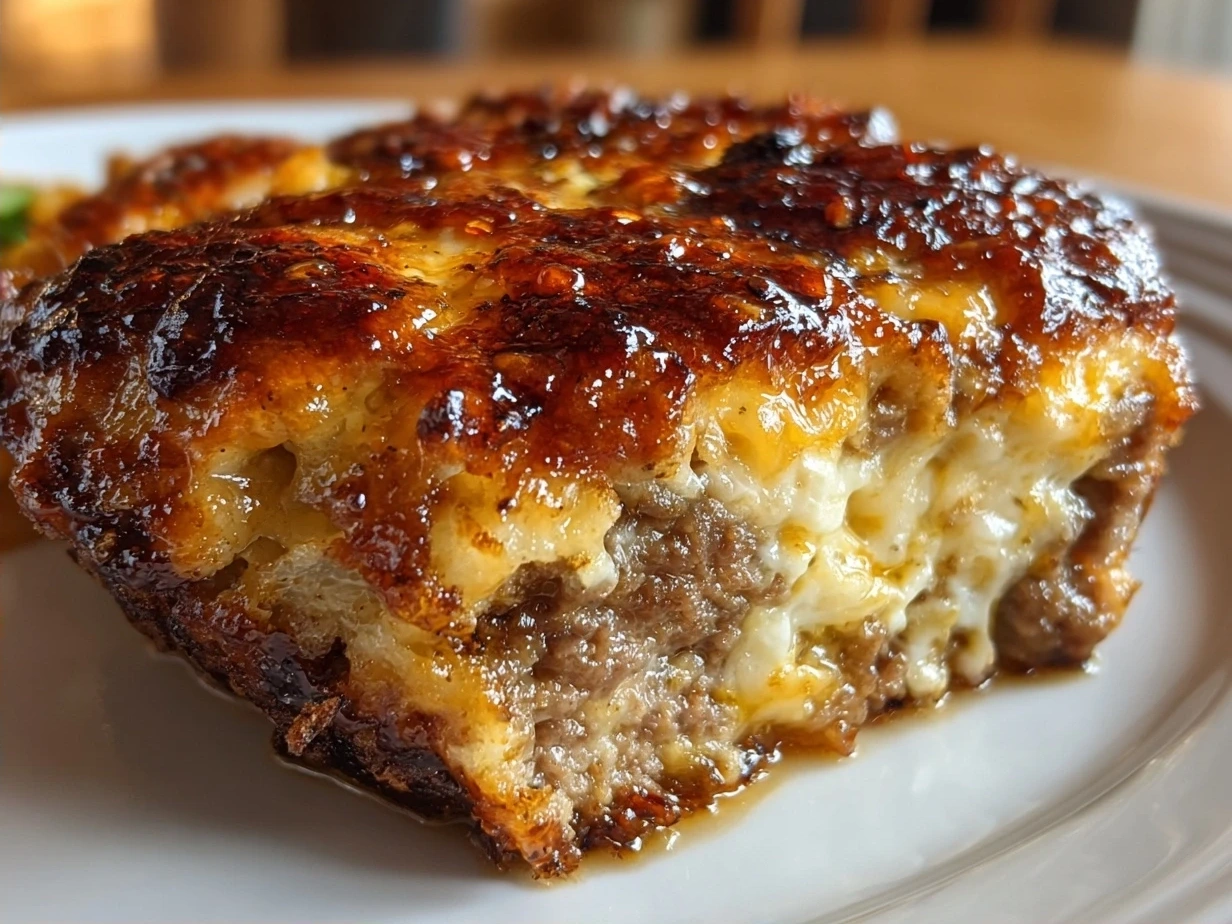
Amish Hamburger Steak Bake (Poor Man’s Steak)
Ingredients
Equipment
Method
- Preheat oven to 350°F. Lightly grease a 9×13-inch baking dish with non-stick spray.
- Combine ground beef, finely crushed saltines, 1 cup milk, Italian herbs, onion powder, garlic powder, and cayenne if using in a large bowl. Season with salt and pepper. Mix by hand until just combined. Do not overwork.
- Divide into 6 to 8 equal portions and shape into 3/4-inch thick oval patties. Dredge each patty in flour on both sides and tap firmly to remove excess.
- Heat butter or oil in a large skillet over medium-high heat. Sear patties in batches for 2 to 3 minutes per side until golden brown. Patties do not need to be cooked through. Transfer to the prepared baking dish in a single layer.
- Whisk together the condensed cream of mushroom soup and 1 1/2 cups of milk until completely smooth. Pour evenly over the patties, ensuring all are covered.
- Cover tightly with aluminum foil, pressing firmly against the rim. Bake at 350°F for 30 to 35 minutes.
- Remove the foil and bake uncovered for 5 to 10 more minutes until the gravy is bubbling and the patties reach 160°F internal temperature.
- Rest for 5 minutes before serving. Garnish with fresh parsley and serve over mashed potatoes, egg noodles, or rice.