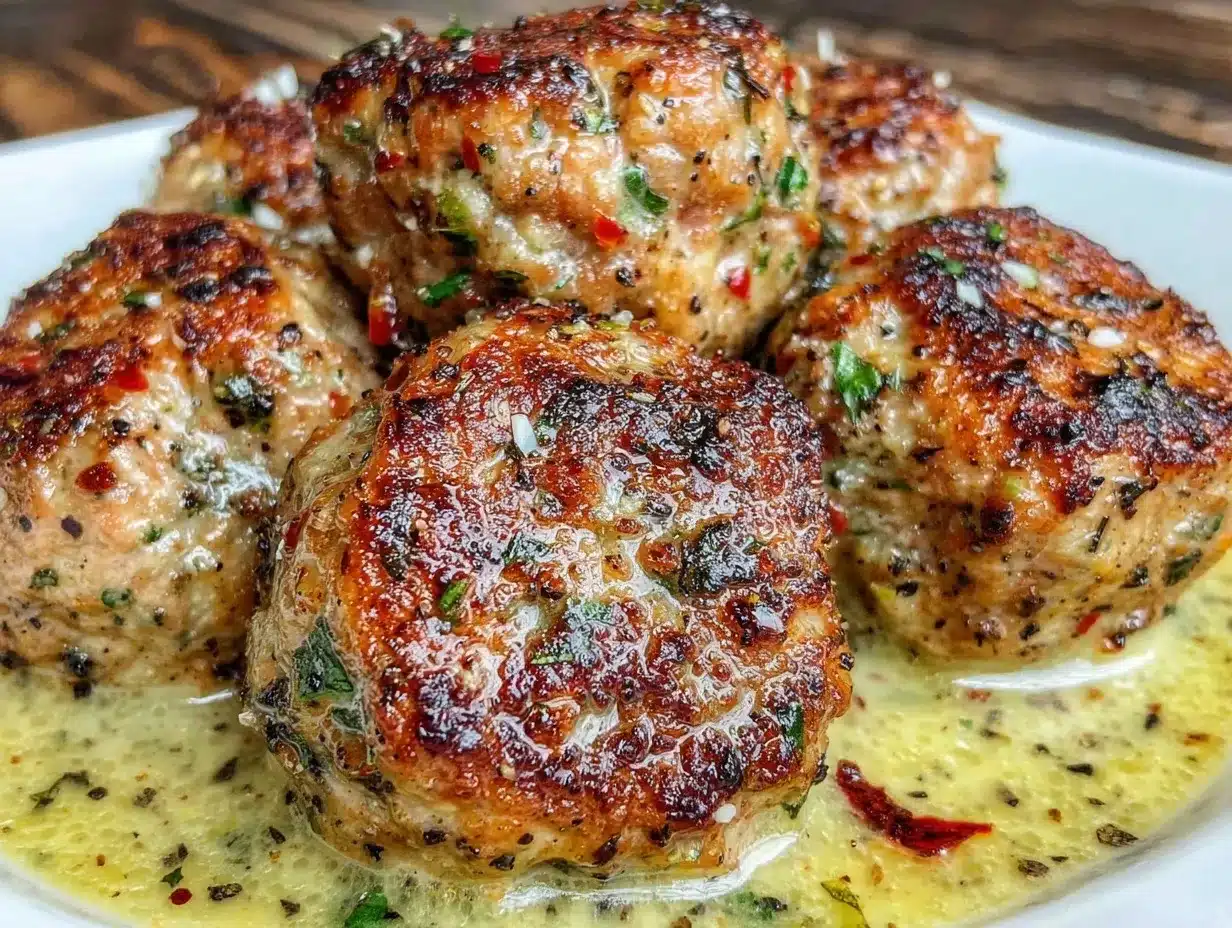
Some dishes earn their place in a cuisine’s canon not because they’re complicated but because they’re perfectly constructed. Youvarlakia avgolemono is exactly that. Ground meat and uncooked rice shaped into meatballs, simmered in broth until the rice expands into something tender and almost pillowy, then finished with the signature Greek egg-lemon sauce that transforms the cooking broth into something silky, bright, and entirely unlike anything else in Mediterranean cooking.
This Greek meatballs in lemon sauce recipe follows the traditional method that makes the dish what it is. No frying, no browning. The meatballs go directly into simmering broth, which is what produces the texture Greek home cooks have been achieving for generations, tender all the way through with a delicate quality that pan-fried meatballs can’t replicate. The avgolemono sauce comes together in the final five minutes and turns the whole pot into something that functions simultaneously as a light soup and a coating glaze.
This is a 55-minute dinner that tastes like a weekend project and eats like the most comforting bowl of food you’ve made in months.
Why You’ll Love This Traditional Youvarlakia
The avgolemono sauce is the element that makes this dish genuinely worth learning. Eggs whisked until frothy and pale, combined with fresh lemon juice, tempered with hot broth, and poured back into the pot produce a sauce with a silky, almost velvety texture and a bright, clean lemon flavor that doesn’t taste sharp or acidic. The egg proteins coagulate gently at low heat and thicken the broth into something with real body and a beautiful pale yellow color that coats every meatball.
The rice inside the meatballs is the structural detail that separates youvarlakia from any other simmered meatball recipe. Uncooked Arborio or medium-grain rice mixed directly into the raw meat mixture absorbs the broth as it cooks, expanding outward and pushing the meatball slightly open. The result is a texture that’s softer and more yielding than a standard ground beef meatball, and the starch released from the rice as it cooks thickens the broth naturally before the avgolemono goes in.
Grating the onion rather than dicing it is the traditional technique worth using. The onion juice distributes throughout the meat mixture in a way that keeps every meatball consistently moist, and the fine texture means no visible onion chunks that could cause the meatballs to break apart during the long simmer.
Ingredients for Traditional Youvarlakia
I always use a beef and pork mix rather than pure lean beef when making youvarlakia. The fat from the pork keeps the meatballs tender through the 30-minute simmer and adds a richness that very lean beef alone doesn’t provide. A pure lamb version is the most traditional and produces the most complex, earthy flavor. Any combination works, and the avgolemono sauce is bold enough to complement all three meats equally well.
The Meatballs:
- 1 lb lean ground beef or a beef/pork/lamb mix
- 1/2 cup uncooked white rice (Arborio or medium-grain)
- 1 medium onion, grated
- 1 large egg
- 1/4 cup fresh parsley, finely chopped
- 2 tablespoons fresh dill or mint, chopped
- 2 tablespoons olive oil
- 1 teaspoon salt and 1/2 teaspoon black pepper
The Cooking Broth:
- 6 cups chicken or beef broth
- 2 tablespoons olive oil
- 1 bay leaf
The Avgolemono Sauce:
- 2 large eggs, at room temperature
- Juice of 2 fresh lemons (about 1/2 cup)
- 1 teaspoon cornstarch (optional)
Room temperature eggs are important for the avgolemono rather than cold eggs straight from the refrigerator. Cold eggs added to hot broth have a wider temperature gap to bridge during tempering, which increases the risk of scrambling. Setting the eggs out 20 to 30 minutes before starting the recipe costs nothing and produces a more forgiving tempering process. Fresh lemon juice is essential here. The avgolemono sauce is built around the brightness and aromatic quality of fresh citrus, and bottled lemon juice produces a flat, slightly bitter result that doesn’t achieve the clean, vibrant character the sauce is known for.
How to Make Traditional Youvarlakia
The critical technique in this recipe is the egg tempering step, and it cannot be rushed. The purpose of tempering is to bring the egg-lemon mixture to a temperature close to the hot broth before it goes into the pot. If the egg mixture is poured directly into the hot pot without tempering, the sharp temperature difference causes the eggs to scramble into visible curds rather than dissolving smoothly into a silky sauce. Ladling hot broth into the egg mixture slowly, one ladle at a time while whisking constantly, raises the egg temperature gradually so the transition into the pot is seamless.
- In a large bowl, combine the ground meat, uncooked rice, grated onion, egg, parsley, dill or mint, olive oil, salt, and pepper. Knead the mixture with your hands for 2 to 3 minutes until it feels slightly tacky and holds together when pressed. The kneading develops the protein in the meat, which is what keeps the meatballs from falling apart during the long simmer.
- With damp hands, form the mixture into uniform balls approximately the size of a large walnut. Uniform size ensures all the meatballs finish cooking at the same time. Set them aside on a plate.
- In a large pot or Dutch oven, bring the broth, olive oil, and bay leaf to a gentle boil over medium-high heat.
- Carefully lower the meatballs into the boiling broth one at a time using a spoon. Reduce the heat to medium-low, cover the pot, and simmer for 30 to 35 minutes. The meatballs are ready when the rice has fully expanded and they float or feel firm when gently pressed. Do not lift the lid frequently during this stage as it disrupts the simmer and extends the cooking time.
- Turn off the heat under the pot. In a medium bowl, whisk the room temperature eggs vigorously for about 2 minutes until very frothy and pale. The froth is what gives the avgolemono its characteristic light, slightly airy texture. Slowly whisk in the lemon juice and cornstarch if using.
- Tempering: While whisking the egg-lemon mixture continuously, slowly ladle one cup of the hot broth from the pot into the bowl in a thin, steady stream. Continue whisking and add a second cup of hot broth the same way. The mixture should feel warm to the touch but the eggs should not look cooked.
- Pour the entire tempered egg-lemon mixture back into the pot in a slow, steady stream. Gently swirl or shake the pot to distribute the sauce rather than stirring with a spoon, which would break the meatballs apart.
- Return the pot to very low heat for 1 to 2 minutes, swirling gently, until the sauce thickens slightly and turns opaque. Do not allow the pot to boil at this stage. Boiling after the avgolemono is added will curdle the eggs and break the sauce.
- Taste and adjust salt and lemon. Ladle immediately into deep bowls with plenty of sauce.
Pro tip: If the sauce curdles despite careful tempering, strain the broth immediately through a fine mesh sieve to remove the egg solids, return the meatballs to the strained broth, and start a fresh avgolemono with new eggs and lemon. The broth will be thinner but the meatballs are fine and the sauce will be smooth.
What to Serve with Traditional Youvarlakia
This dish sits somewhere between a soup and a sauced main course, and the sides that complement it best reflect that dual character.
Crusty bread: The single most important accompaniment for youvarlakia. A thick slice of crusty sourdough or a warm rustic loaf is essential for soaking up the avgolemono sauce that pools in the bowl. No other side does more for this dish.
Horiatiki salad: The classic Greek village salad of tomatoes, cucumber, red onion, Kalamata olives, and feta with olive oil and oregano is the traditional pairing for youvarlakia. The acidity of the tomatoes and the brine of the olives provide a sharp contrast to the creamy, lemony sauce.
Roasted lemon potatoes: Greek-style potatoes roasted with olive oil, lemon juice, garlic, and oregano mirror the lemon profile of the avgolemono and make the meal feel like a complete Greek spread.
Steamed rice: For a heartier plate, steamed white rice alongside the meatballs and sauce allows the avgolemono to pool over both components and makes the meal more filling without competing with the flavors of the dish.
Tzatziki: A small bowl of cool, garlicky tzatziki on the side provides a creamy, refreshing contrast to the warm, lemony broth and a textural variation alongside the tender meatballs.
Wilted greens: Simply sautéed spinach or Swiss chard with olive oil and garlic is a traditional Greek side that complements youvarlakia without disrupting the clean, bright flavor profile of the avgolemono sauce.
Pro Tips & Variations
Soupier version: Increase the broth to 8 cups and add an extra egg to the avgolemono sauce. The result is closer to the soup version of avgolemono and produces more sauce per bowl, which is worth doing if you want the dish to eat more like a substantial broth.
Ground turkey or chicken: Both work as lighter meat alternatives that produce a milder-flavored meatball. The avgolemono sauce carries the dish regardless of the protein, though the meatballs need slightly more seasoning to compensate for the less assertive flavor of poultry.
Add vegetables to the broth: Finely diced carrots and celery added to the broth before the meatballs go in are a common variation that adds sweetness and depth to the cooking liquid, which then carries into the avgolemono sauce.
Lamb version: Pure ground lamb is the most traditional meat for youvarlakia in many regions of Greece. The earthy, slightly gamey flavor of lamb works beautifully with the brightness of the avgolemono and produces the most authentically Greek result. Use the same quantity and follow the identical method.
Make the meatball mixture ahead: Mix and shape the meatballs up to 24 hours ahead, cover them on a plate with plastic wrap, and refrigerate until ready to simmer. This saves time on the day and allows the herb and onion flavors to penetrate the meat more deeply overnight.
Storage & Reheating Tips
Youvarlakia is best served immediately after the avgolemono is added while the sauce is at its most silky and fresh. The sauce thickens considerably in the refrigerator overnight as the egg proteins and rice starch continue to set. Leftovers keep in an airtight container for up to 3 days and reheat well with gentle treatment. I always reheat on the stovetop over the lowest possible heat setting, adding a splash of broth or water to loosen the sauce as it warms. Stirring gently with a spoon while reheating helps redistribute the sauce without breaking the meatballs. The microwave works at 50 percent power in 60-second intervals but is more likely to overheat the edges before the center is warm. This dish does not freeze well since the avgolemono sauce separates after thawing and the meatball texture deteriorates.
Common Questions
My avgolemono sauce curdled and looks grainy. What went wrong? Curdling happens when the eggs hit heat too quickly during tempering or when the pot boils after the sauce is added. The most common cause is pouring the hot broth too fast into the egg-lemon mixture without constant whisking. Add it slowly, almost drop by drop at first, while whisking without stopping. The second common cause is returning the pot to medium or high heat after the avgolemono goes in. Once the sauce is in the pot, keep the heat at the absolute lowest setting and never let it reach a boil.
My meatballs fell apart in the broth. How do I prevent this? Under-kneaded meat mixture and dropping the meatballs into a rolling boil rather than a gentle simmer are the most common causes. Knead the mixture for the full 2 to 3 minutes until it feels genuinely tacky and cohesive. After lowering the meatballs into the broth, reduce the heat immediately to a gentle simmer where only occasional small bubbles break the surface. A vigorous boil will break even well-formed meatballs apart.
Can I use pre-cooked rice in the meatball mixture? No. Uncooked rice is essential to the recipe. The raw rice absorbs the broth during the 30-minute simmer and expands inside the meatball, contributing to both the texture and the slight thickening of the broth. Pre-cooked rice would produce meatballs with a denser, stickier texture and wouldn’t create the same fluffy, almost pillowy result that defines youvarlakia.
Traditional youvarlakia avgolemono is a dinner worth making slowly on an evening when there’s time to do the dish properly. The simmering broth, the tender meatballs, and the silky egg-lemon sauce that comes together in the final few minutes produce something genuinely beautiful that deserves to be served in deep bowls with good bread and people who appreciate the effort. Make it once and understand why this dish has been on Greek tables for generations.
Traditional Youvarlakia (Greek Meatballs in Egg-Lemon Sauce)
Ingredients
Equipment
Method
- Combine the ground meat, uncooked rice, grated onion, egg, herbs, olive oil, salt, and pepper in a large bowl. Knead for 2 to 3 minutes with your hands until the mixture feels slightly tacky and cohesive.
- With damp hands, form the mixture into uniform walnut-sized balls. Set aside on a plate.
- Bring the broth, olive oil, and bay leaf to a gentle boil in a large pot or Dutch oven over medium-high heat.
- Carefully lower the meatballs into the broth one at a time. Reduce heat to medium-low, cover, and simmer for 30 to 35 minutes until the rice has fully expanded and the meatballs are firm and tender.
- Turn off the heat. In a medium bowl, whisk the room temperature eggs for 2 minutes until very frothy and pale. Slowly whisk in the lemon juice and cornstarch if using.
- Tempering: While whisking the egg-lemon mixture constantly, slowly ladle 1 to 2 cups of hot broth from the pot into the bowl in a thin, steady stream. The mixture should feel warm but the eggs should not look cooked.
- Pour the tempered egg-lemon mixture back into the pot in a slow, steady stream. Gently swirl or shake the pot to distribute. Do not stir with a spoon.
- Return to very low heat for 1 to 2 minutes, swirling gently, until the sauce thickens slightly and turns opaque. Do not allow the pot to boil.
- Taste and adjust salt and lemon. Ladle immediately into deep bowls with plenty of the avgolemono sauce.