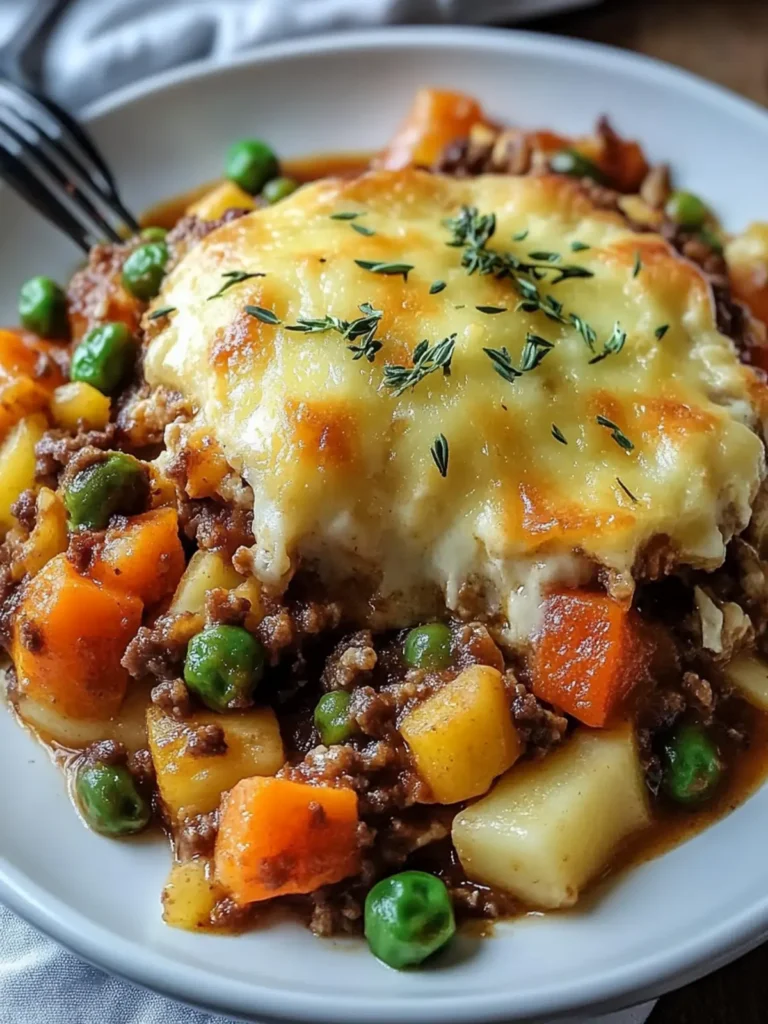
Every family seems to have a version of this recipe written on an index card somewhere, passed down without much fanfare but made regularly for decades. Hearty baked shipwreck casserole is that kind of dish. Raw ingredients layered into a single baking dish, covered tight, and left in the oven for an hour and a half while the steam does all the work. The result is a savory, tomato-rich casserole where the rice and potatoes absorb every bit of flavor from the beef and sauce surrounding them.
The name comes from the jumbled, layered appearance before it bakes, a happy pile of ingredients that somehow comes out of the oven as something cohesive and deeply satisfying. It’s a true one-dish dinner with no browning, no sautéing, and almost no cleanup beyond the baking dish itself.
This is budget cooking at its most honest, and for good reason. A pound of ground beef, a handful of pantry staples, and a can of tomato soup produce something that feeds six people comfortably and tastes better as leftovers than it did the first night.
Why You’ll Love This Hearty Baked Shipwreck Casserole
The layering method is functional, not decorative. Onions on the bottom caramelize slightly against the hot dish and flavor everything above them. The potatoes act as a barrier between the onions and the beef, soaking up the rendered fat and tomato sauce as they cook. The rice sits above the beef where it absorbs the liquid that steams up through the casserole rather than sitting in direct fat, which keeps it from turning greasy.
Everything cooks in the same braising liquid. The tomato soup diluted with water creates enough steam inside the foil-covered dish to cook the raw rice and potato slices from the inside out over 90 minutes. By the time it comes out of the oven, the sauce has reduced into the ingredients rather than pooling at the bottom.
This is also one of the more forgiving casseroles in terms of customization. The base method accepts almost any variation without changing the technique or the timing in any significant way.
Ingredients for Hearty Baked Shipwreck Casserole
The potato slices are the one ingredient worth being precise about. I always use a mandoline for this recipe to get consistent, thin slices right around 1/8-inch thick. Potatoes sliced thicker than that won’t cook through in the same time as the rice, and you’ll end up with some tender bites and some underdone ones in the same dish.
The Foundation Layers:
- 1 large yellow onion, sliced into rings
- 2 large potatoes, peeled and thinly sliced (about 1/8-inch thick)
- 1 lb lean ground beef, uncooked
The Hearty Layers:
- 1/2 cup long-grain white rice, uncooked
- 1 cup celery, chopped
- 1 cup carrots, peeled and sliced into rounds
The Savory Sauce:
- 1 can (10.5 oz) condensed tomato soup
- 1 can water (measured using the empty soup can)
- 1 teaspoon salt, divided
- 1/2 teaspoon black pepper, divided
- Optional: 1/2 teaspoon garlic powder or dried parsley
Long-grain white rice is the right choice here over short-grain or medium-grain varieties. Long-grain rice absorbs the braising liquid more gradually and stays distinct rather than turning starchy and clumped together over the long bake. Instant or parboiled rice will cook too fast and turn mushy before the potatoes are done, so stick with regular long-grain. For the beef, lean ground beef reduces the amount of fat that renders into the sauce during baking, which keeps the finished casserole from tasting greasy without sacrificing the savory depth that ground beef adds to the layers above and below it.
How to Make Hearty Baked Shipwreck Casserole
The key to this entire recipe is the foil seal. The steam that builds inside the covered dish is what cooks the raw rice and potatoes. A loose seal or a foil tent that lifts at the corners releases that steam, which extends the bake time significantly and can leave both the rice and potatoes undercooked at the 90-minute mark. Press the foil firmly against the rim of the dish before it goes into the oven and don’t lift it until the full bake time is up.
- Preheat your oven to 350°F (175°C). Grease a 9×13-inch baking dish or a deep 2-quart casserole dish.
- Spread the sliced onion rings in an even layer across the bottom of the dish. Layer the thinly sliced potatoes over the onions, overlapping slightly to cover the whole surface. Sprinkle lightly with a portion of the salt and pepper.
- Crumble the raw ground beef evenly over the potato layer, pressing it down gently to form a relatively uniform layer. Season lightly with salt and pepper.
- Sprinkle the uncooked rice evenly over the beef. Top with the chopped celery and carrot rounds. Season with the remaining salt and pepper and add the garlic powder or dried parsley if using.
- In a small bowl, whisk together the condensed tomato soup and the full can of water until smooth. Pour the mixture evenly over the entire casserole, working it into the corners and edges so the liquid reaches all the layers.
- Cover the dish very tightly with aluminum foil, pressing the edges firmly against the rim to create a proper seal. This step is what makes the casserole work.
- Bake covered for 1 hour and 30 minutes, until the potatoes and carrots are completely fork-tender and the rice has absorbed the braising liquid.
- Remove from the oven and let the casserole rest uncovered for 10 minutes before serving. The sauce continues to thicken slightly during resting and the layers settle into a cohesive, scoopable casserole.
Pro tip: Resist the urge to check the casserole before the full 90 minutes. Lifting the foil releases the trapped steam and adds significant time to the cook. Trust the process and check only at the 90-minute mark.
What to Serve with Hearty Baked Shipwreck Casserole
This is a complete meal in a single dish, so the sides work best when they add contrast in texture or flavor rather than additional heartiness.
Sweet cornbread: A classic pairing that provides a slightly sweet, crumbly contrast to the savory, tomato-rich casserole. Skillet cornbread served warm alongside a scoop of shipwreck is one of the more satisfying combinations in American comfort food.
Tangy coleslaw: A vinegar-based coleslaw with crisp cabbage cuts through the richness of the beef and tomato sauce in a way that creamy sides don’t. The acidity and crunch refresh the palate between bites of the dense, savory casserole.
Simple green salad: A light salad dressed with red wine vinegar and olive oil provides brightness and freshness alongside a very filling main dish. Keep the toppings simple so the salad feels like a genuine contrast rather than more of the same.
Buttered dinner rolls: Soft, warm dinner rolls for scooping up the extra tomato sauce from the bottom of the serving dish make a practical and universally appreciated side for this kind of comfort food dinner.
Steamed green beans: A straightforward vegetable side that adds color to the plate and a clean, slightly bitter note that balances the sweetness of the tomato soup base. Season with butter and a pinch of garlic for a side that complements without competing.
Pickled beets: A more traditional accompaniment for vintage casseroles of this style. The acidity and earthiness of pickled beets alongside the savory beef and tomato layers is a combination that feels genuinely old-fashioned in the best possible way.
Pro Tips & Variations
Add beans for heartiness: Some families layer a drained can of kidney beans or pork and beans directly over the beef before the rice goes in. Both versions are legitimate variations of this recipe and the beans absorb the tomato sauce particularly well over the long bake.
Ground turkey or venison: Both work as direct substitutes for the ground beef without changing the method or timing. Venison produces a slightly leaner, gamier result that works well with the tomato soup base. Ground turkey keeps the dish lighter and is a good option for households avoiding red meat.
Boost the sauce: A teaspoon of Worcestershire sauce whisked into the tomato soup and water mixture adds depth and a savory background note that elevates the finished sauce. A pinch of smoked paprika works similarly.
Double the sauce for a saucier result: If your household prefers more liquid in the finished casserole, add a second half-can of water to the sauce before pouring. The rice will absorb more liquid and the final result will be looser and more stew-like than the standard version.
Cheese topping: Remove the foil for the last 10 minutes of baking and scatter a cup of shredded cheddar over the top. It melts into a golden layer over the surface and adds a richness that the original recipe doesn’t have.
Storage & Reheating Tips
Shipwreck casserole genuinely improves after a night in the refrigerator. The rice continues to absorb the tomato sauce, the flavors deepen, and the layers meld into something that’s more cohesive than the freshly baked version. Store in an airtight container or covered baking dish for up to 5 days. Reheat individual portions in the microwave with a damp paper towel over the top to retain moisture, or reheat a larger amount covered with foil in a 325°F oven for 20 minutes. The casserole thickens considerably as it sits, so a small splash of broth or water stirred in before reheating helps restore the original consistency. This recipe freezes well in portioned containers for up to 3 months. Thaw overnight in the refrigerator before reheating.
Common Questions
My rice was still crunchy after 90 minutes. What went wrong? The most common cause is a loose foil seal. If steam escapes during baking, the rice doesn’t have enough moisture to cook through properly. Make sure the foil is pressed tightly against the rim of the dish before the casserole goes in. Thick potato slices can also slow the overall cook time since they take longer to become tender than the rice needs.
Can I use brown rice instead of white? Brown rice takes significantly longer to cook than white rice and won’t be done at the 90-minute mark. If you prefer brown rice, add an extra half can of water to the sauce and extend the bake time to 2 to 2.5 hours, checking for doneness at the 2-hour mark.
Do I need to cook the ground beef before layering it? No, and this is one of the defining features of this recipe. The raw beef cooks inside the sealed casserole and its rendered fat and juices flavor the layers above and below it during the long bake. Pre-browning the beef first produces a drier, less integrated result and removes the convenience that makes shipwreck casserole worth making in the first place.
Hearty baked shipwreck casserole is the kind of recipe that rewards very little effort with something that tastes like it took considerably more. Layer it up, seal it tight, and let the oven handle the rest. The leftovers might be even better than the original, which is really the highest praise a casserole can earn.
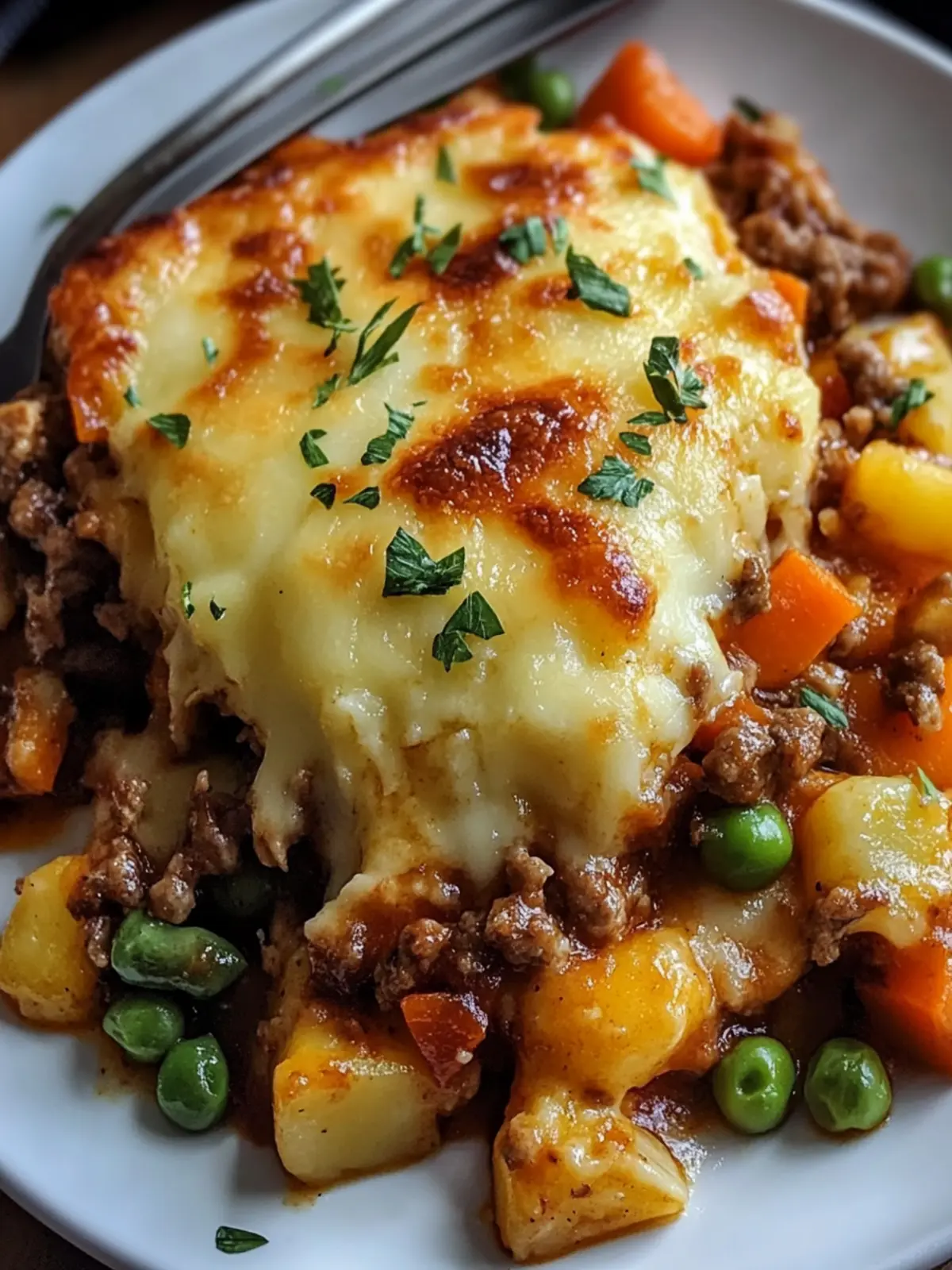
Hearty Baked Shipwreck Casserole
Ingredients
Equipment
Method
- Preheat the oven to 350°F (175°C). Grease a 9×13-inch baking dish or deep 2-quart casserole dish.
- Spread the sliced onion rings across the bottom of the dish. Layer the thinly sliced potatoes over the onions, overlapping slightly. Season lightly with salt and pepper.
- Crumble the raw ground beef evenly over the potato layer, pressing gently to form a uniform layer. Season lightly with salt and pepper.
- Sprinkle the uncooked rice evenly over the beef. Top with the chopped celery and carrot rounds. Season with the remaining salt, pepper, and garlic powder or parsley if using.
- Whisk together the condensed tomato soup and one full can of water until smooth. Pour evenly over the entire casserole, working it into the corners and edges.
- Cover the dish very tightly with aluminum foil, pressing the edges firmly against the rim to create a proper steam seal.
- Bake covered for 1 hour and 30 minutes until the potatoes and carrots are completely fork-tender and the rice has absorbed the liquid. Do not lift the foil before the full bake time.
- Remove from the oven and let the casserole rest uncovered for 10 minutes before serving to allow the layers to settle and the sauce to thicken.