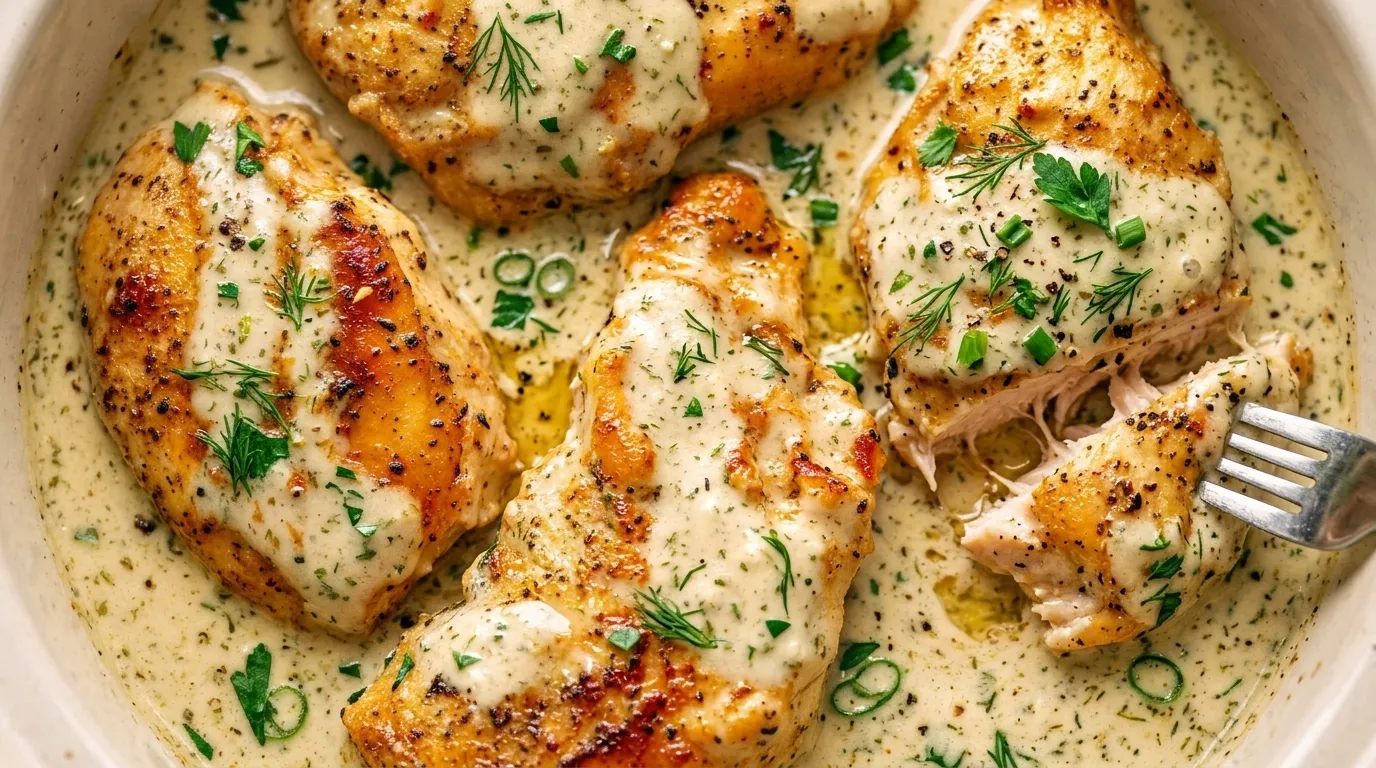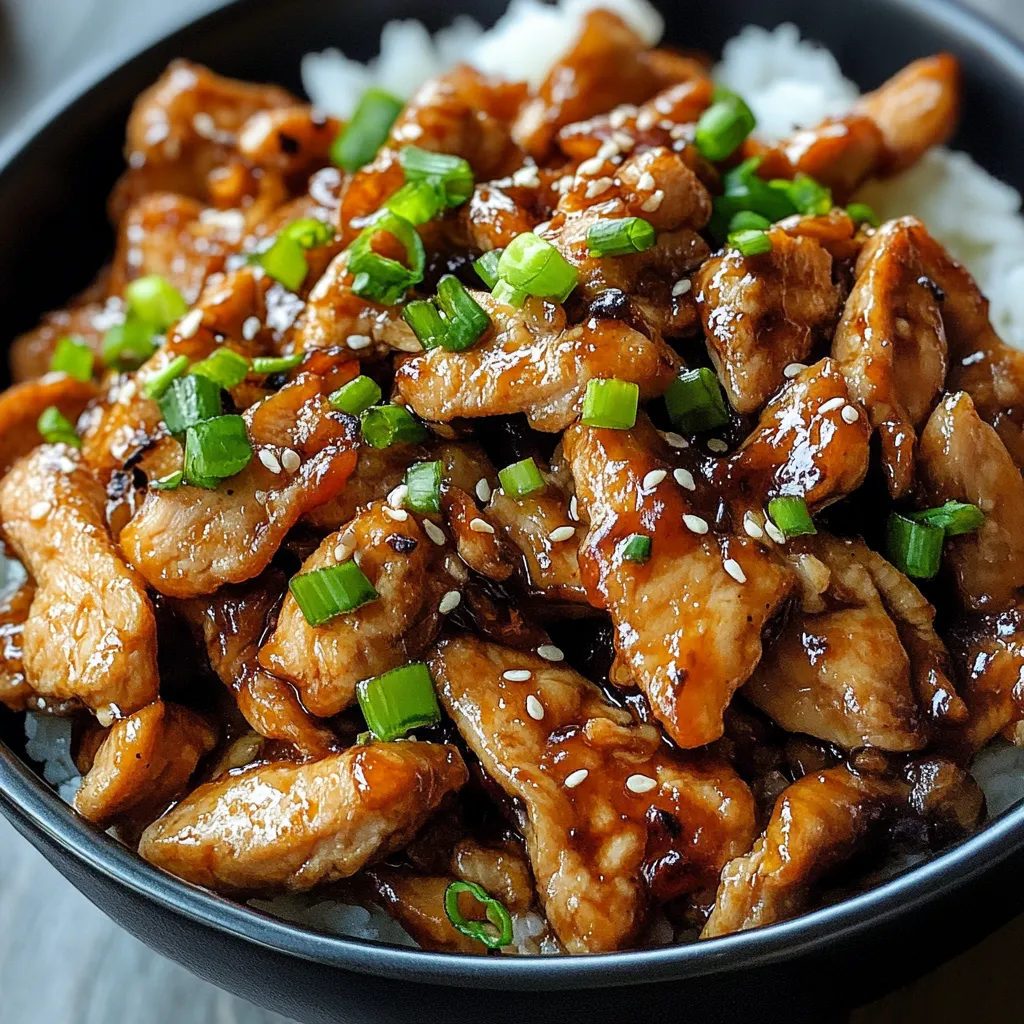
When you need a dinner that brings bold Korean flavors to the table without hours of prep, high protein chicken bulgogi delivers. This Korean grilled chicken marinates in a savory-sweet sauce with garlic, ginger, and sesame, then cooks up in just 10 minutes for a weeknight meal that tastes like you spent all day in the kitchen.
Unlike traditional beef bulgogi, this chicken version offers the same caramelized edges and rich flavors while packing in more protein and less fat. The thin-sliced chicken thighs soak up every bit of that umami-rich marinade, creating tender, flavorful pieces that work perfectly over rice, tucked into lettuce wraps, or piled onto grain bowls.
This recipe fits easily into busy weeknight rotations. With just 15 minutes of hands-on prep and a quick marinating time, you’ll have an authentic Korean dinner ready in under an hour. Families love the interactive element of wrapping the chicken in crisp lettuce leaves, and the leftovers reheat beautifully for next-day lunches.
Why You’ll Love This Chicken Bulgogi
This Korean chicken dinner hits all the right notes for a satisfying weeknight meal. The marinade creates deep flavor in just 30 minutes, though you can let it sit longer if you’re planning ahead. The combination of soy sauce, brown sugar, and mirin builds that signature sweet-savory balance Korean cooking is known for, while fresh garlic and ginger add aromatic depth.
The cooking method is straightforward but effective. High heat creates those caramelized edges that make bulgogi so appealing, and the whole dish comes together in a single skillet. You’re looking at maybe 10 minutes of actual cooking time once the chicken is marinated.
Chicken thighs bring moisture and flavor to this dish, staying tender even when cooked at high heat. If you prefer leaner meat, chicken breasts work too, though they require a bit more attention to avoid drying out. Either way, you’re getting a protein-forward dinner that easily clears 30 grams per serving.
The recipe scales up beautifully for meal prep or feeding a crowd. Double the batch and you’ll have lunches sorted for the week. The flavors actually improve after a day in the fridge, making this one of those rare dishes that tastes even better as leftovers.
Customization comes naturally with this recipe. Dial the heat up or down with gochugaru, swap proteins, or adjust the sweetness to match your preferences. The basic technique stays the same, giving you a reliable framework for experimenting.
Ingredients for Chicken Bulgogi
I always reach for chicken thighs when making bulgogi because they stay juicy through the high-heat cooking process. The slightly higher fat content compared to breasts means you get more forgiving results, especially if you’re new to this style of cooking. That said, breasts work perfectly fine if that’s what you have on hand or prefer.
For the Chicken:
- 1.5 lbs boneless, skinless chicken thighs or breasts, thinly sliced
- 1 tablespoon vegetable oil
For the Marinade:
- 1/4 cup soy sauce
- 2 tablespoons brown sugar or honey
- 2 tablespoons mirin
- 1 tablespoon toasted sesame oil
- 2 tablespoons minced garlic
- 1 tablespoon grated fresh ginger
- 1/2 small onion, grated or finely minced
- 1/4 teaspoon black pepper
- 1 tablespoon gochugaru (optional)
For Garnish:
- 2 green onions, sliced
- 1 tablespoon toasted sesame seeds
The quality of your soy sauce makes a real difference here. I use a naturally brewed variety rather than the chemical versions, which taste sharper and less balanced. Kikkoman works well and is easy to find, though Korean brands like Sempio bring an extra layer of depth if you can track them down.
Mirin is a slightly sweet Japanese rice wine that adds complexity to the marinade. If you don’t keep it stocked, a dry white wine with a pinch of sugar hits similar notes. The toasted sesame oil should smell nutty and rich. If yours smells flat or off, it’s probably past its prime and worth replacing.
Fresh ginger and garlic are non-negotiable in my kitchen for this recipe. The pre-minced jarred versions lack the bright, sharp flavors that make this marinade sing. A microplane grater makes quick work of both, and you’ll taste the difference in the finished dish.
How to Make Chicken Bulgogi
Getting those thin, even slices is the foundation of good bulgogi. I find it easier to slice chicken when it’s been in the freezer for about 30 minutes. The meat firms up just enough to cut clean, thin pieces without the chicken sliding around under your knife. You’re aiming for slices about 1/4 inch thick, which allows the marinade to penetrate quickly and ensures even cooking.
1. Whisk together the soy sauce, brown sugar, mirin, sesame oil, minced garlic, grated ginger, grated onion, black pepper, and gochugaru in a large bowl. Make sure the sugar dissolves completely into the liquid. The marinade should smell intensely aromatic, with the garlic and ginger coming through clearly.
2. Add your sliced chicken to the marinade and use your hands or tongs to coat every piece thoroughly. Cover the bowl and refrigerate for at least 30 minutes. The chicken will start taking on color from the soy sauce, turning a darker amber as it sits. For deeper flavor, marinate up to 4 hours, though beyond that the texture can start to break down from the acids.
3. Heat your vegetable oil in a large skillet or wok over medium-high heat. The pan needs to be properly hot before the chicken goes in. A drop of water should sizzle and evaporate immediately when the pan is ready. This high heat creates those caramelized, slightly charred edges that define good bulgogi.
4. Working in batches, add the chicken in a single layer without crowding the pan. Overcrowding drops the pan temperature and causes the chicken to steam instead of sear. You want space between pieces so each one makes direct contact with the hot surface. Let the chicken sit undisturbed for 2-3 minutes before stirring.
5. Stir occasionally and cook for 5-7 minutes total, until the chicken is cooked through and the edges show dark caramelization. The marinade will reduce and become glossy, coating the chicken in a sticky glaze. Check doneness by cutting into a thicker piece. The meat should be opaque throughout with no pink remaining, and an instant-read thermometer should register 165°F.
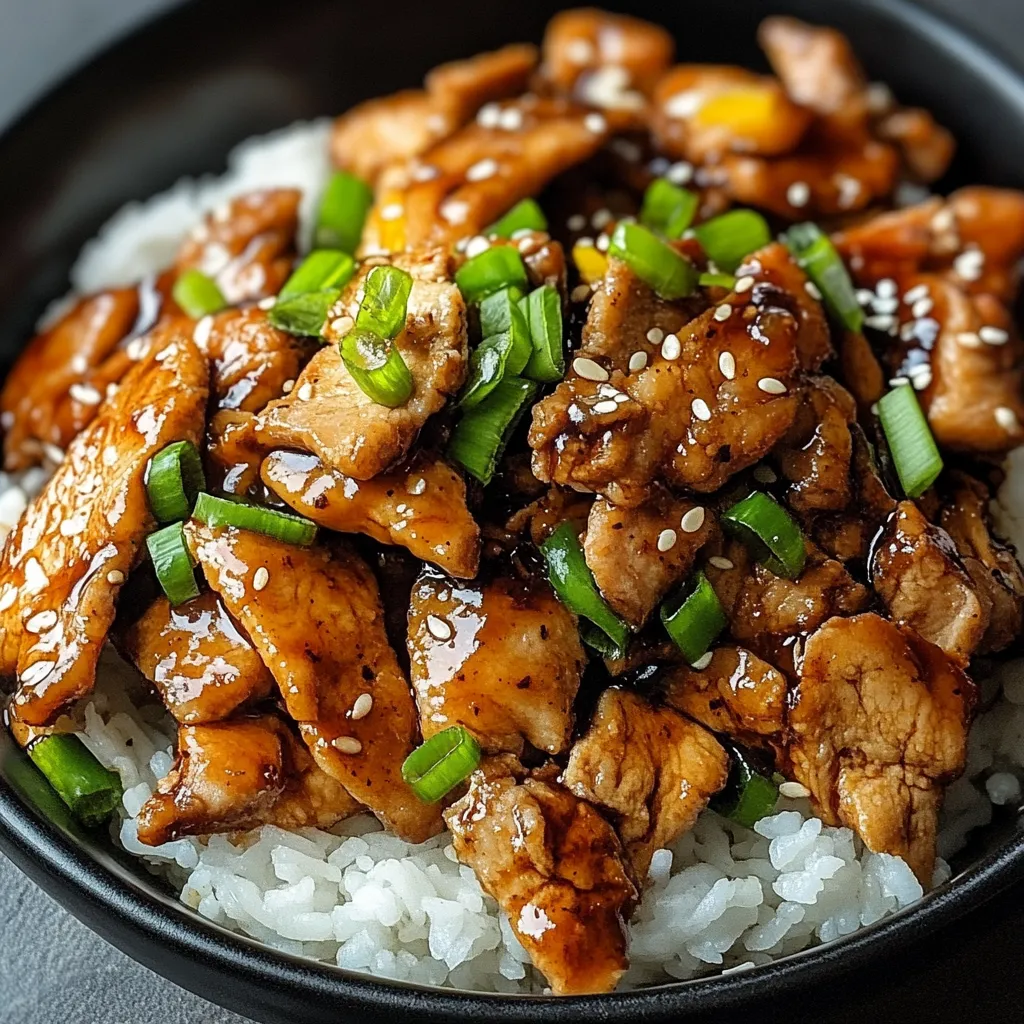
6. Transfer the cooked chicken to your serving plate. The pieces should glisten with the reduced marinade and show some charred spots. Garnish with sliced green onions and sesame seeds while the chicken is still hot. The residual heat releases the aromatics in the green onions and makes the sesame seeds more fragrant.
7. Serve immediately while the chicken is hot and the edges are still crispy. The texture changes as it sits, with the caramelized bits softening, so this dish is best enjoyed right away.
What to Serve with Chicken Bulgogi
Building a complete Korean-inspired meal around bulgogi means balancing the rich, savory chicken with lighter, fresher elements.
Steamed White Rice: The classic pairing that soaks up the bulgogi sauce. Short-grain rice works particularly well, offering a slightly sticky texture that makes it easy to eat with chopsticks. The neutral flavor lets the chicken’s bold marinade shine.
Kimchi: Fermented napa cabbage adds a spicy, tangy contrast that cuts through the sweetness of the bulgogi. The crunchy texture and funky, complex flavors create that push-pull balance Korean meals are known for. Store-bought kimchi works perfectly fine here.
Large Lettuce Leaves for Ssam: Butter lettuce, red leaf, or romaine provide edible wrappers for the chicken. Guests build their own wraps, adding rice, chicken, and whatever banchan you’re serving. This interactive element makes dinner more engaging, especially with kids.
Sesame Spinach (Sigeumchi Namul): Blanched spinach tossed with sesame oil, garlic, and soy sauce offers a mild, slightly nutty side that brings vegetables to the table without competing with the bulgogi’s flavors. It takes maybe 10 minutes to put together.
Cucumber Salad: Thinly sliced cucumbers dressed with rice vinegar, a touch of sugar, and sesame seeds provide cool, crisp refreshment. The acidity and crunch balance the rich, caramelized chicken beautifully.
Roasted Sweet Potato: Cut into wedges and roasted until caramelized, sweet potatoes echo the bulgogi’s sweetness while adding substance to the meal. The soft, creamy texture contrasts nicely with the charred chicken.
Pickled Daikon (Danmuji): These bright yellow pickled radish strips add crunch and acidity. They’re often served in Korean restaurants alongside grilled meats and work particularly well tucked into lettuce wraps with the bulgogi.
Pro Tips & Variations
For Maximum Flavor: Reserve a few tablespoons of marinade before adding the raw chicken. Drizzle this fresh marinade over the cooked bulgogi just before serving for an extra hit of bright garlic and ginger that hasn’t been dulled by heat.
Make-Ahead Strategy: Slice and marinate the chicken up to 24 hours ahead. The flavors develop even more deeply with extended marinating time. Just pull it straight from the fridge to the hot pan when you’re ready to cook.
Achieving Proper Char: Don’t move the chicken too frequently once it hits the pan. Let it sit for a full 2-3 minutes before stirring. This contact time allows proper caramelization and those signature charred edges to develop.
Temperature Control: If your chicken is browning too quickly before cooking through, reduce the heat to medium and add a splash of water to the pan. Cover briefly to steam the chicken through, then remove the lid and increase heat to evaporate excess liquid and caramelize.
Spicy Variation: Double the gochugaru and add a tablespoon of gochujang (Korean red pepper paste) to the marinade for a spicier version. The paste brings both heat and umami depth.
Vegetarian Option: Swap the chicken for extra-firm tofu or king oyster mushrooms, sliced thin. The marinade works beautifully with both. Press tofu thoroughly before slicing to remove excess moisture.
Gluten-Free Adaptation: Use tamari instead of regular soy sauce. Check your gochugaru label as some brands add wheat as a filler. Pure Korean chili flakes are naturally gluten-free.
Different Proteins: This marinade works with thinly sliced pork, beef, or even shrimp. Adjust cooking times accordingly. Shrimp needs only 3-4 minutes total, while beef benefits from the same high-heat, quick-sear approach as the chicken.
Storage & Reheating Tips
I store leftover bulgogi in an airtight container in the refrigerator for up to 3 days. The chicken stays flavorful, though the edges lose some of their crispy char. Make sure the container seals well since the garlic and sesame aromas are strong.
Reheating in a pan over medium heat brings back the best texture. Add a small splash of water to prevent drying out, and cook just until heated through. The microwave works in a pinch but creates a softer texture without any of those caramelized bits.
Freezing works if you need longer storage. Pack the cooked chicken in freezer-safe containers or bags, removing as much air as possible. It keeps for up to 2 months. Thaw overnight in the refrigerator before reheating.
For meal prep, consider keeping the components separate. Marinate the chicken but don’t cook it until you’re ready to eat. Raw marinated chicken keeps for 24 hours in the fridge and freezes well for up to 3 months. This approach gives you fresh-cooked bulgogi whenever you want it.
Leftover bulgogi makes excellent fried rice, grain bowls, or quesadilla filling. The flavors stand up well to being incorporated into other dishes rather than just reheated as-is.
Common Questions
Can I use chicken breast instead of thighs? Absolutely. Breasts are leaner and will give you slightly higher protein content with less fat. Slice them thin and watch the cooking time closely since they dry out faster than thighs. Pull them from the heat as soon as they reach 165°F.
What if I don’t have mirin? Use dry white wine with a pinch of sugar, or substitute with equal parts water and rice vinegar plus a teaspoon of sugar. The flavor won’t be identical, but you’ll get that slight sweetness and acidity that balances the soy sauce.
How thin should I slice the chicken? Aim for about 1/4 inch thick. Thinner is actually better for bulgogi since it allows faster marinating and creates more surface area for caramelization. The freezer trick makes this much easier.
Can I make this less sweet? Start with 1 tablespoon of brown sugar instead of 2. You can always add more at the end if needed, but pulling back on the initial amount gives you more control. Some people prefer a ratio closer to savory than sweet.
Why is my chicken steaming instead of browning? Your pan is either not hot enough or you’re overcrowding it. Cook in smaller batches with proper space between pieces, and make sure the pan is properly preheated. You should hear an immediate sizzle when the chicken hits the surface.
This chicken bulgogi proves that authentic Korean flavors don’t require complicated techniques or hard-to-find ingredients. The marinade comes together in minutes, the cooking happens fast, and the results taste like something you’d order at your favorite Korean restaurant. Give this a try on your next busy weeknight when you want dinner to feel special without the extra effort.
Authentic Chicken Bulgogi (Dak Bulgogi)
Ingredients
Equipment
Method
- In a large bowl, whisk together soy sauce, brown sugar, mirin, sesame oil, minced garlic, grated ginger, grated onion, black pepper, and gochugaru if using. Ensure sugar dissolves completely.
- Add thinly sliced chicken to the marinade and toss until every piece is thoroughly coated. Cover and refrigerate for at least 30 minutes, or up to 4 hours for maximum flavor.
- Heat vegetable oil in a large skillet or wok over medium-high heat until a drop of water sizzles immediately.
- Add chicken in a single layer without crowding the pan, working in batches if needed. Let sit undisturbed for 2-3 minutes before stirring.
- Cook for 5-7 minutes total, stirring occasionally, until chicken is cooked through and edges are caramelized and slightly charred. Internal temperature should reach 165°F.
- Transfer to serving plate and garnish with sliced green onions and toasted sesame seeds while hot.
- Serve immediately with steamed rice, kimchi, and lettuce leaves for wrapping.