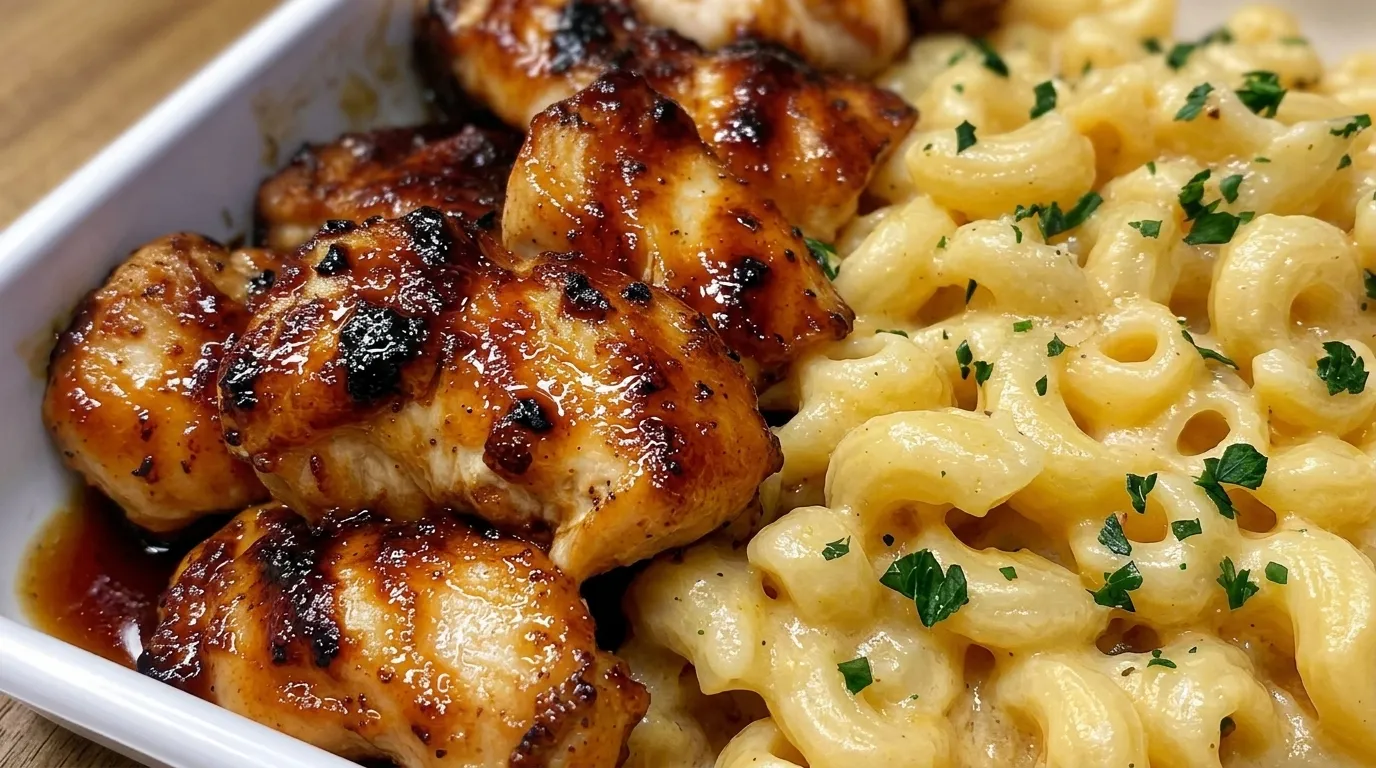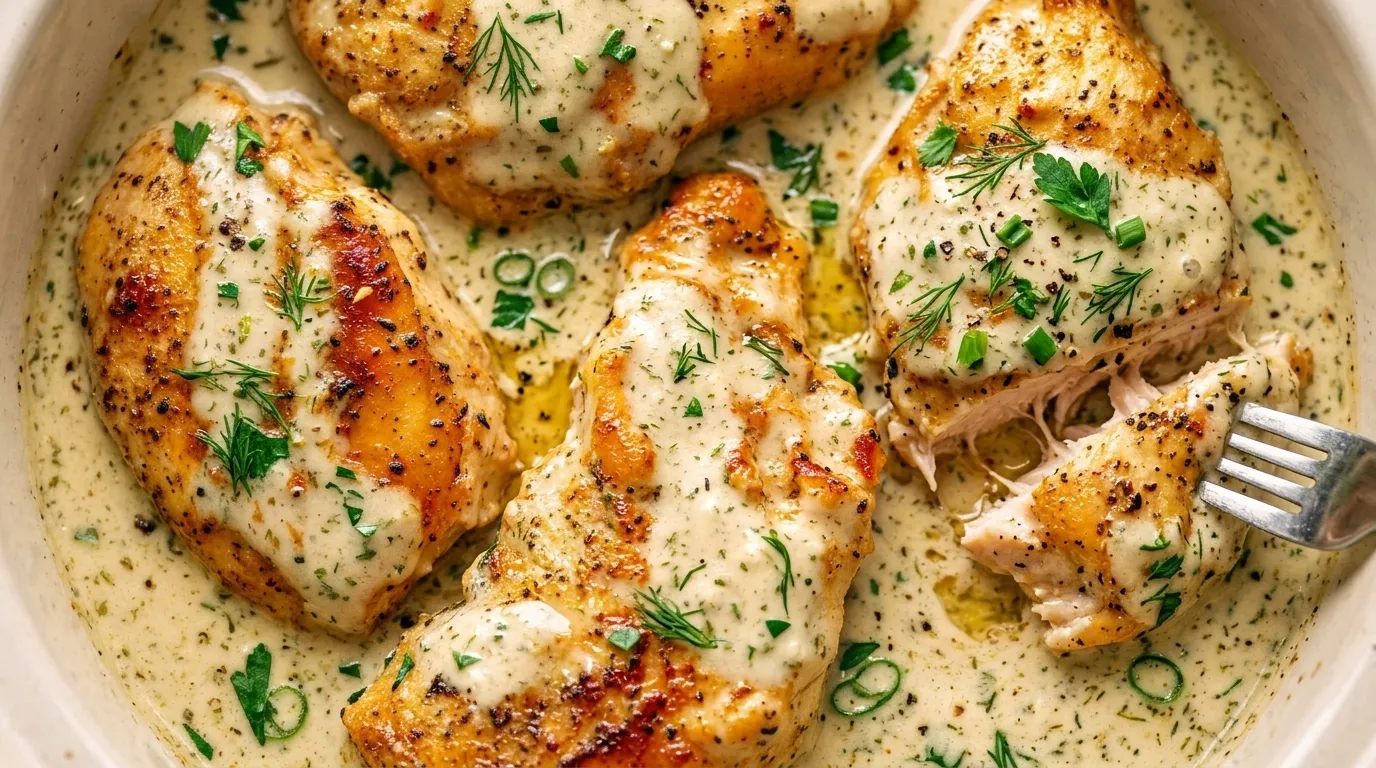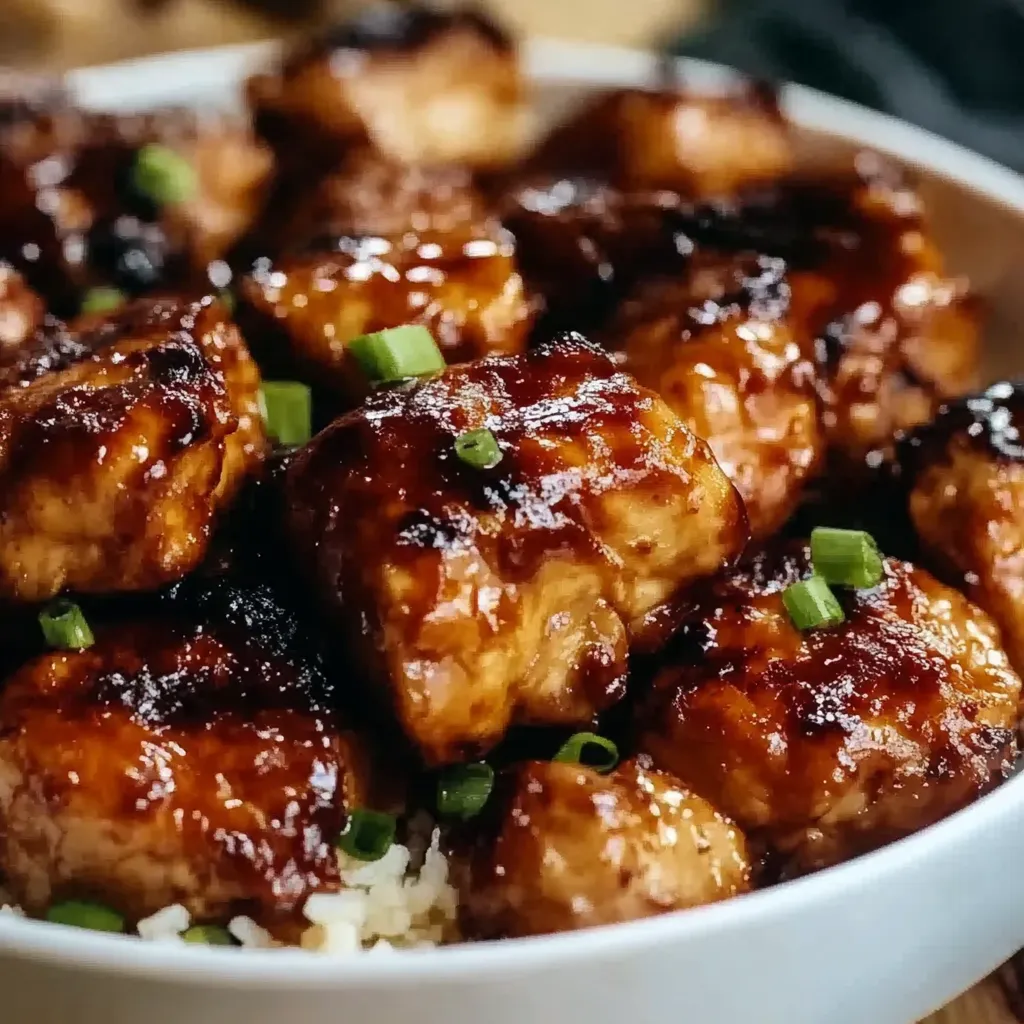
Hawaiian flavors meet high protein cooking when you fire up the grill for this huli huli chicken. The name “huli huli” comes from the Hawaiian word for “turn,” which is exactly what you’ll do—flipping these marinated chicken thighs on the grill until they develop that signature caramelized glaze and char marks. This recipe balances sweet pineapple juice and brown sugar with savory soy sauce and fresh ginger, creating layers of flavor that make each bite satisfying. With chicken thighs as the base, you’re getting meat that stays juicy on the grill and delivers 25 grams of protein per serving to keep you fueled.
What makes this dinner stand out is how the marinade does most of the work for you. Mix it up, let the chicken soak in those tropical flavors, then spend less than 30 minutes at the grill. The result tastes like you’ve been working on it all day, but the active time is minimal. It’s the kind of meal that brings a vacation vibe to your weeknight table without requiring a flight to the islands.
Why You’ll Love This Hawaiian Huli Huli Chicken
The marinade is what transforms ordinary chicken thighs into something memorable. Pineapple juice provides natural sweetness and enzymes that help tenderize the meat, while soy sauce adds that savory depth. Fresh ginger and garlic give the marinade aromatic complexity that develops even more as the chicken grills.
Chicken thighs are the smart choice here because they handle high heat beautifully. The extra fat keeps them moist even if you cook them a minute or two longer than intended, which gives you more flexibility than breasts would. They also pick up marinade flavors more readily and develop better caramelization on the grill.
This recipe scales easily for a crowd and actually benefits from being made ahead. Marinate the chicken for several hours or overnight, and you’ll have even deeper flavor when it’s time to cook. The grill marks and sticky glaze make presentation effortless—it looks impressive without any extra work. Leftovers taste great the next day, whether you eat them cold in a salad or warmed up over rice.
Ingredients for High Protein Hawaiian Huli Huli Chicken
I prefer using boneless, skinless thighs that are roughly the same size so they cook evenly. Look for pieces that feel firm and have a deep pink color—that indicates freshness and good quality meat.
- 4 boneless, skinless chicken thighs
- 1/4 cup soy sauce
- 1/4 cup brown sugar
- 1/4 cup pineapple juice
- 2 tablespoons ketchup
- 2 tablespoons vegetable oil
- 1 tablespoon fresh ginger, minced
- 2 cloves garlic, minced
- 1 tablespoon rice vinegar
- 1/2 teaspoon black pepper
- 2 green onions, chopped (for garnish)
- Sesame seeds (for garnish, optional)
For the soy sauce, regular or low-sodium both work well. If you need a gluten-free option, tamari is your best bet—it has that same deep, salty flavor without the wheat. Coconut aminos work too, though they’re slightly sweeter and less salty, so you might want to add a pinch of salt to balance things out.
The pineapple juice can be canned or fresh—both work fine for this recipe. Brown sugar creates that signature glaze, and either light or dark brown sugar will work. The ketchup adds a touch of tomato sweetness and helps the glaze stick to the chicken.
Fresh ginger is essential. The bright, spicy notes from fresh ginger can’t be replicated with dried powder. I use a microplane to grate it finely so it distributes evenly through the marinade. Same goes for garlic—fresh cloves minced small will give you much better flavor than jarred or powdered versions.
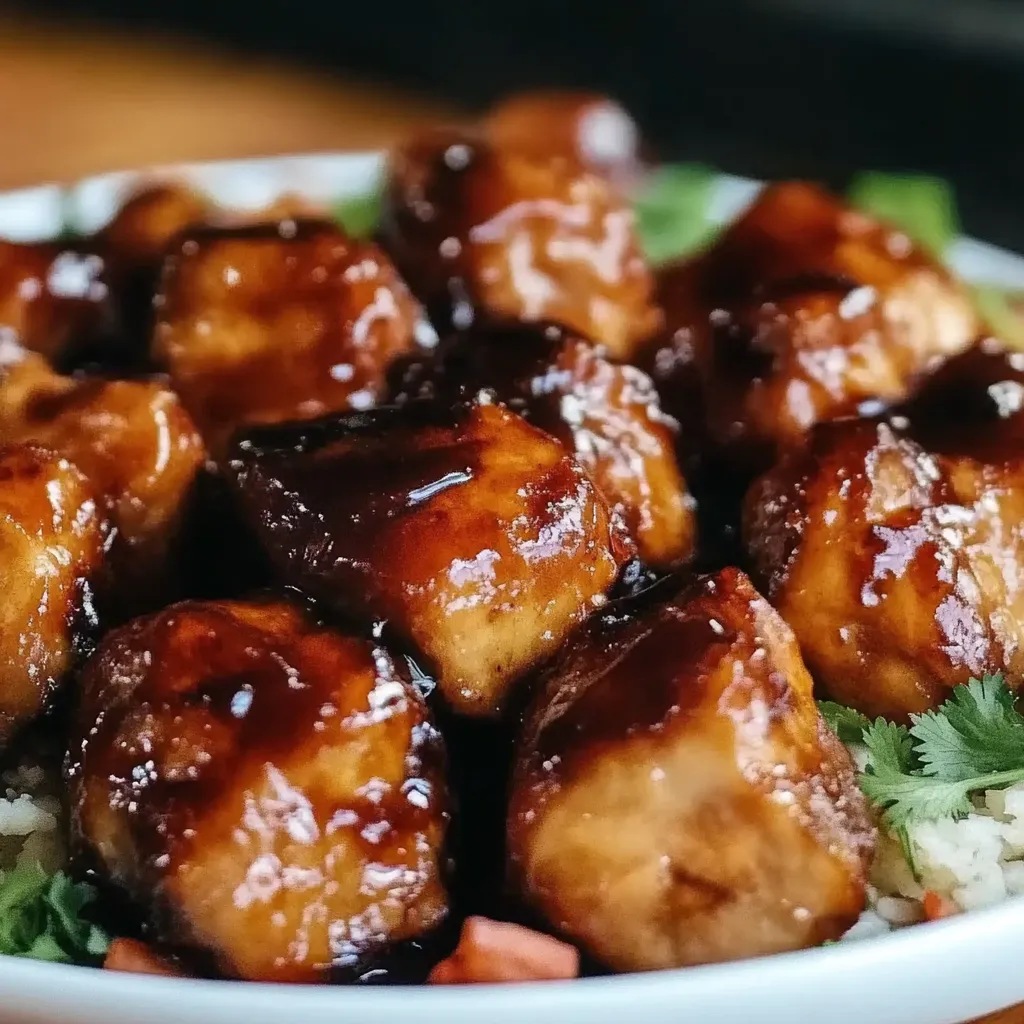
How to Make High Protein Hawaiian Huli Huli Chicken
The marinade comes together quickly, and getting the chicken thoroughly coated is what builds all that flavor. I find that a resealable bag works better than a dish because you can massage the marinade into the chicken and flip the bag occasionally without any extra mess.
- In a medium bowl, whisk together the soy sauce, brown sugar, pineapple juice, ketchup, vegetable oil, minced ginger, garlic, rice vinegar, and black pepper. Keep whisking until the brown sugar dissolves completely—you don’t want any grainy bits left. The marinade should be smooth and well combined.
- If you want sauce for serving later, pour 1/4 cup of the marinade into a small jar and refrigerate it. This reserved portion hasn’t touched raw chicken, so it’s safe to use without boiling.
- Place the chicken thighs in a large resealable plastic bag or a shallow dish. Pour the remaining marinade over the chicken, making sure every piece gets coated. If using a bag, squeeze out as much air as possible and seal it tightly. If using a dish, turn the chicken a few times to coat all sides, then cover with plastic wrap.
- Refrigerate for at least 1 hour, though 4 hours or overnight gives you the best flavor. The pineapple juice will tenderize the meat, and the flavors will have time to really soak in. Don’t marinate longer than 24 hours—the enzymes in pineapple can start to break down the texture too much if left beyond that point.
- When you’re ready to cook, preheat your grill to medium-high heat. You want a grill surface temperature around 375 to 400°F. Clean and oil your grill grates well—this marinade can stick.
- Remove the chicken from the marinade and let the excess drip off. Discard the used marinade that had raw chicken in it.
- Place the chicken thighs on the grill. Cook for 6 to 8 minutes on the first side without moving them—this is how you get those beautiful grill marks. Watch for flare-ups from the sugar and oil in the marinade. If flames start licking at the chicken, move it to a cooler part of the grill temporarily.
- Flip the chicken and cook for another 6 to 8 minutes on the second side. The chicken is done when it reaches an internal temperature of 165°F in the thickest part. The outside should have a nice caramelized glaze with visible grill marks.
- If you reserved clean marinade in step 2, you can brush it on during the last 2 minutes of cooking for extra glaze. You can also simmer that reserved marinade in a small saucepan for 5 minutes until it reduces and thickens, then use it as a serving sauce.
- Remove the chicken from the grill and let it rest for 5 minutes on a clean plate. This resting time allows the juices to redistribute through the meat instead of running out when you cut into it.
- Garnish with chopped green onions and sesame seeds if you’re using them. The green onions add a fresh, sharp note that cuts through the sweetness, and sesame seeds give a subtle nutty flavor and nice visual appeal.
The key with this recipe is controlling your grill temperature. The sugar in the marinade wants to burn, so you need enough heat to caramelize it without charring it black. If your grill runs hot, move the chicken to indirect heat after getting those initial sear marks, then finish cooking with the lid closed.
What to Serve with High Protein Hawaiian Huli Huli Chicken
Coconut rice is the classic pairing and for good reason. Cook white rice in a mixture of coconut milk and water, add a pinch of salt, and you have a creamy, slightly sweet base that soaks up the chicken’s glaze. The tropical flavors complement each other perfectly.
Grilled pineapple takes advantage of the fact that your grill is already hot. Cut fresh pineapple into rings or spears, brush with a bit of oil, and grill for 2 to 3 minutes per side until you get caramelized grill marks. The heat intensifies the sweetness and adds a smoky element that pairs beautifully with the chicken.
Macaroni salad is a Hawaiian plate lunch staple. Make it with elbow macaroni, mayo, a splash of rice vinegar, grated carrots, and diced celery. It’s creamy, cool, and provides a nice contrast to the warm, glazed chicken.
Steamed broccoli with sesame oil keeps things simple and adds green vegetables to the plate. Steam until just tender, then toss with a drizzle of toasted sesame oil and a sprinkle of sesame seeds. The mild flavor doesn’t compete with the chicken.
Cucumber salad with rice vinegar offers a refreshing, crunchy contrast. Thinly slice cucumbers, toss with rice vinegar, a touch of sugar, and a pinch of salt. Let it sit for 10 minutes before serving. The acidity cuts through the richness of the chicken.
Asian slaw brings crunch and brightness to the plate. Shred cabbage, carrots, and red bell pepper, then dress with rice vinegar, sesame oil, a touch of honey, and fresh cilantro. It’s light and crisp, which balances the tender chicken nicely.
Garlic green beans add a savory vegetable option. Sauté green beans in a hot pan with minced garlic and a splash of soy sauce until they’re tender-crisp with some charred spots. The garlic and soy echo the flavors in the chicken.
Pro Tips & Variations
For the best results, marinate the chicken for at least 4 hours or overnight rather than just the 1-hour minimum. The flavors will penetrate more thoroughly, and the pineapple juice will tenderize the meat beautifully. Just remember not to go beyond 24 hours total marinating time.
If you don’t have access to an outdoor grill, a stovetop grill pan works well. Heat it over medium-high heat until a drop of water sizzles immediately on contact, then cook the chicken the same way you would on an outdoor grill. You won’t get the smoky flavor, but you’ll still get those nice char marks and caramelization. A regular skillet works too—just skip the grill marks and focus on getting good browning on both sides.
Watch your grill temperature closely. If you have a grill thermometer, aim for a surface temperature between 375 and 400°F. If you don’t have a thermometer, hold your hand about 6 inches above the grate—you should only be able to keep it there for 3 to 4 seconds at medium-high heat. If the sugars start to char too quickly, move the chicken to a cooler zone of the grill.
For a spicier version, add sriracha or red pepper flakes to the marinade. Start with 1 teaspoon of sriracha or 1/4 teaspoon of red pepper flakes and adjust to your heat preference. The sweetness of the marinade balances spice really well.
You can substitute chicken breasts if you prefer white meat, but reduce the cooking time. Breasts cook faster and can dry out more easily, so check for doneness at the 5-minute mark on each side. Pounding them to an even thickness helps them cook more uniformly.
Make this into skewers for parties or meal prep. Cut the chicken into bite-sized pieces before marinating, then thread onto skewers. They’ll cook faster—about 4 to 5 minutes per side—so watch them closely and use a meat thermometer to check that the internal temperature reaches 165°F.
Storage & Reheating Tips
Store leftover chicken in an airtight container in the refrigerator for up to 3 days. The flavors actually develop more as it sits, so day-two huli huli chicken often tastes even better than freshly grilled.
For reheating, I prefer the oven at 325°F for about 10 minutes. Place the chicken on a baking sheet and cover it loosely with foil to keep moisture in. This gentle heat warms it through without drying it out. An air fryer works well too and is faster due to the circulating air—heat at 325°F for 6 to 8 minutes.
You can microwave it if you’re short on time. Use 50% power and heat in 30-second intervals, checking after each one. This prevents the edges from getting tough while the center is still cold.
You can freeze marinated raw chicken for up to 3 months. Place the chicken and marinade in a freezer-safe bag, squeeze out excess air, and freeze flat. Thaw it in the refrigerator overnight, then grill as usual. The texture stays good, though the pineapple enzymes may make the chicken slightly more tender after freezing.
Leftover chicken works great in rice bowls, salads, or wraps. Slice it thin and serve over greens with extra sesame seeds and green onions, or chop it and mix into fried rice for a quick next-day meal.
Common Questions
Can I bake this instead of grilling? Yes, baking works well. Preheat your oven to 400°F and place the chicken on a baking sheet lined with parchment paper. Bake for 20 to 25 minutes, flipping halfway through, until the internal temperature reaches 165°F. For extra caramelization, broil for the last 2 minutes while watching closely to prevent burning.
How do I prevent the marinade from burning on the grill? Keep your grill at medium-high rather than high heat, and move the chicken to indirect heat if you see the sugars starting to char too quickly. You can also create a two-zone fire—direct heat for searing, indirect heat for finishing. The glaze should caramelize and turn dark golden, not black.
Can I use this marinade on other proteins? Absolutely. It works beautifully on pork chops, shrimp, or salmon. Adjust cooking times based on the protein—shrimp will only need 2 to 3 minutes per side, while pork chops need about the same time as chicken thighs. Always check internal temperatures for safety.
What if I don’t have rice vinegar? Apple cider vinegar works as a substitute. It’s slightly more acidic and less sweet than rice vinegar, so use about 2 teaspoons instead of 1 tablespoon. White vinegar also works but has a sharper flavor, so start with less and adjust to taste.
Can I make this ahead for meal prep? Yes, this is excellent for meal prep. Grill all the chicken at once, let it cool completely, then divide it into containers with your chosen sides. It reheats well throughout the week and makes grabbing a nutritious dinner incredibly easy.
This high protein Hawaiian huli huli chicken delivers restaurant-quality flavor with straightforward preparation that fits into real life. The combination of sweet, savory, and slightly tangy flavors creates something memorable, while the 25 grams of protein per serving keeps you satisfied. Fire up the grill and give this one a try—it’s a dinner that brings a little tropical escape to your table.
High Protein Hawaiian Huli Huli Chicken
Ingredients
Equipment
Method
- In a medium bowl, whisk together the soy sauce, brown sugar, pineapple juice, ketchup, vegetable oil, minced ginger, garlic, rice vinegar, and black pepper until the brown sugar dissolves completely and the marinade is smooth.
- Optional: Pour 1/4 cup of the marinade into a small jar and refrigerate it for later use as a serving sauce. This reserved portion is safe to use without boiling since it hasn’t touched raw chicken.
- Place the chicken thighs in a large resealable plastic bag or shallow dish. Pour the remaining marinade over the chicken, making sure every piece is thoroughly coated. Seal the bag or cover the dish.
- Refrigerate for at least 1 hour. For best results, marinate for 4 hours or overnight. Do not marinate longer than 24 hours as the pineapple enzymes can over-tenderize the meat.
- Preheat your grill to medium-high heat with a grill surface temperature around 375 to 400°F. Clean and oil the grill grates well to prevent sticking.
- Remove the chicken from the marinade, allowing excess liquid to drip off. Discard the used marinade.
- Place the chicken thighs on the grill and cook for 6 to 8 minutes on the first side without moving them, watching for flare-ups from the sugar in the marinade.
- Flip the chicken and cook for another 6 to 8 minutes on the second side until the internal temperature reaches 165°F in the thickest part and the outside has a caramelized glaze with grill marks.
- Optional: If you reserved clean marinade in step 2, brush it on during the last 2 minutes of cooking for extra glaze, or simmer it in a saucepan for 5 minutes and use as a serving sauce.
- Remove the chicken from the grill and let it rest for 5 minutes on a clean plate before slicing.
- Garnish with chopped green onions and sesame seeds if desired before serving.