The garlic butter sauce does double duty here, flavoring the vegetables as they roast and adding richness to the chicken. Everything cooks on one pan at the same temperature, which means you can prep, slide it in the oven, and walk away until dinner is ready. The combination of protein, starch, and vegetables makes this a truly complete meal that just needs a simple side or bread.
Why You’ll Love This Sheet Pan Garlic Butter Chicken
This recipe eliminates the usual weeknight dinner chaos of timing different dishes to finish simultaneously. I use baby potatoes because they roast perfectly in the time it takes the chicken to cook through, and their small size means no chopping required. The broccoli and asparagus add color, nutrition, and different textures without requiring separate preparation.
The garlic butter sauce transforms simple roasted chicken and vegetables into something that tastes special. Butter melts over everything as it roasts, helping the garlic and lemon flavors penetrate while creating those appealing browned bits. You control the richness by how much sauce you use, making this adaptable to different preferences.
Budget-friendly ingredients keep this practical for regular weeknight rotation. Chicken breast, potatoes, and seasonal vegetables cost less than ordering takeout, and the recipe feeds four people generously. Leftovers reheat well and pack nicely for next-day lunches.
Ingredients for Sheet Pan Garlic Butter Chicken
I always pat my chicken dry before seasoning because moisture prevents proper browning. My go-to is boneless, skinless breasts for their lean protein, though thighs stay moister and more forgiving if you’re newer to roasting chicken. For the potatoes, choose baby potatoes that are roughly the same size so they cook evenly.
The Protein:
- 2 boneless, skinless chicken breasts (or thighs)
- 1 tbsp olive oil
- 1 tsp garlic powder
- 1 tsp paprika
- Salt and pepper to taste
The Vegetables:
- 1 lb baby potatoes, halved
- 1 ½ cups broccoli florets
- 1 bunch asparagus, trimmed
- 1 tbsp olive oil
- Salt and pepper to taste
The Garlic Butter Sauce:
- 4 tbsp butter, melted
- 3 cloves garlic, minced
- 1 tbsp lemon juice
- 1 tsp Italian seasoning
Fresh garlic makes a noticeable difference in the sauce since it’s such a prominent flavor. Mincing it finely helps distribute it evenly throughout. Real butter rather than margarine creates better flavor and helps with browning. The lemon juice adds brightness that cuts through the richness and prevents the dish from feeling heavy.
Italian seasoning typically contains oregano, basil, thyme, and rosemary, which all complement both the chicken and vegetables nicely. If you prefer individual herbs, use whatever combination you like. Choose asparagus spears that are medium thickness since very thin ones can overcook while very thick ones might not cook through in time.
How to Make Sheet Pan Garlic Butter Chicken
The key is staggering the cooking times so the potatoes get a head start, then everything finishes together. I find that this approach ensures perfectly cooked potatoes without overcooking the quicker-cooking vegetables or chicken.
Prepare Your Pan and Chicken: Preheat your oven to 400°F and line a large rimmed baking sheet with parchment paper or aluminum foil. This prevents sticking and makes cleanup simple. Pat the chicken breasts dry with paper towels, which helps them brown properly. Place them on a plate and drizzle with olive oil, then season both sides with garlic powder, paprika, salt, and pepper. Set aside while you prepare the vegetables.
Start the Potatoes: Halve the baby potatoes and spread them out on the prepared baking sheet. Drizzle with olive oil and season with salt and pepper, tossing to coat evenly. Arrange them cut-side down for maximum browning. Roast the potatoes alone for 15 minutes. This head start ensures they become tender and develop those crispy golden edges even though they take longer to cook than the other components.
Make the Garlic Butter Sauce: While the potatoes roast, melt the butter in a small bowl in the microwave or on the stovetop. Stir in the minced garlic, lemon juice, and Italian seasoning. Mix well so the garlic distributes evenly. The sauce will smell fragrant and look slightly cloudy from the lemon juice, which is perfect.
Assemble Everything: After the potatoes have roasted for 15 minutes, remove the pan from the oven. Push the potatoes to the sides to make room in the center for the chicken. Place the seasoned chicken breasts in the cleared space. In a bowl, toss the broccoli florets and trimmed asparagus with about half of the garlic butter sauce until they’re well coated. Arrange the vegetables around the chicken, filling in any empty spaces on the pan. Try to keep everything in a single layer as much as possible for even roasting.
Roast Until Done: Return the pan to the oven and roast for 20-25 minutes until the chicken reaches an internal temperature of 165°F when tested in the thickest part with a meat thermometer. The vegetables should be tender when pierced with a fork, and the potatoes should be golden and crispy at the edges. About 5 minutes before the cooking time is up, drizzle the remaining garlic butter sauce over everything.
Optional Broiling Step: For extra browning and caramelization, switch your oven to broil after the chicken is cooked through. Broil for 2-3 minutes, watching carefully to prevent burning. This creates appealing golden-brown spots on the vegetables and chicken. Remove from the oven and let the chicken rest for 5 minutes before slicing. This allows the juices to redistribute, keeping the meat moist. Serve everything warm with extra lemon wedges on the side.
What to Serve with Sheet Pan Garlic Butter Chicken
This is a fairly complete meal on its own, but a few simple additions round it out nicely.
Crusty Bread: A good baguette or dinner rolls give you something to soak up the garlicky butter that pools on the pan. Warm the bread in the oven for the last few minutes of cooking.
Simple Green Salad: Mixed greens with a light vinaigrette add freshness and crunch that contrasts with the roasted vegetables. The acidity in the dressing balances the richness of the butter.
Rice Pilaf: Fluffy rice cooked with butter and herbs provides an additional starch if you want a heartier meal. It’s especially good for soaking up the garlic butter sauce.
Couscous: Quick-cooking couscous flavored with lemon zest complements the Mediterranean-inspired seasonings and adds another texture to the plate.
Roasted Cherry Tomatoes: If you have extra space on the pan, toss cherry tomatoes with olive oil and add them for the last 10 minutes of roasting. They burst and add pops of sweetness.
Garlic Bread: Take the garlic theme further with toasted garlic bread on the side. It’s perfect for mopping up any sauce left on your plate.
Pro Tips & Variations
Make-Ahead Strategy: Prep all the vegetables and make the garlic butter sauce earlier in the day, storing them separately in the refrigerator. Season the chicken and refrigerate. When ready to cook, let everything come to room temperature for 15 minutes, then assemble and bake as directed.
Time-Saving Shortcut: Use pre-cut broccoli florets and pre-trimmed asparagus from the produce section. Pre-minced garlic from a jar works in a pinch, though fresh tastes better.
Flavor Boost: Add a pinch of red pepper flakes to the garlic butter for subtle heat. Sprinkle freshly grated Parmesan cheese over everything during the last 5 minutes of cooking. Fresh herbs like parsley or thyme scattered over the finished dish add color and freshness.
Presentation Tip: Arrange the vegetables in colorful sections rather than mixing them randomly. This creates visual appeal and makes plating easier. Garnish with lemon slices and fresh herbs right before serving.
Chicken Thigh Version: Boneless, skinless thighs are more forgiving than breasts and stay incredibly moist. They may need an extra 5 minutes of cooking time to reach 165°F.
Different Vegetables: Swap the asparagus and broccoli for Brussels sprouts, green beans, carrots, or bell peppers. Adjust cooking times based on the density of your chosen vegetables.
Spicy Variation: Season the chicken with Cajun seasoning instead of the garlic powder and paprika. Add sliced jalapeños to the vegetables for heat.
Mediterranean Style: Use oregano and thyme instead of Italian seasoning. Add halved cherry tomatoes and sliced red onions to the vegetables. Finish with crumbled feta cheese.
Storage & Reheating Tips
Store leftover chicken and vegetables separately in airtight containers in the refrigerator for up to 4 days. The chicken stays moister when stored separately from the vegetables. Keep any extra garlic butter sauce in a small covered container.
Reheat the chicken in a 350°F oven covered with foil for 10-12 minutes until warmed through. The vegetables can reheat alongside it. You can also reheat in the microwave at 50% power for 2-3 minutes, though the oven maintains better texture. Drizzle with a bit of the reserved garlic butter when reheating to refresh the flavors.
The cooked chicken freezes well for up to 3 months. Let it cool completely, then wrap tightly in plastic wrap followed by aluminum foil. The roasted vegetables don’t freeze as well since they become mushy when thawed, but the chicken maintains good texture. Thaw overnight in the refrigerator before reheating.
Common Questions
Can I use frozen vegetables? Fresh vegetables work best for roasting since they have less moisture and develop better caramelization. If using frozen, thaw and pat them very dry before tossing with the garlic butter to prevent sogginess.
My chicken is done but the potatoes are still hard. What should I do? Remove the chicken to a plate and tent with foil to keep warm. Continue roasting the potatoes until tender. Next time, cut the potatoes slightly smaller or give them a longer head start.
How do I know when the chicken is done? Use an instant-read thermometer inserted into the thickest part of the breast. It should read 165°F. The juices should run clear when pierced, and the meat should no longer be pink inside.
Can I add more vegetables? Yes, but don’t overcrowd the pan or everything will steam instead of roast. Use two pans if needed, rotating them halfway through cooking for even results.
The garlic butter is burning. What happened? The oven temperature was likely too high, or you added the sauce too early. Add most of the sauce during the last 10-15 minutes of cooking to prevent the garlic from burning and turning bitter.
This recipe demonstrates how thoughtful timing and a flavorful sauce can transform basic ingredients into dinner that feels special. The combination of textures and the rich garlic butter make this satisfying without being complicated.
Sheet pan garlic butter chicken brings together seasoned chicken with roasted potatoes and vegetables, all coated in a rich garlic butter sauce that ties everything together. The chicken stays moist while the potatoes crisp up at the edges and the vegetables become tender with slight caramelization. When you need a complete, balanced meal without juggling multiple pots and pans, this delivers.
The garlic butter sauce does double duty here, flavoring the vegetables as they roast and adding richness to the chicken. Everything cooks on one pan at the same temperature, which means you can prep, slide it in the oven, and walk away until dinner is ready. The combination of protein, starch, and vegetables makes this a truly complete meal that just needs a simple side or bread.
Why You’ll Love This Sheet Pan Garlic Butter Chicken
This recipe eliminates the usual weeknight dinner chaos of timing different dishes to finish simultaneously. I use baby potatoes because they roast perfectly in the time it takes the chicken to cook through, and their small size means no chopping required. The broccoli and asparagus add color, nutrition, and different textures without requiring separate preparation.
The garlic butter sauce transforms simple roasted chicken and vegetables into something that tastes special. Butter melts over everything as it roasts, helping the garlic and lemon flavors penetrate while creating those appealing browned bits. You control the richness by how much sauce you use, making this adaptable to different preferences.
Budget-friendly ingredients keep this practical for regular weeknight rotation. Chicken breast, potatoes, and seasonal vegetables cost less than ordering takeout, and the recipe feeds four people generously. Leftovers reheat well and pack nicely for next-day lunches.
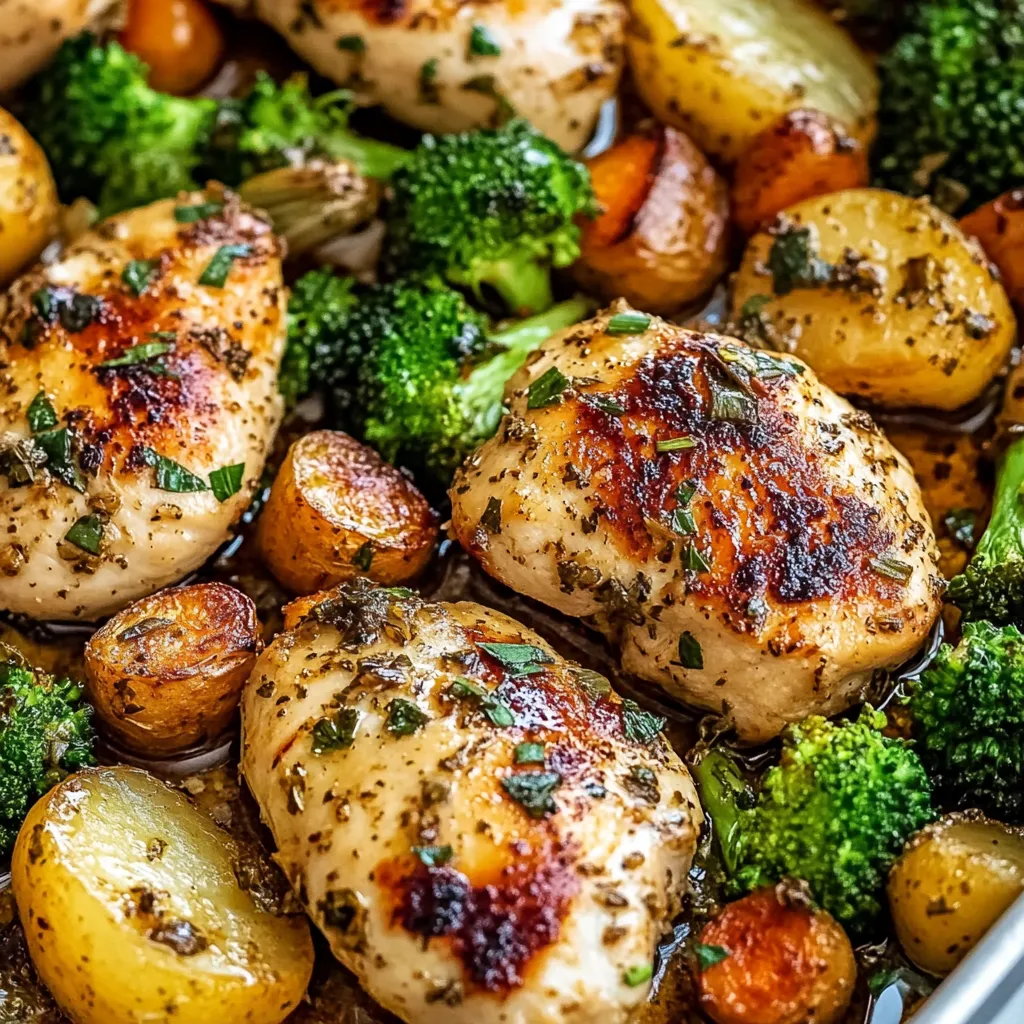
Ingredients for Sheet Pan Garlic Butter Chicken
I always pat my chicken dry before seasoning because moisture prevents proper browning. My go-to is boneless, skinless breasts for their lean protein, though thighs stay moister and more forgiving if you’re newer to roasting chicken. For the potatoes, choose baby potatoes that are roughly the same size so they cook evenly.
The Protein:
- 2 boneless, skinless chicken breasts (or thighs)
- 1 tbsp olive oil
- 1 tsp garlic powder
- 1 tsp paprika
- Salt and pepper to taste
The Vegetables:
- 1 lb baby potatoes, halved
- 1 ½ cups broccoli florets
- 1 bunch asparagus, trimmed
- 1 tbsp olive oil
- Salt and pepper to taste
The Garlic Butter Sauce:
- 4 tbsp butter, melted
- 3 cloves garlic, minced
- 1 tbsp lemon juice
- 1 tsp Italian seasoning
Fresh garlic makes a noticeable difference in the sauce since it’s such a prominent flavor. Mincing it finely helps distribute it evenly throughout. Real butter rather than margarine creates better flavor and helps with browning. The lemon juice adds brightness that cuts through the richness and prevents the dish from feeling heavy.
Italian seasoning typically contains oregano, basil, thyme, and rosemary, which all complement both the chicken and vegetables nicely. If you prefer individual herbs, use whatever combination you like. Choose asparagus spears that are medium thickness since very thin ones can overcook while very thick ones might not cook through in time.
How to Make Sheet Pan Garlic Butter Chicken
The key is staggering the cooking times so the potatoes get a head start, then everything finishes together. I find that this approach ensures perfectly cooked potatoes without overcooking the quicker-cooking vegetables or chicken.
Prepare Your Pan and Chicken: Preheat your oven to 400°F and line a large rimmed baking sheet with parchment paper or aluminum foil. This prevents sticking and makes cleanup simple. Pat the chicken breasts dry with paper towels, which helps them brown properly. Place them on a plate and drizzle with olive oil, then season both sides with garlic powder, paprika, salt, and pepper. Set aside while you prepare the vegetables.
Start the Potatoes: Halve the baby potatoes and spread them out on the prepared baking sheet. Drizzle with olive oil and season with salt and pepper, tossing to coat evenly. Arrange them cut-side down for maximum browning. Roast the potatoes alone for 15 minutes. This head start ensures they become tender and develop those crispy golden edges even though they take longer to cook than the other components.
Make the Garlic Butter Sauce: While the potatoes roast, melt the butter in a small bowl in the microwave or on the stovetop. Stir in the minced garlic, lemon juice, and Italian seasoning. Mix well so the garlic distributes evenly. The sauce will smell fragrant and look slightly cloudy from the lemon juice, which is perfect.
Assemble Everything: After the potatoes have roasted for 15 minutes, remove the pan from the oven. Push the potatoes to the sides to make room in the center for the chicken. Place the seasoned chicken breasts in the cleared space. In a bowl, toss the broccoli florets and trimmed asparagus with about half of the garlic butter sauce until they’re well coated. Arrange the vegetables around the chicken, filling in any empty spaces on the pan. Try to keep everything in a single layer as much as possible for even roasting.
Roast Until Done: Return the pan to the oven and roast for 20-25 minutes until the chicken reaches an internal temperature of 165°F when tested in the thickest part with a meat thermometer. The vegetables should be tender when pierced with a fork, and the potatoes should be golden and crispy at the edges. About 5 minutes before the cooking time is up, drizzle the remaining garlic butter sauce over everything.
Optional Broiling Step: For extra browning and caramelization, switch your oven to broil after the chicken is cooked through. Broil for 2-3 minutes, watching carefully to prevent burning. This creates appealing golden-brown spots on the vegetables and chicken. Remove from the oven and let the chicken rest for 5 minutes before slicing. This allows the juices to redistribute, keeping the meat moist. Serve everything warm with extra lemon wedges on the side.
What to Serve with Sheet Pan Garlic Butter Chicken
This is a fairly complete meal on its own, but a few simple additions round it out nicely.
Crusty Bread: A good baguette or dinner rolls give you something to soak up the garlicky butter that pools on the pan. Warm the bread in the oven for the last few minutes of cooking.
Simple Green Salad: Mixed greens with a light vinaigrette add freshness and crunch that contrasts with the roasted vegetables. The acidity in the dressing balances the richness of the butter.
Rice Pilaf: Fluffy rice cooked with butter and herbs provides an additional starch if you want a heartier meal. It’s especially good for soaking up the garlic butter sauce.
Couscous: Quick-cooking couscous flavored with lemon zest complements the Mediterranean-inspired seasonings and adds another texture to the plate.
Roasted Cherry Tomatoes: If you have extra space on the pan, toss cherry tomatoes with olive oil and add them for the last 10 minutes of roasting. They burst and add pops of sweetness.
Garlic Bread: Take the garlic theme further with toasted garlic bread on the side. It’s perfect for mopping up any sauce left on your plate.
Pro Tips & Variations
Make-Ahead Strategy: Prep all the vegetables and make the garlic butter sauce earlier in the day, storing them separately in the refrigerator. Season the chicken and refrigerate. When ready to cook, let everything come to room temperature for 15 minutes, then assemble and bake as directed.
Time-Saving Shortcut: Use pre-cut broccoli florets and pre-trimmed asparagus from the produce section. Pre-minced garlic from a jar works in a pinch, though fresh tastes better.
Flavor Boost: Add a pinch of red pepper flakes to the garlic butter for subtle heat. Sprinkle freshly grated Parmesan cheese over everything during the last 5 minutes of cooking. Fresh herbs like parsley or thyme scattered over the finished dish add color and freshness.
Presentation Tip: Arrange the vegetables in colorful sections rather than mixing them randomly. This creates visual appeal and makes plating easier. Garnish with lemon slices and fresh herbs right before serving.
Chicken Thigh Version: Boneless, skinless thighs are more forgiving than breasts and stay incredibly moist. They may need an extra 5 minutes of cooking time to reach 165°F.
Different Vegetables: Swap the asparagus and broccoli for Brussels sprouts, green beans, carrots, or bell peppers. Adjust cooking times based on the density of your chosen vegetables.
Spicy Variation: Season the chicken with Cajun seasoning instead of the garlic powder and paprika. Add sliced jalapeños to the vegetables for heat.
Mediterranean Style: Use oregano and thyme instead of Italian seasoning. Add halved cherry tomatoes and sliced red onions to the vegetables. Finish with crumbled feta cheese.
Storage & Reheating Tips
Store leftover chicken and vegetables separately in airtight containers in the refrigerator for up to 4 days. The chicken stays moister when stored separately from the vegetables. Keep any extra garlic butter sauce in a small covered container.
Reheat the chicken in a 350°F oven covered with foil for 10-12 minutes until warmed through. The vegetables can reheat alongside it. You can also reheat in the microwave at 50% power for 2-3 minutes, though the oven maintains better texture. Drizzle with a bit of the reserved garlic butter when reheating to refresh the flavors.
The cooked chicken freezes well for up to 3 months. Let it cool completely, then wrap tightly in plastic wrap followed by aluminum foil. The roasted vegetables don’t freeze as well since they become mushy when thawed, but the chicken maintains good texture. Thaw overnight in the refrigerator before reheating.
Common Questions
Can I use frozen vegetables? Fresh vegetables work best for roasting since they have less moisture and develop better caramelization. If using frozen, thaw and pat them very dry before tossing with the garlic butter to prevent sogginess.
My chicken is done but the potatoes are still hard. What should I do? Remove the chicken to a plate and tent with foil to keep warm. Continue roasting the potatoes until tender. Next time, cut the potatoes slightly smaller or give them a longer head start.
How do I know when the chicken is done? Use an instant-read thermometer inserted into the thickest part of the breast. It should read 165°F. The juices should run clear when pierced, and the meat should no longer be pink inside.
Can I add more vegetables? Yes, but don’t overcrowd the pan or everything will steam instead of roast. Use two pans if needed, rotating them halfway through cooking for even results.
The garlic butter is burning. What happened? The oven temperature was likely too high, or you added the sauce too early. Add most of the sauce during the last 10-15 minutes of cooking to prevent the garlic from burning and turning bitter.
This recipe demonstrates how thoughtful timing and a flavorful sauce can transform basic ingredients into dinner that feels special. The combination of textures and the rich garlic butter make this satisfying without being complicated.
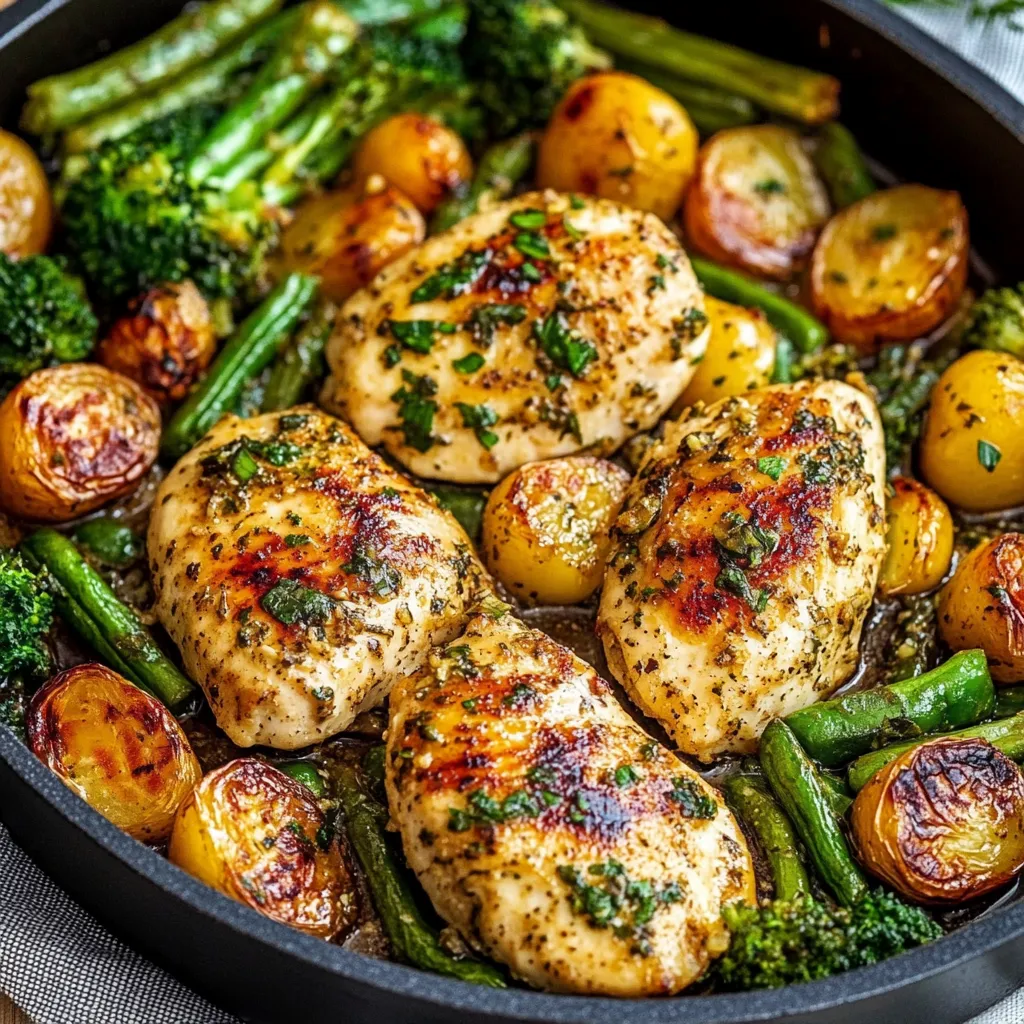
Sheet Pan Garlic Butter Chicken and Veggies
Ingredients
Equipment
Method
- Preheat oven to 400°F and line a large rimmed baking sheet with parchment paper or aluminum foil.
- Pat chicken breasts dry and season both sides with 1 tablespoon olive oil, garlic powder, paprika, salt, and pepper. Set aside.
- Halve baby potatoes and spread on the prepared baking sheet. Drizzle with 1 tablespoon olive oil, season with salt and pepper, and toss to coat. Arrange cut-side down. Roast for 15 minutes.
- While potatoes roast, melt butter in a small bowl. Stir in minced garlic, lemon juice, and Italian seasoning until well combined.
- Remove pan from oven. Push potatoes to the sides and place seasoned chicken in the center. Toss broccoli and asparagus with half the garlic butter sauce and arrange around the chicken.
- Return pan to oven and roast for 20-25 minutes until chicken reaches 165°F internal temperature and vegetables are tender.
- About 5 minutes before cooking is complete, drizzle remaining garlic butter sauce over everything. Optional: broil for 2-3 minutes for extra browning, watching carefully to prevent burning.
- Let chicken rest for 5 minutes before slicing. Serve warm with lemon wedges.