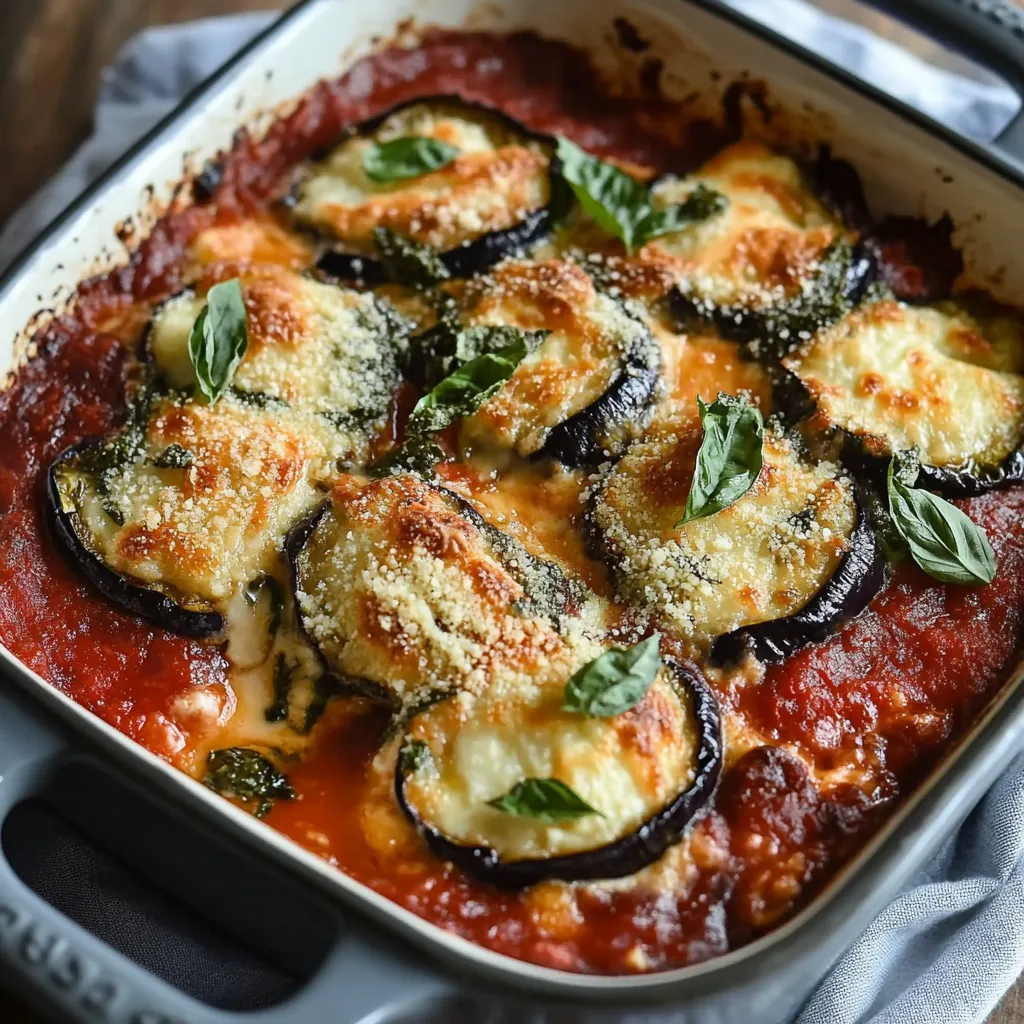
There’s something deeply satisfying about pulling a bubbling, golden casserole from the oven, and this ricotta eggplant casserole delivers that comfort in spades. Tender eggplant layers alternate with creamy ricotta and rich tomato sauce, all topped with melted mozzarella that creates those irresistible golden-brown spots everyone reaches for first.
This vegetarian dinner proves that meatless meals can be just as hearty and satisfying as their meat-based counterparts. The eggplant provides meaty texture and substance while the layers of cheese and sauce create richness that makes this feel indulgent rather than light or lacking.
Why You’ll Love This Ricotta Eggplant Casserole
The generous yield of 8 to 10 servings makes this perfect for feeding a crowd or having excellent leftovers all week. The casserole actually tastes better the next day once the flavors have had time to meld together, which makes it ideal for make-ahead dinner planning or meal prep.
Each layer builds on the last, creating a complete meal in one dish that doesn’t need much else on the plate. The combination of tender eggplant, creamy ricotta filling, tangy tomato sauce, and melted cheese provides all the textures and flavors you want from a satisfying dinner.
I appreciate how this recipe gives you options for cooking the eggplant—pan-frying creates richer flavor with golden edges, while baking keeps things lighter and requires less hands-on attention. Both methods work beautifully, so you can choose based on your preferences and how much time you have.
The vegetarian nature of this casserole makes it appealing for meatless Monday dinners or when you’re cooking for guests with different dietary preferences. Non-vegetarians won’t miss the meat thanks to the substantial eggplant and generous cheese, while vegetarians get a truly satisfying main course rather than just sides.
Budget-conscious cooks will find this economical since eggplant, canned tomatoes, and ricotta cheese cost significantly less than meat while still creating an impressive dinner. The recipe stretches those ingredients across 8 to 10 servings, making the per-portion cost remarkably low.
Ingredients for Ricotta Eggplant Casserole
I choose eggplants that feel heavy for their size with smooth, glossy skin and no soft spots or wrinkles. Larger eggplants work well here since you’re slicing them into rounds—the bigger diameter means fewer pieces to layer and more uniform coverage in your casserole dish.
- 2 large eggplants (about 2 lbs total)
- 1/4 cup olive oil, plus more for drizzling
- 1 large onion, chopped
- 4 cloves garlic, minced
- 1 can (28 oz) crushed tomatoes
- 1 can (15 oz) tomato sauce
- 1 tsp dried oregano
- 1/2 tsp dried basil
- 1/4 tsp red pepper flakes (optional)
- 15 oz ricotta cheese
- 1/2 cup grated Parmesan cheese, plus more for topping
- 1 large egg, lightly beaten
- 1/4 cup chopped fresh parsley
- 8 oz mozzarella cheese, shredded
- Salt and freshly ground black pepper to taste
Fresh eggplant is essential—avoid any that feel spongy or have brown spots, which indicate age. The flesh should be creamy white when you slice it, with just a few small seeds. Giant eggplants sometimes have more seeds and can taste bitter, so aim for large but not enormous.
Whole milk ricotta creates the creamiest filling with the best texture. Part-skim ricotta works but produces a slightly drier result. Avoid fat-free ricotta, which can be grainy and lacks the richness that makes this casserole special.
Quality canned tomatoes make a noticeable difference in the sauce. San Marzano tomatoes have better flavor and less acidity than generic brands, though any good-quality crushed tomatoes work fine. The combination of crushed tomatoes and tomato sauce creates the right consistency—thick enough to layer without being pasty.
Fresh parsley adds brightness to the ricotta mixture. Flat-leaf Italian parsley has more flavor than curly parsley, though either works. The fresh herbs make the filling taste lighter and more vibrant than using dried parsley.
Freshly shredded mozzarella melts more smoothly than pre-shredded, which contains anti-caking agents that can make the texture slightly grainy. A block of low-moisture mozzarella shreds easily and provides that perfect stretchy, melty quality.
How to Make Ricotta Eggplant Casserole
The process involves multiple steps, but none are particularly difficult. Having everything organized before you start makes the assembly smooth and efficient.
1. Prep Eggplant: Trim the ends off the eggplants and slice them into rounds about 1/4 inch thick. Try to keep the slices uniform so they cook evenly. If you have time, salt the eggplant slices generously on both sides and let them sit in a colander for 30 to 60 minutes. This draws out moisture and any potential bitterness. Rinse the salt off thoroughly under cold water and pat the slices completely dry with paper towels. If you’re short on time, you can skip this salting step—modern eggplants are less bitter than older varieties, and the salting is optional rather than essential.
2. Cook Eggplant: You have two methods here. For pan-frying, heat about 2 tablespoons of olive oil in a large skillet over medium-high heat. Working in batches to avoid crowding, fry the eggplant slices for 3 to 4 minutes per side until golden brown and tender. Add more oil between batches as needed. Drain the cooked slices on paper towels to remove excess oil. For baking (the lighter option), preheat your oven to 400°F. Arrange the eggplant slices in a single layer on parchment-lined baking sheets, drizzle with olive oil, and flip to coat both sides. Bake for 20 to 25 minutes, flipping halfway through, until tender and lightly golden.
3. Make Sauce: Heat 2 tablespoons of olive oil in a large saucepan over medium heat. Add the chopped onion and cook for 5 to 7 minutes, stirring occasionally, until soft and translucent. Add the minced garlic and cook for 1 minute until fragrant. Stir in the crushed tomatoes, tomato sauce, dried oregano, dried basil, and red pepper flakes if using. Season with salt and black pepper to taste. Bring to a simmer, then reduce heat to low and let it cook for 15 to 30 minutes, stirring occasionally. The longer simmering time deepens the flavor significantly, so aim for the full 30 minutes if possible.
4. Ricotta Mix: In a medium bowl, combine the ricotta cheese, grated Parmesan, lightly beaten egg, and chopped fresh parsley. Season with salt and black pepper. Mix everything together with a fork or spoon until well combined and smooth. The egg helps bind the ricotta so it holds together when you slice the finished casserole.
5. Assemble: Preheat your oven to 375°F. Grease a 9×13-inch baking dish with olive oil or cooking spray. Spread a thin layer of tomato sauce on the bottom of the dish—about 1 cup. Arrange a layer of eggplant slices over the sauce, overlapping slightly if needed to cover the bottom completely. Spread half of the ricotta mixture over the eggplant layer, using a spoon or offset spatula to distribute it evenly. Sprinkle half of the shredded mozzarella over the ricotta. Spoon about a third of the remaining sauce over the cheese. Repeat the layers: another layer of eggplant, the remaining ricotta mixture, the remaining mozzarella, and more sauce. Finish with a final layer of eggplant slices, cover with the remaining sauce, and top with any extra mozzarella and a generous sprinkle of Parmesan cheese.
6. Bake: Cover the baking dish tightly with aluminum foil. Bake for 30 minutes covered. Remove the foil and continue baking for another 15 to 20 minutes until the cheese on top is bubbly, golden brown, and the edges are slightly crispy. The casserole should be heated through completely with the sauce bubbling around the edges.
7. Rest: Remove from the oven and let the casserole rest for 10 to 15 minutes before slicing. This resting time allows the layers to set so you can cut clean portions rather than having everything slide around. The casserole will still be hot, but the structure will hold together much better.
The most important technique is letting the casserole rest before serving. Cutting into it immediately while everything is molten means you’ll have a soupy mess on the plate rather than distinct layers. That 10 to 15 minutes makes all the difference in presentation.
What to Serve with Ricotta Eggplant Casserole
This casserole is substantial enough to be a complete meal, but certain sides enhance the Italian flavors and round out the plate.
Garlic Bread: Crusty Italian bread sliced thick, brushed with garlic butter, and toasted until golden provides the perfect vehicle for soaking up extra sauce. The crunchy exterior and soft interior complement the tender casserole beautifully.
Caesar Salad: Classic Caesar salad with crisp romaine, Parmesan, croutons, and creamy dressing adds freshness and crunch. The tangy dressing cuts through the richness of the cheese-laden casserole.
Simple Green Salad: Mixed greens with a light balsamic vinaigrette offer a palate-cleansing contrast. The acidity in the vinaigrette balances the creamy ricotta and melted mozzarella.
Roasted Vegetables: A medley of roasted zucchini, bell peppers, and cherry tomatoes seasoned with Italian herbs brings more vegetables to the meal while staying within the Italian flavor profile.
Caprese Salad: Fresh mozzarella, ripe tomatoes, and basil with good olive oil and balsamic reduction make an elegant side that celebrates Italian simplicity.
Sautéed Spinach: Garlic sautéed spinach with a squeeze of lemon adds a simple green vegetable that cooks in minutes. The slight bitterness balances the sweet tomato sauce.
Antipasto Platter: Olives, marinated artichokes, roasted peppers, and Italian meats create an appetizer spread that sets the tone for an Italian feast.
Pro Tips & Variations
Simmer the tomato sauce for the full 30 minutes rather than rushing with just 15 minutes. The extended cooking time concentrates the flavors, reduces acidity, and creates a deeper, more complex sauce that makes the entire casserole taste better.
Pat the cooked eggplant slices very dry before layering, especially if you pan-fried them. Excess oil or moisture creates a greasy casserole with sauce that won’t cling to the layers properly.
Let the assembled casserole sit for 10 to 15 minutes before baking if you have time. This allows the layers to settle together and makes slicing easier after baking.
Meat Addition: Brown 1 pound of ground beef or Italian sausage and add it to the tomato sauce for a heartier, non-vegetarian version. The meat transforms this into a more substantial meal that appeals to dedicated carnivores.
Extra Vegetables: Layer in sliced zucchini, mushrooms, or roasted red peppers along with the eggplant for more vegetable variety. These additions increase nutrition and add different flavors and textures.
Vegan Adaptation: Use vegan ricotta, mozzarella, and Parmesan substitutes, and skip the egg or replace it with a flax egg. The result won’t be quite as creamy but still makes a satisfying vegan casserole.
Pesto Swirl: Dot spoonfuls of basil pesto between the layers for extra flavor dimension. The bright, herby pesto adds complexity without overwhelming the classic flavors.
Make-Ahead: Assemble the entire casserole up to 24 hours ahead, cover tightly, and refrigerate. When ready to serve, add 10 to 15 extra minutes to the covered baking time since you’re starting with a cold dish.
Individual Portions: Use individual baking dishes or ramekins to create personal-sized casseroles. These work beautifully for dinner parties and allow guests to have their own perfectly portioned servings.
Storage & Reheating Tips
Store leftovers covered tightly in the refrigerator for up to 5 days. The casserole actually improves with age as the flavors continue to meld, making day-two and day-three portions especially delicious.
Reheat individual portions in the microwave for 2 to 3 minutes until heated through, or reheat the entire casserole covered with foil in a 350°F oven for 25 to 30 minutes. Add a splash of water or extra sauce if it seems dry.
This casserole freezes exceptionally well for up to 3 months. Wrap tightly in plastic wrap and then aluminum foil, or freeze in portions in airtight containers. Thaw overnight in the refrigerator before reheating. Bake from frozen by adding 30 to 40 minutes to the baking time, keeping it covered for most of the cooking.
For meal prep, bake the full casserole, let it cool completely, then slice into portions and freeze individually. These single servings thaw and reheat quickly for grab-and-go dinners or lunches.
The texture holds up remarkably well through freezing and reheating, unlike many casseroles that become watery or separate. The eggplant stays tender, the cheese remains creamy, and the sauce doesn’t break.
Common Questions
Do I have to salt the eggplant first? No, salting is optional with modern eggplants, which are bred to be less bitter. Salting does remove excess moisture and helps prevent soggy casserole, but if you’re short on time, you can skip it without ruining the dish.
Can I use different cheese? Absolutely. Cottage cheese can replace ricotta for a lighter option, though the texture will be slightly different. Provolone or fontina work instead of mozzarella for different flavor profiles.
What if my casserole is watery? This usually happens from not draining the eggplant properly or using sauce that’s too thin. Make sure cooked eggplant is well-drained, and simmer your sauce until it’s thick enough to coat a spoon without running off immediately.
Can I make this gluten-free? This recipe is naturally gluten-free as written. Just verify that any processed ingredients like sauce don’t contain hidden gluten, and you’re good to go.
How do I know when it’s done baking? The cheese on top should be melted, bubbly, and developing golden-brown spots. The sauce should be bubbling around the edges, and when you insert a knife in the center, it should come out hot.
This ricotta eggplant casserole shows that vegetarian dinners can be just as hearty, satisfying, and crowd-pleasing as any meat-based meal. The layers of tender eggplant, creamy ricotta, rich tomato sauce, and melted cheese create comfort food that happens to be meatless rather than feeling like a compromise. Give this a try for your next family dinner or when entertaining guests—the impressive presentation and delicious flavors make it a true showstopper.
Ricotta Eggplant Casserole
Ingredients
Equipment
Method
- Slice eggplants into 1/4-inch thick rounds. Optional: salt slices generously, let sit in a colander for 30 to 60 minutes, rinse thoroughly, and pat completely dry with paper towels.
- Cook eggplant using your preferred method. Pan-fry: Heat 2 tablespoons olive oil in a large skillet over medium-high heat. Fry slices in batches for 3 to 4 minutes per side until golden and tender. Drain on paper towels. OR Bake: Preheat oven to 400°F. Arrange slices on parchment-lined baking sheets, drizzle with oil, and bake for 20 to 25 minutes, flipping halfway, until tender and lightly golden.
- Make sauce: Heat 2 tablespoons olive oil in a large saucepan over medium heat. Cook chopped onion for 5 to 7 minutes until soft. Add minced garlic and cook for 1 minute. Stir in crushed tomatoes, tomato sauce, oregano, basil, and red pepper flakes. Season with salt and pepper. Simmer for 15 to 30 minutes, stirring occasionally.
- Make ricotta mixture: Combine ricotta cheese, Parmesan, beaten egg, and chopped parsley in a medium bowl. Season with salt and pepper and mix until well combined.
- Assemble casserole: Preheat oven to 375°F. Grease a 9×13-inch baking dish. Spread 1 cup of sauce on the bottom. Layer eggplant slices, half the ricotta mixture, half the mozzarella, and a third of remaining sauce. Repeat layers. Finish with final layer of eggplant, remaining sauce, and extra mozzarella and Parmesan.
- Cover tightly with aluminum foil and bake for 30 minutes. Remove foil and bake for another 15 to 20 minutes until cheese is bubbly, golden brown, and sauce is bubbling around edges.
- Let casserole rest for 10 to 15 minutes before slicing to allow layers to set.