Traditional beef liver and onions is one of those classic dishes that divides people into two camps—those who grew up loving it and those who think they don’t like liver because they’ve only had it overcooked. This High Protein Beef Liver and Onions recipe is here to convert the skeptics and satisfy the longtime fans. When prepared properly with the milk-soaking technique and careful cooking, beef liver becomes tender, mild, and incredibly flavorful, especially when paired with sweet caramelized onions.
What makes this recipe particularly valuable is the nutritional powerhouse you’re getting on your plate. Beef liver is one of the most nutrient-dense foods available, loaded with iron, vitamin A, B vitamins, and high-quality protein. A single serving provides more nutrients than most people get in an entire day of eating. This is real food that nourishes deeply, and when cooked right, it tastes amazing too. The entire dish comes together in just 30 minutes, making it surprisingly practical for a weeknight dinner.
Why You’ll Love This High Protein Beef Liver and Onions
The protein content here is exceptional. Beef liver delivers complete protein with all essential amino acids your body needs, and it’s remarkably lean. I appreciate recipes that pack serious nutrition without requiring complicated preparations or exotic ingredients. This is straightforward cooking that produces impressive nutritional results.
The milk-soaking technique is the game-changer that transforms liver from something potentially bitter and metallic into tender, mild meat. This traditional method draws out the strong flavors that turn people off while maintaining all the nutritional benefits. I never skip this step because the difference is immediately noticeable in both taste and texture.
Caramelized onions provide the perfect complement to liver’s rich, mineral flavor. The sweetness that develops during slow cooking balances the earthiness of the liver beautifully. That combination of savory and sweet creates depth that makes this dish more complex and interesting than you’d expect from such simple ingredients.
Speed is another major advantage. From start to finish, you’re looking at 30 minutes total, with most of that being passive soaking time. The actual hands-on cooking is quick—sauté onions, dredge and sear liver, combine and serve. For such a nutrient-dense, satisfying dinner, that’s remarkably efficient.
Ingredients for High Protein Beef Liver and Onions
Quality matters significantly with liver. I look for fresh beef liver that’s deep reddish-brown in color without any gray or off-colored areas. The surface should be smooth and moist, not dry or slimy. Many butchers will slice it for you upon request, which saves time at home.
- 1 lb beef liver, sliced into thin strips
- 2 large yellow onions, thinly sliced
- 1 cup milk (for soaking)
- 1/2 cup all-purpose flour
- 2 tbsp butter
- 2 tbsp vegetable oil
- 1 tsp salt
- 1/2 tsp black pepper
- 1/2 tsp garlic powder
Milk for soaking is essential, not optional. The lactic acid in milk helps neutralize the strong flavors while the liquid itself draws out blood and impurities. Whole milk works best, though any milk including non-dairy alternatives can be used in a pinch. Some cooks prefer buttermilk for even more tenderizing action.
Yellow onions caramelize beautifully and develop rich sweetness during cooking. I slice them thinly so they cook evenly and quickly. Sweet onions like Vidalia work wonderfully too if you want even more pronounced sweetness to balance the liver.
The flour coating serves multiple purposes—it creates a light crust that adds texture, helps the liver brown properly, and thickens any pan juices slightly to create a light sauce. All-purpose flour is standard, though gluten-free blends work equally well for those avoiding gluten.
Butter and oil used together give you the best of both worlds. Butter provides rich flavor while oil raises the smoke point so you can achieve proper searing heat without burning. This combination creates that golden-brown crust we’re after.
How to Make High Protein Beef Liver and Onions
Success with liver comes down to two critical factors: proper preparation to remove bitterness and careful cooking to maintain tenderness. Overcooking is the number one mistake people make, resulting in tough, rubbery liver that’s unpleasant to eat.
Prepare the Liver
Place your liver slices in a bowl and cover completely with milk. Make sure every piece is submerged—this is where the magic happens. Let it soak for at least 15 minutes, though 30 minutes is even better if you have the time. The milk will turn slightly pink as it draws out blood and impurities. This soaking step is what separates tender, mild liver from the strong, bitter version many people remember from childhood.
While the liver soaks, prep your onions by slicing them into thin half-moons. Consistent thickness ensures even cooking and caramelization.
Caramelize the Onions
Heat 1 tablespoon each of butter and oil in a large skillet over medium heat. Once the butter melts and stops foaming, add your sliced onions. Spread them out in an even layer and let them cook without stirring for the first 2 to 3 minutes—this allows them to develop color on the bottom.
Stir and continue cooking, stirring occasionally, for about 10 minutes total. The onions will soften, release moisture, and gradually turn golden brown as their natural sugars caramelize. They should be tender and sweet with deep golden color. If they start browning too quickly, reduce the heat slightly. Transfer the finished onions to a plate and set aside.
Dredge and Sear the Liver
In a shallow dish, combine the flour, salt, black pepper, and garlic powder. Mix well so the seasonings distribute evenly throughout the flour. Drain the milk from the liver slices and pat each piece thoroughly dry with paper towels. This step is crucial—wet liver won’t brown properly and will steam instead of sear.
Dredge each liver slice in the seasoned flour, coating both sides and shaking off any excess. You want a light, even coating, not a thick layer of flour. Set the dredged pieces on a plate while you prepare the pan.
Add the remaining tablespoon each of butter and oil to the same skillet you used for the onions. Increase the heat to medium-high and let the pan get hot. The butter should sizzle when you add the liver—if it doesn’t, the pan isn’t hot enough yet.
Working in batches if necessary to avoid crowding, add the liver slices in a single layer. Cook for 2 to 3 minutes on the first side without moving them—this develops that golden-brown crust. Flip and cook for another 2 to 3 minutes on the second side. The liver should be browned on the outside but still slightly pink in the center. Overcooking makes liver tough and dry, so err on the side of less time rather than more.
Combine and Serve
Once all the liver is cooked, return the caramelized onions to the skillet. Toss gently for about 1 minute, just long enough to heat the onions through and let everything meld together. The onions will pick up any flavorful browned bits from the pan, creating a light sauce that coats the liver.
Serve immediately while hot. Liver is best enjoyed fresh from the pan when it’s at peak tenderness and flavor.
What to Serve with High Protein Beef Liver and Onions
The rich, mineral flavor of liver pairs beautifully with creamy, mild sides that don’t compete for attention. Traditional accompaniments work best here.
Creamy Mashed Potatoes: This is the classic pairing. Buttery, smooth mashed potatoes provide a neutral, comforting base that balances the liver’s intensity. The creamy texture contrasts nicely with the tender meat.
Steamed Green Peas: Simple steamed peas add a pop of color and light sweetness. They’re traditional for a reason—the mild flavor and soft texture work perfectly alongside liver and onions.
Crispy Bacon: A few strips of bacon on the side add smoky, salty richness that complements the liver beautifully. The crispy texture provides contrast too.
Roasted Carrots: Carrots roasted with a touch of honey develop natural sweetness that balances the earthy liver. The slight caramelization on the carrots echoes the caramelized onions.
Buttered Egg Noodles: Wide egg noodles tossed with butter and parsley make a simple, satisfying side. They soak up any pan juices and add comforting carbs.
Sautéed Spinach: Quick-cooked spinach with garlic adds iron on top of iron and provides a slightly bitter green element that cuts through the richness. A squeeze of lemon brightens everything.
Fresh Bread: Crusty bread or soft dinner rolls are perfect for soaking up the flavorful pan juices and caramelized onion bits. Sometimes the simplest sides are the best.
Pro Tips & Variations
Slice Liver While Slightly Frozen: If your liver comes in a larger piece, pop it in the freezer for 20 to 30 minutes before slicing. The firmer texture makes it much easier to cut into thin, uniform strips that cook evenly.
Don’t Overcook: This cannot be emphasized enough. Liver should be cooked to medium at most—still slightly pink in the center. The moment it’s cooked through completely, it begins turning tough. Pull it from the heat when it’s just done, and carryover heat will finish the job.
Add Bacon to the Onions: Cook a few strips of bacon first, remove them, and use the bacon fat to caramelize your onions. The smoky flavor infuses the onions and adds another layer of deliciousness. Crumble the bacon over the finished dish.
Make It Gluten-Free: Replace all-purpose flour with almond flour, coconut flour, or a gluten-free flour blend for dredging. The technique remains exactly the same.
Try Different Seasonings: Fresh thyme added to the onions while they cook brings herbal notes. A splash of balsamic vinegar near the end of cooking the onions adds tangy depth. Smoked paprika in the flour mixture creates a subtle smoky element.
Add Mushrooms: Sliced mushrooms sautéed along with the onions add earthy flavor and meaty texture. Use a mix of varieties for more complex taste.
Finish with Fresh Herbs: Chopped fresh parsley sprinkled over the finished dish adds color and freshness. Chives work beautifully too.
Storage & Reheating Tips
Liver is definitely best enjoyed fresh, but leftovers can be stored in an airtight container in the refrigerator for up to 2 days. The texture changes slightly upon reheating, becoming a bit firmer, but it’s still quite good.
Reheat gently to prevent the liver from becoming tough. Place it in a skillet over medium-low heat with a splash of chicken broth or water to add moisture. Cover and heat for 3 to 4 minutes, just until warmed through. Don’t overheat or cook it longer than necessary.
Microwave reheating is quicker but less ideal for texture. Use 50% power and heat in 30-second intervals, checking frequently. Add a tablespoon of broth before microwaving to maintain moisture.
Freezing is not recommended for cooked liver. The texture becomes grainy and unpleasant after thawing. If you have extra raw liver, you can freeze that for up to 3 months. Thaw overnight in the refrigerator before using.
Common Questions
Why does my liver taste bitter? Skipping the milk soak is usually the culprit. The milk draws out blood and compounds that cause bitterness. Also, make sure you’re buying fresh, high-quality liver from a reputable source. Older liver develops stronger, less pleasant flavors.
How do I know when liver is done? Liver should reach an internal temperature of 160°F, but it’s better to judge by appearance and feel. It should be browned on the outside and slightly pink in the center when you cut into it. Press it gently—it should feel slightly firm but still have some give, not hard.
Can I use chicken liver instead? Chicken liver works with this same technique but cooks much faster—about 1 minute per side since the pieces are smaller. The flavor is milder than beef liver. Adjust cooking time accordingly to prevent overcooking.
What if I don’t have milk? Water with a tablespoon of lemon juice or vinegar works in a pinch, though milk is more effective. The acid helps tenderize while the liquid draws out impurities. Non-dairy milk alternatives work well too.
How thin should the liver slices be? Aim for about 1/4 inch thick. Thinner than that and they cook too quickly and can dry out. Thicker and they won’t cook evenly in the short time needed to keep them tender. Uniform thickness is more important than a specific measurement.
This High Protein Beef Liver and Onions recipe brings traditional cooking techniques together with modern understanding of nutrition to create a meal that’s both deeply nourishing and genuinely delicious. Give it a try with an open mind—you might discover that liver, when prepared properly, is something you actually enjoy.
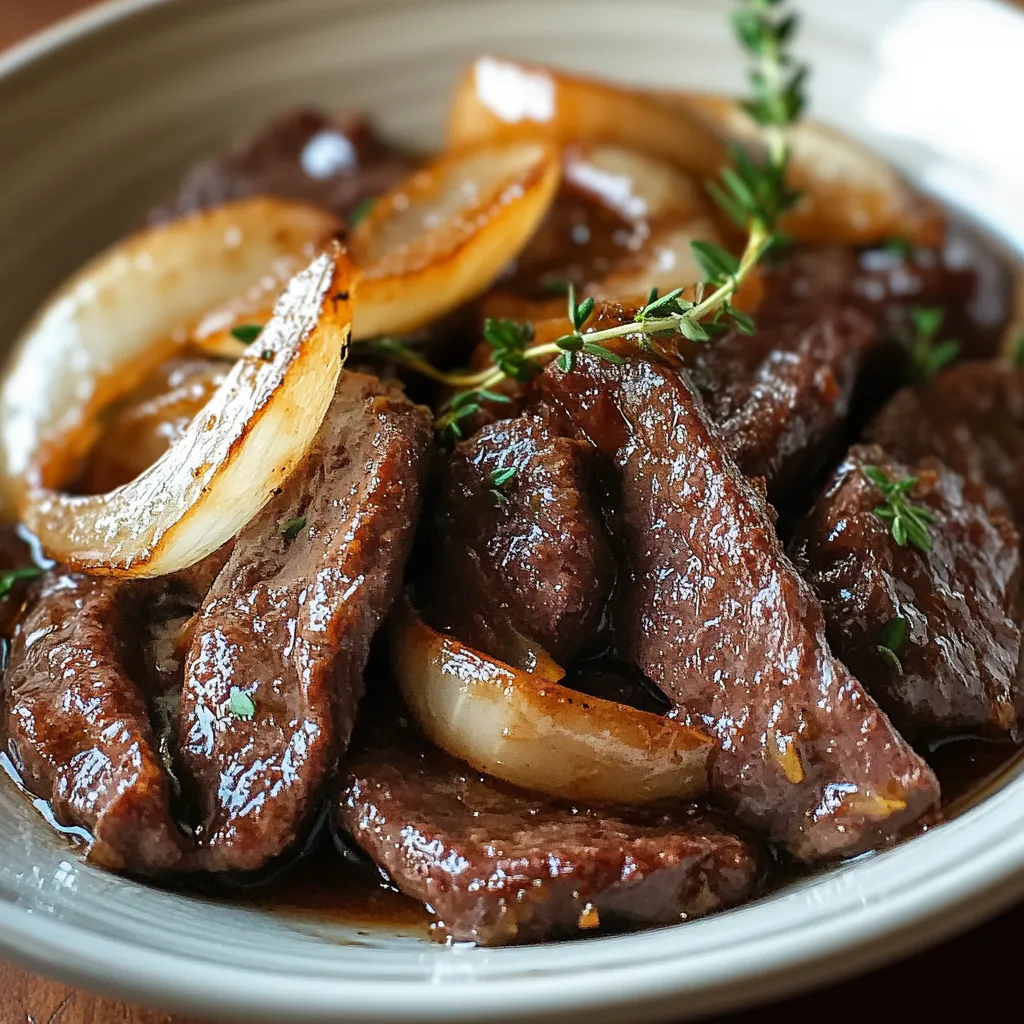
High Protein Beef Liver and Onions
Ingredients
Equipment
Method
- Place liver slices in a bowl and cover completely with milk. Let soak for 15-30 minutes. This removes bitter, metallic taste and tenderizes the liver.
- While liver soaks, heat 1 tablespoon butter and 1 tablespoon oil in a large skillet over medium heat. Add sliced onions and sauté until soft, caramelized, and golden brown, about 10 minutes. Remove onions and set aside.
- In a shallow dish, mix flour, salt, pepper, and garlic powder. Drain milk from liver and pat slices completely dry with paper towels.
- Dredge each liver slice in flour mixture, shaking off excess.
- In the same skillet, add remaining butter and oil. Increase heat to medium-high. Add liver slices in a single layer, working in batches if necessary. Cook 2-3 minutes per side until browned. Do not overcook or liver will become tough.
- Add caramelized onions back to skillet with liver. Toss gently for 1 minute to heat through and combine flavors.
- Serve immediately while hot.