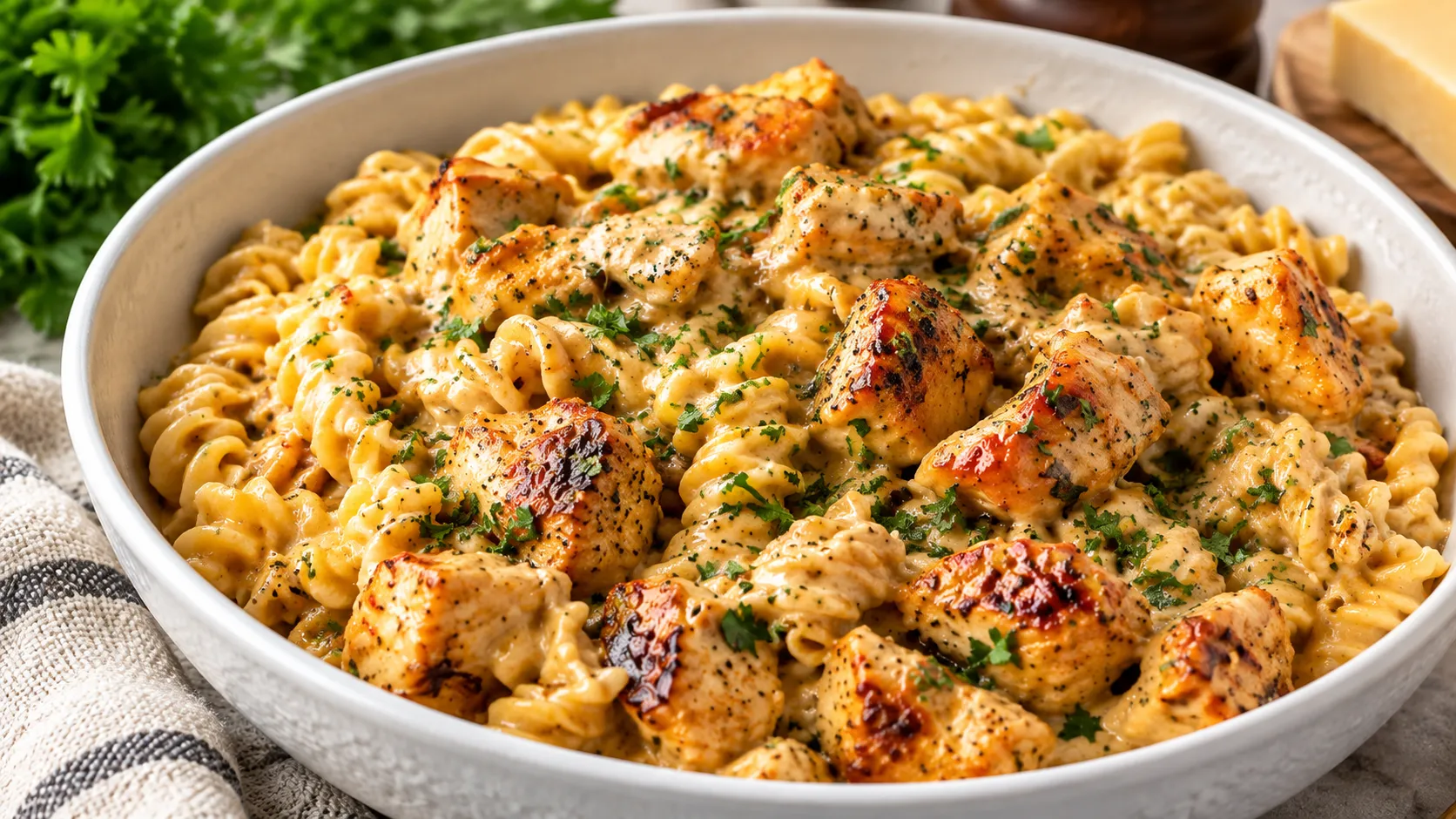
There’s a reason French onion soup has been a comfort food favorite for generations, and this french onion pasta dinner recipe takes all those deep, savory flavors and turns them into a one-pot meal that actually feeds a crowd. The caramelized onions create a rich base that transforms into a creamy sauce coating every piece of pasta.
This dinner skips the individual crocks and broiler step while keeping everything you love about French onion soup. You get the sweet caramelized onions, the beefy broth, the melted Gruyere cheese, all clinging to pasta instead of soaking into bread. It’s substantial enough to serve as a complete meal, and using one pot means you’re not juggling multiple dishes while trying to get dinner on the table.
The technique requires some patience for caramelizing the onions properly, but once that step is done, everything else comes together quickly. This works beautifully for family dinners, potlucks, or any night when you want something that feels special but doesn’t require advanced cooking skills or a long ingredient list.
Why You’ll Love This French Onion Pasta
The one-pot method means you’re building flavor at every step without creating a sink full of dishes. The caramelized onions develop in the same pot where you’ll cook the pasta, and those browned bits on the bottom add depth to the final sauce.
Caramelizing onions properly creates natural sweetness that balances the savory beef broth and sharp Gruyere. This process takes time, but it’s mostly hands-off stirring, and you can’t rush it. The difference between properly caramelized onions and rushed ones is the difference between good and great in this recipe.
The pasta cooks directly in the broth, absorbing flavor as it softens instead of boiling in plain water. This technique concentrates the taste and creates a naturally creamy sauce without needing heavy cream or excessive cheese.
Gruyere cheese melts smoothly and provides that nutty, slightly sweet flavor essential to French onion dishes. Combined with Parmesan, you get a sauce that coats the pasta with just the right richness. Fresh shredded cheese melts better than pre-shredded varieties, which often contain anti-caking agents that affect texture.
This recipe scales well and keeps beautifully, making it practical for meal prep. The flavors actually improve after a day in the refrigerator as everything melds together. Leftovers reheat without becoming dry or separated, which isn’t always the case with creamy pasta dishes.
The combination of ingredients you probably already have in your pantry creates restaurant-quality results. Evaporated milk provides creaminess without the heaviness of cream, and beef bouillon gives concentrated flavor without requiring homemade stock.
Ingredients for French Onion Pasta
I use a mandoline to slice the onions uniformly at 1/8-inch thickness. Consistent slices caramelize evenly, preventing some pieces from burning while others stay raw. If you don’t have a mandoline, take your time with a sharp knife and aim for similar thickness throughout.
For the Onions:
- 3 tablespoons olive oil
- 2 tablespoons unsalted butter
- 3 large yellow onions, sliced into rings 1/8-inch thick
- 1/8 teaspoon salt
- 1/8 teaspoon pepper
For the Sauce:
- 4 garlic cloves, minced
- Pinch to 1/4 teaspoon red pepper flakes
- 1 tablespoon Worcestershire sauce
- 1 tablespoon reduced sodium soy sauce
- 5 1/2 cups water (or substitute beef broth and omit bouillon)
- 1 (12 oz.) can evaporated milk
- 1/2 tablespoon cornstarch
- 2 tablespoons beef bouillon (granulated, base, or cubes)
- 1 tablespoon fresh parsley, minced (or 1 teaspoon dried)
- 2 teaspoons fresh thyme, minced (or 3/4 teaspoon dried)
- 1/2 teaspoon dried oregano
- 1/2 teaspoon paprika
- 1/2 teaspoon pepper
Add Last:
- 1 pound short cut pasta, uncooked (orecchiette recommended)
- 5 oz. freshly shredded Gruyere cheese
- 1/4 cup freshly shredded Parmesan cheese
- Fresh parsley for garnish (optional)
Yellow onions work best for caramelizing because they contain the right balance of sugars and sulfur compounds. Sweet onions caramelize too quickly and can become mushy, while red onions don’t develop the same depth.
The combination of butter and olive oil prevents burning during the long caramelization process. Butter alone would scorch, but olive oil alone doesn’t provide the same richness. Using both gives you the best of each.
Evaporated milk creates creaminess without the risk of curdling that regular milk or cream can have when combined with acidic ingredients like Worcestershire sauce. The cornstarch mixed into it helps thicken the sauce as the pasta cooks.
Orecchiette pasta, those little ear-shaped pieces, catch the sauce and caramelized onions perfectly in their cups. Medium shells, radiatori, or fusilli work well too. Avoid long pasta like spaghetti or fettuccine, which don’t distribute the onions and sauce as evenly.
Fresh Gruyere melts smoothly and provides authentic French onion flavor. Pre-shredded cheese contains cellulose that prevents clumping but also affects how it melts. Buy a block and shred it yourself for the creamiest results.
How to Make French Onion Pasta
Caramelizing onions properly makes this dish work, so resist the urge to increase the heat or skip the stirring. Low and slow wins here, even though it takes patience.
1. Start the onions: Melt the butter in the olive oil in a large 7-quart Dutch oven over medium heat. Add the sliced onions, salt, and pepper. Stir to coat everything in the fat. The onions will seem like too much at first, but they’ll reduce significantly as they cook.
2. Caramelize the onions: Cook for 30-35 minutes, stirring every 5-7 minutes to prevent sticking and ensure even browning. The onions should turn deep golden brown and reduce to about one-third of their original volume. If they start to scorch or stick excessively, reduce the heat slightly and add a touch more butter or oil. You want deep caramelization, not burnt edges.
3. Add aromatics: Once the onions reach that dark golden color, add the minced garlic, red pepper flakes, Worcestershire sauce, and soy sauce. Stir constantly for 30 seconds until fragrant. The garlic should just soften without browning.
4. Build the sauce base: Add the water and half of the evaporated milk to the pot. In a small bowl, whisk the cornstarch with the remaining evaporated milk until smooth with no lumps, then add it to the pot. Increase the heat to high and stir in the beef bouillon, parsley, thyme, oregano, paprika, and pepper. Stir until the bouillon dissolves completely.
5. Cook the pasta: Bring the liquid to a rolling boil. Once you see vigorous bubbling throughout, add the uncooked pasta. Reduce the heat to medium-high to maintain a strong simmer. Cook uncovered for 20-25 minutes, stirring frequently and pushing the pasta into an even layer so all pieces stay submerged. The pasta should reach al dente with some excess liquid remaining in the pot. If the liquid evaporates before the pasta finishes cooking, add water 1/2 cup at a time.
6. Add the cheese: Remove the pot from the heat. Add the Gruyere cheese one handful at a time, stirring until each addition melts completely before adding more. Follow with the Parmesan, stirring until smooth. The residual heat will melt the cheese without making it grainy or separated.
7. Adjust and serve: Taste and add salt and pepper if needed. The bouillon and cheeses add considerable salt, so you may not need any. If you prefer more sauce, stir in additional water or milk a few tablespoons at a time. Garnish with fresh parsley and serve immediately.
The key technical point is maintaining enough liquid during pasta cooking. The starch released from the pasta combines with the remaining liquid and cheese to create the sauce, so you need that excess at the end. Too little liquid results in dry pasta, while too much makes it soupy.
What to Serve with French Onion Pasta
This pasta is rich and filling, so lighter sides balance the meal well.
Simple Green Salad: Crisp romaine or mixed greens with a light vinaigrette cuts through the richness of the cheese and onions. Add cherry tomatoes and cucumber for extra freshness.
Roasted Green Beans: Quick-roasted green beans with garlic and lemon provide a bright, slightly acidic contrast. The crisp-tender texture complements the soft pasta and onions.
Garlic Bread: Toasted baguette slices rubbed with garlic butter play into the French theme and give you something to soak up extra sauce. Keep it simple rather than making it too heavy.
Steamed Broccoli: Lightly steamed broccoli with a squeeze of lemon adds color and nutrients without competing with the pasta’s flavor profile.
Roasted Brussels Sprouts: Halved and roasted until crispy, Brussels sprouts bring a slightly bitter element that balances the sweet caramelized onions nicely.
Arugula Salad with Lemon: Peppery arugula dressed simply with lemon juice and olive oil adds a sharp, fresh note that cleanses your palate between bites.
Sautéed Mushrooms: If you want to add more to the meal, mushrooms sautéed in butter with thyme echo the French onion soup theme without overwhelming it.
Pro Tips & Variations
Use a large enough pot. A 6-8 quart Dutch oven gives you the room needed to stir the pasta without it spilling over. A smaller pot will overflow when you add the pasta to the boiling liquid.
Slice onions uniformly. Consistent thickness ensures even caramelization. A mandoline makes this quick and precise, but a sharp knife works if you focus on keeping slices similar.
Don’t rush the onions. Thirty minutes minimum for proper caramelization. Trying to speed this up by increasing heat produces bitter, burnt onions instead of sweet, golden ones.
Stir the pasta frequently. One-pot pasta requires attention to prevent sticking and burning on the bottom. Stir every 3-4 minutes and scrape any pasta trying to stick to the pot bottom.
Fresh cheese matters. Block Gruyere and Parmesan shredded just before use melt smoother than pre-shredded versions. The texture difference is noticeable in the final sauce.
Make it vegetarian. Swap the water and beef bouillon for vegetable broth. The caramelized onions still provide depth, though the flavor profile shifts slightly toward sweeter rather than savory.
Add protein. Cooked ground beef, Italian sausage, or rotisserie chicken stirred in at the end makes this even heartier. Brown the meat before starting the onions if using raw ground meat.
Try different pasta shapes. Radiatori, medium shells, rotini, or fusilli all work well. Avoid delicate shapes like angel hair or large shapes like rigatoni.
Boost the vegetables. Sautéed mushrooms added with the garlic enhance the earthy flavor. Baby spinach stirred in at the end adds color and nutrition.
Storage & Reheating Tips
Store leftovers in an airtight container in the refrigerator for up to 5 days. The pasta absorbs more liquid as it sits, so the texture becomes denser but still delicious.
For reheating small portions, microwave for one minute, stir, then continue heating in 30-second intervals until hot throughout. Larger portions reheat better on the stovetop over medium-low heat. Add a splash of water or milk to loosen the sauce if it seems too thick after refrigeration.
You can prep ahead by slicing the onions and storing them in the refrigerator for up to two days. For even more advance work, caramelize the onions completely, then add everything except the pasta and cheese. Cool and refrigerate this base, then finish the dish when you’re ready to serve by bringing it to a boil and proceeding from the pasta step.
The pasta doesn’t freeze particularly well because of the cheese sauce, which can separate when thawed. If you need to freeze it, undercook the pasta slightly and freeze without the cheese. Thaw, reheat with additional liquid, then stir in fresh cheese.
Common Questions
Can I use pre-caramelized onions from a jar? They’ll work in a pinch, but freshly caramelized onions taste noticeably better. Jarred versions often contain preservatives and lack the depth of flavor you get from doing it yourself.
What if I don’t have Gruyere? Swiss cheese makes a decent substitute since it’s similar in melting quality. White cheddar works but changes the flavor profile. Avoid mozzarella, which makes the dish stringy rather than creamy.
Can I use beef broth instead of water and bouillon? Yes, use 5 1/2 cups of beef broth and skip the bouillon entirely. This simplifies the ingredient list, though bouillon tends to provide more concentrated flavor.
Why is my pasta dry after cooking? The pasta likely absorbed too much liquid during cooking. Next time, add more water if needed before the pasta reaches al dente, ensuring excess liquid remains for the sauce.
Can I double this recipe? Doubling works, but you’ll need a very large pot (at least 12 quarts) to accommodate everything. You may need to caramelize the onions in batches unless you have a wide enough surface area.
This french onion pasta dinner recipe proves that classic flavor combinations translate beautifully to different formats. The familiar comfort of French onion soup becomes a practical weeknight dinner that satisfies without requiring individual servings or broiler time. Once you nail the onion caramelization, everything else falls into place easily.

One Pot French Onion Pasta Dinner Recipe
Ingredients
Equipment
Method
- Melt butter in olive oil in a large 7-quart Dutch oven over medium heat. Add the sliced onions, 1/8 teaspoon salt, and 1/8 teaspoon pepper. Stir to coat in the fat.
- Cook the onions, stirring occasionally every 5-7 minutes, until caramelized and dark golden brown, about 30-35 minutes. If onions start to scorch, reduce heat slightly and add additional butter or olive oil.
- Once onions are caramelized, add the minced garlic, red pepper flakes, Worcestershire sauce, and soy sauce. Cook, stirring constantly, for 30 seconds until fragrant.
- Add the water and half of the evaporated milk to the pot. In a small bowl, whisk the cornstarch with the remaining evaporated milk until smooth, then add to the pot. Increase heat to high.
- Stir in the beef bouillon, parsley, thyme, oregano, paprika, and pepper. Stir until bouillon dissolves and mixture comes to a rolling boil.
- Add the uncooked pasta and reduce heat to medium-high to maintain a strong simmer. Cook uncovered for 20-25 minutes, stirring frequently and pushing pasta into an even layer so it stays submerged. The pasta should reach al dente with excess liquid remaining. Add water 1/2 cup at a time if liquid evaporates before pasta is done.
- Remove pot from heat. Add Gruyere cheese one handful at a time, stirring until each addition melts completely before adding more. Follow with Parmesan, stirring until smooth.
- Taste and season with additional salt and pepper if desired. For a saucier consistency, stir in additional water or milk a few tablespoons at a time. Garnish with fresh parsley if desired and serve immediately.