Unlocking the Secrets: The Science of Smothering
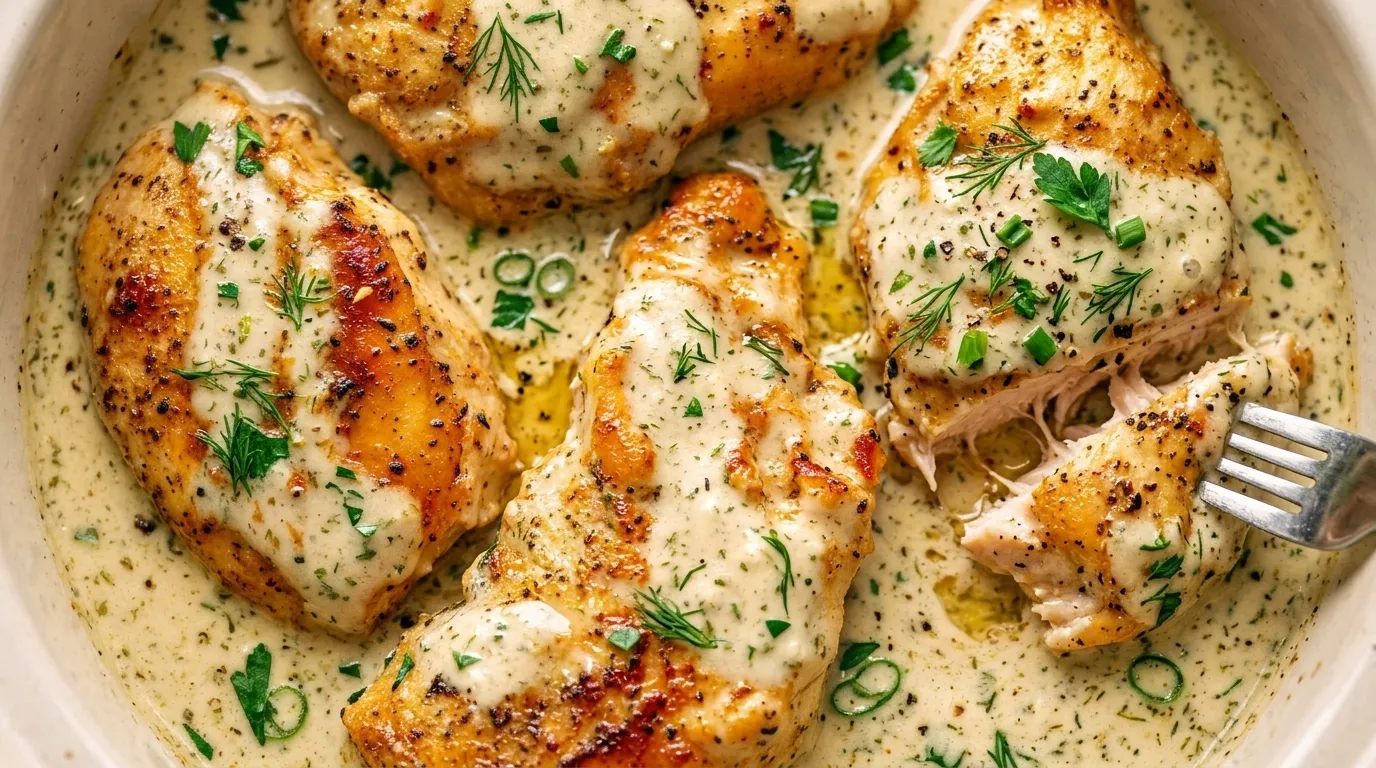
At its core, smothered chicken and rice is a study in controlled braising. The “smothering” process is essentially a form of braising where the chicken is cooked in a flavorful liquid over low heat for an extended period. This does several crucial things. First, it breaks down the tough connective tissues in the chicken, especially if you’re using bone-in, skin-on pieces (which I highly recommend!). This results in incredibly tender, juicy meat. Second, the braising liquid, which often includes aromatics like onions, garlic, and herbs, slowly infuses the chicken and the rice with its flavor. Finally, the starch released from the rice thickens the braising liquid, creating a luscious gravy that coats everything beautifully. The Maillard reaction, that browning magic that happens when proteins and sugars are heated, also plays a vital role. Searing the chicken before braising adds depth and complexity to the final flavor. It’s the same principle that makes Chicken Thighs Dinner Recipe so appealing.The Holy Grail: The Smothered Chicken and Rice Recipe
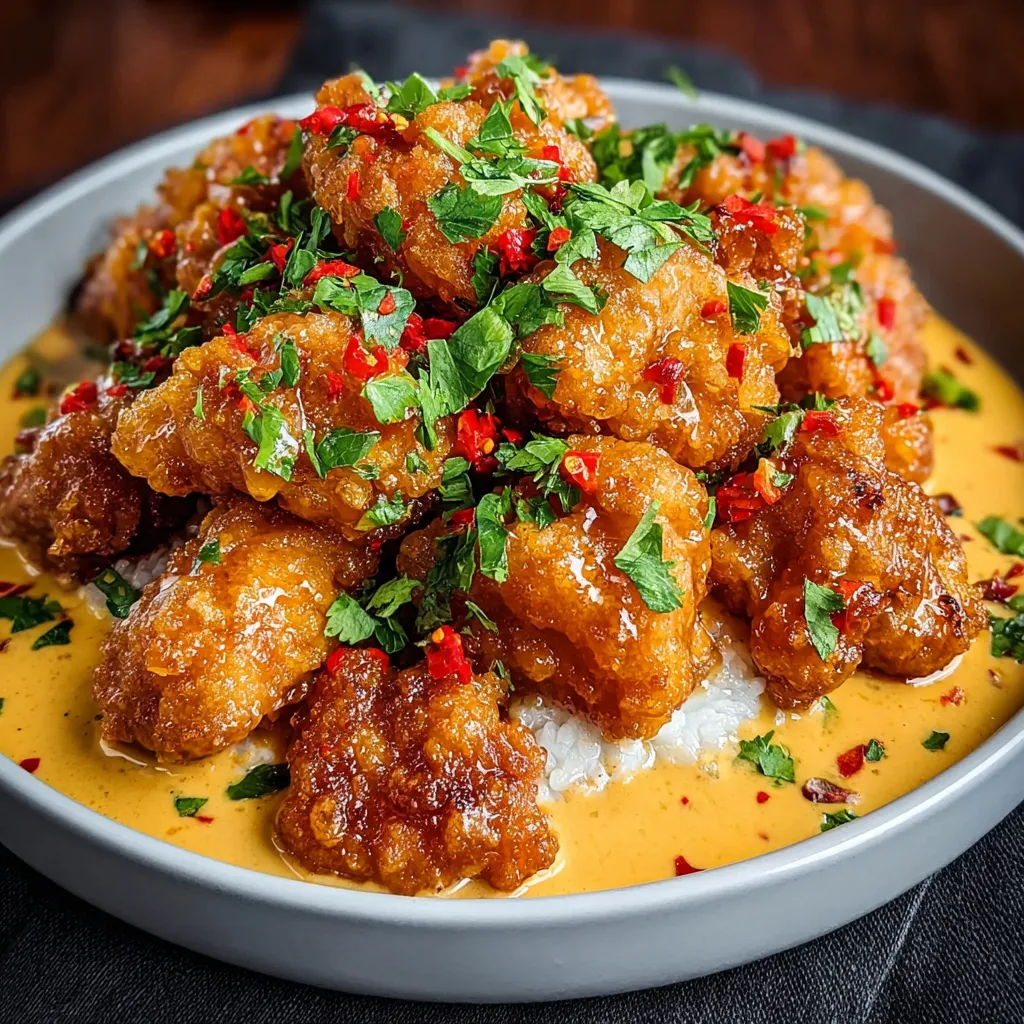
Ingredients:
- Chicken: 6 bone-in, skin-on chicken thighs (or drumsticks, or a mix)
- Rice: 1 cup long-grain rice, rinsed
- Aromatics: 1 large yellow onion, chopped; 2 cloves garlic, minced; 1 green bell pepper, chopped (optional)
- Fat: 2 tablespoons olive oil (or vegetable oil)
- Liquid: 3 cups chicken broth (low sodium preferred); 1/2 cup milk or cream (optional, for extra richness)
- Seasoning: 1 teaspoon salt; 1/2 teaspoon black pepper; 1/2 teaspoon paprika; 1/4 teaspoon cayenne pepper (optional, for a little kick); 1 teaspoon dried thyme; 1/2 teaspoon dried sage; 1 bay leaf
- Thickening Agent: 2 tablespoons all-purpose flour
- Fresh Herbs: 2 tablespoons chopped fresh parsley (for garnish)
Instructions:
- Prepare the Chicken: Pat the chicken thighs dry with paper towels. Season generously with salt, pepper, paprika, and cayenne pepper (if using).
- Sear the Chicken: Heat the olive oil in a large, heavy-bottomed skillet or Dutch oven over medium-high heat. Add the chicken thighs, skin-side down, and sear for 5-7 minutes, or until golden brown and crispy. Flip and sear for another 3-5 minutes. Remove the chicken from the skillet and set aside.
- Sauté the Aromatics: Add the chopped onion and bell pepper (if using) to the skillet and cook over medium heat, stirring occasionally, until softened, about 5-7 minutes. Add the minced garlic and cook for another minute until fragrant.
- Create the Gravy Base: Sprinkle the flour over the vegetables and cook, stirring constantly, for 1-2 minutes to create a roux. This will help thicken the gravy.
- Deglaze and Simmer: Gradually pour in the chicken broth, whisking constantly to prevent lumps. Bring the mixture to a simmer, scraping up any browned bits from the bottom of the skillet. Add the thyme, sage, and bay leaf.
- Add Rice and Chicken: Stir in the rinsed rice. Return the chicken thighs to the skillet, nestling them in the rice and broth mixture. Make sure the liquid covers most of the chicken but the skin on top can still breathe.
- Smother and Simmer: Cover the skillet tightly with a lid. Reduce the heat to low and simmer for 45-50 minutes, or until the rice is cooked through and the chicken is tender and cooked to an internal temperature of 165°F (74°C). Be careful not to lift the lid too often, as this will release steam and affect the cooking process.
- Finish and Serve: Remove the skillet from the heat and let it rest, covered, for 10 minutes before serving. This allows the rice to absorb any remaining liquid and the flavors to meld together. Stir in the milk or cream (if using) for extra richness. Remove the bay leaf. Garnish with fresh parsley. Serve immediately. Pairs excellently with side dishes similar to those you might enjoy with Black Beans And Rice With Sausage.
Confessions of a Culinary Investigator: My Smothered Chicken Journey
The Soggy Beginning: My First Attempts
My first few attempts at smothered chicken and rice were a disaster. Like many of you, I initially thought it was just a matter of throwing everything into a pot and letting it cook. The rice turned to mush, the chicken was either undercooked or dry, and the gravy was watery and flavorless. It was nothing like the creamy, comforting dish I envisioned. I even considered giving up and opting for the easier Boursin Chicken Pasta.The “Aha!” Moment: Understanding the Roux
Then, I had an “Aha!” moment. I realized that the key to a good smothered chicken and rice lies in the gravy. More specifically, in the roux. I started experimenting with different ratios of flour to fat and discovered that a well-made roux not only thickens the gravy but also adds a nutty, complex flavor. Cooking the flour for a full 2 minutes after adding it to the pan was crucial, as it eliminates the raw flour taste.The Rice Dilemma: Finding the Perfect Texture
Next, I tackled the rice issue. I tried different types of rice – long-grain, short-grain, even converted rice – but nothing seemed to work. The rice was either too sticky or too hard. Finally, I realized that rinsing the rice before cooking is essential for removing excess starch, which prevents it from clumping together. I also learned that the amount of liquid you use is critical. Too much liquid and the rice becomes mushy; too little and it burns. The 3 cups of broth to 1 cup of rice was the winning ratio. This is a similar balance to what’s important when making Garlic Parmesan Crockpot Chicken And Potatoes, which involves careful attention to the liquid to starch ratio.The Chicken Conundrum: Achieving Tenderness and Flavor
Finally, I focused on the chicken. I experimented with different cuts of chicken – boneless, skinless breasts, bone-in thighs, drumsticks – and found that bone-in, skin-on chicken thighs were the best option. The bones add flavor to the gravy, and the skin renders fat, which keeps the chicken moist and adds richness. Searing the chicken before braising was also crucial for developing a deep, savory flavor. It’s similar to the principles I discovered while perfecting Ruth’s Chris Stuffed Chicken, where proper searing enhances the overall taste.The Foolproof Method: Mastering Smothered Chicken and Rice
Here’s a breakdown of the foolproof method I developed after countless trials and errors:- Choose the right chicken: Bone-in, skin-on thighs are your best bet for flavor and tenderness.
- Rinse the rice: This prevents it from becoming sticky and clumpy.
- Sear the chicken: This adds depth and complexity to the flavor.
- Make a proper roux: Cook the flour for a full 2 minutes to eliminate the raw flour taste.
- Use the right ratio of liquid to rice: 3 cups of broth to 1 cup of rice is the magic number.
- Simmer, don’t boil: Low and slow is the key to tender chicken and perfectly cooked rice.
- Resist the urge to peek: Keep the lid on tight to maintain the moisture and heat.
- Let it rest: Allow the dish to rest, covered, for 10 minutes before serving. This allows the flavors to meld together.
What is the key to getting tender chicken in smothered chicken and rice?
Using bone-in, skin-on chicken thighs and searing them before braising are crucial for achieving tender and flavorful chicken. The bones add flavor to the gravy, and the skin renders fat, keeping the chicken moist.
Why is rinsing the rice important for this recipe?
Rinsing the rice before cooking removes excess starch, which prevents the rice from clumping together and becoming sticky.
What is a roux and why is it important for smothered chicken and rice?
A roux is a mixture of flour and fat that’s cooked together. In smothered chicken and rice, it’s the base of the gravy and helps to thicken it. Cooking the flour for a full 2 minutes eliminates the raw flour taste.
What is the correct ratio of broth to rice for this recipe?
The recommended ratio is 3 cups of chicken broth to 1 cup of long-grain rice.
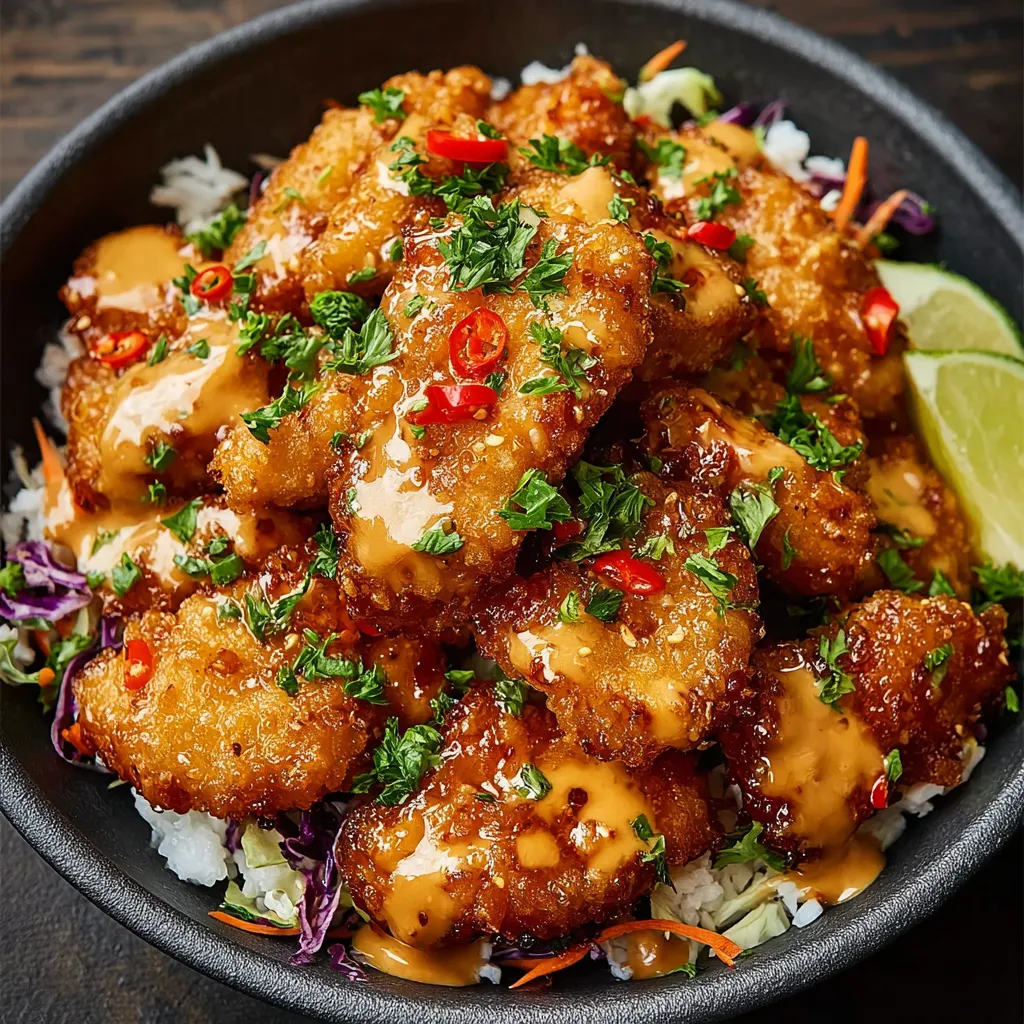
Perfect Smothered Chicken and Rice
This recipe delivers comforting and deeply flavorful smothered chicken and rice, featuring tender chicken and rice infused with a rich, savory gravy. Achieving the perfect balance of flavors and textures requires careful attention to the roux, rice texture, and chicken tenderness.
Ingredients
Equipment
Method
- Pat the chicken thighs dry with paper towels. Season generously with salt, pepper, paprika, and cayenne pepper (if using).
- Heat the olive oil in a large, heavy-bottomed skillet or Dutch oven over medium-high heat. Add the chicken thighs, skin-side down, and sear for 5-7 minutes, or until golden brown and crispy. Flip and sear for another 3-5 minutes. Remove the chicken from the skillet and set aside.
- Add the chopped onion and bell pepper (if using) to the skillet and cook over medium heat, stirring occasionally, until softened, about 5-7 minutes. Add the minced garlic and cook for another minute until fragrant.
- Sprinkle the flour over the vegetables and cook, stirring constantly, for 1-2 minutes to create a roux. This will help thicken the gravy.
- Gradually pour in the chicken broth, whisking constantly to prevent lumps. Bring the mixture to a simmer, scraping up any browned bits from the bottom of the skillet. Add the thyme, sage, and bay leaf.
- Stir in the rinsed rice. Return the chicken thighs to the skillet, nestling them in the rice and broth mixture. Make sure the liquid covers most of the chicken but the skin on top can still breathe.
- Cover the skillet tightly with a lid. Reduce the heat to low and simmer for 45-50 minutes, or until the rice is cooked through and the chicken is tender and cooked to an internal temperature of 165°F (74°C). Be careful not to lift the lid too often, as this will release steam and affect the cooking process.
- Remove the skillet from the heat and let it rest, covered, for 10 minutes before serving. This allows the rice to absorb any remaining liquid and the flavors to meld together. Stir in the milk or cream (if using) for extra richness. Remove the bay leaf. Garnish with fresh parsley. Serve immediately.
Notes
For best results, use bone-in, skin-on chicken thighs. Rinsing the rice prevents stickiness. Ensure the roux is cooked properly to eliminate raw flour taste. Simmer on low heat and avoid lifting the lid frequently during cooking. Resting the dish before serving allows the flavors to meld together. Store leftovers in an airtight container in the refrigerator for up to 3 days. Reheat gently on the stovetop or in the microwave.