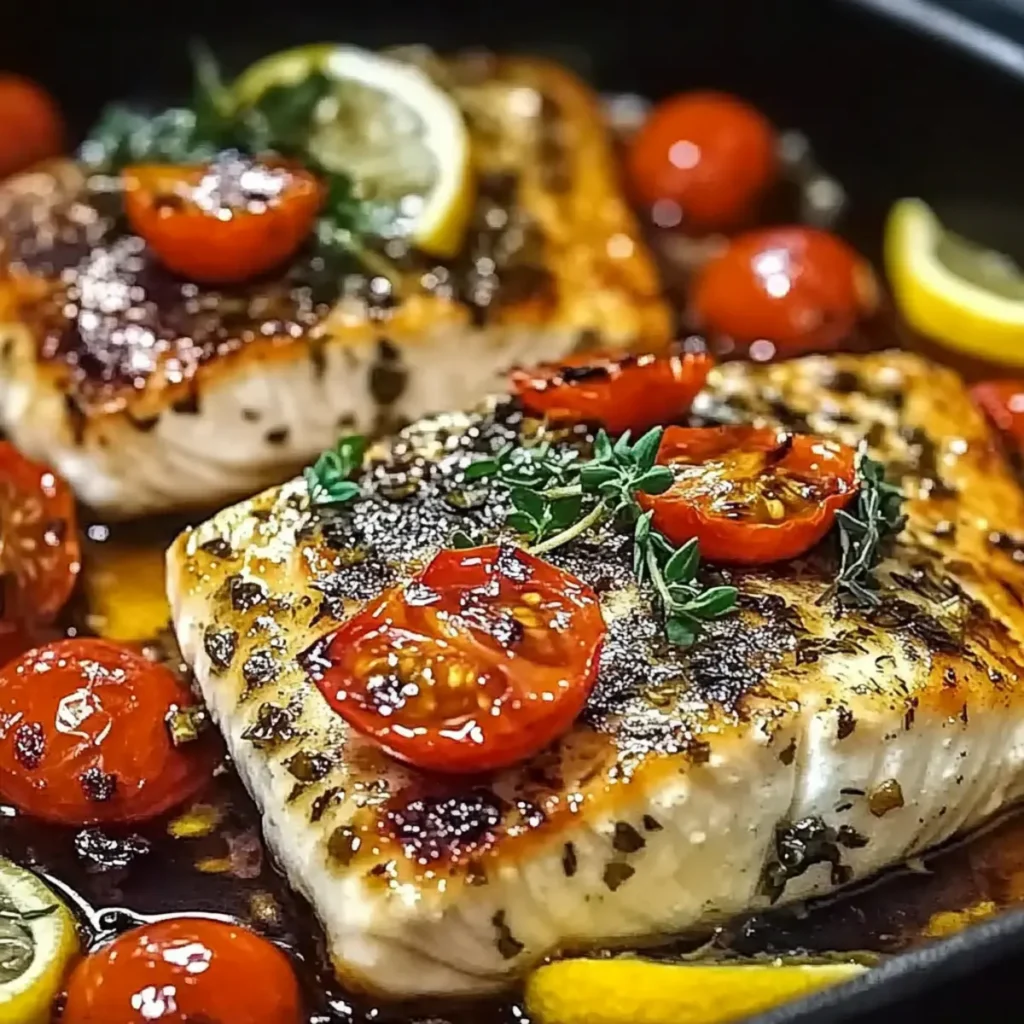
When you want a dinner that feels clean and bright without spending much time in the kitchen, this sheet pan mediterranean baked fish delivers exactly that. Flaky white fish roasted with cherry tomatoes, kalamata olives, lemon rounds, and a finish of crumbled feta — it’s a 25-minute dinner that tastes like you planned it.
This one works well any night of the week, but it’s also the kind of thing you can confidently put in front of guests. The sheet pan does the heavy lifting, and the Mediterranean toppings create their own pan sauce as everything roasts together.
Why You’ll Love This Sheet Pan Mediterranean Baked Fish
Speed is the first thing worth mentioning. Ten minutes of prep, 15 minutes in the oven, and dinner is on the table. For a meal this flavorful, that’s a genuine advantage on a weeknight.
The flavor profile is bright and savory at once. Lemon, briny olives, sweet roasted tomatoes, and salty feta create a combination that complements mild white fish without overpowering it. The fish stays tender because the toppings create a protective layer that traps moisture during roasting.
This recipe is also flexible in the best way. Cod, tilapia, halibut — whatever white fish looks best at the counter that day works here. Shrimp and scallops are solid alternatives too. And with only one pan to wash at the end, cleanup takes less time than the cooking did.
Ingredients for Sheet Pan Mediterranean Baked Fish
I always choose fillets that are roughly even in thickness — this matters more than most people realize. When one end of the fillet is significantly thinner, it overcooks before the thick end reaches doneness. Uniform fillets bake more evenly and stay consistently flaky throughout.
The Fish:
- 4 white fish fillets, approx. 6 oz each (cod, tilapia, or halibut)
- 2 tablespoons olive oil
- 1 teaspoon dried oregano
- 1/2 teaspoon garlic powder
- Salt and black pepper, to taste
The Mediterranean Topping:
- 1 cup cherry tomatoes, halved
- 1/4 cup kalamata olives, pitted and sliced
- 1/4 cup red onion, thinly sliced
- 1 lemon, thinly sliced into rounds
- 2 tablespoons capers, drained (optional)
Garnish:
- 1/4 cup fresh parsley, chopped
- 1/4 cup crumbled feta cheese
For the fish itself, cod is my go-to — it’s widely available, affordable, and holds up well on a sheet pan without falling apart. Halibut is excellent if you want something meatier and slightly richer. Tilapia works in a pinch but cooks faster, so check it at the 10-minute mark.
On the olives, kalamata is the right choice here. They’re meaty and flavorful with a natural brininess that seasoned canned olives don’t replicate well. For capers, I use them — they add a sharp, pickled note that plays nicely against the sweetness of the roasted tomatoes. If capers aren’t your thing, simply leave them out.
Use block feta and crumble it yourself if you can. Pre-crumbled feta tends to be drier and less creamy than block, and it makes a noticeable difference in the finished dish.
How to Make Sheet Pan Mediterranean Baked Fish
The key to well-roasted fish is starting with a dry surface. In my experience, skipping the pat-dry step is the most common reason fish comes out steamed and soft rather than roasted with good texture. It takes 30 seconds and makes a real difference.
- Preheat the oven to 400°F (200°C). Line a large baking sheet with parchment paper. This prevents sticking and makes cleanup straightforward.
- Dry and season the fish. Pat each fillet thoroughly dry with paper towels — top, bottom, and sides. Place the fillets on the prepared baking sheet with a little space between each one. Drizzle olive oil evenly over all four fillets, then season both sides with oregano, garlic powder, salt, and black pepper. The oil helps the seasoning adhere and promotes browning on the edges.
- Add the toppings. Scatter the halved cherry tomatoes, sliced kalamata olives, and red onion around and directly on top of the fillets. Add the capers if using. Lay 1 to 2 lemon slices on top of each fillet. The lemon rounds will release juice as they roast, effectively basting the fish during baking.
- Bake for 12 to 15 minutes. Slide the pan into the center rack. The fish is done when it turns fully opaque and flakes easily when pressed gently with a fork. An internal temperature of 145°F confirms doneness. Thinner fillets will be ready closer to 12 minutes — check early rather than late.
- Add the feta and parsley. Remove the pan from the oven and immediately scatter the crumbled feta and fresh parsley over the fish and vegetables. The residual heat softens the feta slightly without fully melting it, which gives you the best texture.
- Serve right away. Spoon any pan juices over the fish before plating. Those juices are concentrated lemon, tomato, and olive oil — they’re worth capturing.
Pro tip: If your fillets have a very thin tail end, fold it underneath before baking. This creates more uniform thickness and prevents the thinner section from drying out before the rest of the fillet is done.
What to Serve with Sheet Pan Mediterranean Baked Fish
A few well-matched sides turn this into a full Mediterranean dinner without much extra work.
Lemon Herb Couscous: Couscous is a natural pairing here — it cooks in under 5 minutes and the pan juices from the fish mix beautifully into it. Stir in a little lemon zest and fresh parsley to keep the flavors consistent.
Greek Salad: A simple combination of cucumber, tomato, red onion, and olives with red wine vinegar and olive oil is a crisp, refreshing contrast to the warm roasted fish. Keep the dressing light since the fish already brings plenty of flavor.
Quinoa: For something more filling, a plain or herb-seasoned quinoa base soaks up the roasting juices well and adds protein to what’s already a high-protein plate.
Roasted Zucchini or Asparagus: If you have oven space, roast a second sheet pan of vegetables alongside the fish at the same temperature. Zucchini and asparagus both work at 400°F and finish in a similar time window.
Warm Pita with Tzatziki: A simple addition that turns this into something you could easily serve at a dinner party. The cool creaminess of tzatziki alongside the warm, briny fish is a solid combination.
Pro Tips & Variations
Don’t crowd the pan. Give the fillets and vegetables space. Crowding causes steaming instead of roasting, which softens everything rather than giving you that slightly caramelized finish on the tomatoes and edges of the fish.
Room temperature fish bakes more evenly. Pull the fillets from the refrigerator about 10 minutes before cooking. Cold fish straight from the fridge can cook unevenly, with the outside done before the center warms through.
Shrimp or scallops instead of fish: This seasoning and topping combination works just as well with large shrimp or sea scallops. Reduce the bake time to 8 to 10 minutes and watch closely — shellfish overcook fast.
Add a handful of spinach: Scatter fresh spinach leaves across the pan before baking. They wilt down during roasting and add color and a mild earthy flavor to the pan juices.
Make it spicy: A pinch of red pepper flakes added to the olive oil before drizzling over the fish brings a low-level heat that works well with the lemon and olives.
Storage & Reheating Tips
Baked fish is best eaten the day it’s made — the texture and flavor are at their peak straight from the oven. If you have leftovers, store them in an airtight container in the refrigerator for up to 2 days.
For reheating, I find a skillet over low heat with a small splash of water or broth works better than a microwave. Cover the pan loosely and heat gently for 3 to 4 minutes. The microwave tends to toughen fish quickly, so use it only if the skillet isn’t practical — and keep the power low.
This recipe doesn’t freeze well. Fish texture changes significantly after freezing and thawing, and the vegetables become watery. Make only what you plan to eat within two days.
Common Questions
Can I use frozen fish fillets? Yes, but thaw them fully in the refrigerator overnight first. Pat them very dry before seasoning — frozen fish releases extra moisture during thawing, and any remaining water on the surface will cause steaming rather than roasting.
How do I know when the fish is done without a thermometer? Press the thickest part of the fillet gently with a fork and twist slightly. If the fish separates into clean flakes and is opaque all the way through with no translucent center, it’s done. If it still looks glassy or resists flaking, give it 2 more minutes.
Can I prep this ahead of time? You can season the fish and prep all the toppings a few hours ahead. Store everything separately in the refrigerator and assemble on the baking sheet right before baking. Seasoning the fish too far in advance can draw out moisture and affect the texture, so keep it under 30 minutes from seasoning to oven if possible.
Sheet pan mediterranean baked fish earns its place in a regular dinner lineup because it delivers real flavor with almost no friction. The ingredients are straightforward, the method is simple, and the result is a dinner that feels considered without requiring much of your evening. Give it a try this week alongside a bowl of couscous — it’s a combination worth repeating.
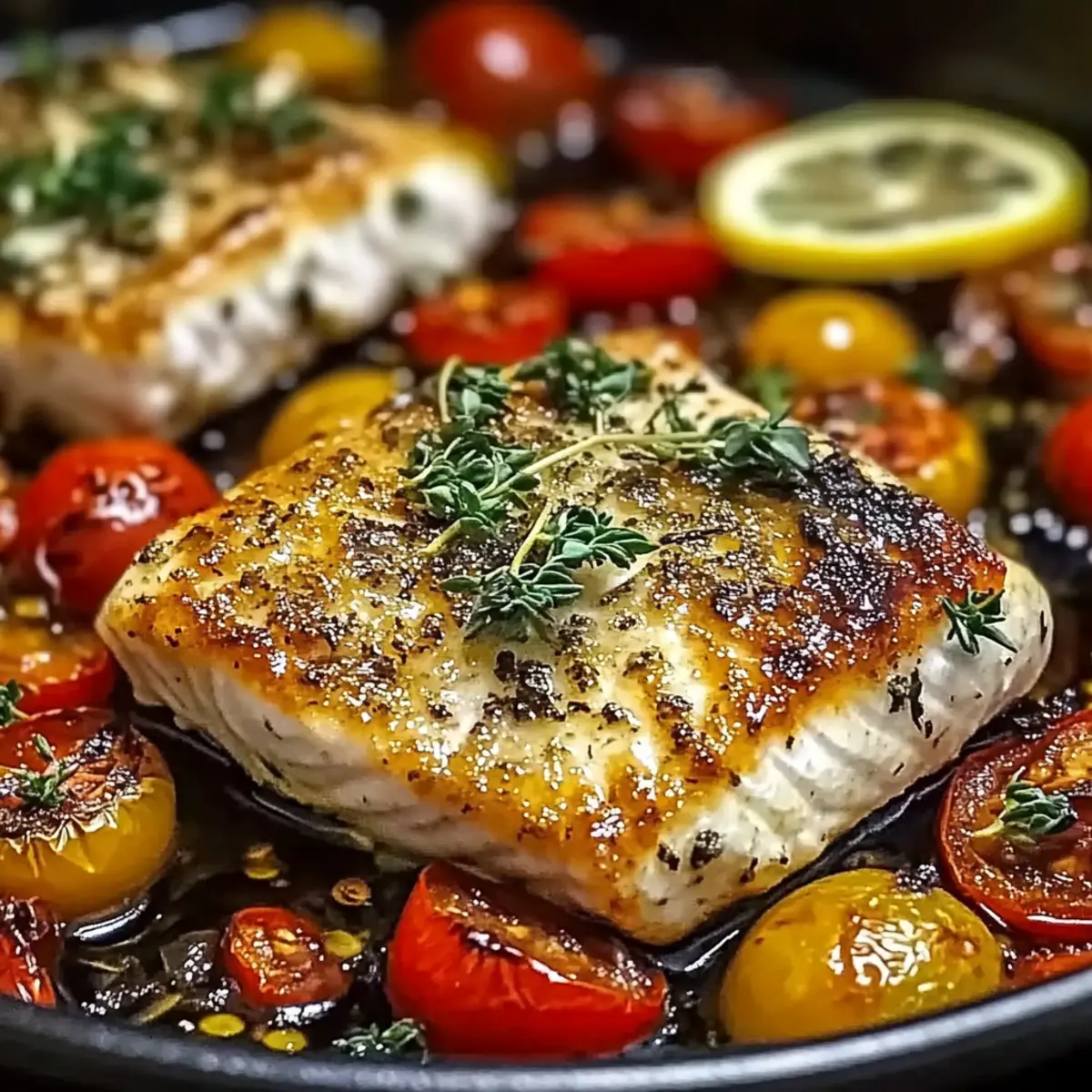
Sheet Pan Mediterranean Baked Fish
Ingredients
Equipment
Method
- Preheat your oven to 400°F (200°C). Line a large baking sheet with parchment paper.
- Pat each fish fillet thoroughly dry with paper towels on all sides. Place on the prepared baking sheet with space between fillets. Drizzle with olive oil and season both sides with oregano, garlic powder, salt, and black pepper.
- Scatter the halved cherry tomatoes, sliced kalamata olives, red onion, and capers around and on top of the fillets. Lay 1 to 2 lemon rounds on top of each fillet.
- Bake on the center rack for 12 to 15 minutes, until the fish is opaque throughout and flakes easily with a fork. Internal temperature should reach 145°F. Check thinner fillets at 10 to 12 minutes.
- Remove from the oven. Immediately scatter crumbled feta and fresh parsley over the fish and vegetables.
- Spoon any pan juices over the fillets and serve immediately.